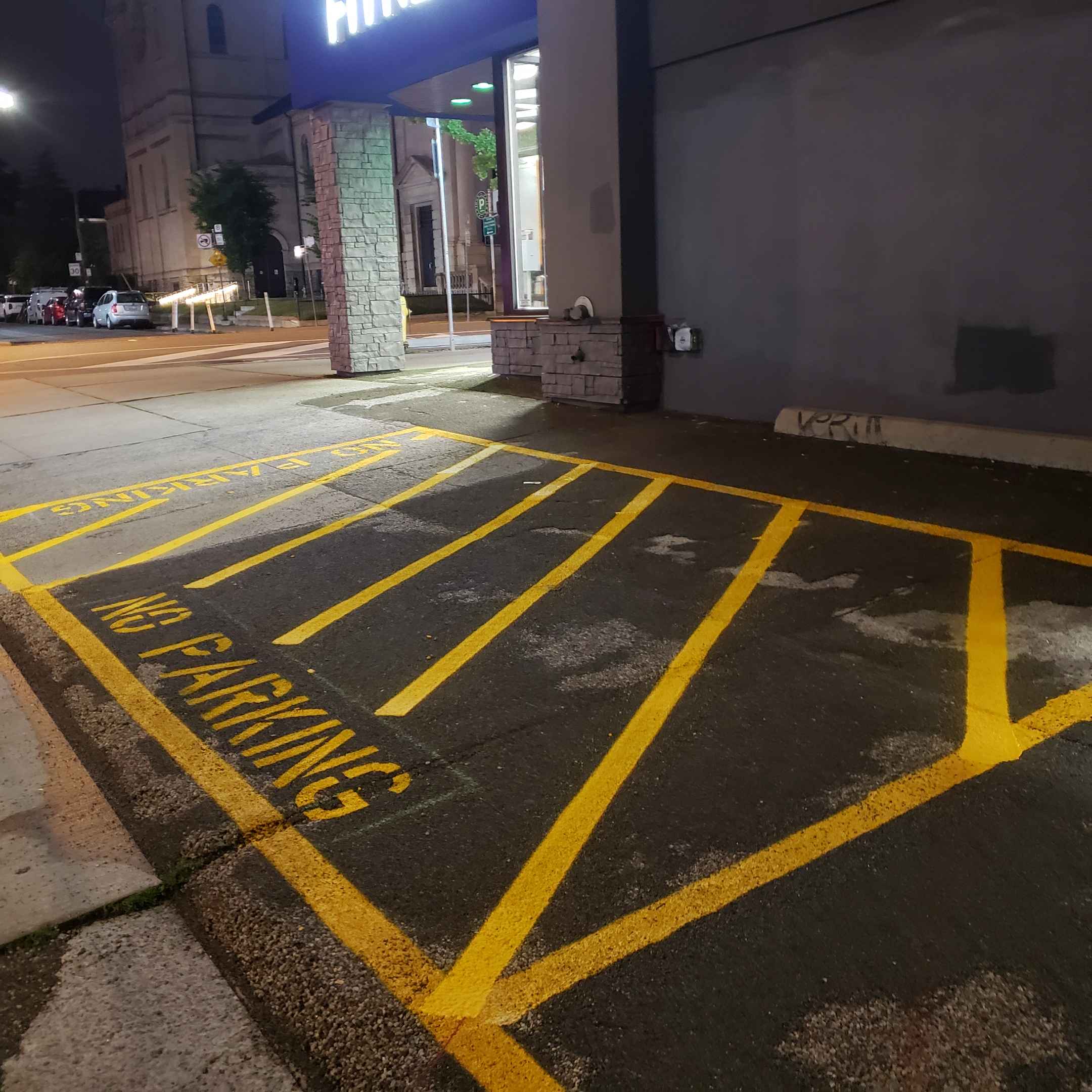
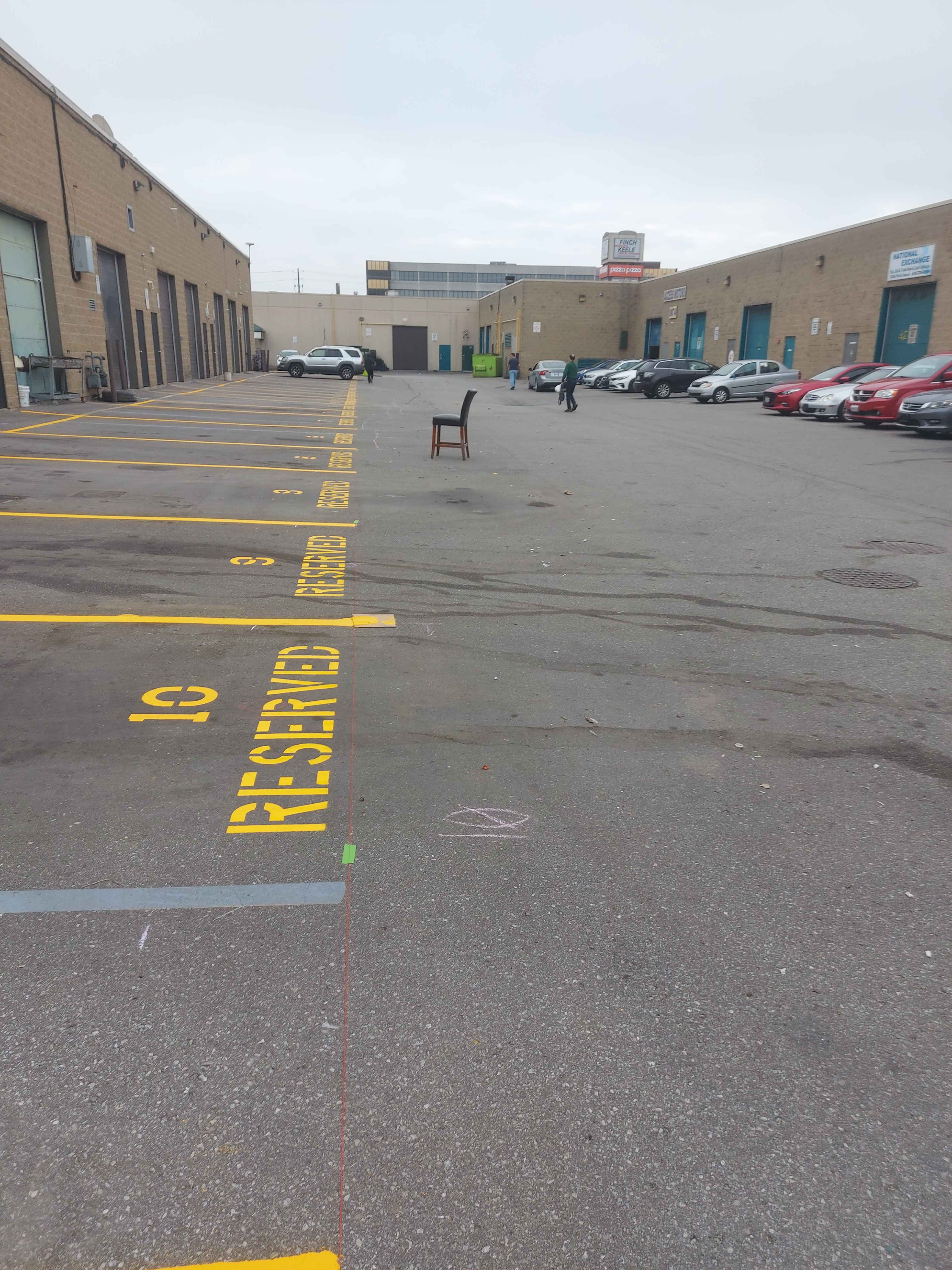
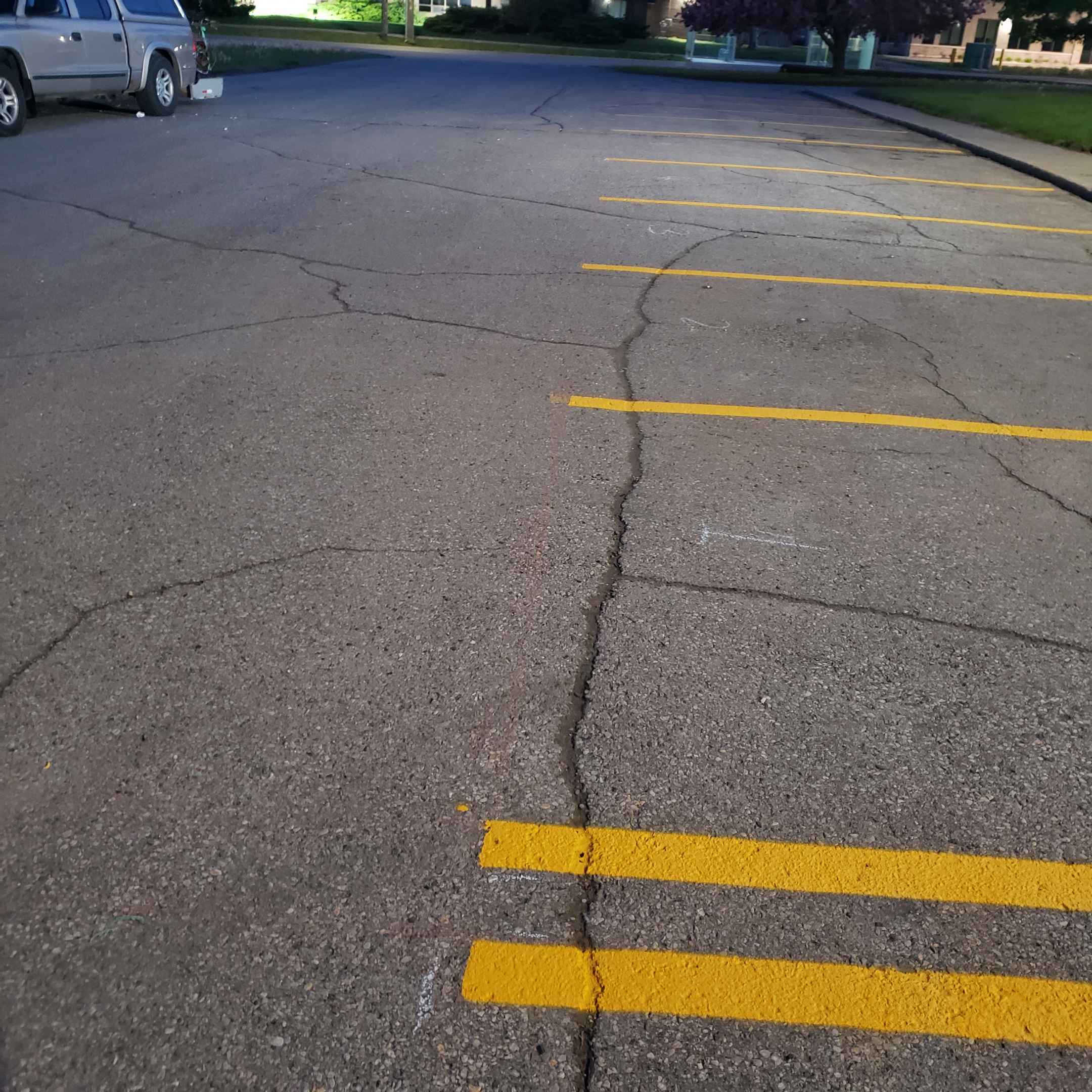
ADA-Compliant Line Marking: Meeting Canadian Accessibility Standards
Navigating the complexities of accessibility compliance is essential for property owners looking to foster inclusivity and avoid legal pitfalls.
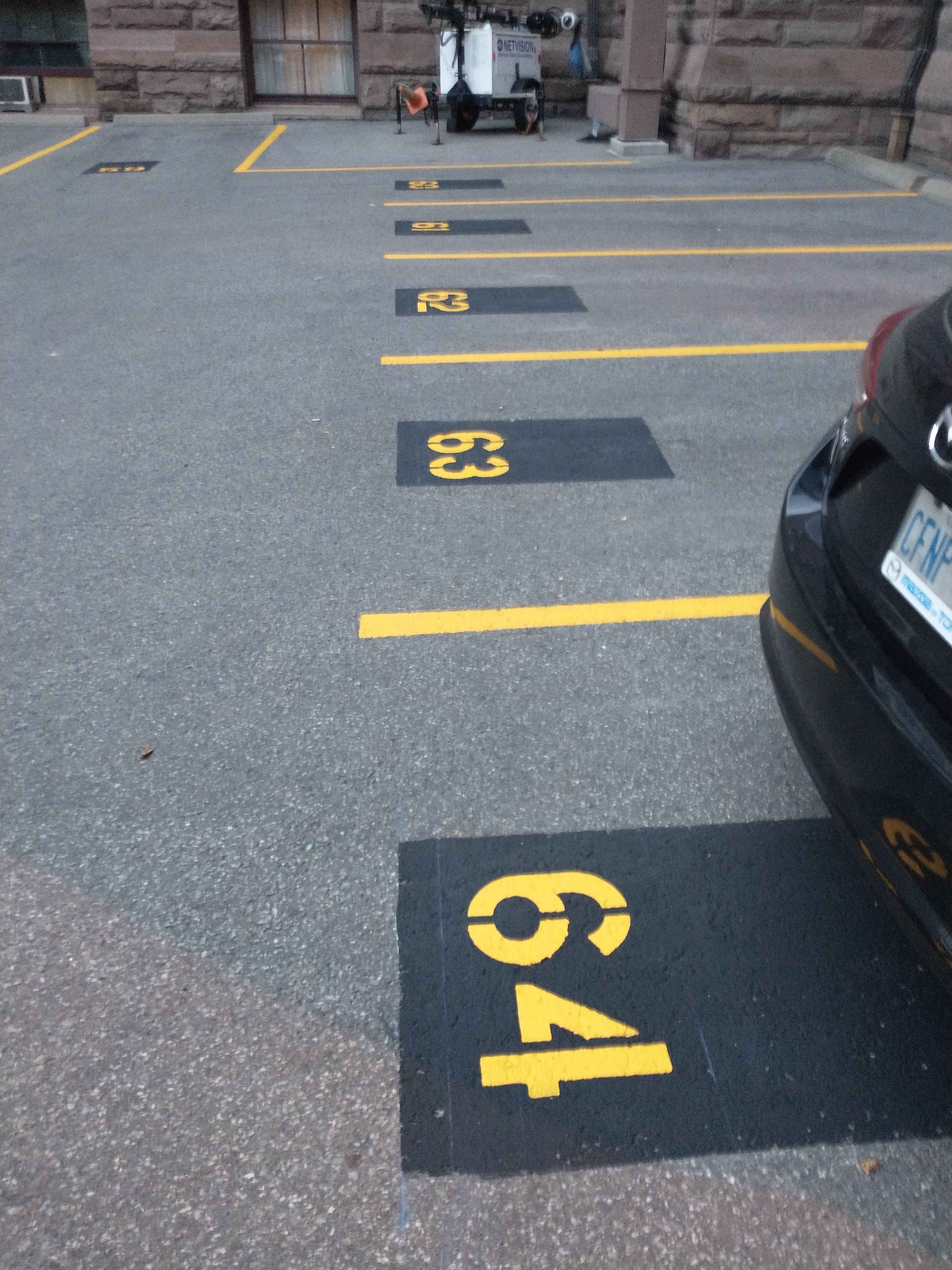
In the modern urban landscape, accessibility is more than just a legal requirement; it is a fundamental aspect of community inclusion. For property managers and business owners in major hubs like Toronto, ensuring that parking lots and walkways are properly marked is a critical responsibility. While many people refer to the Americans with Disabilities Act (ADA) in a general sense, property owners in Canada must ensure their line marking practices align with the Accessibility for Ontarians with Disabilities Act (AODA) and other local building codes.
Professional line painting is the cornerstone of a safe, navigable environment. When markings are faded, incorrect, or poorly placed, they create barriers for individuals with mobility aids, visual impairments, or other disabilities. This is where Capital Parking Lot Line Painting steps in, providing expert precision to ensure your facility meets the highest standards of accessibility.
The Importance of Precision in Line Marking
Accessibility compliance isn't just about painting a blue box. It involves specific dimensions, contrast ratios, and symbol placements that allow users to navigate with confidence. Incorrect line marking can lead to more than just fines; it can lead to accidents and a lack of dignity for those relying on accessible infrastructure.
Key Elements of Accessible Parking Design
To meet Canadian accessibility standards, several components must be executed with mathematical accuracy:
- Van Accessible Spaces: These require wider access aisles to accommodate side-entry ramps.
- High-Contrast Symbols: The International Symbol of Access must be clearly visible and painted with high-quality, durable materials.
- Aisle Widths: Ensuring the space between the parking stall and the adjacent line is sufficient for wheelchair maneuvering.
- Curb Ramps and Tactile Surfaces: While not strictly line marking, the transition from the parking stall to the sidewalk must be seamless and clearly delineated.
- Directional Markings: Clear pedestrian walkways that guide users from their vehicle to the building entrance.
Common Mistakes in Parking Lot Maintenance
Many property owners in Toronto attempt to manage their own line painting or hire unqualified contractors, leading to significant compliance issues. Avoiding these common pitfalls is essential for long-term success:
Improper Dimensions
Using standard parking stall measurements for accessible spaces often results in aisles that are too narrow for mobility devices.
Low-Visibility Pigments
Using low-quality paint that fades quickly can make symbols invisible during inclement weather or low light.
By partnering with Capital Parking Lot Line Painting, you ensure that these errors are mitigated through professional assessment and industry-leading techniques.
Why Professional Line Painting Matters
A professional approach to line marking involves more than just applying paint to asphalt. It requires an understanding of site flow, traffic patterns, and the specific regulatory requirements of your municipality. Capital Parking Lot Line Painting utilizes advanced equipment to ensure straight lines, crisp edges, and long-lasting durability.
Investing in high-quality line painting serves three primary purposes:
- Legal Compliance: Staying ahead of AODA and municipal regulations to prevent litigation.
- Safety: Reducing the risk of collisions between vehicles and pedestrians.
- Property Value: A well-maintained, clearly marked parking lot enhances the professional appearance of your commercial asset.
Ready to Upgrade Your Accessibility?
Don't leave your compliance to chance. Ensure your property is safe, accessible, and professional with the experts at Capital Parking Lot Line Painting.