ADA-Compliant Line Marking: Meeting Canadian Accessibility Standards
Navigating the complexities of accessibility in commercial parking lots is more than just a legal obligation; it is a commitment to inclusivity and safety for every member of your community.
Understanding Accessibility in the Canadian Context
While the term "ADA" is often associated with American standards, businesses across Canada must adhere to strict provincial and municipal accessibility guidelines, such as the AODA in Ontario. For property owners in Waterloo, ensuring that parking lot layouts comply with these regulations is essential to avoid litigation and ensure seamless access for individuals with disabilities.
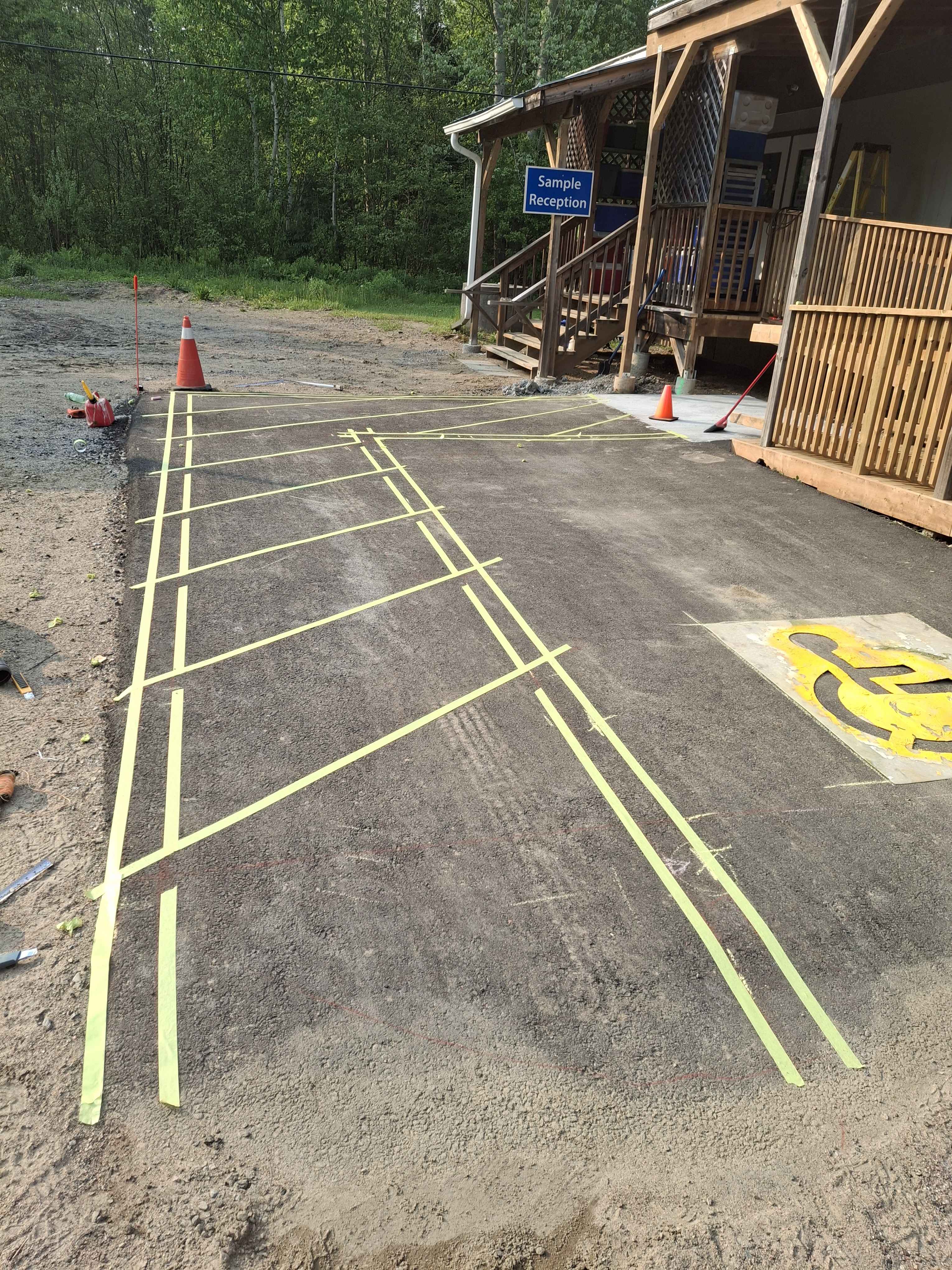
Proper line marking is the foundation of a compliant parking facility. It isn't just about painting lines; it is about the precise placement, width, and visibility of designated accessible stalls, loading zones, and pedestrian walkways. Capital Parking Lot Line Painting specializes in interpreting these complex requirements to provide layouts that are both functional and legally sound.
The Critical Role of Line Marking in Accessibility
Accessibility is not an afterthought—it must be integrated into the very design of your pavement. When line marking is executed incorrectly, it can lead to confusion, safety hazards, and non-compliance. High-quality line marking ensures that the visual cues provided to drivers are unmistakable.
Key elements that must be addressed during the line marking process include:
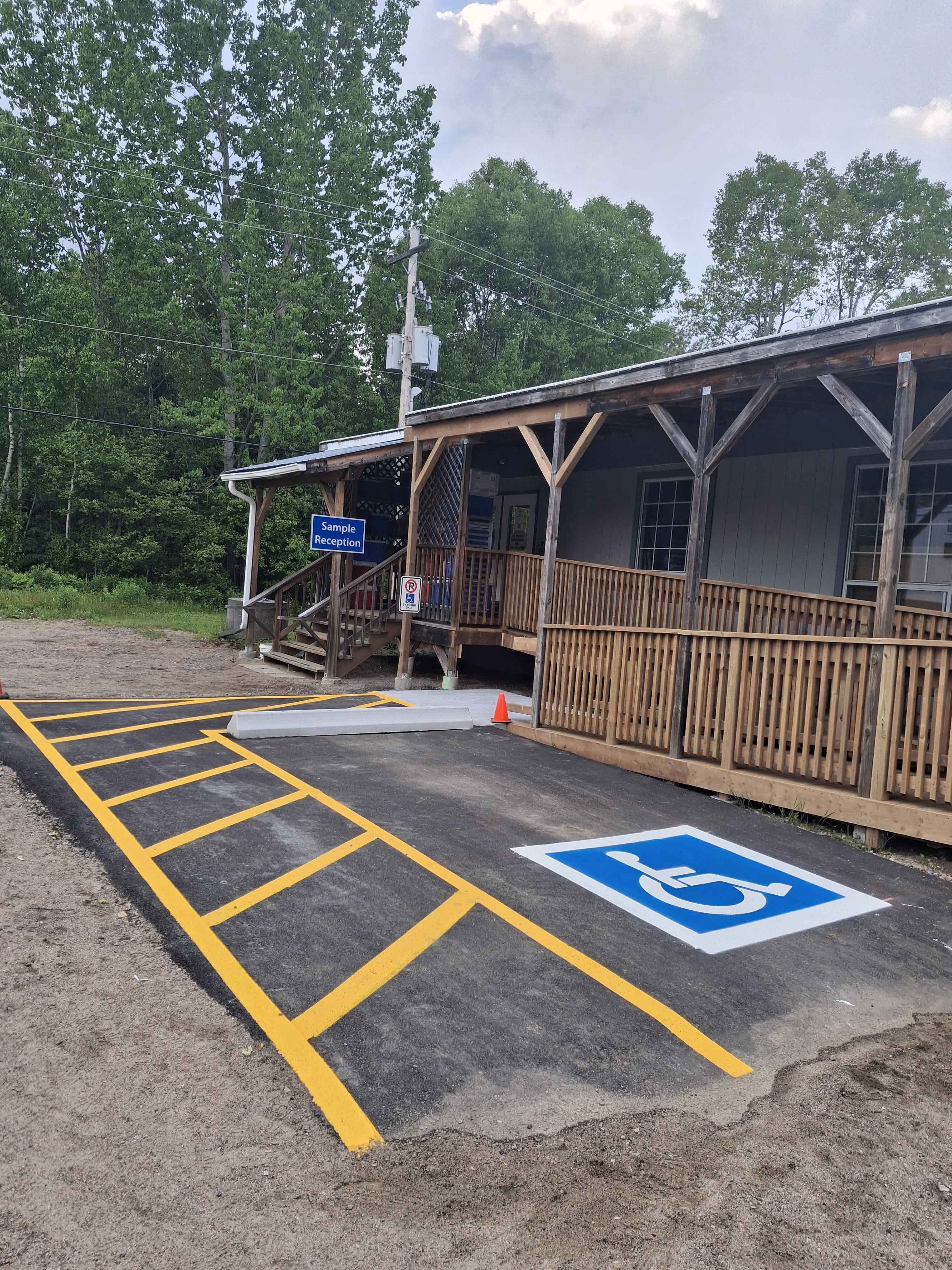
- Stall Dimensions: Ensuring accessible spaces are wide enough to accommodate van-accessible requirements.
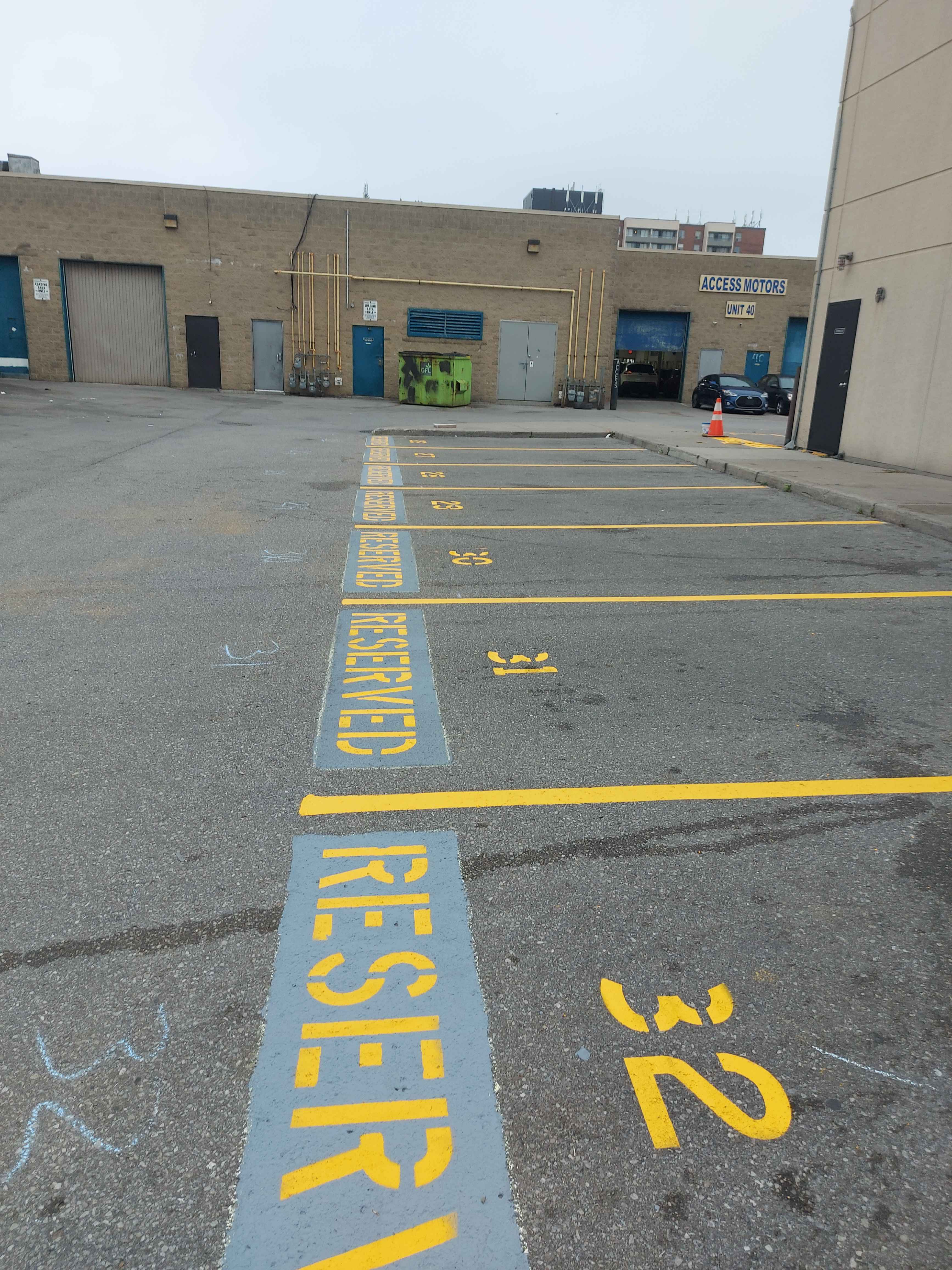
- Symbol Clarity: Using high-contrast, standard international symbols to clearly identify reserved spaces.
- Loading Zones: Marking specific areas for passenger loading and unloading to prevent obstruction.
- Pedestrian Paths: Creating clear, visible walkways that guide users from the parking stall to the building entrance.
- Crosswalk Visibility: Using bold, durable paint to mark intersections where pedestrians cross vehicular paths.
By partnering with experts like Capital Parking Lot Line Painting, property managers can ensure that every measurement is precise and every symbol is placed according to the latest regulatory standards.
Common Mistakes in Parking Lot Accessibility
Many property owners in busy hubs like Waterloo inadvertently fall into common pitfalls that can lead to accessibility violations. Avoiding these mistakes is critical for long-term compliance and user safety.
1. Poor Contrast
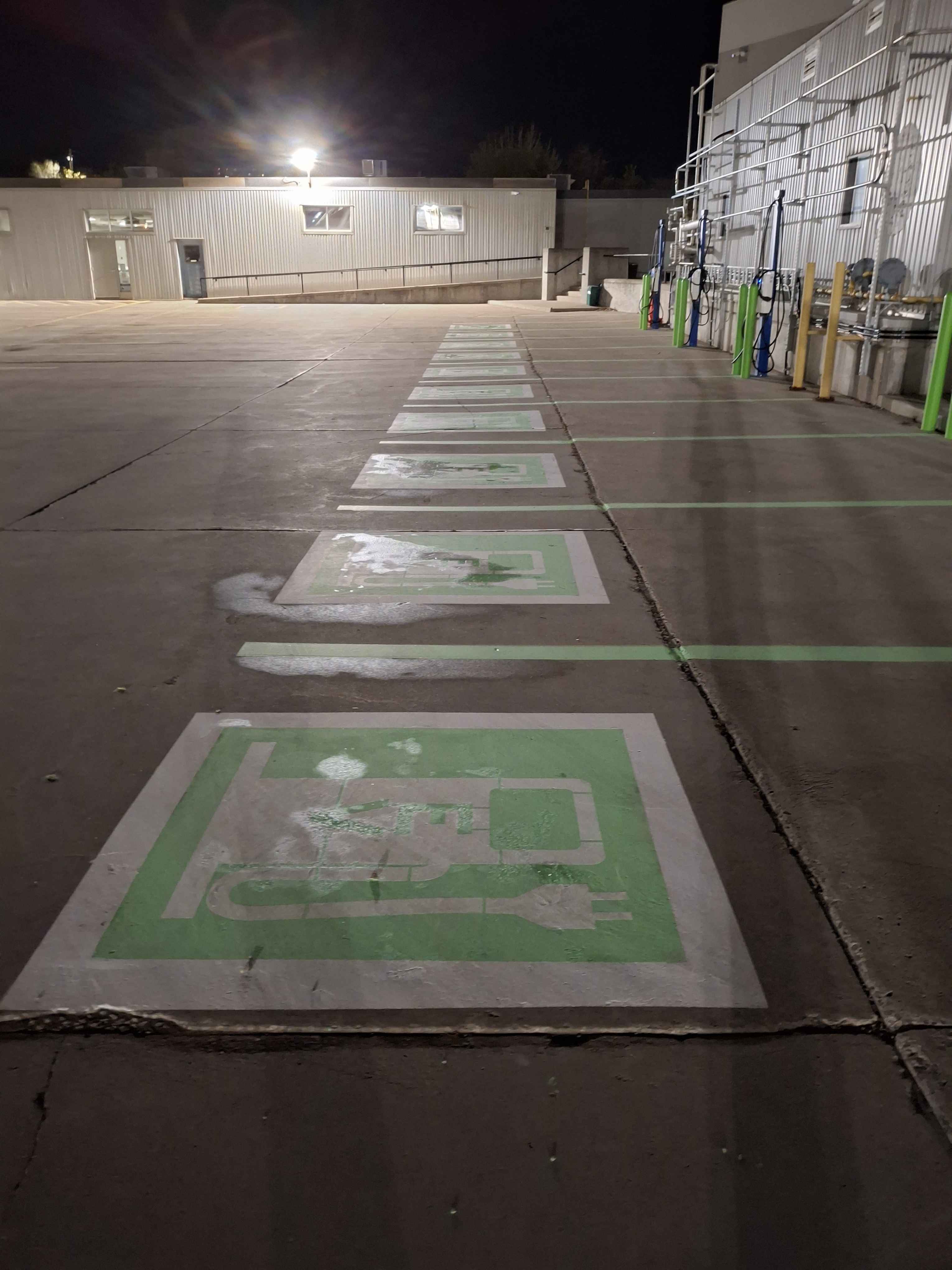
Using paint colors that blend too closely with the asphalt color makes lines nearly invisible to those with visual impairments. High-contrast white or yellow is standard for a reason.
2. Incorrect Stall Width
Failing to account for the extra width required for wheelchair access can render a designated stall useless for those who need it most.
3. Worn-out Markings
Faded paint is just as dangerous as no paint at all. When lines disappear, the parking lot loses its organization, leading to illegal parking in accessible zones.
4. Obstructed Access Routes
Marking the stalls correctly but failing to mark the clear path of travel can create a disconnect that prevents true accessibility.
Why Professional Line Marking Matters
While it may be tempting to attempt DIY solutions, professional line marking provides a level of accuracy and durability that is impossible to replicate with consumer-grade tools. Professionals use industrial-grade materials designed to withstand heavy traffic and harsh Canadian winters.
When you hire Capital Parking Lot Line Painting, you are investing in a service that understands the nuances of both the physical application and the regulatory landscape. We ensure that your property is not only compliant but also looks professional and welcoming to all customers.
Visualizing Quality Standards
Precision in every line.
A well-marked parking lot serves as a silent guide for your visitors. It directs traffic, protects vulnerable pedestrians, and ensures that those with mobility challenges can navigate your space with dignity and ease.
Conclusion
Meeting accessibility standards is a continuous process of maintenance and awareness. By prioritizing high-quality line marking, you protect your business from liability and, more importantly, you contribute to a more inclusive society. Whether you are managing a small retail lot or a large commercial complex, ensuring your markings are compliant is a non-negotiable aspect of property management.