The Science Behind Asphalt Cracking and How to Stop It
Understanding the structural mechanics of your pavement is the first step toward long-term durability and cost-effective maintenance.

Every property owner knows the frustration of seeing those first hairline fractures appear on a parking lot surface. What starts as a minor cosmetic issue can quickly evolve into a structural nightmare if left unaddressed. At Capital Parking Lot Line Painting, we see the aftermath of neglected asphalt every day. But to truly protect your investment, you need to understand that asphalt cracking isn't just bad luck—it is a predictable scientific process driven by environmental, chemical, and mechanical forces.
In growing hubs like Ajax, where seasonal temperature swings are extreme, the asphalt undergoes constant stress. Understanding these stresses is the key to moving from reactive repairs to proactive preservation.
The Chemistry of Asphalt: Why It Cracks
Asphalt is a composite material consisting of mineral aggregate bound together by bitumen. Bitumen is a viscoelastic material, meaning it behaves both like a liquid and a solid depending on the temperature. This unique property is both its greatest strength and its primary vulnerability.
1. Thermal Cracking (The Expansion-Contraction Cycle)
In Ontario, our asphalt faces a brutal cycle. During the hot summer months, the bitumen expands and softens. When the freezing temperatures of winter arrive, the bitumen contracts and becomes brittle. This constant movement creates internal tension. When the tensile strength of the asphalt is exceeded, a crack forms. This is particularly prevalent in high-traffic areas in Ajax, where the freeze-thaw cycle is aggressive.
2. Oxidation and UV Degradation
Sunlight is a silent killer of pavement. Ultraviolet (UV) radiation causes a chemical reaction known as oxidation. As the bitumen oxidizes, it loses its oily, flexible properties and turns from a deep black to a light gray. This "brittle" asphalt can no longer flex under weight, leading to surface cracks that allow water to penetrate the sub-base.
Mechanical Stress and Load Distribution
Beyond chemistry, physics plays a massive role. Asphalt is designed to distribute weight across its surface. However, when heavy vehicles frequently travel over the same path—often called "rutting"—the structural integrity is compromised.
When a crack forms, water enters the sub-base. In the winter, this water freezes and expands, pushing the asphalt upward (frost heave). When it thaws, it leaves a void, causing the surface to collapse into the hole. This is why professional maintenance from Capital Parking Lot Line Painting is essential; we help identify these structural weaknesses before they become potholes.
Common Types of Asphalt Cracks
- Alligator Cracking: Interconnected cracks that look like reptile skin, indicating deep structural failure.
- Longitudinal Cracking: Cracks that run parallel to the direction of travel, often caused by poor joint construction.
- Transverse Cracking: Cracks that run perpendicular to the direction of travel, usually caused by thermal contraction.
- Block Cracking: Large, rectangular cracks caused by the aging and oxidation of the binder.
How to Stop the Damage: A Proactive Approach
The goal of any pavement management program should be to delay the inevitable replacement of the surface by managing the science of the material. Here are the most effective ways to extend the life of your lot:
Sealcoating: The First Line of Defense
Sealcoating acts as a sacrificial layer. It protects the bitumen from UV oxidation and prevents water from seeping into the cracks. Regular sealcoating is the most cost-effective way to combat the chemical degradation of your asphalt.
Crack Filling and Sealing
Once a crack appears, it must be filled immediately. Using high-quality rubberized crack sealants prevents the "water-freeze-expand" cycle from destroying your sub-base. Capital Parking Lot Line Painting recommends addressing cracks as soon as they are visible to avoid total reconstruction.
Professional Line Marking
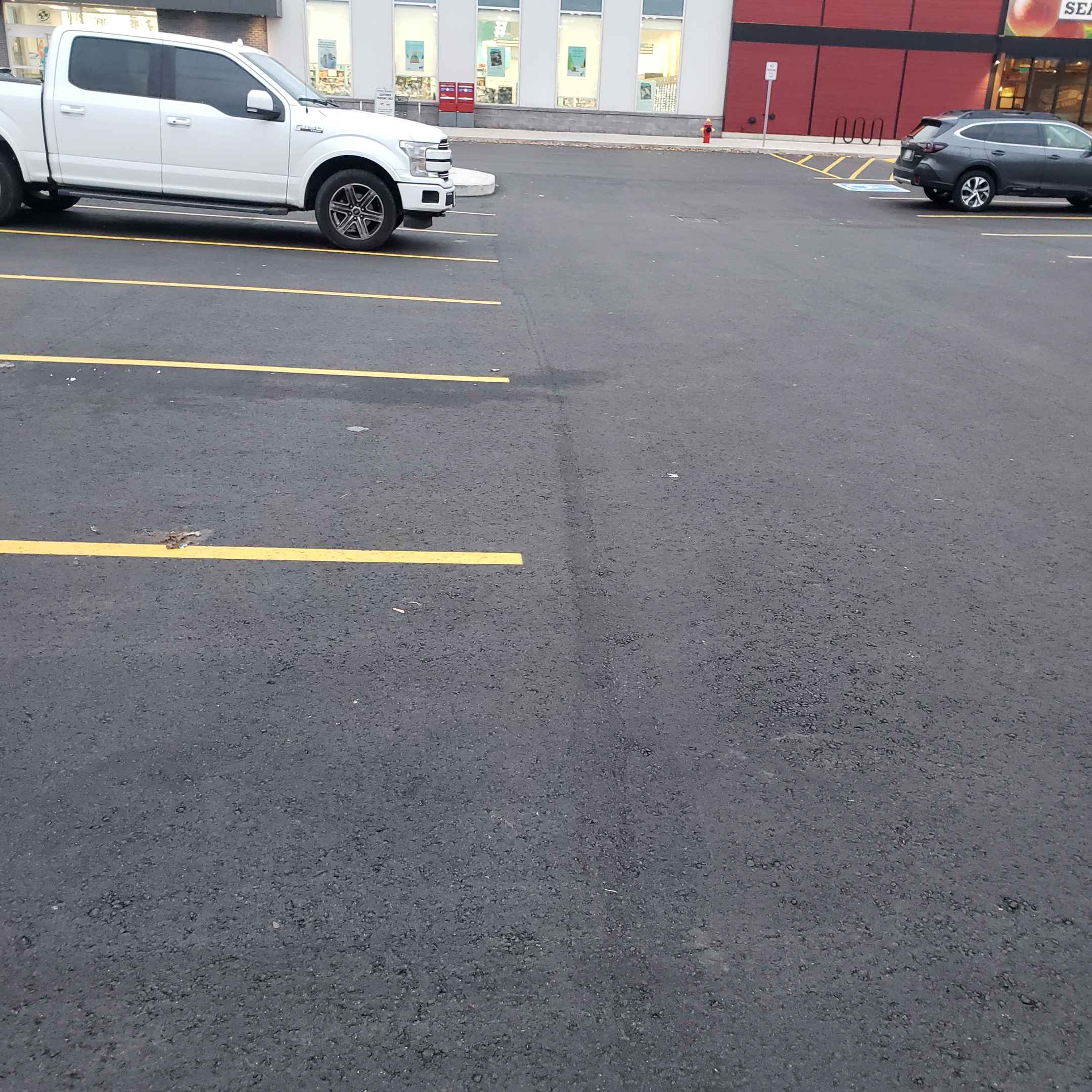
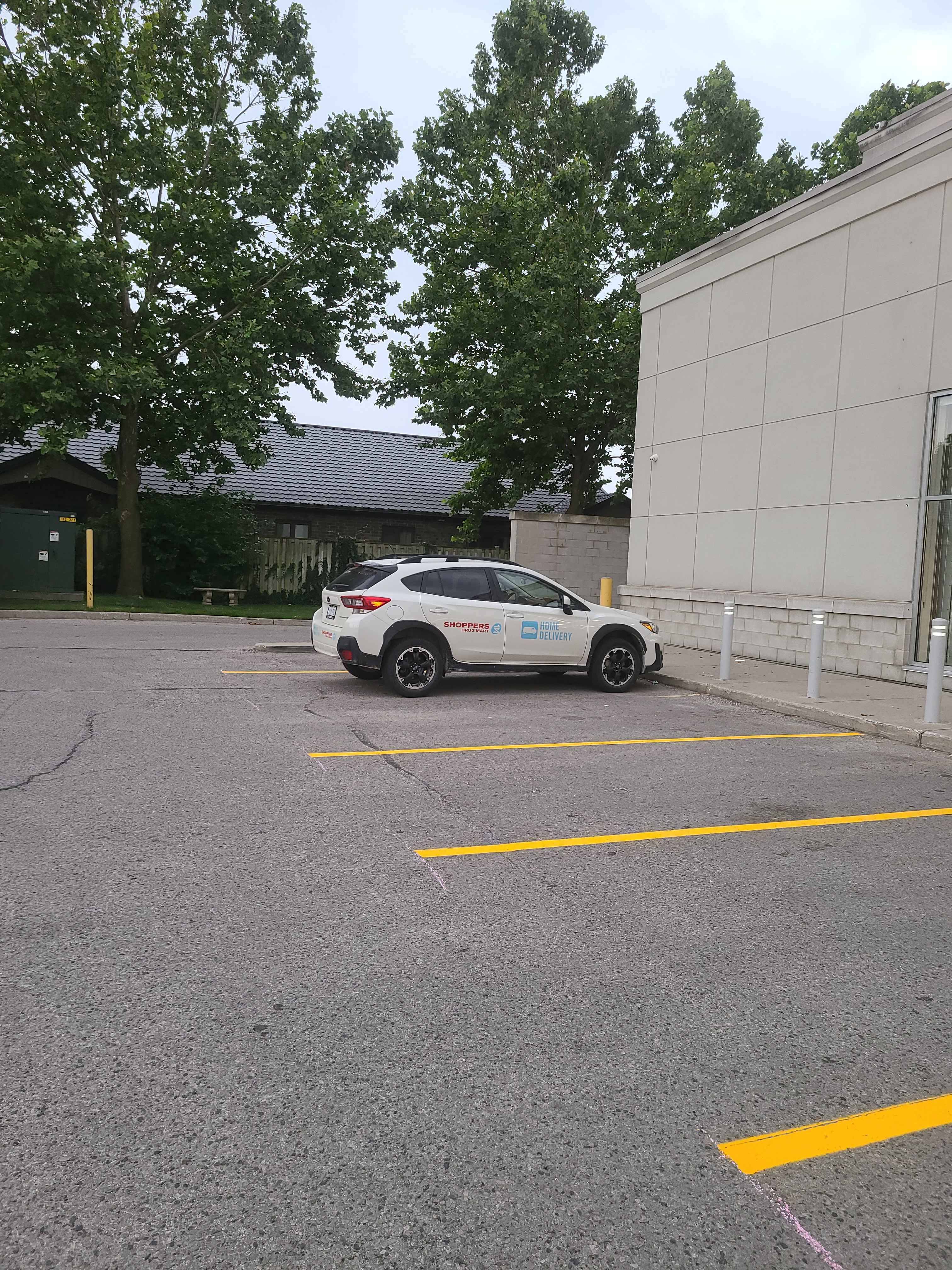
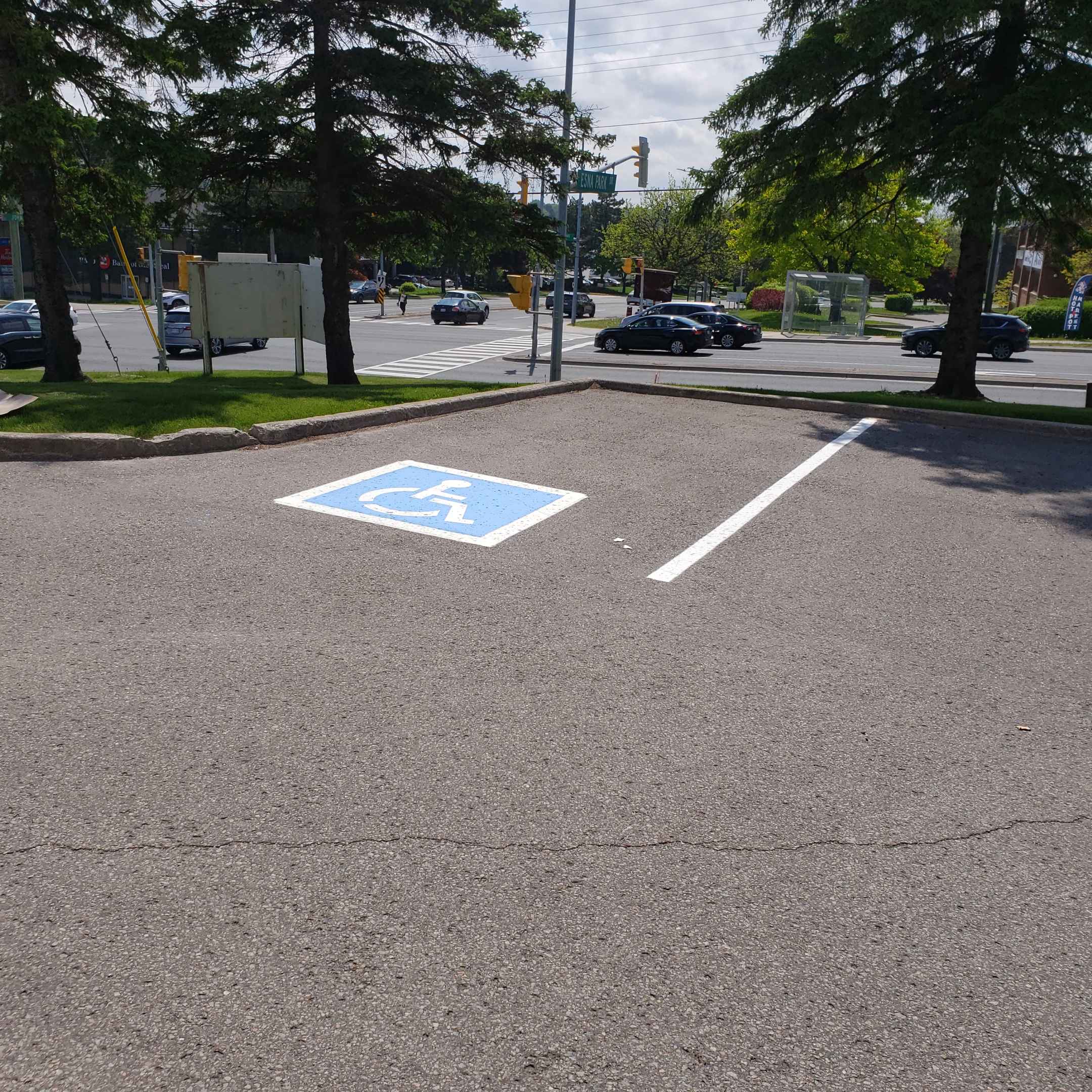
While it may seem purely aesthetic, professional Line Marking plays a role in safety and organization. Clear lines ensure that vehicles follow designated paths, preventing unnecessary stress on certain areas of the pavement and reducing the likelihood of vehicular damage that can cause surface abrasions.
Summary of Maintenance Best Practices
Regular inspections are vital for spotting cracks early.
Sealcoat every 2-3 years to prevent UV damage.
Update your Line Painting to ensure safety and order.
Don't wait for your parking lot to become a liability. Whether you need crack repair, sealcoating, or fresh Line Marking, Capital Parking Lot Line Painting has the expertise to keep your surfaces smooth and durable. Protect your property today to save on massive repairs tomorrow.