The Science Behind Asphalt Cracking and How to Stop It
Understanding the molecular and environmental forces that compromise your pavement is the first step toward long-term durability.
The Anatomy of Asphalt
To understand why asphalt cracks, one must first understand what it is. Asphalt is a composite material consisting of mineral aggregate (stones, sand, and gravel) bound together by a viscous, black, and sticky substance known as bitumen. This bitumen acts as the "glue" that provides flexibility and cohesion.
In a perfect world, this mixture would remain stable for decades. However, asphalt is a living, breathing material that reacts to the environment. For property owners in Milton, a top 30 city in Ontario, the local climate presents unique challenges that accelerate the aging process of this complex material.
The Scientific Drivers of Cracking
Cracking is rarely the result of a single event; rather, it is the culmination of several scientific processes working in tandem.
1. Oxidation and UV Degradation
Asphalt is highly susceptible to oxidation. When exposed to oxygen and ultraviolet (UV) radiation from the sun, the chemical structure of the bitumen changes. The oils within the bitumen begin to evaporate, causing the binder to become brittle. Once the binder loses its elasticity, it can no longer move with the pavement, leading to surface cracks.
2. Thermal Expansion and Contraction
In regions like Milton, the temperature fluctuations between harsh Canadian winters and hot summers are extreme. This causes the pavement to expand when heated and contract when cooled. This constant movement creates internal stress. If the asphalt has already been weakened by oxidation, these thermal cycles will inevitably result in cracks.
3. Moisture Infiltration and Freeze-Thaw Cycles
Water is perhaps the greatest enemy of asphalt. When small cracks form, water seeps into the sub-base. When that water freezes, it expands by approximately 9%, exerting massive upward pressure on the asphalt surface. This process, known as the freeze-thaw cycle, turns minor surface cracks into significant potholes.
Common Types of Asphalt Failure
Identifying the type of crack can help determine the appropriate remedy. Capital Parking Lot Line Painting experts often observe the following patterns:
- Alligator Cracking: Small, interconnected cracks that resemble the skin of an alligator. This usually indicates structural failure in the sub-base.
- Longitudinal Cracking: Cracks that run parallel to the direction of travel, often caused by poor joint construction or temperature changes.
- Transverse Cracking: Cracks that run perpendicular to the direction of travel, typically caused by thermal contraction.
- Block Cracking: Large, rectangular cracks caused by the aging and oxidation of the binder.
How to Stop the Decay: Preventative Strategies
While you cannot stop the laws of physics, you can certainly mitigate their impact. Professional maintenance is the most effective way to protect your investment. Capital Parking Lot Line Painting recommends a proactive rather than reactive approach.
Crack Sealing
The most immediate way to prevent moisture infiltration is through professional crack sealing. By filling existing cracks with a flexible, rubberized sealant, you create a waterproof barrier that prevents the freeze-thaw cycle from destroying your sub-base.
Sealcoating
Sealcoating acts as a sacrificial layer. It protects the asphalt from UV rays and oxidation, effectively slowing down the chemical breakdown of the bitumen. Regular sealcoating ensures that the sun attacks the coating rather than your actual pavement.
Line Marking and Safety
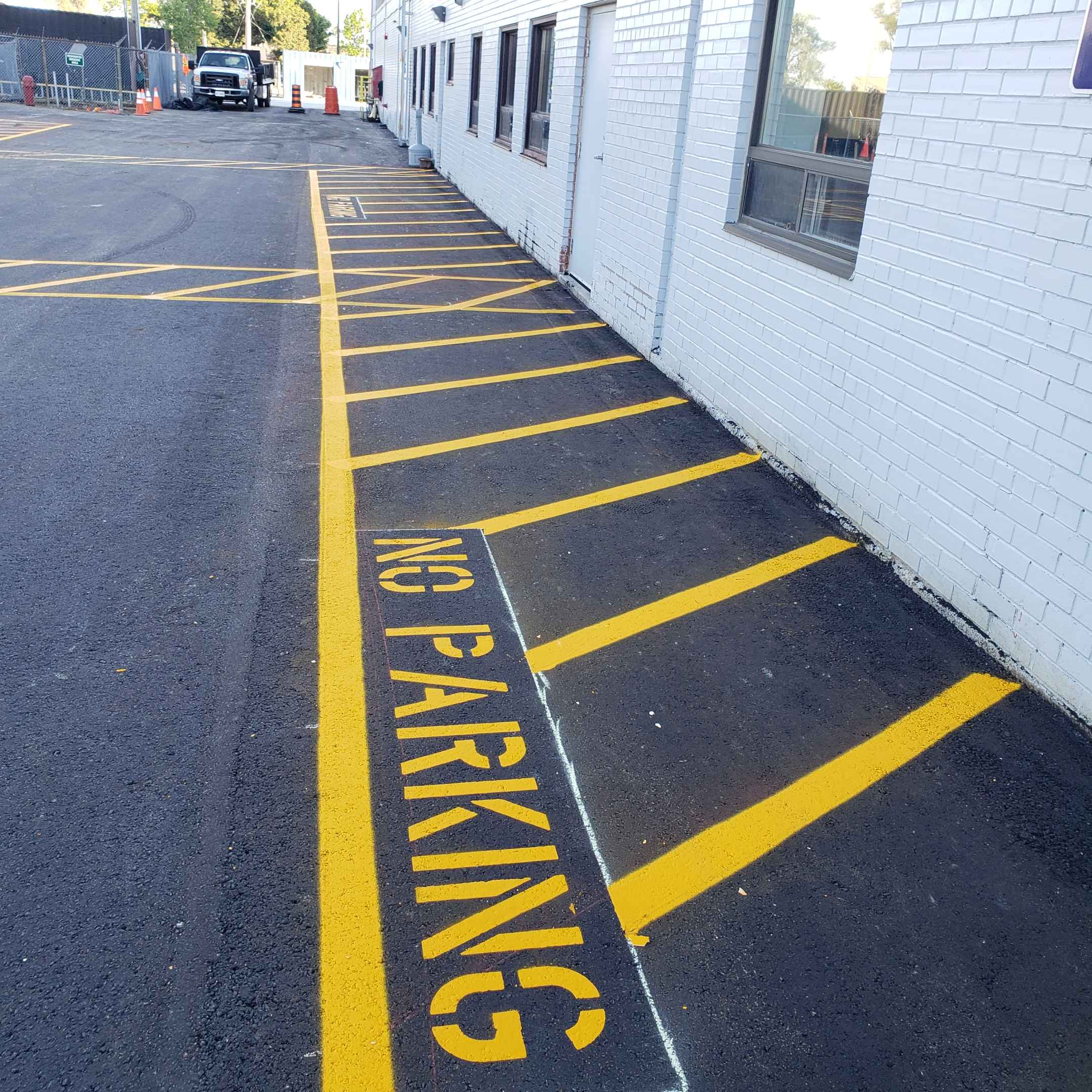
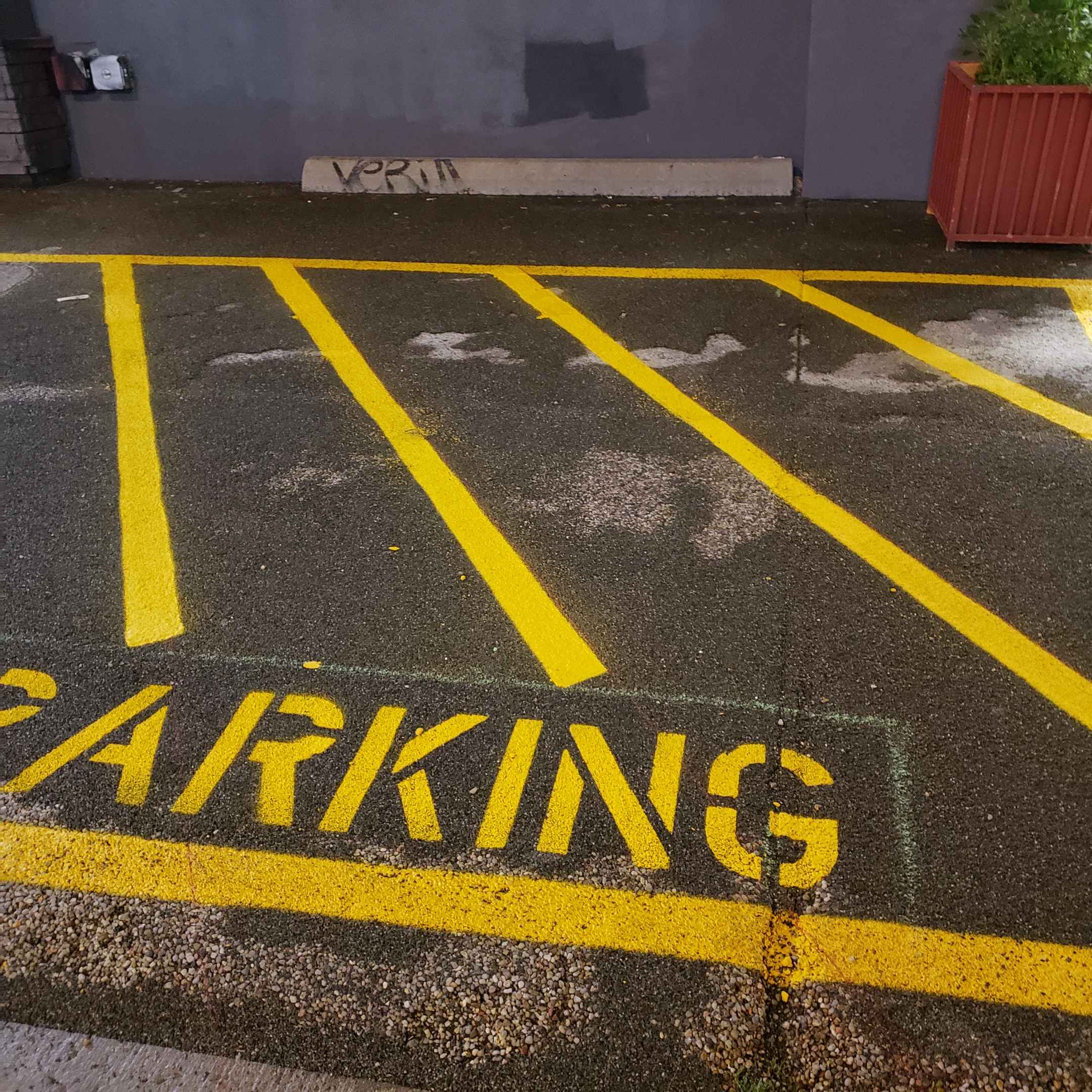
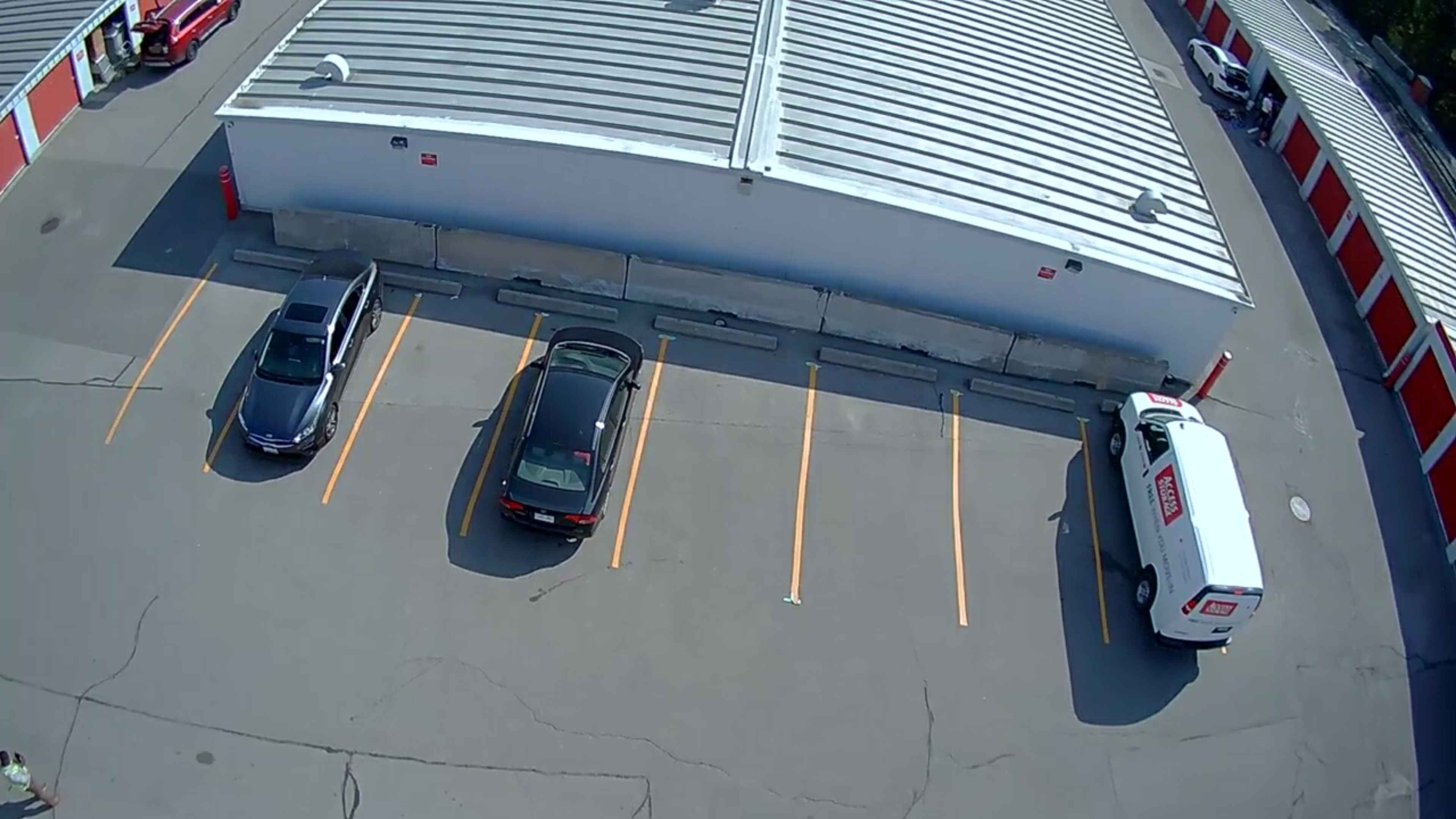
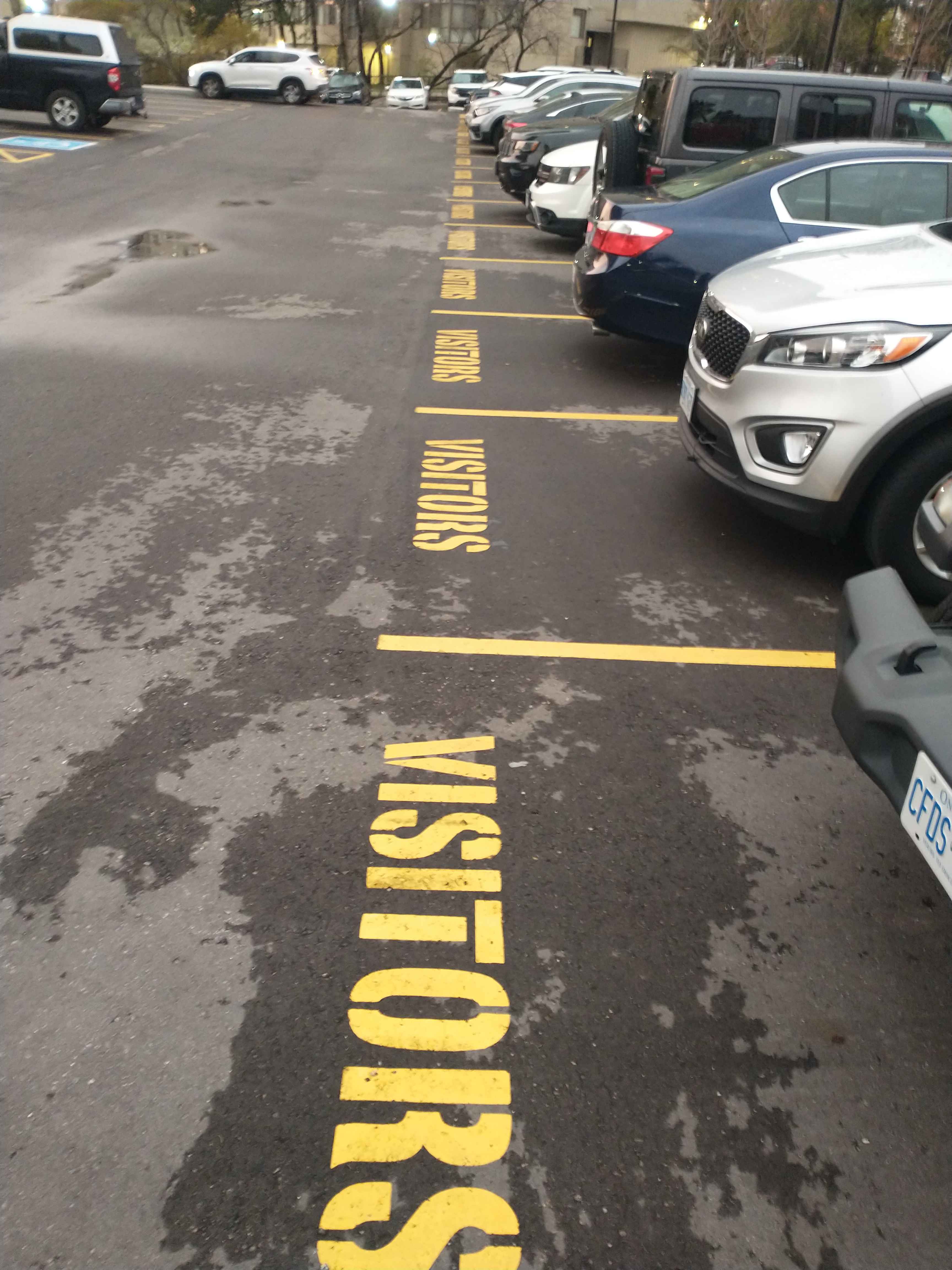
A well-maintained lot isn't just about the pavement; it's about clarity and safety. Utilizing professional Line Marking services ensures that parking stalls, pedestrian walkways, and directional arrows are highly visible, reducing accidents and improving traffic flow.
Summary of Best Practices
To ensure your parking lot remains in peak condition, remember these key steps:
- Inspect your pavement annually for signs of oxidation or small cracks.
- Seal cracks immediately before the winter season begins.
- Apply high-quality sealcoating every 2-3 years.
- Keep Line Painting fresh to maintain professional aesthetics and safety.
Trust the Experts
Maintaining an asphalt surface requires specialized knowledge and equipment. Capital Parking Lot Line Painting is dedicated to providing high-quality maintenance solutions that stand the test of time and weather. Don't wait for a small crack to become a costly repair.