The Science Behind Asphalt Cracking and How to Stop It
Understanding the structural integrity of your pavement is the first step toward long-term durability and safety.
Every property owner in Oakville knows the frustration of seeing tiny fissures appear in their parking lot. What starts as a hairline fracture can quickly escalate into a network of deep cracks that compromise the entire structure. But why does this happen? It isn't just bad luck; it is a complex interplay of chemistry, physics, and environmental stressors. At Capital Parking Lot Line Painting, we have seen firsthand how understanding these scientific principles can save property owners significant time and effort in the long run.
The Chemistry of Asphalt: Why It Cracks
Asphalt is a composite material consisting of mineral aggregate bound together by bitumen. Bitumen is a viscoelastic material, meaning it possesses both viscous (fluid-like) and elastic (solid-like) properties. This duality is what allows asphalt to flex under the weight of vehicles, but it is also its greatest vulnerability.
1. Oxidation and Ageing
When asphalt is exposed to the sun, ultraviolet (UV) radiation triggers a chemical process called oxidation. This process causes the bitumen to lose its oils, making it brittle. As the binder loses its ability to remain flexible, the pavement can no longer accommodate thermal expansion and contraction, leading to surface cracks.
2. Thermal Expansion and Contraction
In a climate like ours in Oakville, the temperature swings between freezing winters and hot summers are extreme. The asphalt expands when heated and contracts when cooled. If the bitumen has been weakened by oxidation, these movements cause the material to snap rather than bend.
Common Types of Asphalt Cracks
To stop the damage, you must first identify the type of cracking occurring. Not all cracks are created equal, and each requires a different remedial approach.
- Alligator Cracking: Small, interconnected cracks that resemble the skin of an alligator. This is a sign of structural failure, usually due to a weakened base layer.
- Longitudinal Cracking: Cracks that run parallel to the direction of travel. These often occur due to poor joint construction or temperature changes.
- Transverse Cracking: Cracks that run perpendicular to the direction of travel, typically caused by thermal stresses.
- Block Cracking: Large, rectangular cracks that appear in patterns, often a result of the oxidation process mentioned earlier.
How to Prevent and Stop the Damage
The good news is that cracking is not inevitable. Proactive maintenance is the most effective way to extend the lifespan of your asphalt. Capital Parking Lot Line Painting recommends a multi-tiered approach to pavement preservation.
Sealcoating: The First Line of Defense
Sealcoating acts as a protective shield against UV rays and moisture. By applying a high-quality sealant, you effectively "re-oil" the surface and prevent oxygen from penetrating the bitumen. This significantly slows down the oxidation process.
Crack Filling and Repair
Once a crack appears, it must be addressed immediately. If water enters a crack, it can seep into the sub-base, causing the ground to shift and creating even larger voids. Professional crack filling uses specialized rubberized materials that expand and contract with the temperature, creating a watertight seal.
Aesthetic Maintenance: Line Marking
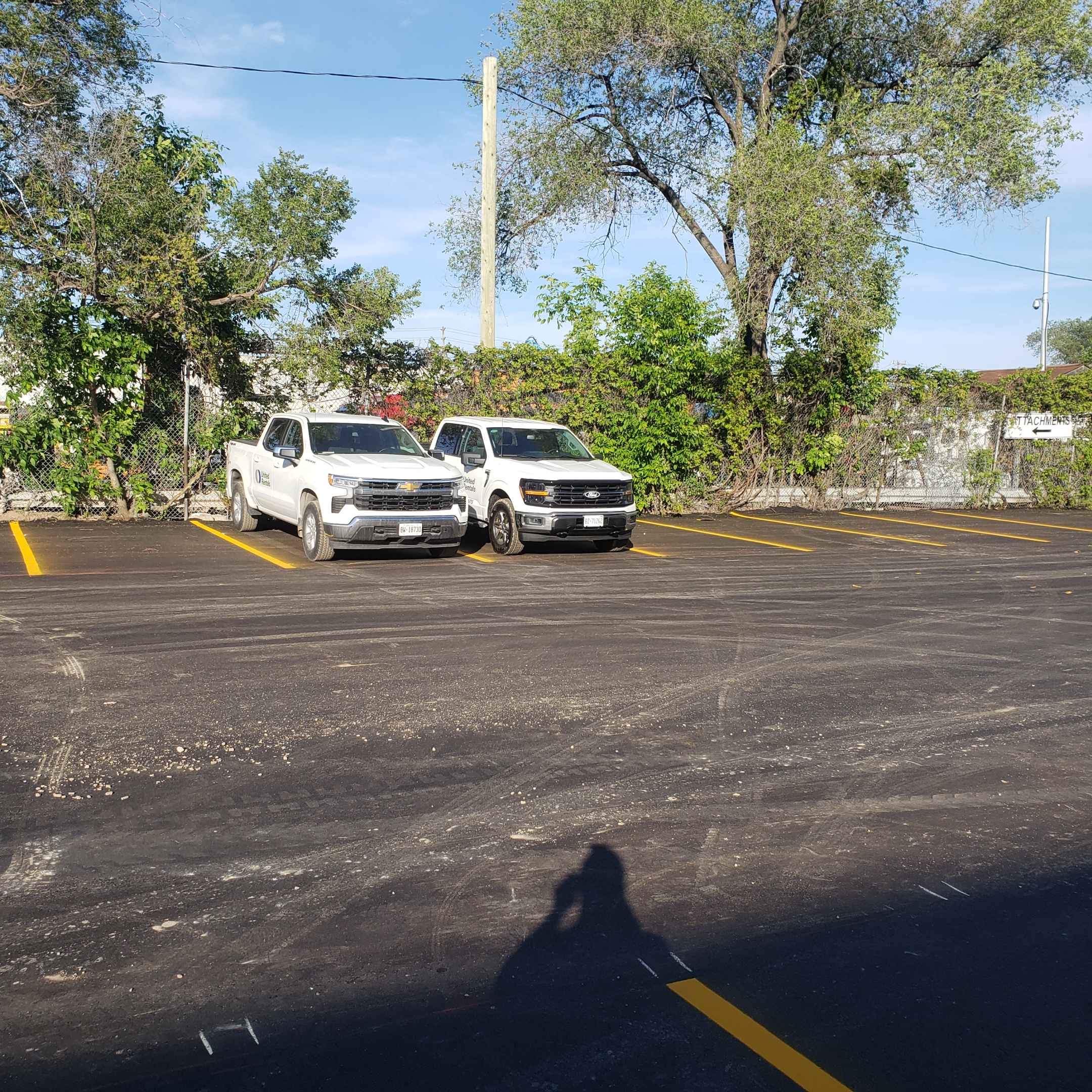
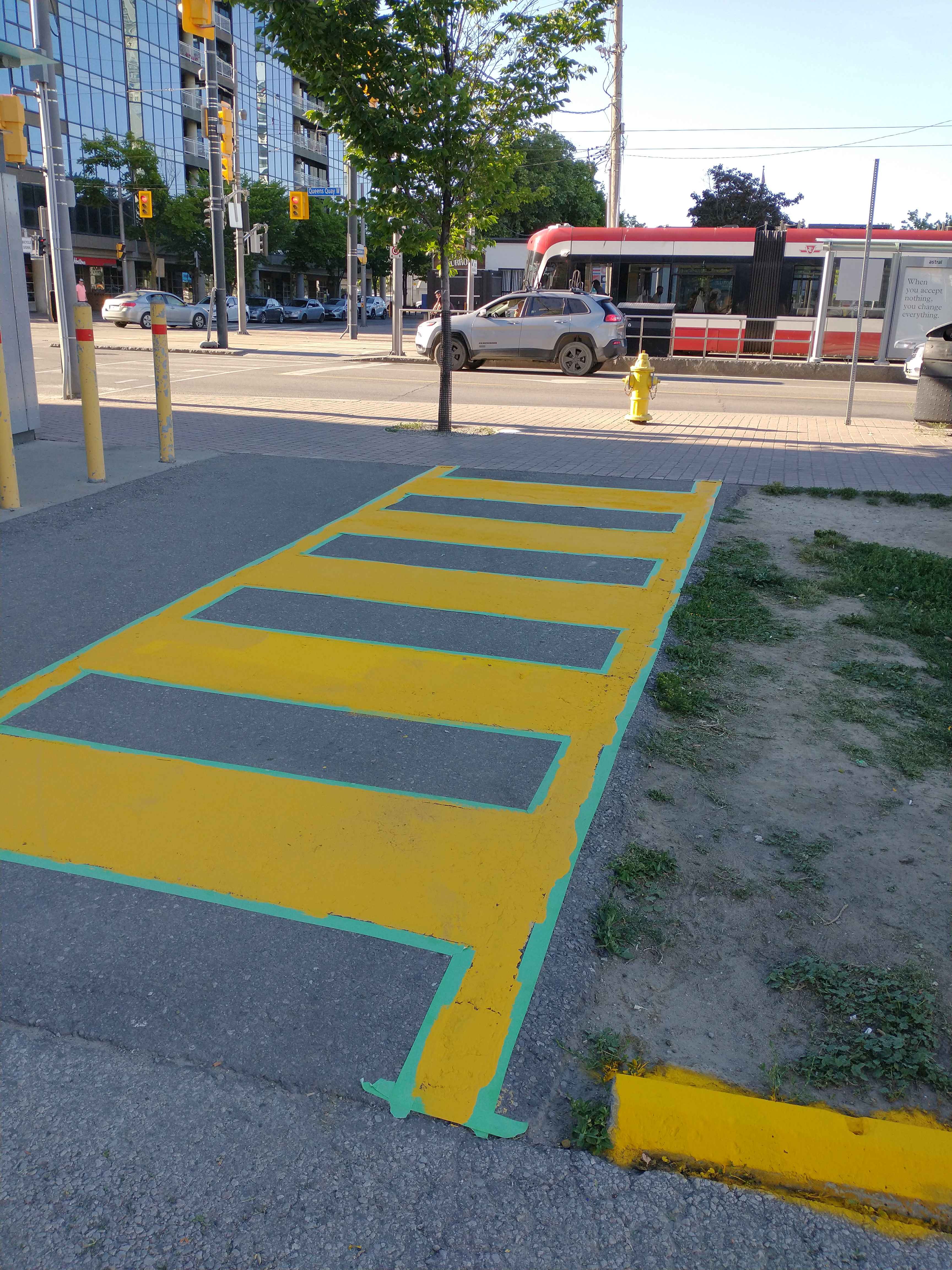
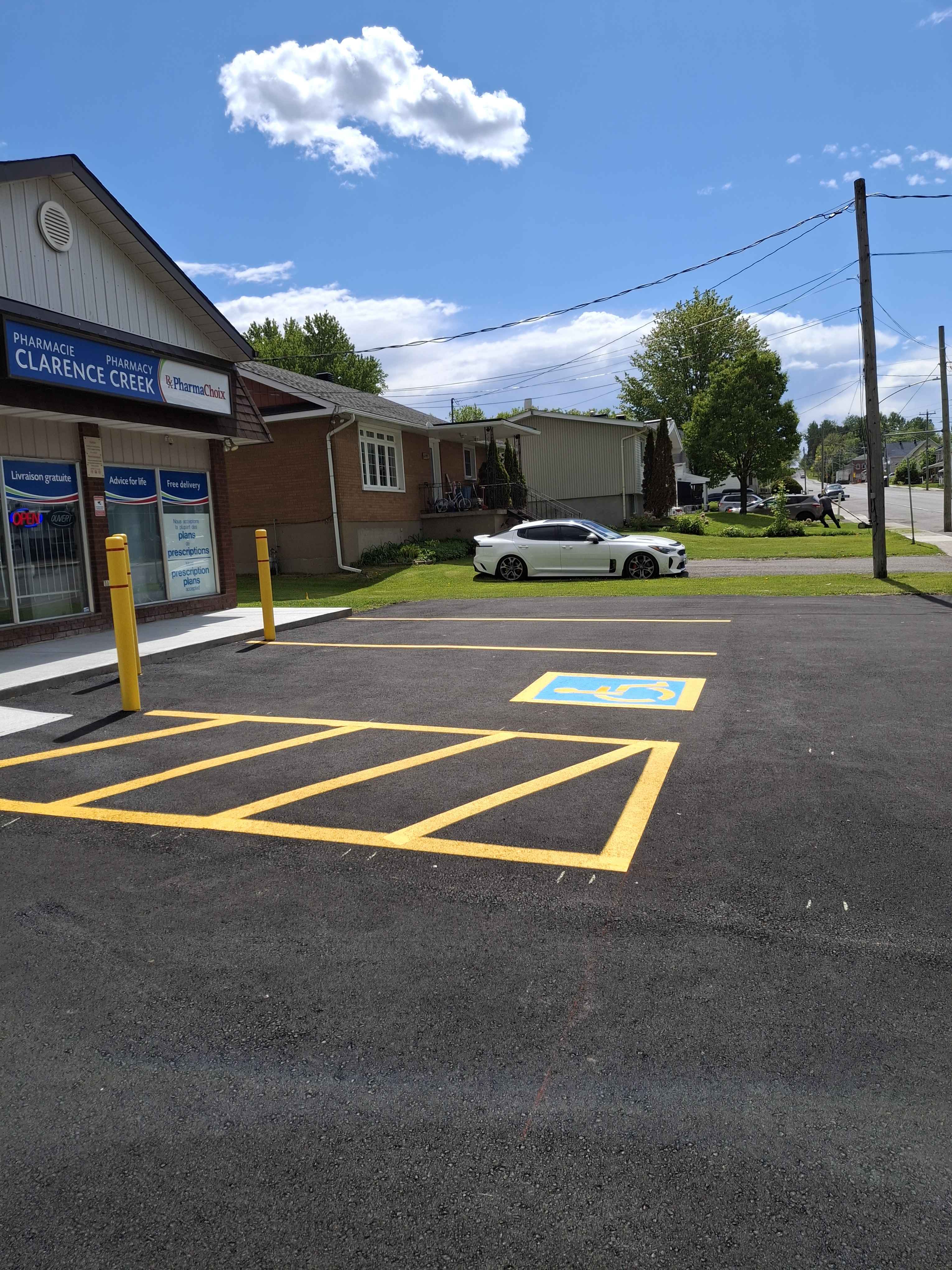
While structural integrity is paramount, visibility and organization are equally important for safety. Once your repairs are complete, fresh Line Marking ensures that parking stalls, pedestrian walkways, and directional arrows are clearly visible. This not only improves traffic flow but also enhances the professional appearance of your property.
The Professional Advantage
Attempting DIY asphalt repairs can often lead to more harm than good. Improperly applied sealants or incorrect crack-filling materials can lead to premature failure. Partnering with experts like Capital Parking Lot Line Painting ensures that the science is applied correctly to your specific site conditions.
Need Expert Asphalt Care?
Don't wait for the cracks to become costly structural issues. Contact our team for professional assessments and maintenance solutions.