The Science Behind Asphalt Cracking and How to Stop It
Understanding the structural integrity of your pavement is the first step toward long-term durability and cost-effective maintenance.
Every property owner in Oshawa knows the frustration of seeing a smooth driveway or parking lot suddenly transform into a spiderweb of fractures. While it might look like simple wear and tear, asphalt cracking is actually a complex scientific phenomenon driven by environmental, chemical, and structural factors. At Capital Parking Lot Line Painting, we believe that understanding the "why" behind the cracks is essential for implementing the right preventative measures.
Asphalt is a viscoelastic material, meaning it possesses both viscous (liquid-like) and elastic (solid-like) properties. This duality is what allows it to support heavy vehicle loads while remaining flexible enough to handle temperature changes. However, when the balance of these properties is disrupted, cracking becomes inevitable.
The Primary Drivers of Asphalt Failure
To stop cracking, we must first categorize the types of stress being applied to the pavement. Not all cracks are created equal, and identifying the pattern can tell you exactly what is happening beneath the surface.
1. Thermal Cracking (Temperature Fluctuations)
In regions like Oshawa, where seasonal temperature swings can be extreme, thermal cracking is a major culprit. When the temperature drops significantly, the asphalt binder contracts. If the contraction is greater than the material's ability to stretch, it pulls apart, creating transverse cracks (cracks running perpendicular to the direction of travel).
2. Fatigue Cracking (Structural Load)
Often referred to as "alligator cracking" due to its resemblance to reptile skin, this type of cracking is caused by repeated heavy loads. When the sub-base beneath the asphalt is weak or has been compromised by water, the asphalt flexes too much under vehicle weight, eventually snapping the binder and creating a network of small, interconnected cracks.
3. Oxidation and UV Degradation
Sunlight is a silent enemy. Ultraviolet (UV) rays break down the chemical bonds in the bitumen (the black glue that holds the rocks together). As the binder oxidizes, it becomes brittle. A brittle surface cannot move with the ground, leading to surface crazing and longitudinal cracks.
Proactive Maintenance Matters
Don't wait for the pavement to crumble. Regular inspections and professional interventions from Capital Parking Lot Line Painting can extend the life of your surface by years.
How to Stop and Prevent Asphalt Cracking
Prevention is always more effective than repair. By addressing the root causes identified above, you can create a resilient surface that withstands the elements.
The Preventative Maintenance Checklist
- Sealcoating: Applying a protective layer to block UV rays and prevent oxidation.
- Crack Sealing: Filling small cracks with rubberized sealant to prevent water from reaching the sub-base.
- Proper Drainage: Ensuring water flows away from the pavement to prevent sub-grade softening.
- Load Management: Limiting heavy vehicle traffic to specific reinforced areas.
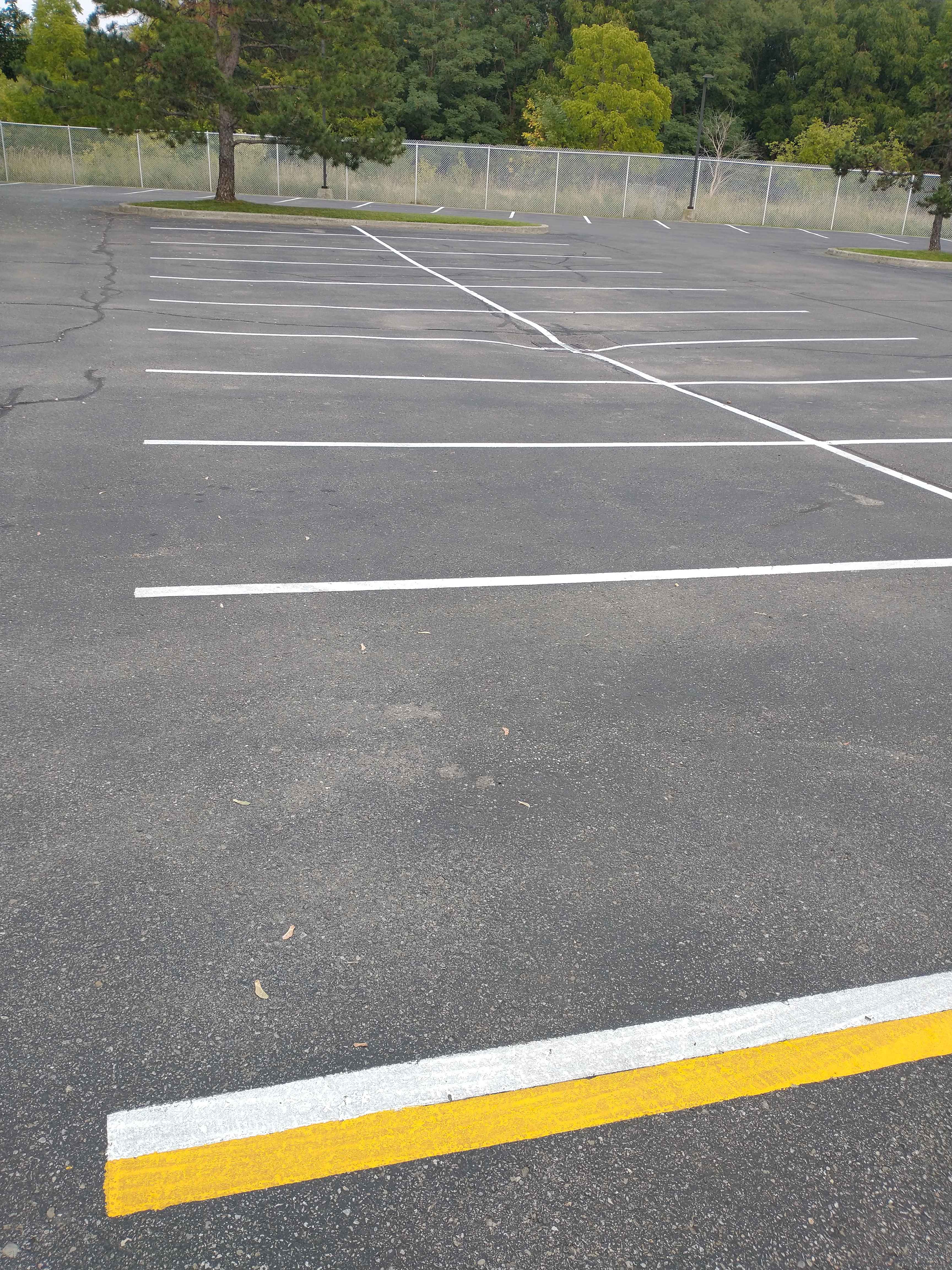
- Regular Line Marking: Keeping lines visible not only aids safety but also helps define traffic patterns to reduce uneven wear.
When cracks do appear, immediate action is required. If water enters a crack, it can seep into the base material, washing away the soil and creating voids. This leads to potholes, which are the final stage of asphalt failure. Capital Parking Lot Line Painting specializes in identifying these early warning signs before they turn into structural disasters.
The Role of Professional Aesthetics and Safety
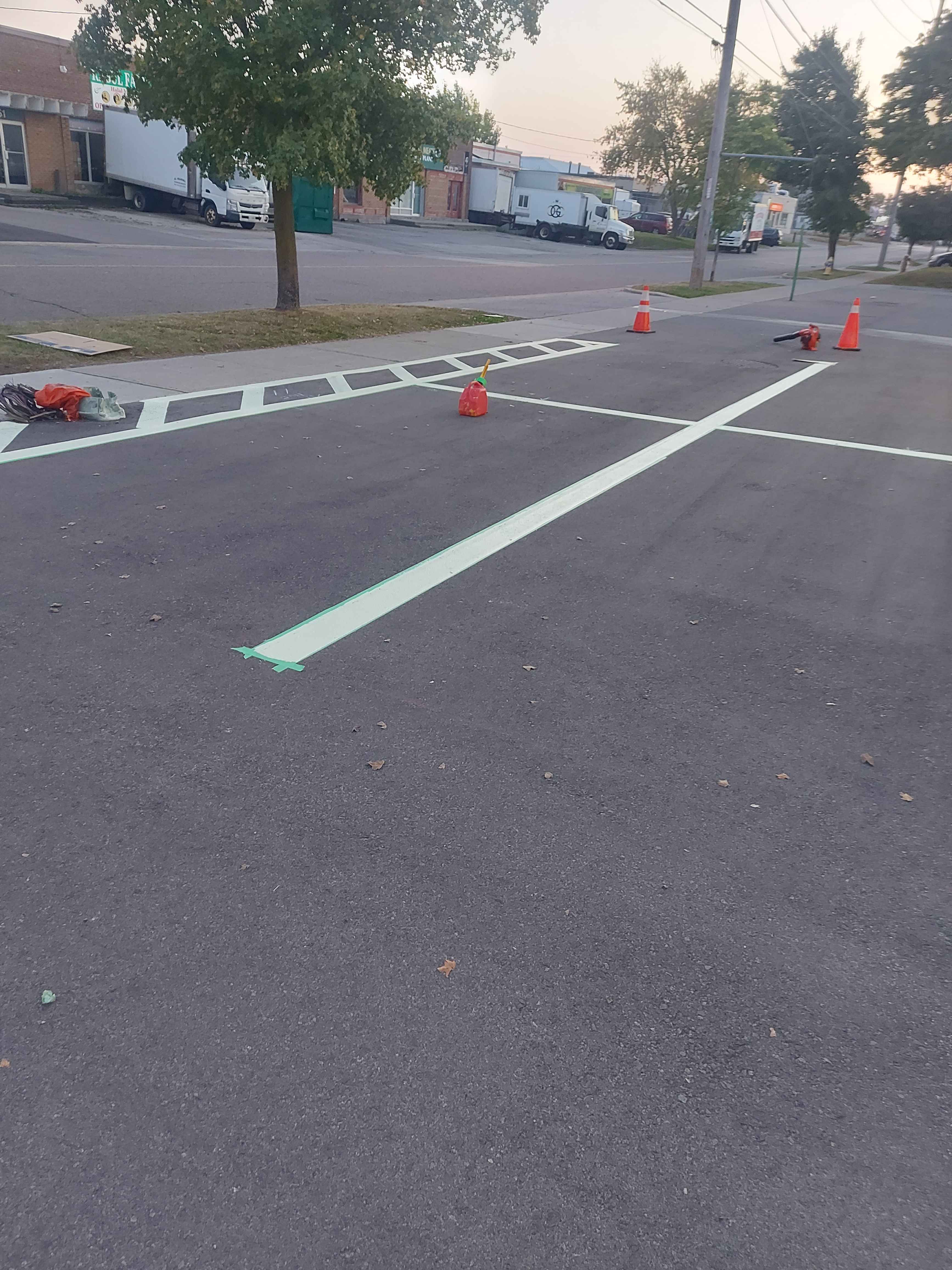
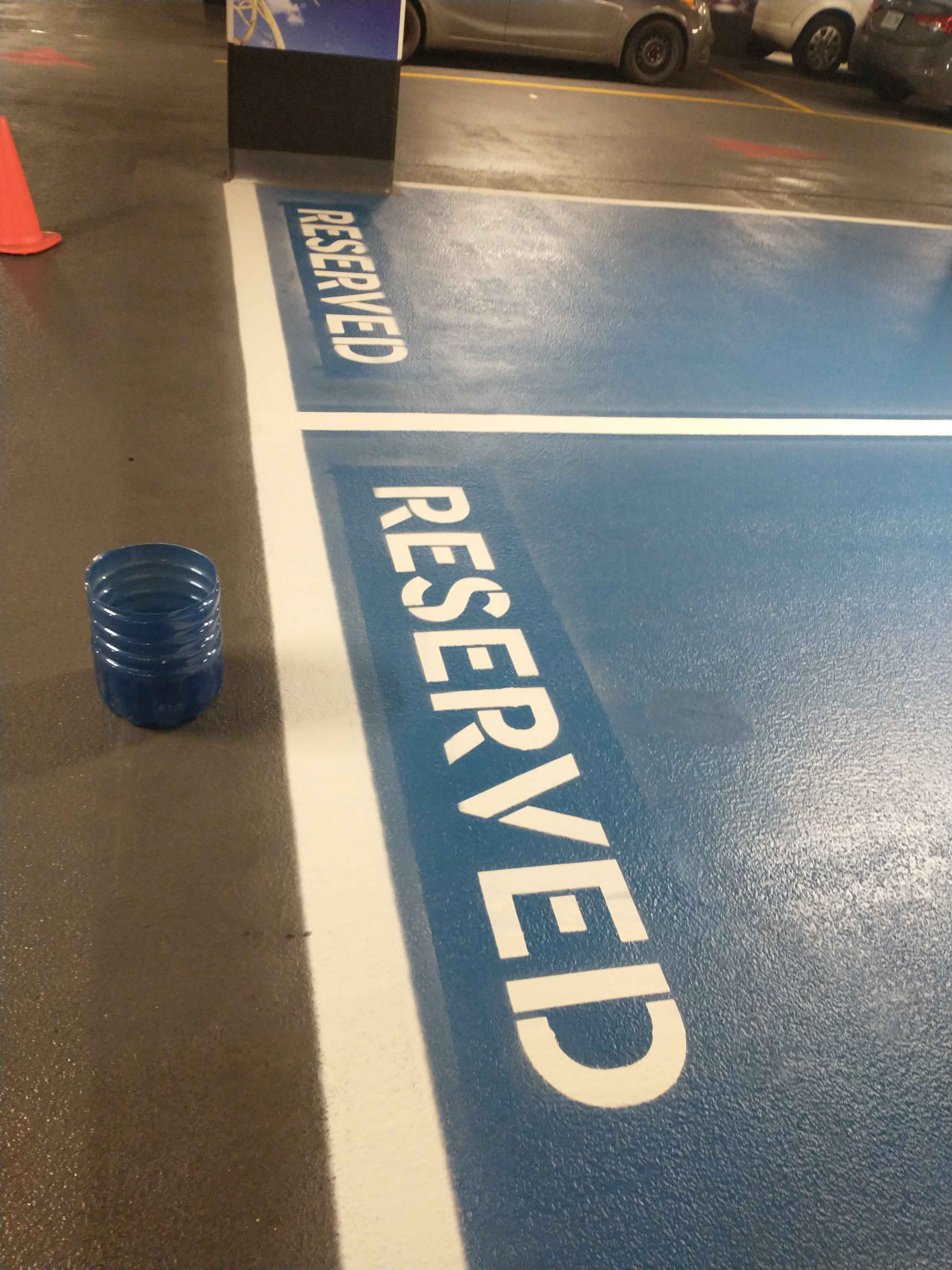
While the science of asphalt focuses on the blacktop, the visibility of your facility is just as important. Once your cracks are repaired and your surface is sealed, the next step is clarity. High-quality Line Marking ensures that parking stalls, fire lanes, and pedestrian walkways are clearly defined. This prevents driver confusion and reduces the likelihood of vehicles driving over unsealed or newly repaired areas prematurely.