The Science Behind Asphalt Oxidation and How Sealcoating Helps
Understanding the chemical breakdown of your pavement is the first step toward long-term durability and cost-effective maintenance.
If you walk through a parking lot in Barrie, you might notice a striking difference between a brand-new driveway and one that has been exposed to the elements for several years. The newer surface is a rich, deep charcoal black, while the older surface appears light grey, brittle, and weathered. This isn't just a change in color; it is a visible sign of a chemical phenomenon known as oxidation.
At Capital Parking Lot Line Painting, we see the consequences of oxidation every day. While it might seem like a cosmetic issue, oxidation is actually the beginning of the end for asphalt integrity if left unchecked. To protect your property, it is essential to understand the science of what is happening beneath your tires.
What is Asphalt Oxidation?
Asphalt is a composite material consisting of mineral aggregate (rocks and sand) bound together by a sticky, black, highly viscous substance called bitumen. Bitumen is a hydrocarbon-based binder that provides the flexibility and waterproofing necessary to keep the pavement strong.
Oxidation occurs when the bitumen is exposed to oxygen, ultraviolet (UV) radiation from the sun, and moisture. This chemical reaction causes the lighter molecular weight components of the bitumen to evaporate or break down. As these components vanish, the binder loses its ability to remain flexible. The result is a hardened, brittle surface that can no longer expand and contract with temperature changes.
The Role of UV Radiation and Temperature
In a top 30 city like Barrie, our pavement faces extreme seasonal shifts. The intense UV rays during the summer months act as a catalyst for oxidation, breaking the chemical bonds in the bitumen. When winter arrives, the brittle, oxidized asphalt cannot handle the freeze-thaw cycles. Instead of flexing, the hardened surface cracks, allowing water to seep into the sub-base, leading to potholes and structural failure.
The Domino Effect of Neglect
Once oxidation begins, it triggers a destructive cycle. As the bitumen hardens, micro-cracks form on the surface. These cracks act as entry points for water and chemicals. Once moisture enters the cracks, it weakens the foundation, leading to larger cracks, raveling (where the aggregate starts to come loose), and eventually, complete pavement failure.
This is where professional intervention becomes critical. Capital Parking Lot Line Painting recommends a proactive approach to stop this cycle before it requires a full, expensive repaving.
Why Sealcoating is Your Best Defense
Sealcoating acts as a sacrificial barrier. It is a protective layer applied to the surface of the asphalt that takes the brunt of the environmental damage so the asphalt itself doesn't have to.
Benefits of Regular Sealcoating
Applying a high-quality sealant provides several layers of protection that extend the life of your pavement significantly. Here are the primary advantages:
- UV Protection: The sealant absorbs the sun's UV rays, preventing the bitumen underneath from oxidizing.
- Waterproofing: It creates a water-resistant seal that prevents moisture from penetrating cracks and the sub-base.
- Chemical Resistance: Sealcoating helps protect the surface from oil, gas, and salt spills.
- Aesthetic Renewal: It restores the deep black color, providing a clean, professional look for your business.
- Crack Mitigation: By keeping the binder flexible, it prevents the formation of micro-cracks.
Beyond Protection: The Importance of Visibility
A well-maintained parking lot is not just about the surface; it is about safety and organization. As the asphalt fades due to oxidation, your existing markings become difficult to see. This can lead to confusion, safety hazards, and even legal liabilities for property owners.
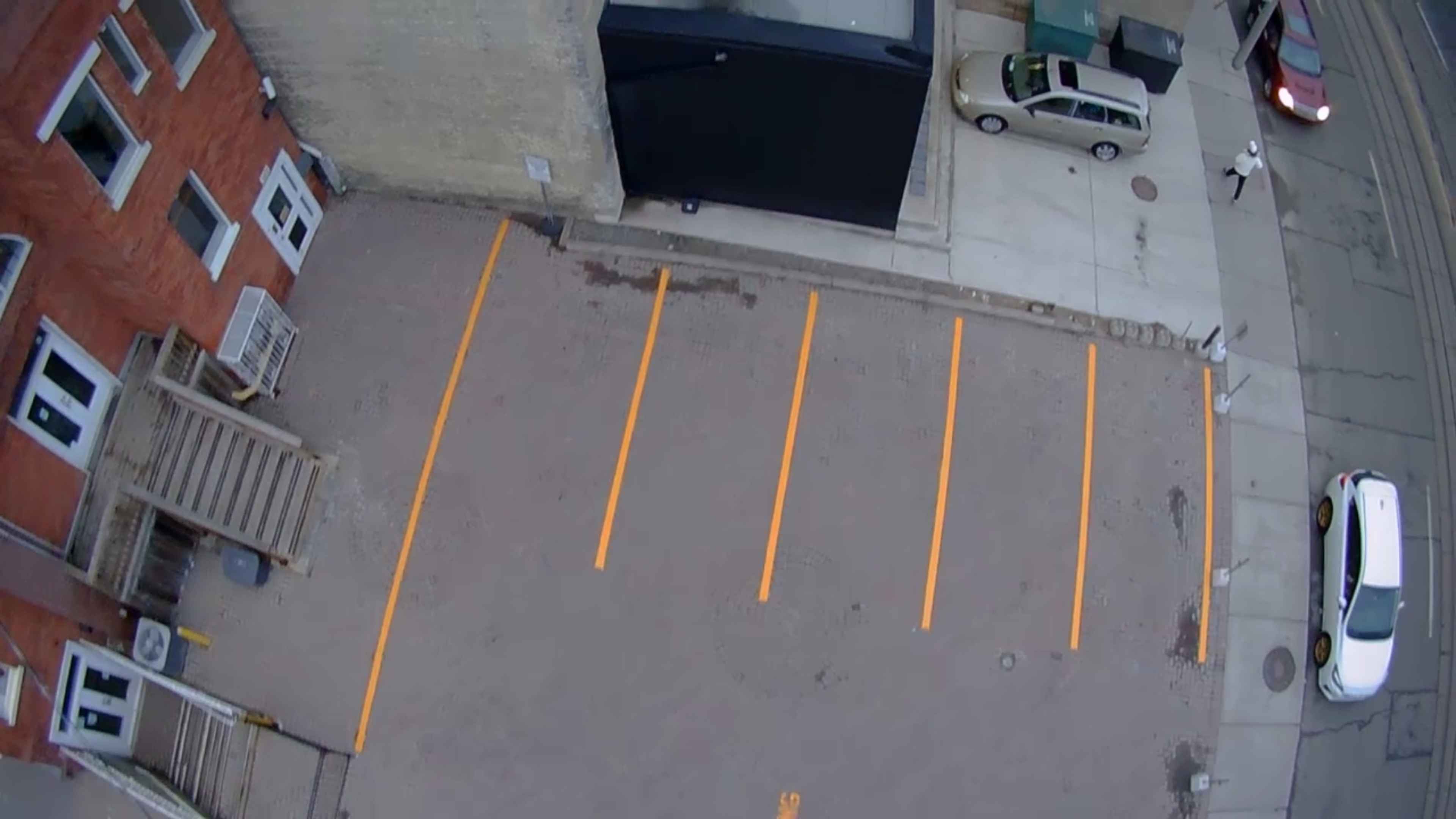
After sealcoating, it is the perfect time to refresh your markings. Capital Parking Lot Line Painting specializes in high-visibility Line Painting and Line Marking services. Fresh, crisp lines against a newly sealed black surface ensure that your parking lot is both beautiful and functional.
Conclusion
Oxidation is an inevitable scientific process, but it doesn't have to mean the end of your pavement. By understanding how UV rays and oxygen degrade your bitumen, you can make informed decisions about maintenance. Regular sealcoating is the most effective way to combat oxidation, preserve flexibility, and protect your investment.
Don't wait for the cracks to appear. Contact Capital Parking Lot Line Painting today to schedule a consultation and keep your surfaces looking their best for years to come.