The Science Behind Asphalt Oxidation and How Sealcoating Helps
Understanding the chemical battle occurring beneath your tires and how to win it.
If you walk through a commercial parking lot in Brampton, you might notice a stark difference between a brand-new driveway and one that has been exposed to the elements for several years. The most obvious sign of aging is color: the deep, rich charcoal black of fresh asphalt gradually fades into a brittle, light gray. While many property owners assume this is simply "wear and tear," the reality is a complex chemical process known as oxidation.
At Capital Parking Lot Line Painting, we see the consequences of oxidation every day. It isn't just an aesthetic issue; it is a structural threat that, if left unaddressed, can lead to costly repairs and total pavement failure.
What is Asphalt Oxidation?
To understand oxidation, we first have to look at what asphalt is actually made of. Asphalt is a composite material consisting of mineral aggregate (stones, sand, and gravel) bound together by a sticky, black, viscous substance called bitumen.
Bitumen is a hydrocarbon. Like many organic compounds, it is highly reactive to its environment. When asphalt is exposed to ultraviolet (UV) radiation from the sun and oxygen from the atmosphere, a chemical reaction occurs. The oxygen molecules react with the hydrocarbons in the bitumen, breaking down the molecular chains that give the binder its flexibility and adhesive properties.
The Role of UV Radiation and Oxygen
The sun acts as a catalyst in this process. UV rays penetrate the surface of the asphalt, providing the energy required to break the chemical bonds within the bitumen. As these bonds break, the bitumen loses its ability to remain flexible. It becomes harder, more brittle, and loses its ability to "self-heal" or move slightly with temperature fluctuations. This is why oxidized asphalt often looks gray—the oils that provide the dark color have been chemically altered and evaporated.
The Lifecycle of Degradation
Oxidation doesn't happen overnight, but it follows a predictable and destructive path. Once the bitumen becomes brittle, the pavement can no longer handle the mechanical stress of vehicles driving over it. This leads to several common issues:
- Micro-cracking: Tiny fissures appear on the surface as the binder loses elasticity.
- Raveling: The aggregate (stones) begins to break loose from the surface because the binder can no longer hold them in place.
- Alligator Cracking: Small cracks interconnect to form a pattern resembling reptile skin, signaling deep structural fatigue.
- Water Infiltration: Once cracks form, water enters the sub-base, leading to potholes and total base failure.
How Sealcoating Acts as a Chemical Shield
This is where professional maintenance becomes essential. Sealcoating is not merely a "paint job" for your driveway; it is a protective barrier designed to halt the oxidation process in its tracks. A high-quality sealer creates a sacrificial layer that takes the brunt of UV exposure and oxygen contact, preserving the integrity of the underlying asphalt.
By applying a sealant, you are essentially replenishing the surface and providing a moisture barrier. This is particularly important in high-traffic areas in Brampton, where seasonal temperature shifts and salt usage can accelerate the degradation of the pavement.
At Capital Parking Lot Line Painting, we recommend sealcoating as part of a proactive maintenance cycle rather than a reactive repair strategy. Preventing oxidation is significantly more effective than trying to fix a crumbling parking lot.
The Importance of Professional Line Marking
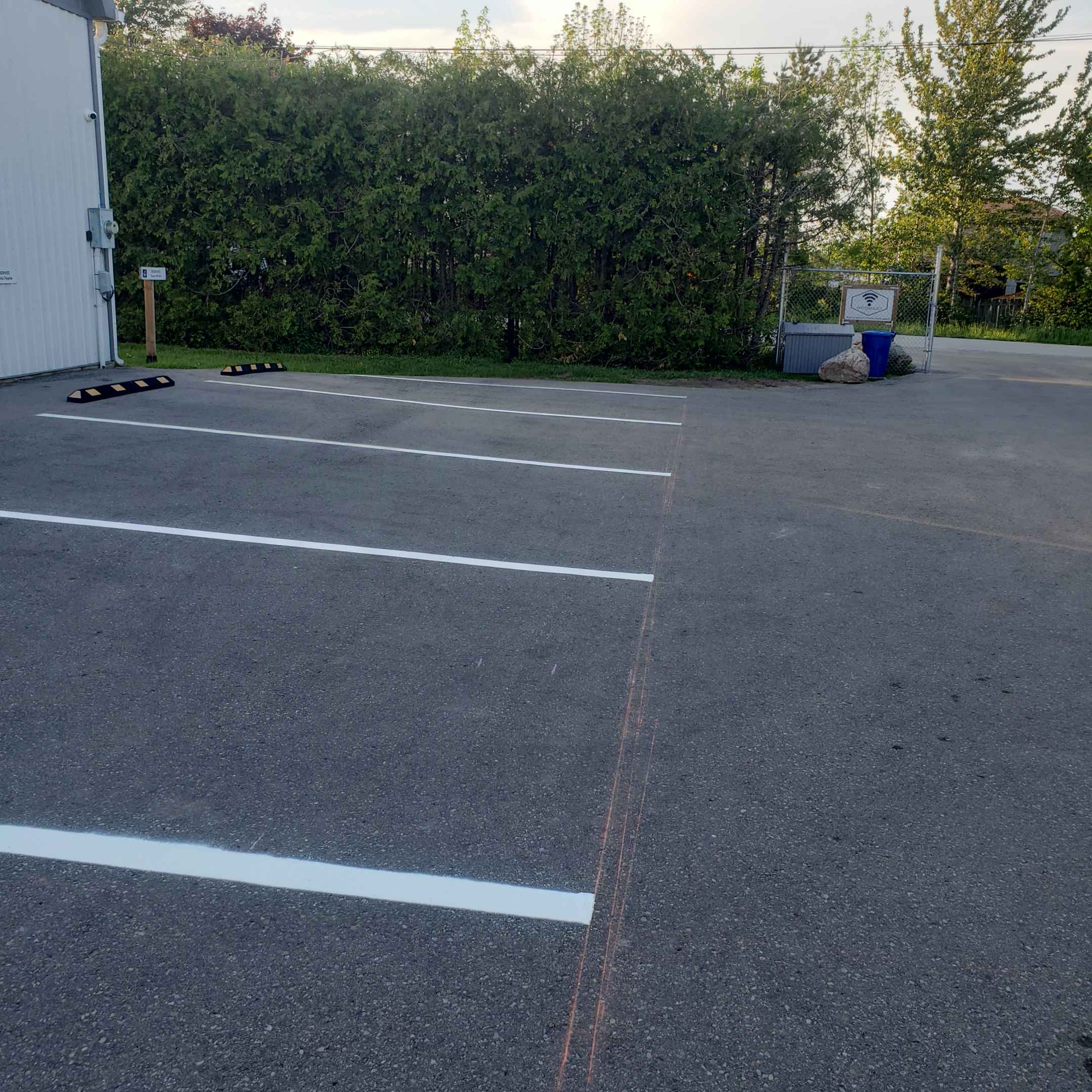
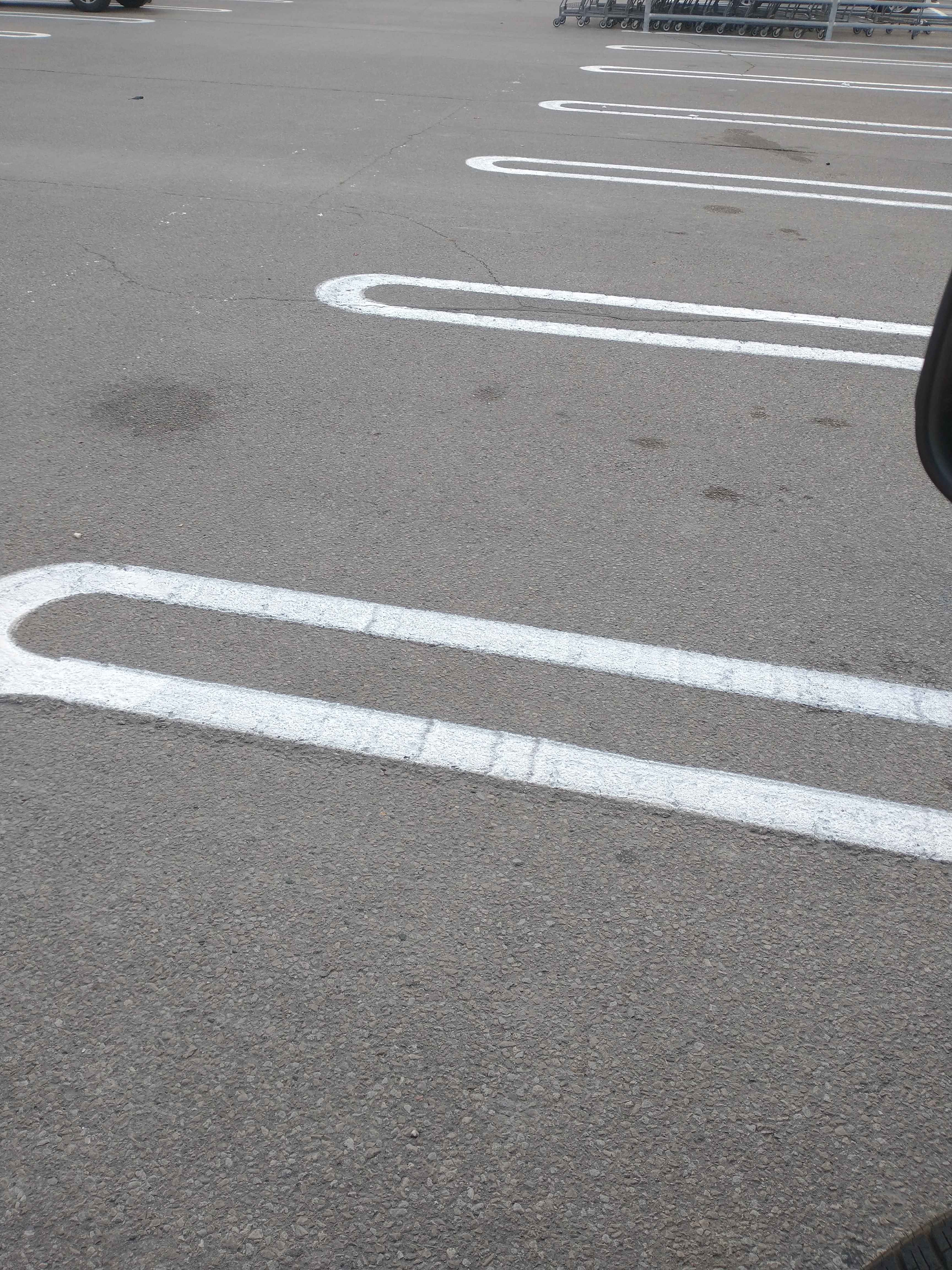
Once your surface is sealed and protected, the next step in maintaining a professional appearance is ensuring your traffic patterns are clear. After sealcoating, the dark, uniform surface provides the perfect high-contrast background for fresh Line Marking.
Clear Line Painting ensures safety, compliance with local regulations, and a professional look for your business. Capital Parking Lot Line Painting specializes in combining these two essential services to give your property a complete rejuvenation.
Ready to Protect Your Investment?
Don't wait for the cracks to appear. Protecting your asphalt from oxidation today saves you thousands in reconstruction costs tomorrow. Contact the experts to schedule your maintenance.