The Science Behind Asphalt Oxidation and How Sealcoating Helps
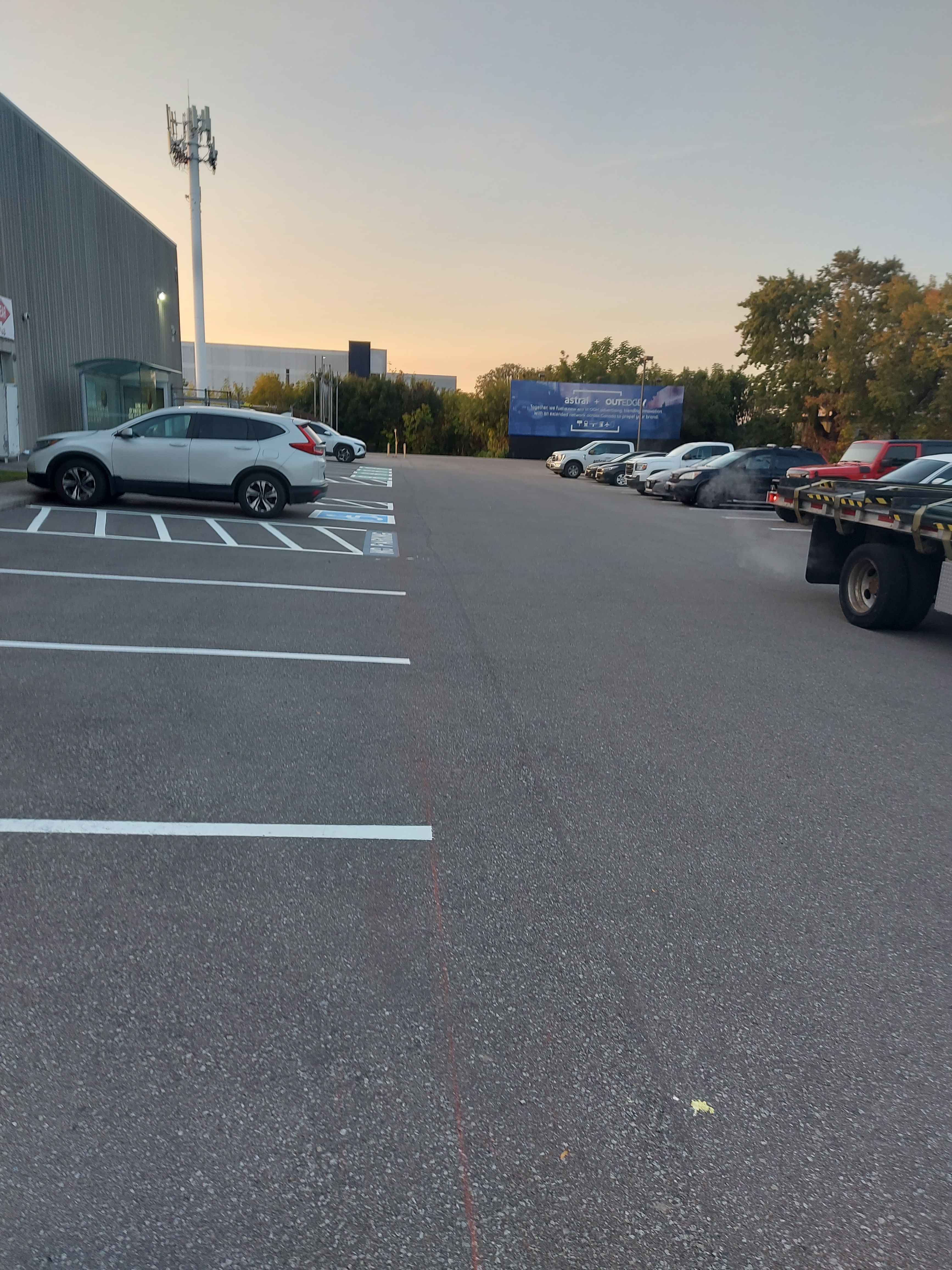
Ever wondered why a brand-new, jet-black parking lot eventually turns into a faded, grey, and brittle surface? It isn't just age; it is a complex chemical process known as oxidation.
Understanding the Chemistry of Asphalt
Asphalt is a composite material consisting of mineral aggregate bound together by bitumen. Bitumen is a viscous, black, and sticky substance derived from petroleum. While it is incredibly durable, it is also highly sensitive to environmental stressors. The primary culprit behind the degradation of your pavement is a chemical reaction called oxidation.
Oxidation occurs when the bitumen in the asphalt is exposed to oxygen and ultraviolet (UV) radiation from the sun. This reaction causes the chemical bonds within the bitumen to break down. As these bonds fail, the bitumen loses its flexibility and its ability to adhere to the aggregate. This results in the characteristic color change from deep black to a dull grey.
The Domino Effect: From Fading to Failure
Oxidation is rarely a standalone issue; it is the catalyst for a cascade of structural failures. When the bitumen becomes brittle due to oxidation, the asphalt can no longer expand and contract with temperature changes. In a city like London, where seasonal temperature fluctuations can be extreme, this lack of flexibility is devastating.
As the surface becomes brittle, micro-cracks begin to form. These cracks allow water to penetrate the sub-base of your parking lot. Once water enters the foundation, it can cause shifting, potholes, and complete structural collapse. This is why proactive maintenance from experts like Capital Parking Lot Line Painting is essential to prevent costly total replacements.
Why Early Intervention Matters
Waiting until your asphalt is crumbling to take action is a common mistake. By the time you see large cracks, the oxidation process has likely compromised the entire surface layer. Regular maintenance keeps the bitumen "alive" and flexible.
How Sealcoating Acts as a Protective Shield
Sealcoating is not merely a cosmetic upgrade to make your lot look new; it is a critical chemical barrier. A high-quality sealant applied by Capital Parking Lot Line Painting creates a sacrificial layer that absorbs the brunt of environmental damage.
The Benefits of Professional Sealcoating
- UV Protection: Sealants contain additives that block harmful UV rays from reaching the bitumen.
- Oxidation Delay: By sealing the surface, you limit the amount of oxygen that can interact with the asphalt.
- Moisture Barrier: It prevents water from seeping into micro-cracks, reducing the risk of freeze-thaw damage.
- Chemical Resistance: Protects against oil, gas, and salt spills common in commercial lots.
- Enhanced Aesthetics: Restores that deep black finish, improving the curb appeal of your property.
The Complete Maintenance Package
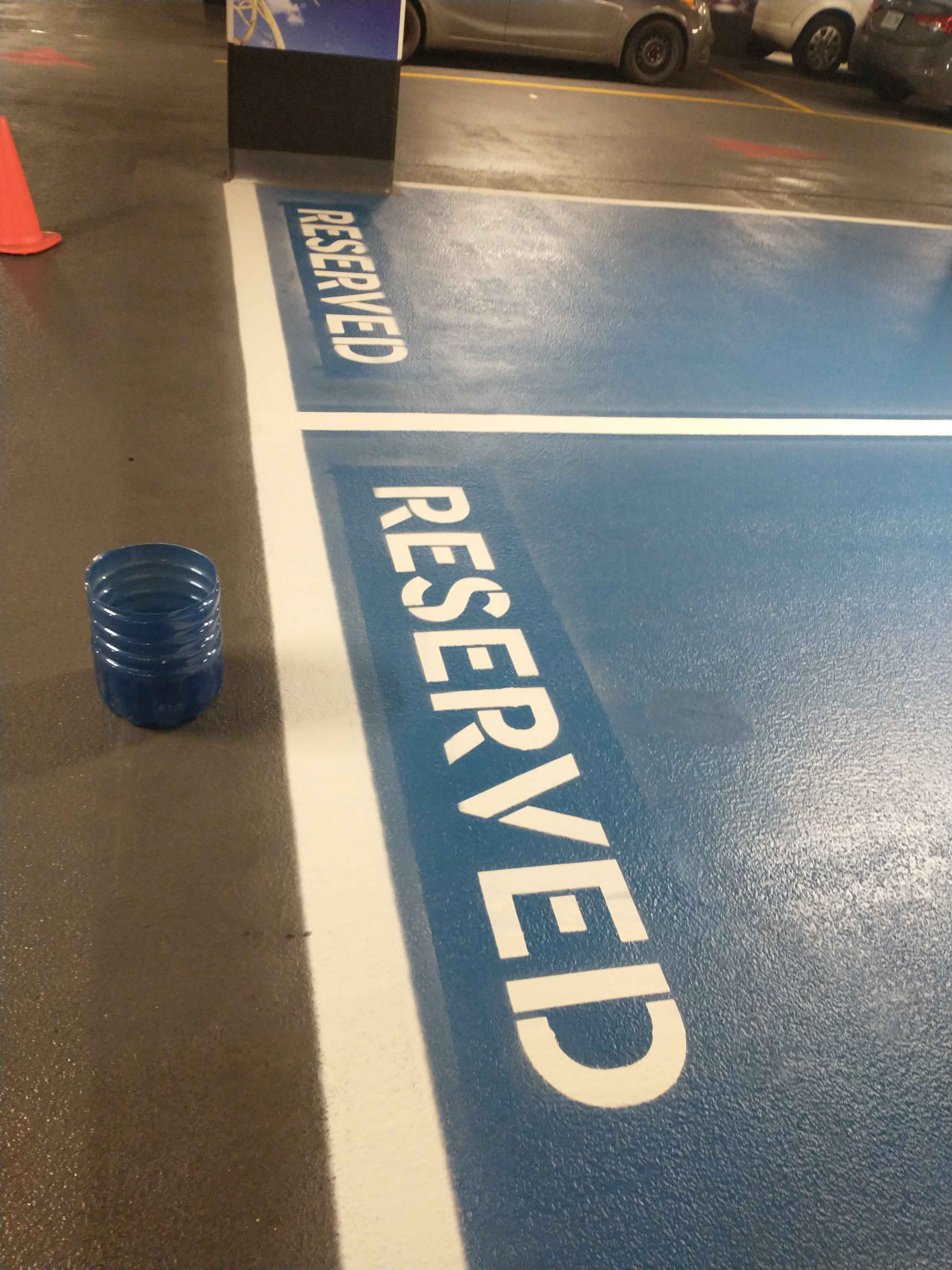
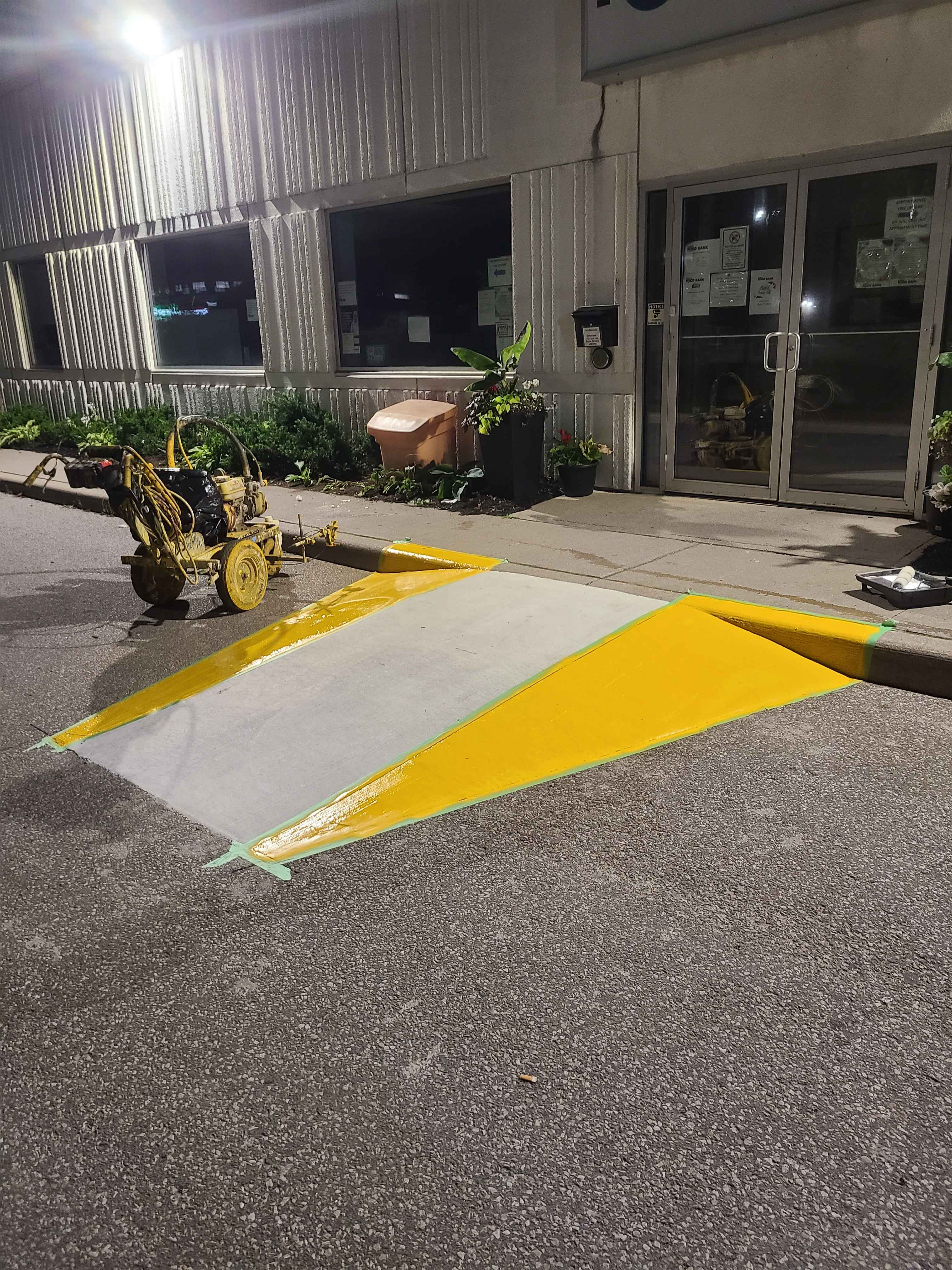
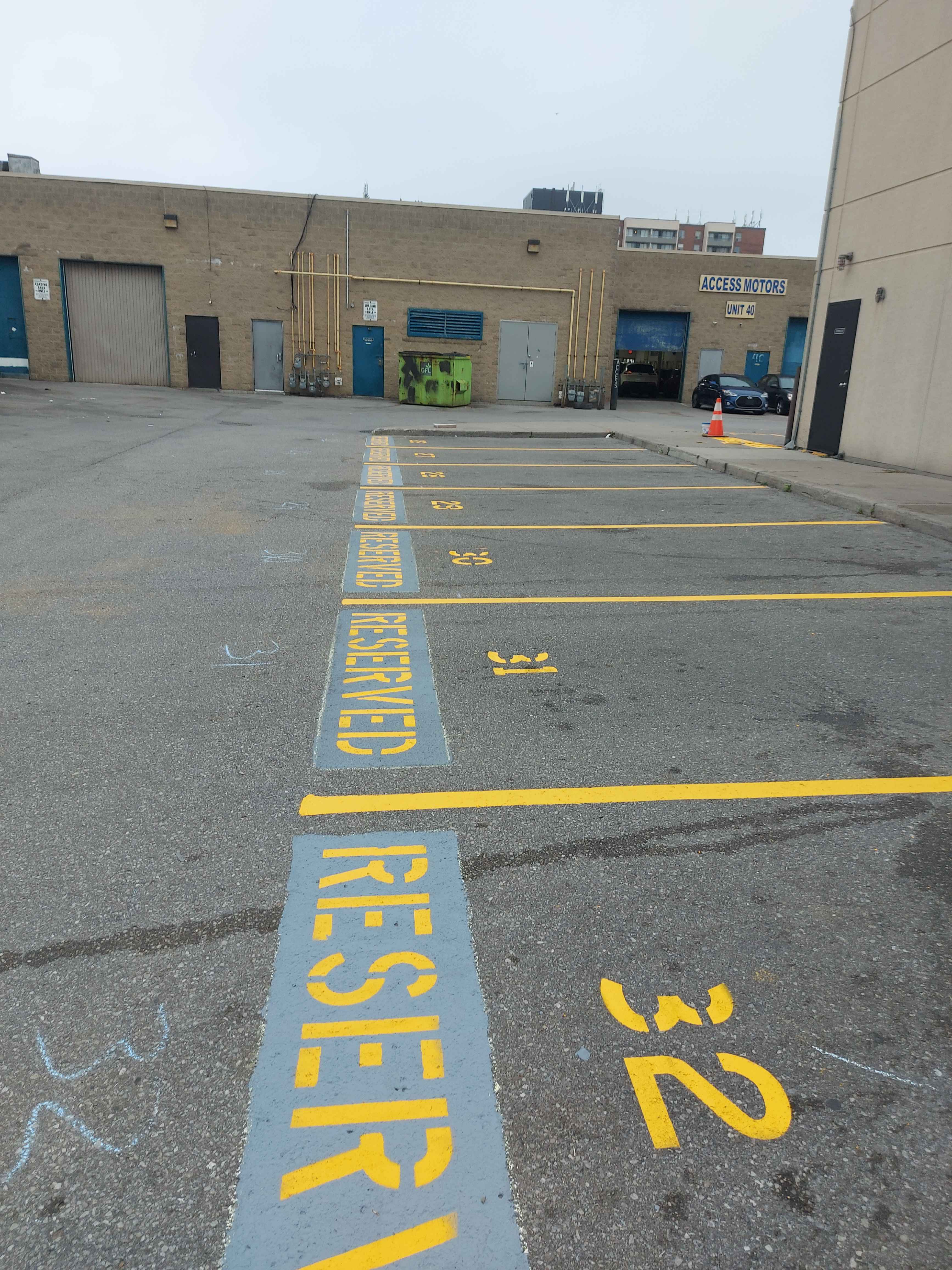
To maintain a truly professional appearance, sealcoating should be paired with high-visibility markings. Once your surface is protected and refreshed, applying fresh Line Painting ensures that your parking lot is safe, compliant, and organized. Whether it is directional arrows or stall markings, Line Marking is the final touch in a professional maintenance cycle.
At Capital Parking Lot Line Painting, we understand the unique climate challenges faced by property owners in London. We combine scientific understanding with industry-leading materials to ensure your investment lasts as long as possible.
Common Maintenance Mistakes to Avoid
Many property managers fall into traps that accelerate asphalt decay. Avoid these common errors:
- Ignoring Small Cracks: A small crack is an open door for water and oxidation.
- Using Low-Quality Sealants: Not all sealants are created equal; some may contain materials that actually accelerate degradation.
- Skipping the Line Marking: Faded lines are a liability. Regular Line Painting keeps your lot safe for drivers and pedestrians.
- Delaying Service: The cost of maintenance is a fraction of the cost of a full repave.