The Science Behind Asphalt Oxidation and How Sealcoating Helps
Understanding the chemical breakdown of your pavement is the first step toward long-term durability and cost-effective maintenance.
If you own a commercial property in a top 30 Ontario city like St. Catharines, you have likely noticed a gradual change in your parking lot's appearance. What once was a rich, jet-black surface slowly transitions into a dull, light grey. While many property owners mistake this for simple aging, it is actually a complex chemical reaction known as oxidation.
At Capital Parking Lot Line Painting, we see the results of this process every day. Understanding the science behind this phenomenon can help you make informed decisions about when to repair, when to sealcoat, and when to perform Line Marking to ensure your facility remains safe and professional.
What is Asphalt Oxidation?
Asphalt is a composite material consisting of mineral aggregate bound together by bitumen. Bitumen is a viscous, black, highly petroleum-based substance that provides the flexibility and waterproofing necessary for a durable driving surface. However, bitumen is chemically sensitive to its environment.
The Role of Oxygen and UV Radiation
Oxidation occurs when the bitumen in the asphalt is exposed to oxygen and ultraviolet (UV) radiation from the sun. This process triggers a chemical change that causes the light-weight hydrocarbon molecules within the bitumen to break down and evaporate. As these molecules are lost, the bitumen becomes harder, more brittle, and less capable of binding the aggregate together.
Think of it like a piece of wood left out in the rain and sun; over time, it loses its oils, cracks, and turns grey. In asphalt, this loss of "oil" means the surface loses its ability to expand and contract with temperature changes, leading to the dreaded cracks and potholes seen across St. Catharines properties.
The Lifecycle of Asphalt Decay
Oxidation doesn't happen overnight, but it follows a predictable and destructive path:
- Phase 1: Color Change: The first visible sign is the shift from black to grey as the surface bitumen oxidizes.
- Phase 2: Surface Brittleness: The bitumen loses its elasticity, making the surface susceptible to micro-cracking.
- Phase 3: Water Infiltration: Once cracks form, water enters the sub-base, leading to freeze-thaw damage.
- Phase 4: Structural Failure: Potholes and major depressions form, requiring expensive reconstruction.
How Sealcoating Acts as a Chemical Shield
Sealcoating is not merely a cosmetic upgrade; it is a preventative maintenance necessity. A high-quality sealcoat acts as a sacrificial barrier between your asphalt and the elements. By applying a specialized coating, you are effectively providing a new layer of bitumen that takes the brunt of the UV rays and oxygen exposure.
When Capital Parking Lot Line Painting applies a sealcoat, we are sealing the pores of the asphalt. This prevents water from penetrating the surface and stops the oxidation process from reaching the deeper, structural layers of your pavement. This process effectively resets the "oxidation clock," significantly extending the lifespan of your asphalt.
Integrated Maintenance: Beyond the Seal
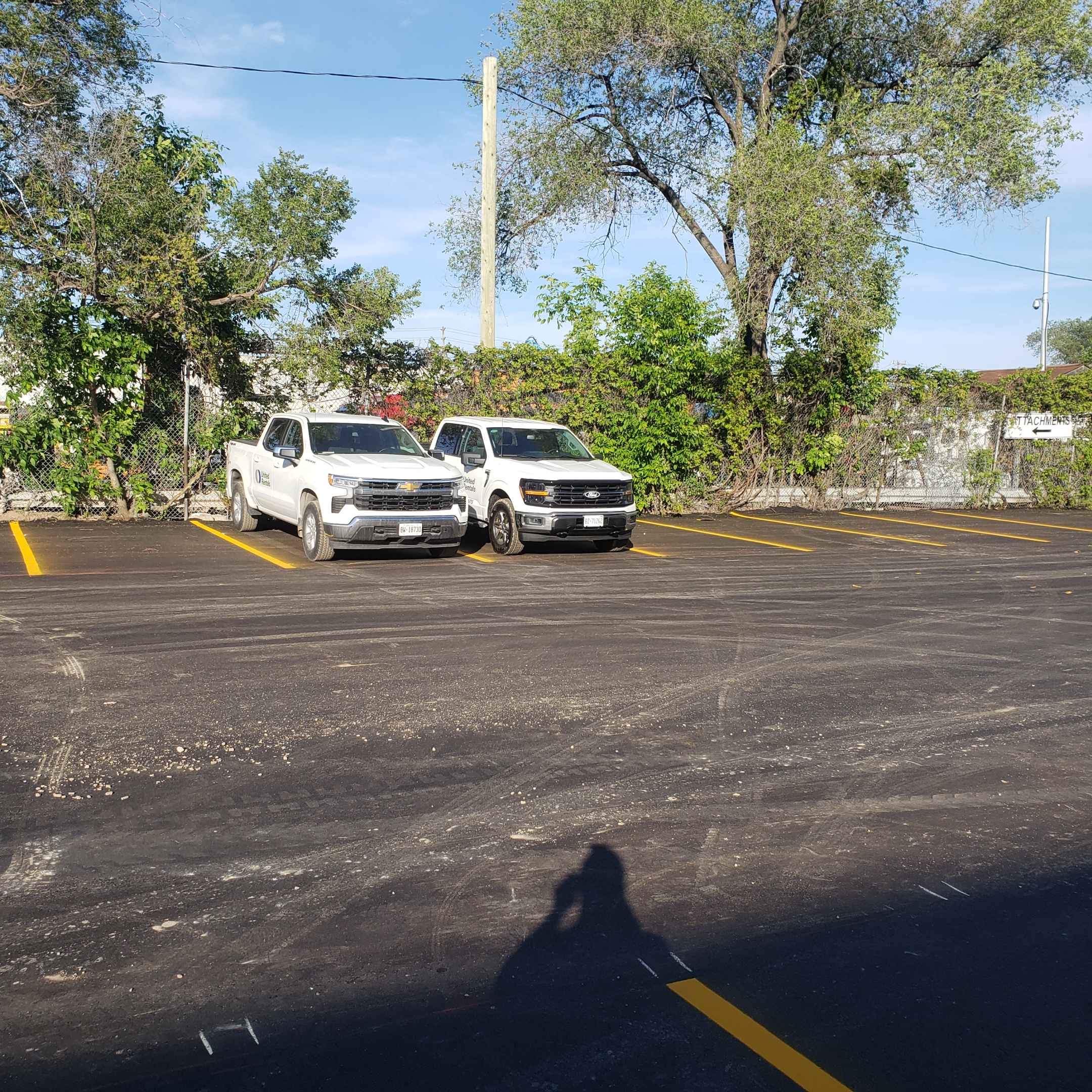
A well-maintained parking lot requires more than just a fresh coat of sealer. To maintain safety and compliance, property managers must also consider visibility. Once your sealcoating is complete and the surface is restored to its deep black finish, it provides the perfect high-contrast background for Line Painting.
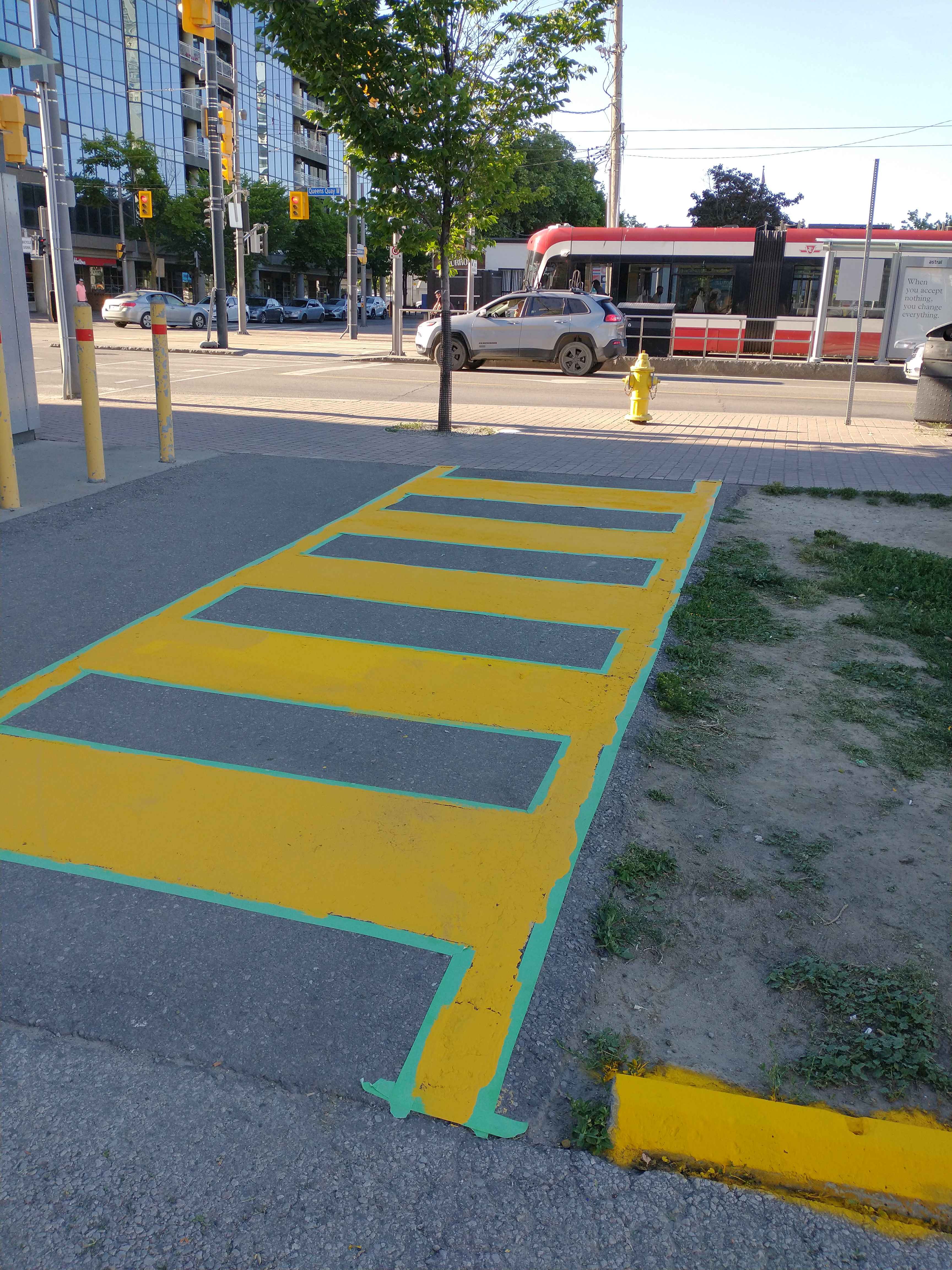
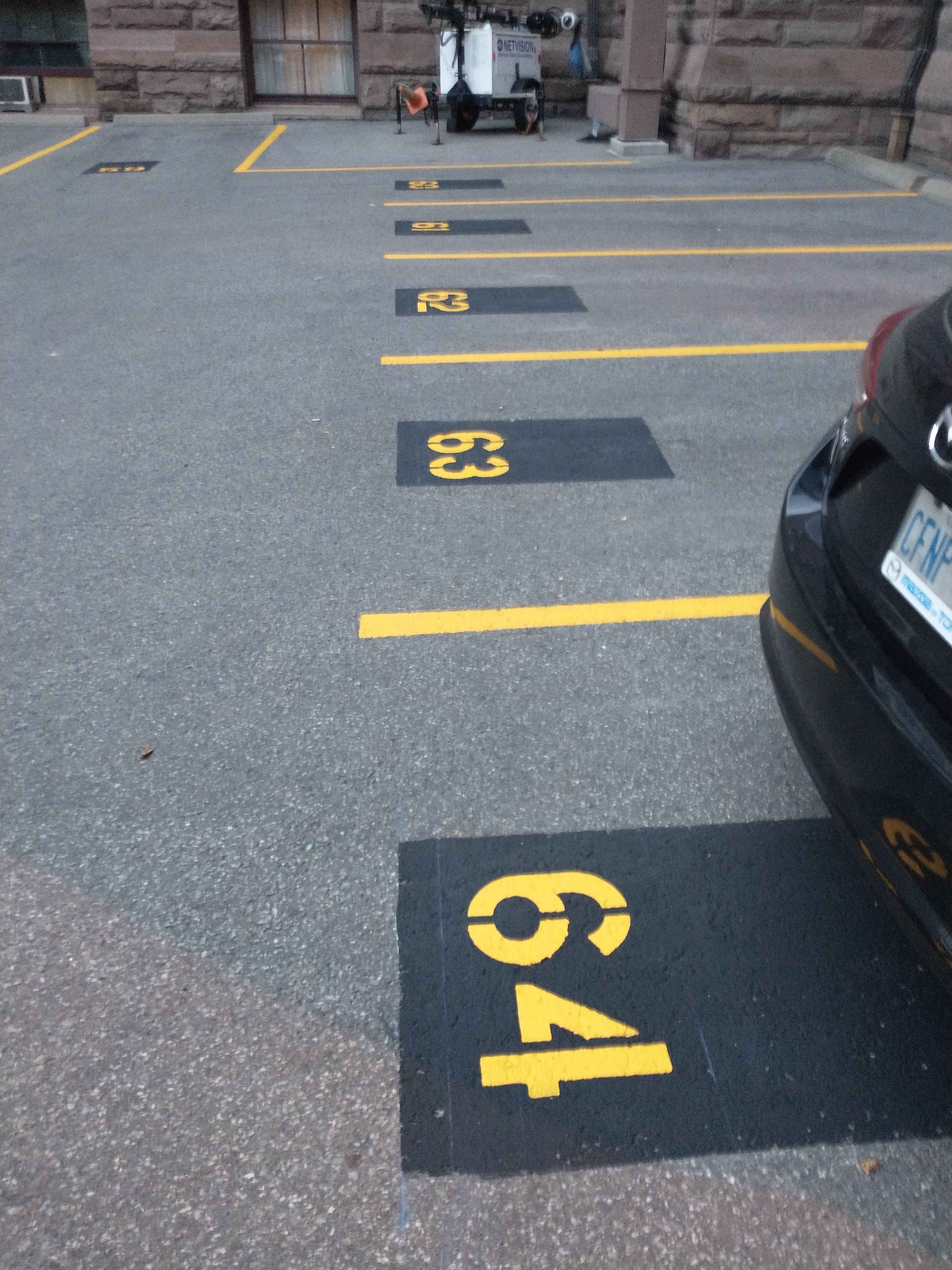
Clear, crisp Line Marking ensures that parking stalls, pedestrian walkways, and fire lanes are clearly defined, reducing liability and improving traffic flow. At Capital Parking Lot Line Painting, we recommend coordinating your sealcoating and line marking together to achieve the most professional and durable results.
Don't Wait for Failure
The most expensive way to manage a parking lot is to wait until it fails. By the time you see large cracks or potholes, the oxidation has already compromised the structural integrity of the base. Proactive sealcoating is the most cost-effective strategy for any property owner.