The Science Behind Asphalt Oxidation and How Sealcoating Helps
Understanding the chemical breakdown of your pavement is the first step toward long-term durability and cost-effective maintenance.
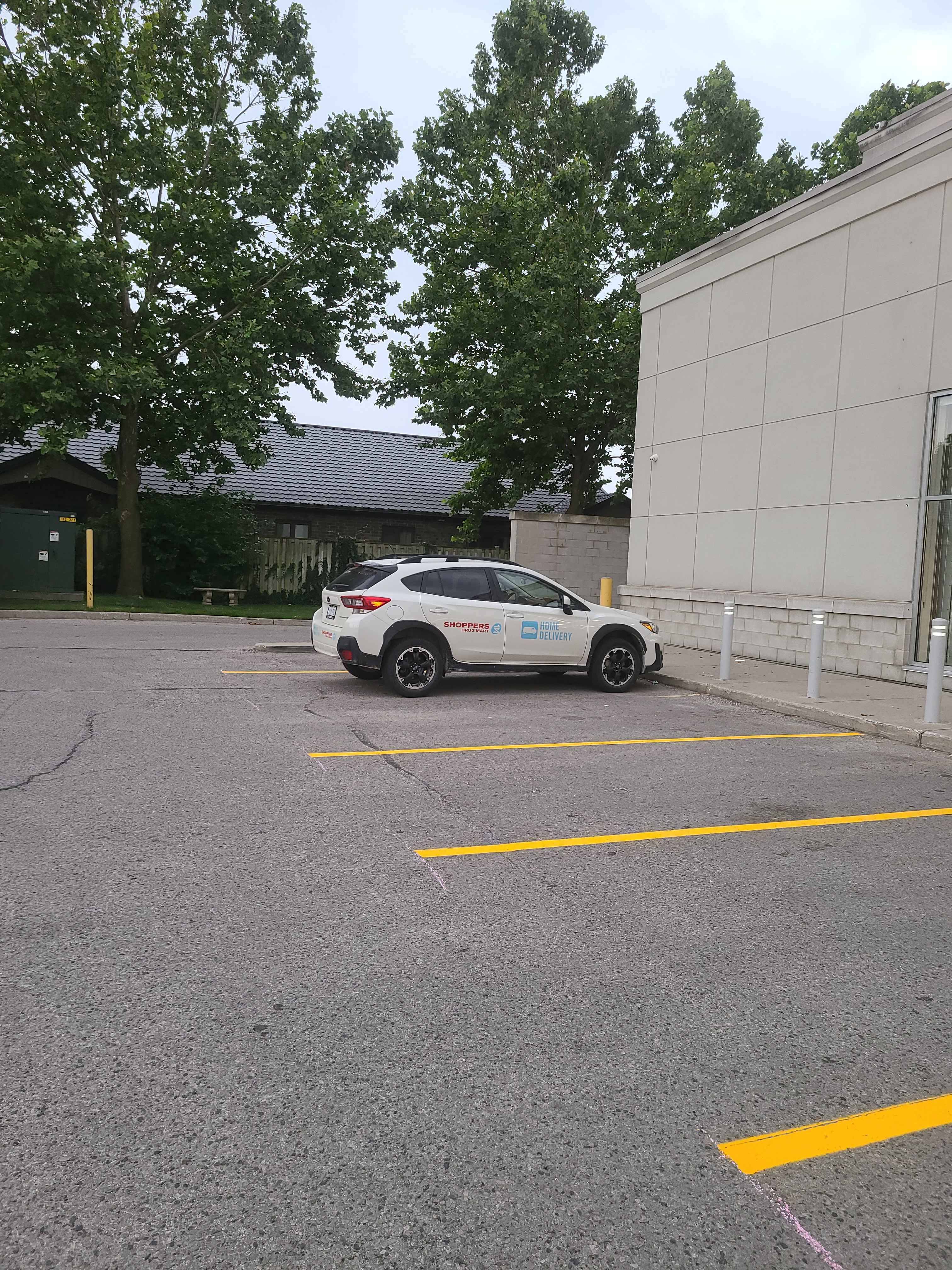
If you have ever walked across a parking lot and noticed the color has shifted from a deep, rich black to a dull, chalky gray, you have witnessed a chemical process known as oxidation. While it might seem like a simple cosmetic issue, oxidation is a fundamental change in the molecular structure of your asphalt that can lead to catastrophic structural failure if left unaddressed.
At Capital Parking Lot Line Painting, we see the effects of the harsh Canadian climate every day. In a major urban hub like Toronto, where the seasons shift violently from freezing winters to humid summers, the rate of asphalt degradation is significantly accelerated.
What is Asphalt Oxidation?
Asphalt is a composite material consisting of mineral aggregate bound together by bitumen. Bitumen is a complex mixture of hydrocarbons that provides the "glue" that keeps the pavement flexible and waterproof. Oxidation occurs when these hydrocarbons are exposed to oxygen, ultraviolet (UV) radiation from the sun, and moisture.
The Chemical Breakdown
When UV rays hit the surface of the asphalt, they trigger a photochemical reaction. This reaction breaks the long-chain hydrocarbon molecules within the bitumen. As these molecules break down, the bitumen loses its ability to remain viscous and flexible. Instead, it becomes brittle and hard. This loss of elasticity is the primary reason why old asphalt begins to crack under the weight of vehicles.
As the binder becomes brittle, it can no longer expand and contract with temperature fluctuations. In Toronto, the freeze-thaw cycles are particularly brutal on this process. Water enters the microscopic cracks caused by oxidation, freezes, expands, and widens the gaps, leading to potholes and raveling.
The Role of Sealcoating in Maintenance
Sealcoating is not merely a way to make a parking lot look new again; it is a preventative chemical barrier. By applying a high-quality sealant, you are essentially providing a sacrificial layer that takes the brunt of the environmental damage, protecting the structural bitumen underneath.
A professional application by Capital Parking Lot Line Painting ensures that the sealant penetrates the surface pores, re-binding the aggregate and creating a moisture-resistant shield. This process significantly slows down the rate of oxidation by blocking UV rays and preventing oxygen from reaching the core binder.
Key Benefits of Regular Sealcoating:
- UV Protection: Acts as a sunscreen for your pavement, preventing the breakdown of hydrocarbon chains.
- Moisture Barrier: Prevents water from seeping into the sub-base, which is critical for preventing freeze-thaw damage.
- Oxidation Delay: Keeps the asphalt flexible for a longer period, extending the life of the entire surface.
- Enhanced Aesthetics: Restores the deep black color, improving the professional appearance of your property.
- Surface Reinforcement: Helps fill minor surface cracks and stabilizes the aggregate.
The Synergy of Sealcoating and Line Marking
A well-maintained parking lot requires more than just a protective coating. To ensure safety, compliance, and professional aesthetics, the visual elements of the lot must be sharp. Once the sealcoating process is complete and cured, the next step is often high-visibility Line Marking.
Proper Line Marking ensures that traffic flow is organized, parking stalls are clearly defined, and safety regulations are met. When Capital Parking Lot Line Painting performs both sealcoating and Line Painting, the result is a seamless, high-contrast finish that makes your facility stand out.
Don't Wait for the Cracks to Show
Waiting until your asphalt is riddled with potholes is a reactive approach that leads to expensive reconstructions. A proactive approach—combining regular sealcoating with precise Line Marking—is the most efficient way to manage your property's lifecycle.
By understanding the science of oxidation, property managers can make informed decisions that protect their investments and ensure long-term durability.