The Science Behind Asphalt Oxidation and How Sealcoating Helps
Understanding the chemical degradation of your pavement is the first step toward long-term durability and cost-effective maintenance.
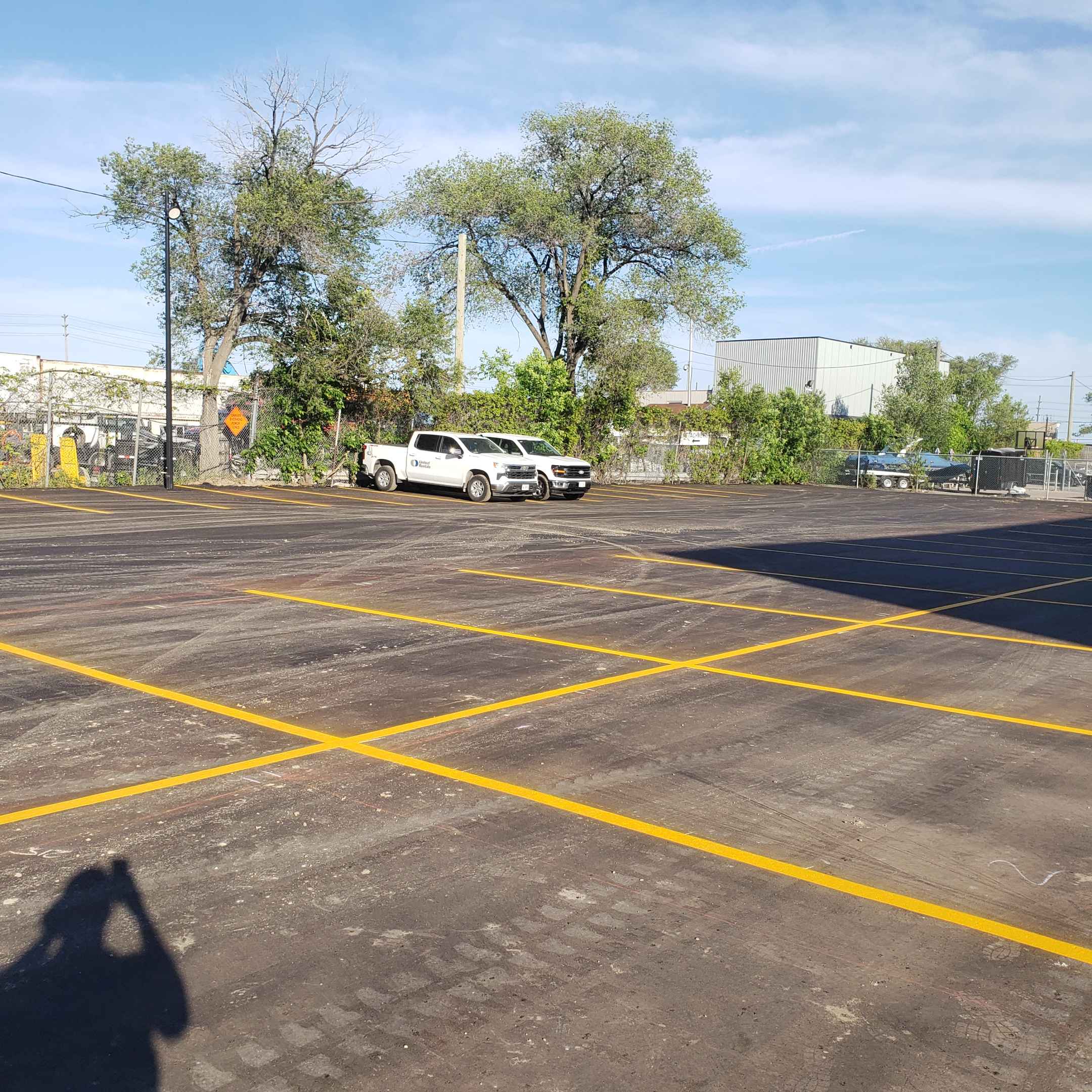
If you walk through any commercial area in Vaughan, you will notice a striking visual difference between brand-new asphalt and older surfaces. New asphalt boasts a rich, deep black hue that looks sleek and professional. However, over time, that color fades into a dull, brittle grey. This isn't just a cosmetic issue; it is the visible symptom of a complex chemical process known as oxidation.
At Capital Parking Lot Line Painting, we see the consequences of oxidation every day. When left untreated, this process can lead to cracks, potholes, and eventually, total pavement failure. To protect your property, it is essential to understand what is happening beneath the surface.
What is Asphalt Oxidation?
Asphalt is a composite material consisting of mineral aggregate (rocks, sand, and gravel) bound together by a sticky, black, highly viscous form of petroleum called bitumen. Bitumen is the "glue" that keeps the pavement flexible and waterproof.
Oxidation occurs when the bitumen is exposed to oxygen, ultraviolet (UV) radiation from the sun, and moisture. This reaction causes the chemical structure of the bitumen to change. Specifically, the light hydrocarbons in the binder begin to evaporate or break down, leaving behind a heavier, more brittle substance. As the binder loses its ability to remain flexible, the asphalt loses its ability to expand and contract with temperature changes.
The Role of UV Radiation and Weather
In regions like Vaughan, where seasonal temperature swings are extreme, the oxidation process is accelerated. The intense UV rays during the summer months act as a catalyst for the chemical breakdown, while the freeze-thaw cycles of winter exploit the brittleness caused by that oxidation. Once the bitumen becomes brittle, small micro-cracks form, allowing water to seep into the base layers, leading to structural damage.
How Sealcoating Combats Oxidation
Sealcoating is not merely a way to make your parking lot look new again; it is a proactive chemical barrier. A high-quality sealer acts as a sacrificial layer that takes the brunt of the environmental abuse, sparing the actual asphalt binder.
When Capital Parking Lot Line Painting applies a professional-grade sealer, we are essentially applying a protective shield that provides several key benefits:
- UV Protection: The sealer absorbs or reflects UV rays, preventing them from reaching and breaking down the bitumen.
- Moisture Barrier: It seals micro-cracks, preventing water from penetrating the asphalt structure.
- Chemical Resistance: It protects against oil, gas, and other automotive fluids that can dissolve asphalt binders.
- Oxidation Delay: By limiting oxygen contact with the asphalt, the chemical aging process is significantly slowed.
The Importance of Complete Maintenance
A well-maintained parking lot is more than just a place to park cars; it is a reflection of your business's standards. Effective maintenance involves a multi-step approach. Once the surface is cleaned and sealed, the next logical step is ensuring visibility and safety through professional Line Painting or Line Marking.
Faded lines can lead to confusion, traffic congestion, and even liability issues. By combining sealcoating with fresh Line Painting, you ensure that your facility is both structurally sound and visually organized. Capital Parking Lot Line Painting specializes in this holistic approach to pavement longevity.
Common Mistakes in Asphalt Care
Many property owners wait too long to address oxidation. By the time you see large cracks or potholes, the oxidation process has likely progressed much deeper than the surface. Here are a few mistakes to avoid:
1. Delayed Maintenance
Waiting for visible failure often means you'll need a full repave rather than a simple sealcoat.
2. DIY Sealcoating
Using low-quality, hardware-store sealers can actually accelerate oxidation if they don't contain the proper resins.
Visual Summary
Regular maintenance keeps your surfaces dark, flexible, and safe.