Best Pavement Marking Layouts for Industrial Facilities
Optimizing industrial floor space requires more than just organization; it requires a strategic approach to visual communication through professional line marking.

In the high-stakes environment of an industrial facility, clarity is the cornerstone of safety. Whether you are managing a massive warehouse in Mississauga or a specialized manufacturing plant, the way you designate space dictates the flow of traffic, the safety of your employees, and the overall efficiency of your operations. Effective line painting is not merely about aesthetics; it is a critical component of your facility's risk management strategy.
At Capital Parking Lot Line Painting, we understand that every square foot of an industrial floor serves a purpose. A poorly planned layout can lead to congestion, near-miss accidents, and costly downtime. By implementing standardized pavement marking layouts, you create a visual language that everyone—from forklift operators to pedestrians—can understand instantly.
Essential Layout Components for Industrial Safety
A successful industrial layout is built on several key layers of visual cues. These layers work together to create a seamless environment where human error is minimized.
1. Pedestrian Safety Zones
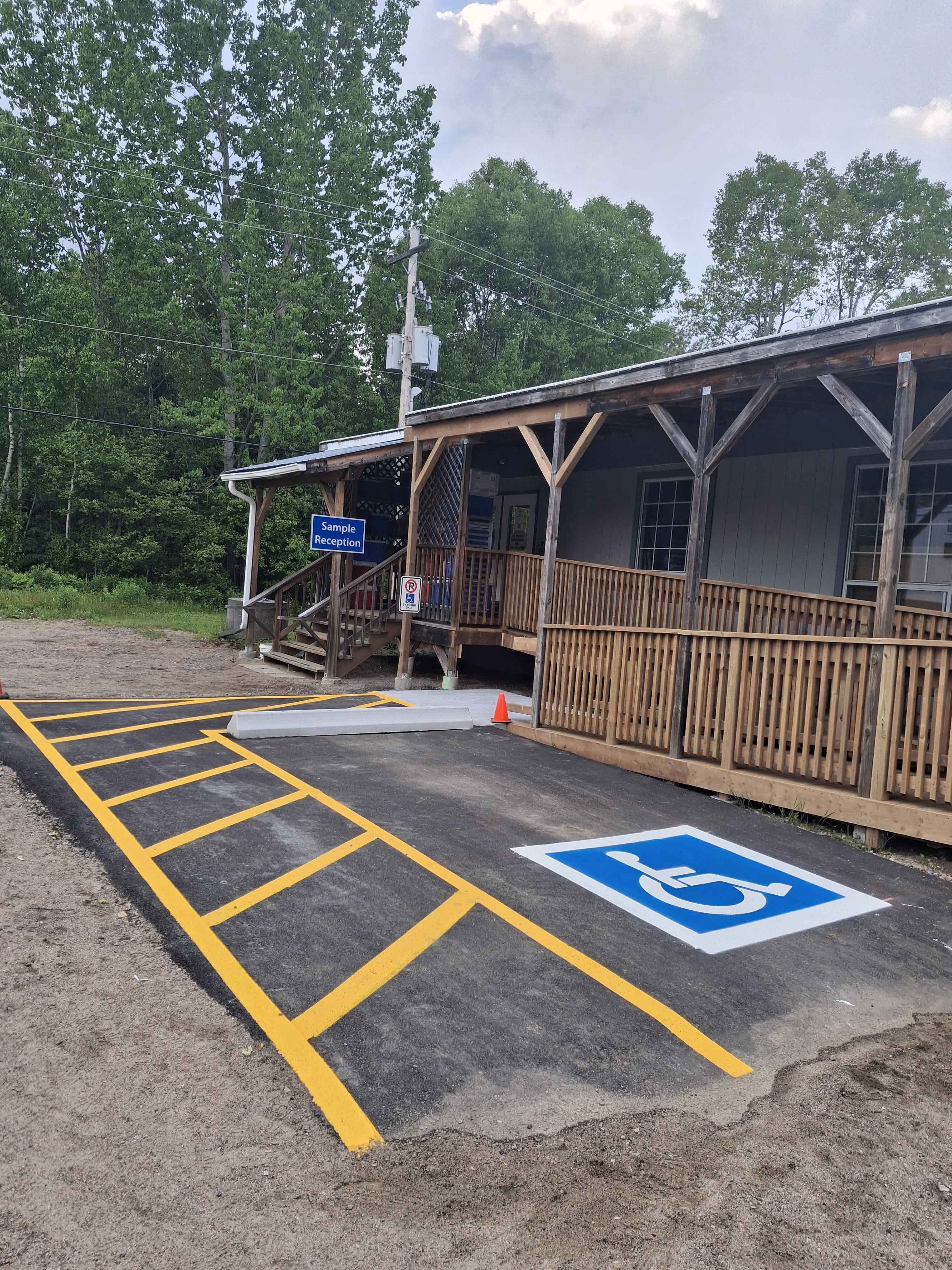
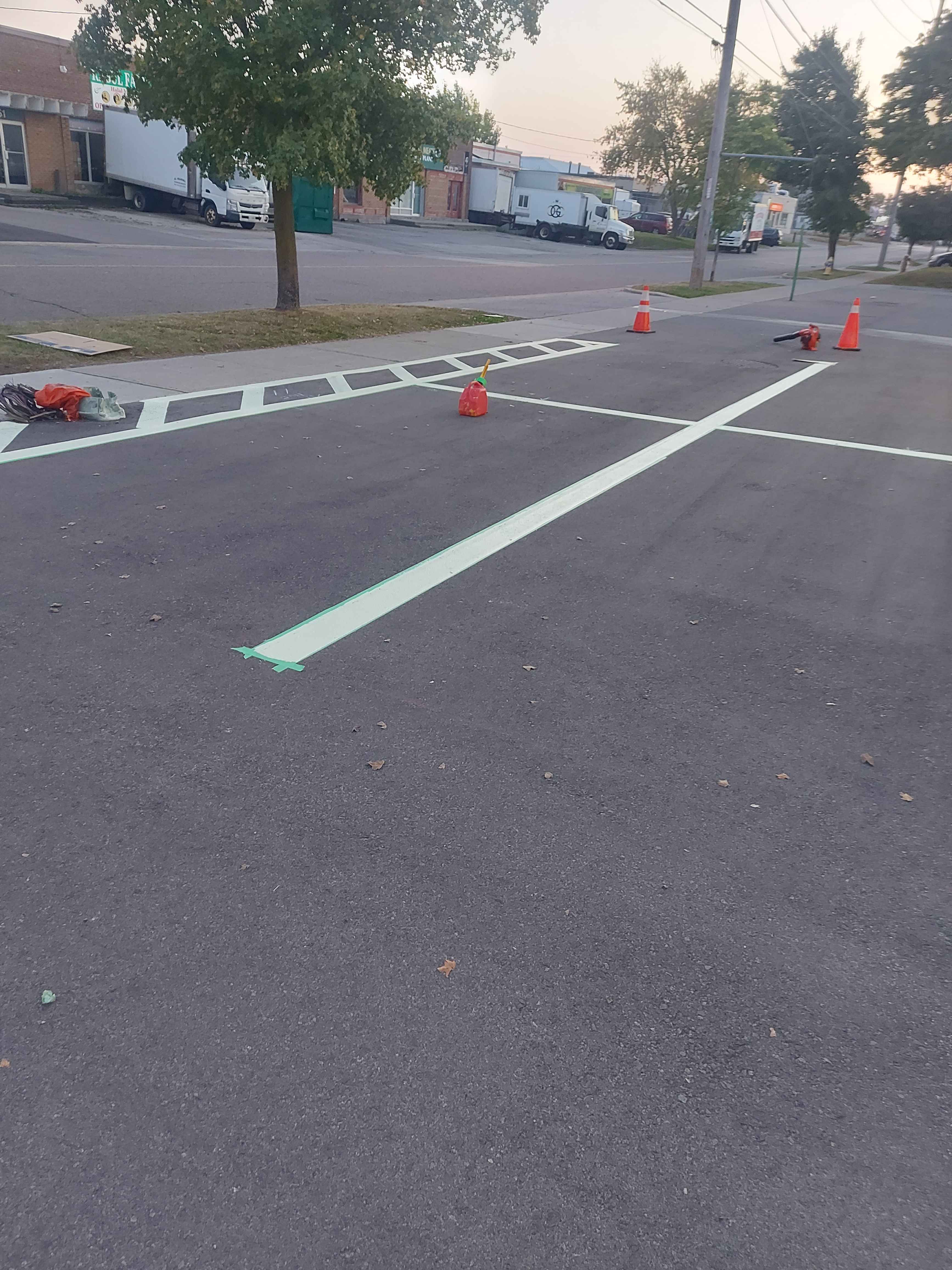
The most critical aspect of any industrial facility is the protection of personnel. Dedicated pedestrian walkways should be clearly delineated using high-visibility line marking. These paths should be wide enough to allow for safe passage and should be separated from vehicle lanes by solid, bold lines or even hatched patterns to indicate a "no-go" zone for machinery.
2. Vehicle and Equipment Lanes
Forklifts, pallet jacks, and heavy machinery require dedicated lanes to prevent collisions. These lanes should be marked with continuous lines that guide drivers through high-traffic intersections. In larger facilities, such as those found in the industrial hubs of Mississauga, these lanes must be designed to accommodate the turning radii of the largest vehicles on site.
3. Staging and Storage Areas
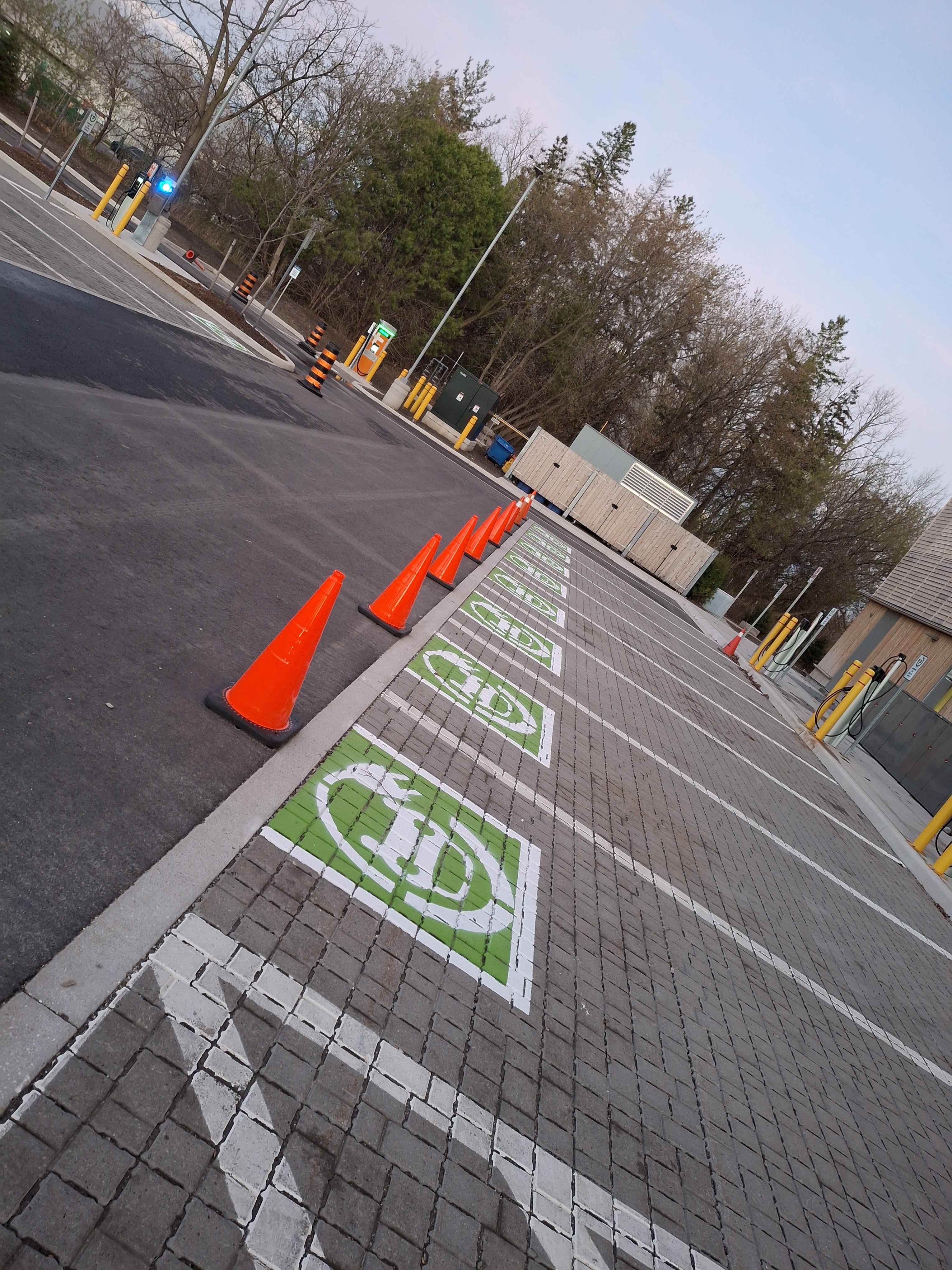
Undefined storage areas are a recipe for chaos. By using precise line painting to mark pallet positions, loading zones, and staging areas, you ensure that inventory remains organized and that emergency exits and fire extinguishers are never obstructed.
Key Benefits of Professional Line Marking
Investing in a professional layout provides long-term advantages that go far beyond simple organization. When you partner with experts like Capital Parking Lot Line Painting, you gain several strategic advantages:
- Enhanced Safety Compliance: Meeting OSHA and local safety standards becomes much easier when paths and zones are clearly marked.
- Improved Operational Flow: Defined lanes reduce bottlenecks and allow for faster movement of goods and personnel.
- Reduced Accident Risk: Clear visual boundaries significantly decrease the likelihood of vehicle-pedestrian collisions.
- Optimized Space Utilization: Proper marking allows you to maximize your floor footprint without sacrificing safety.
- Professionalism and Order: A well-marked facility projects an image of competence and high standards to clients and auditors.
Common Mistakes to Avoid in Industrial Layouts
Creating a layout is a complex task. Many facility managers make the mistake of treating line marking as an afterthought. To avoid common pitfalls, consider the following:
First, avoid using inconsistent colors. In an industrial setting, colors should follow a standardized logic (e.g., yellow for traffic, white for storage, red for danger). Second, do not underestimate the importance of durability. Industrial environments involve heavy friction and chemical exposure; using low-quality materials will result in fading lines that quickly become hazards. This is why Capital Parking Lot Line Painting utilizes heavy-duty, industrial-grade coatings designed to withstand the rigors of constant heavy machinery movement.
Finally, avoid "cluttering" the floor. Too many lines can create visual noise, making it difficult for workers to distinguish between different zones. A clean, purposeful design is always more effective than an overly complex one.
Implementing Your New Layout
Once you have determined your ideal layout, the execution phase is vital. The process should involve a site assessment to identify high-traffic intersections and potential blind spots. Following the design, the actual line marking process must be performed with precision to ensure all lines are straight, consistent, and highly visible.
Whether you are refreshing an existing floor or designing a brand-new facility layout, the goal remains the same: creating a safe, efficient, and organized workspace through superior visual communication.
Ready to Optimize Your Facility?
Don't leave your facility safety to chance. Professional line marking is an investment in your most valuable asset: your people and your productivity.