Best Practices for Painting Loading Zones and Fire Lanes
Maintaining clear, visible, and compliant markings is essential for safety, accessibility, and efficient property management.
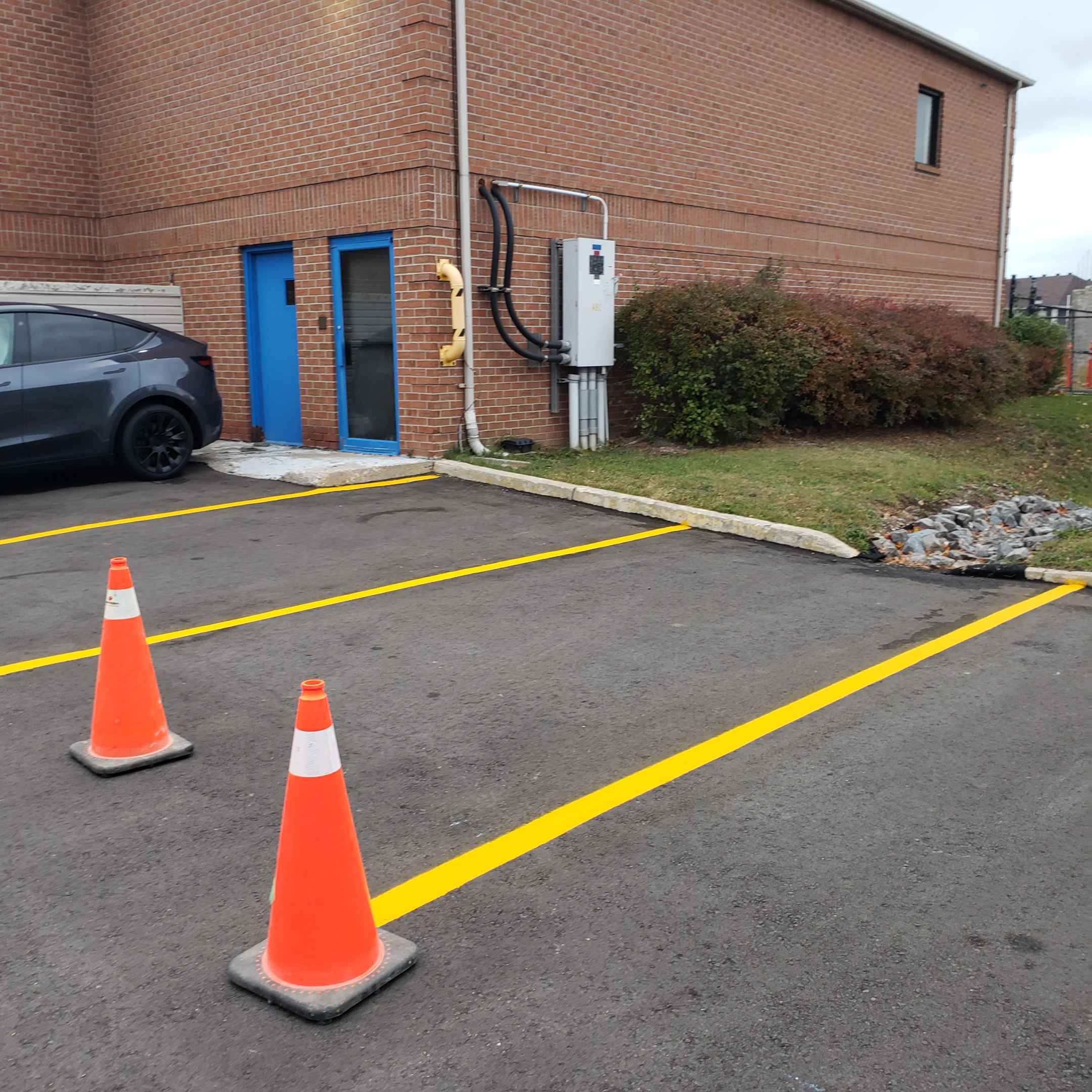
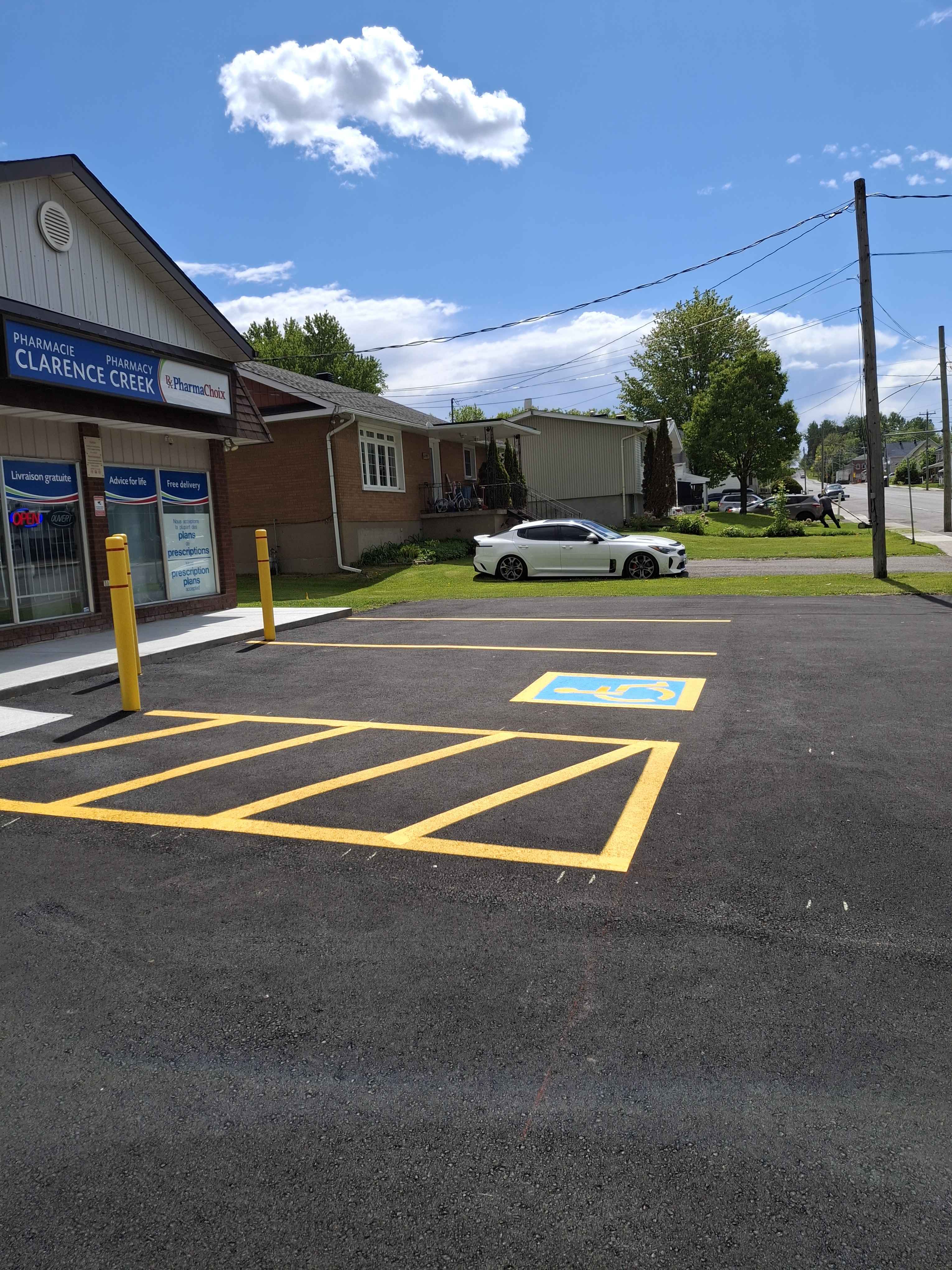
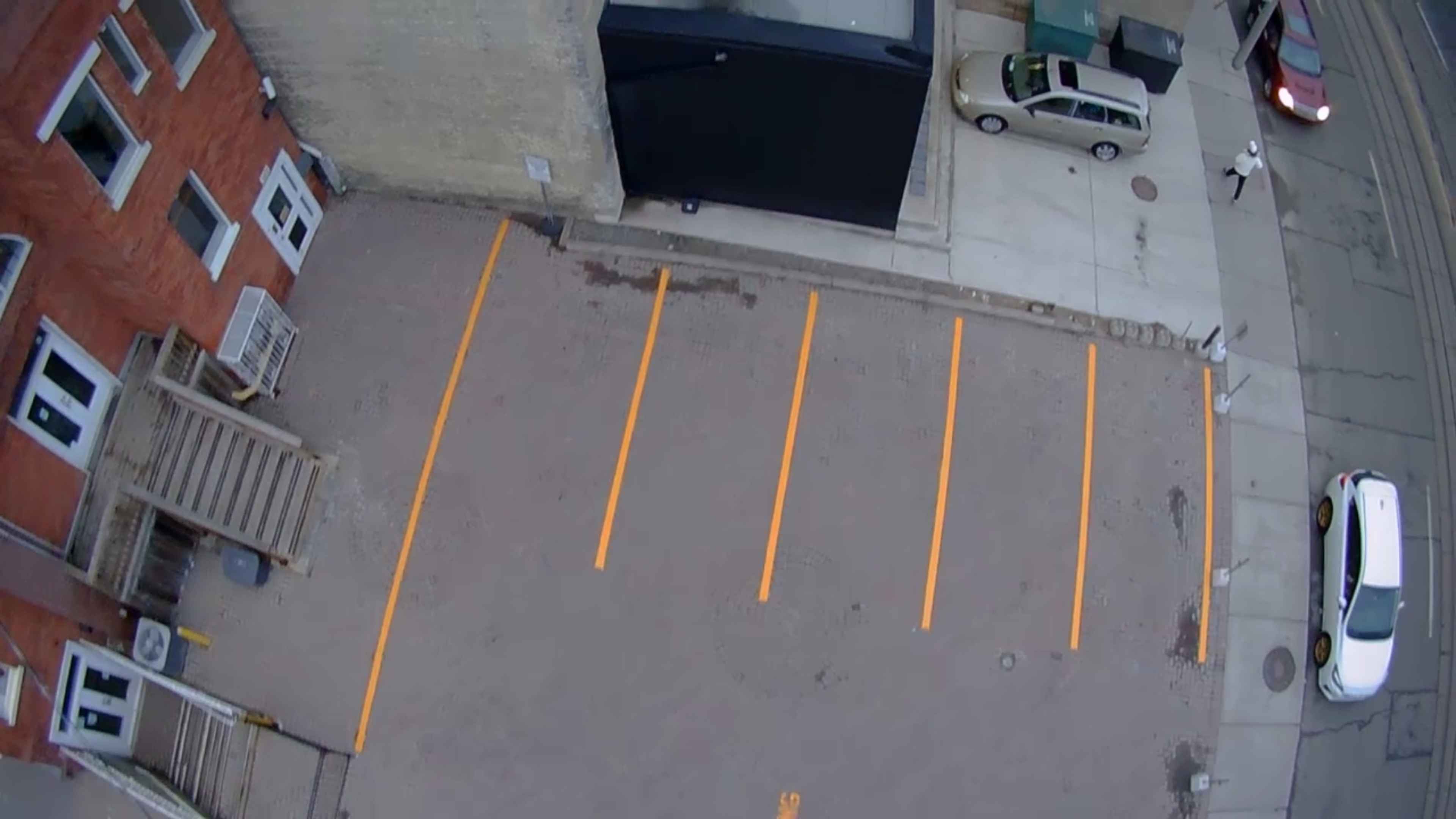
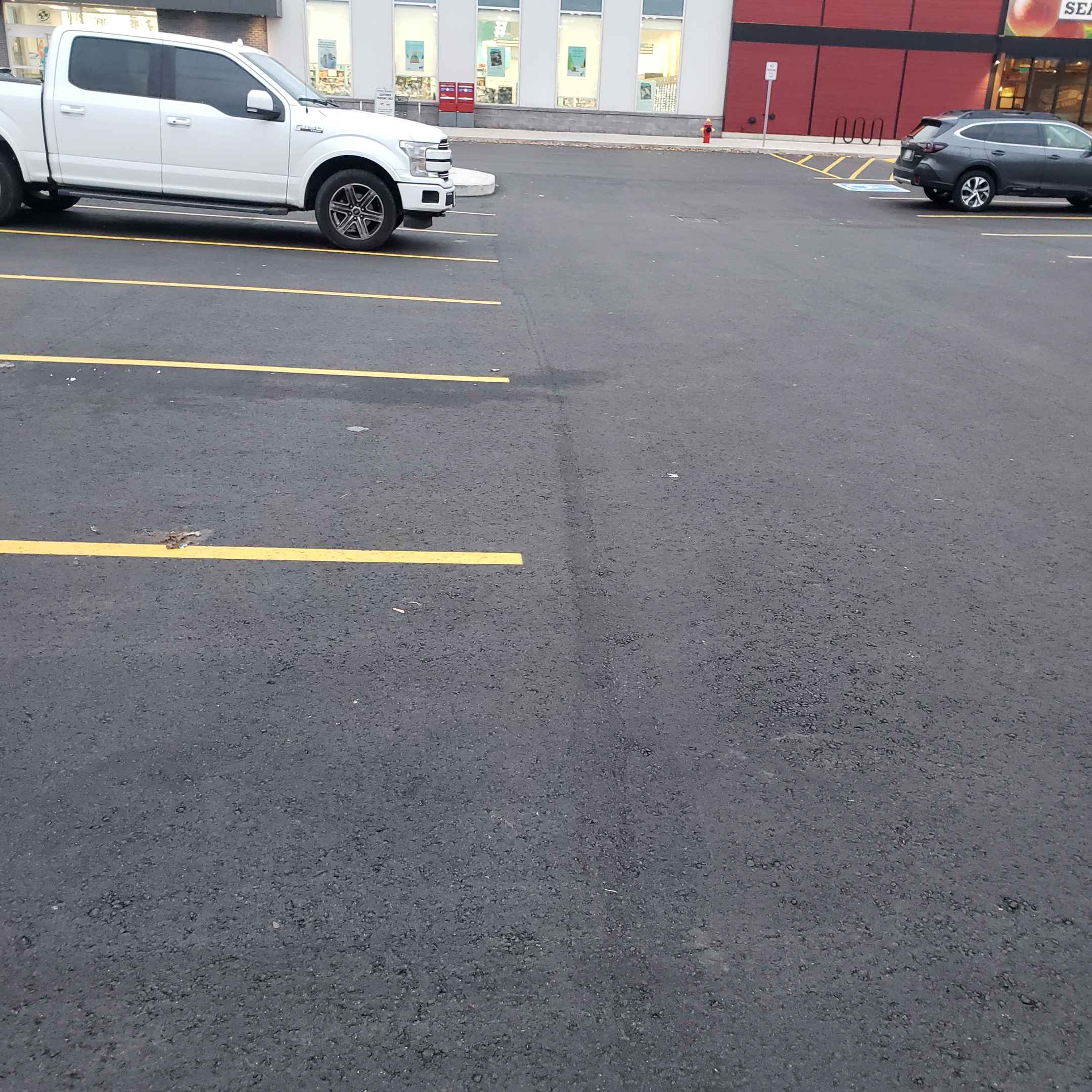
In high-traffic commercial areas, such as those found in a bustling top 30 city like Brampton, the organization of vehicle movement is critical. Whether you are managing a retail complex, a warehouse, or an apartment building, the way you designate specific areas for emergency access and commercial logistics can make or break your site's safety profile. This is where professional line painting becomes an indispensable tool for property owners.
Effective line marking does more than just look clean; it dictates the flow of traffic and ensures that emergency responders have immediate, unobstructed access to your facility. At Capital Parking Lot Line Painting, we understand that these markings are not just aesthetic choices—they are vital safety infrastructure.
The Critical Importance of Fire Lanes
Fire lanes are non-negotiable. They are designated paths intended for the exclusive use of emergency vehicles. If a fire lane is blocked by unauthorized vehicles, the consequences can be catastrophic. Proper line marking ensures that drivers immediately recognize these zones as "no parking" areas.
Compliance and Visibility
Municipalities, including those in Brampton, have strict codes regarding fire lane visibility. This typically involves specific colors (often red) and clear lettering. When performing line painting for fire lanes, it is essential to use high-quality, reflective materials that remain visible even during heavy rain or nighttime emergencies.
Optimizing Loading Zones for Logistics
Loading zones are the lifeblood of retail and industrial operations. If these zones are poorly marked or frequently encroached upon by unauthorized vehicles, it leads to delays, increased labor costs, and potential accidents. Precise line marking helps define exactly where a delivery vehicle should sit, preventing it from blocking main thoroughfares.
When planning your line painting project, consider the following best practices for loading zones:
- Use High-Contrast Colors: Yellow or white are standard, but using high-contrast colors helps drivers identify the zone from a distance.
- Incorporate Textual Markings: Don't just paint lines; paint the words "LOADING ZONE" within the box to eliminate ambiguity.
- Maintain Width Standards: Ensure the painted area is wide enough to accommodate the specific types of vehicles (e.g., semi-trucks vs. delivery vans) expected at your site.
- Regular Maintenance: Faded lines lead to confusion. Schedule periodic refreshes to keep the markings sharp.
Common Mistakes to Avoid
Many property managers attempt to save time by neglecting the nuances of professional line marking. However, mistakes in application can lead to legal liabilities or safety hazards. Capital Parking Lot Line Painting recommends avoiding these common pitfalls:
1. Poor Surface Preparation
Applying paint over dirt, oil, or loose gravel is a recipe for immediate failure. The surface must be cleaned and dried to ensure maximum adhesion.
2. Using Low-Quality Materials
Not all paint is created equal. Using standard house paint instead of industrial-grade traffic paint will result in rapid peeling and fading.
Why Professionalism Matters
When you hire Capital Parking Lot Line Painting, you aren't just paying for paint on asphalt; you are investing in precision and compliance. Our team understands the technical requirements of different surfaces and the specific needs of commercial properties. We ensure that every line is straight, every word is legible, and every zone is clearly defined to protect your property and its occupants.
Ready to Refresh Your Property?
Don't wait for a safety inspector or an emergency to realize your markings are inadequate. Ensure your loading zones and fire lanes are up to standard today.