Best Practices for Painting Loading Zones and Fire Lanes
Ensuring safety, accessibility, and legal compliance through professional line marking strategies.
In the complex ecosystem of commercial property management, clarity is everything. Whether you are managing a retail complex, a residential high-rise, or an industrial warehouse, the way you designate specific areas of your pavement dictates the efficiency of your daily operations. Two of the most critical areas requiring precision are loading zones and fire lanes.
Improperly marked zones lead to more than just minor inconveniences; they can result in heavy fines, blocked emergency access, and chaotic traffic patterns. At Capital Parking Lot Line Painting, we understand that high-quality line marking is not just about aesthetics—it is about safety and operational integrity.
The Importance of Fire Lane Compliance
Fire lanes are non-negotiable. These designated paths must remain clear at all times to allow emergency vehicles to reach buildings quickly during a crisis. In a bustling urban center like Cambridge, where density is increasing, the importance of these markings cannot be overstated.
When performing line marking for fire lanes, the standard involves using high-visibility colors—typically bright red—to ensure there is no ambiguity. A faded or poorly applied fire lane is often treated as a non-existent one by distracted drivers, creating a significant liability for property owners.
Optimizing Loading Zones for Efficiency
Loading zones are the lifeblood of commercial logistics. If a delivery truck is blocked by a parked passenger vehicle, the ripple effect can disrupt an entire day of business. Effective line marking helps define these boundaries clearly, preventing unauthorized parking and ensuring that the flow of goods remains uninterrupted.
To maximize the utility of these spaces, consider the following best practices:
- Use High-Contrast Colors: Use yellow or white for loading zones to distinguish them from standard parking stalls.
- Incorporate Textual Markings: Don't just paint lines; paint the words "LOADING ZONE" directly on the pavement.
- Maintain Consistent Widths: Ensure the markings match the actual dimensions required for the vehicles using the space.
- Regular Maintenance: Schedule periodic refreshes to combat wear from heavy vehicle tires.
Common Mistakes in Line Marking
Even with the best intentions, many property managers fall into traps that compromise their parking lot's functionality. Avoiding these pitfalls is essential for long-term success.
1. Neglecting Surface Preparation
One of the biggest mistakes in line painting is applying new material over dirt, oil, or old, peeling paint. For a durable finish, the surface must be power-washed and dried. Capital Parking Lot Line Painting emphasizes that the longevity of the mark is directly tied to the cleanliness of the substrate.
2. Using Substandard Materials
Not all paints are created equal. In regions like Cambridge, where seasonal temperature shifts can be extreme, using paint that lacks flexibility or UV resistance will lead to cracking and fading within a single season.
3. Poor Layout Accuracy
If the geometry of your loading zones is slightly off, you may inadvertently create "dead zones" where vehicles cannot maneuver, or worse, encroach upon fire lanes. Precision in the layout phase is vital.
Visualizing Quality
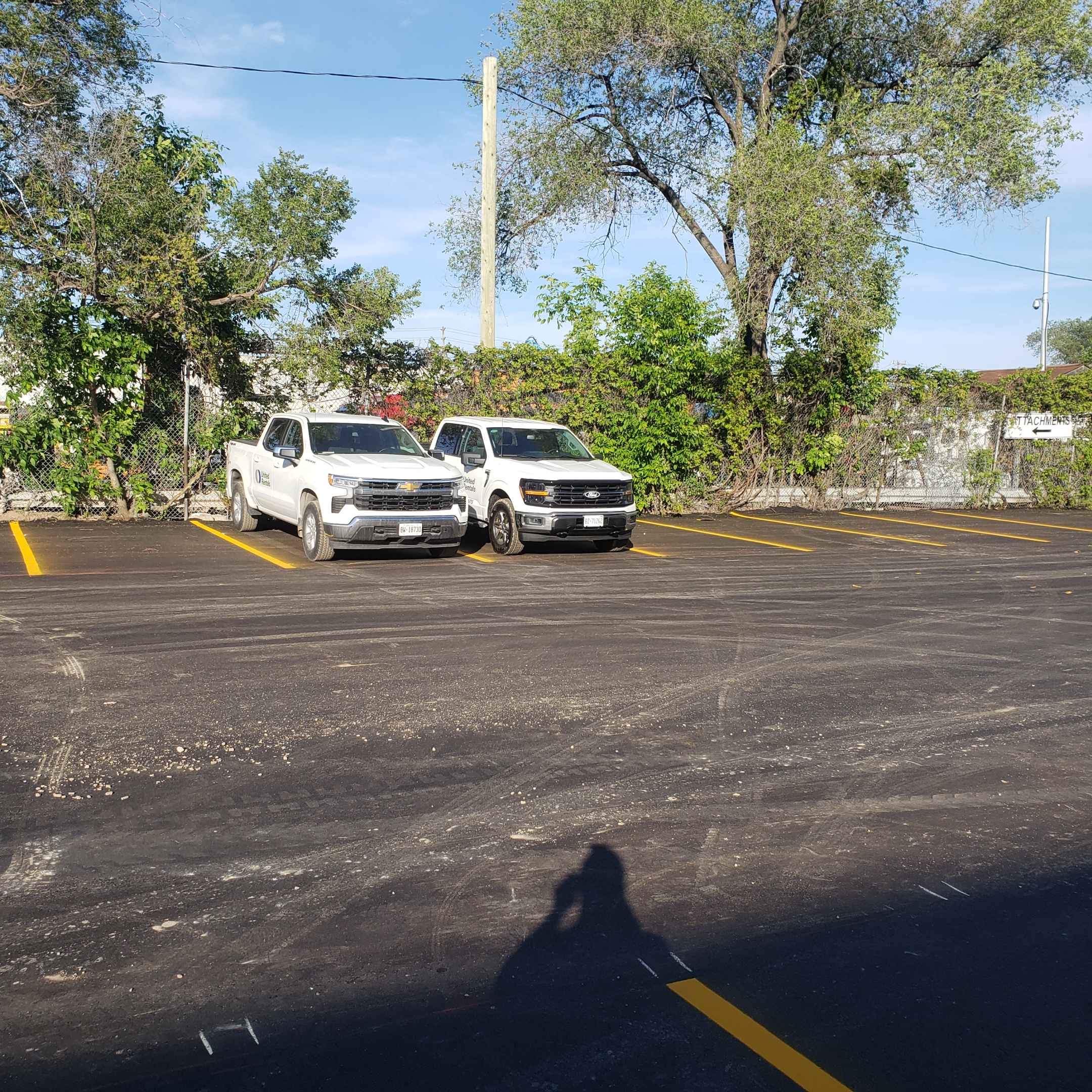
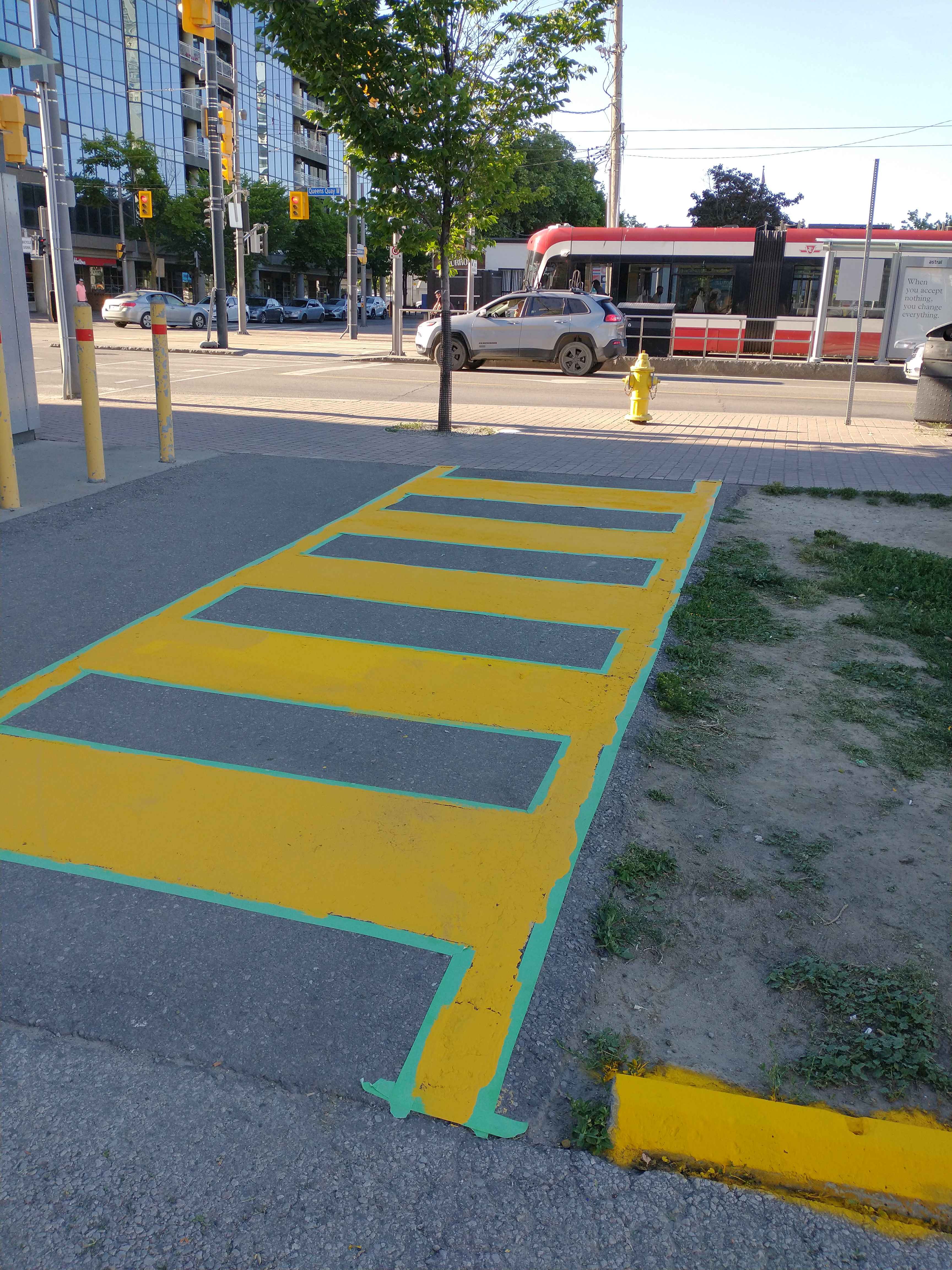
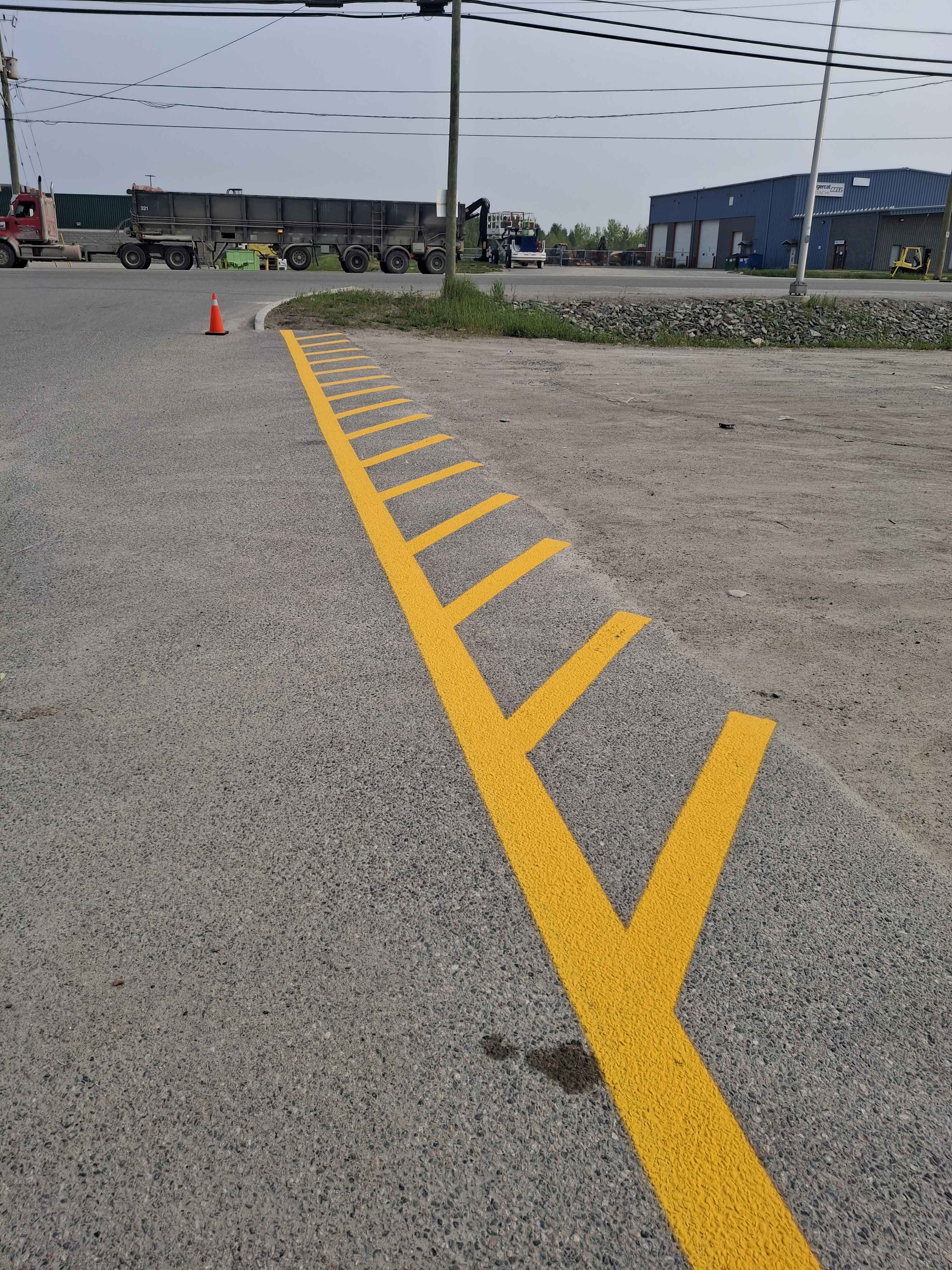
A well-maintained parking lot starts with professional line marking. Whether it is a complex industrial site or a small commercial lot, Capital Parking Lot Line Painting provides the expertise needed to ensure your markings are crisp, compliant, and built to last.
Conclusion
Investing in professional line marking for your loading zones and fire lanes is an investment in your property's safety and efficiency. By following these best practices—prioritizing high-visibility colors, ensuring proper surface preparation, and maintaining regular inspections—you can protect your business from liability and keep your operations running smoothly.