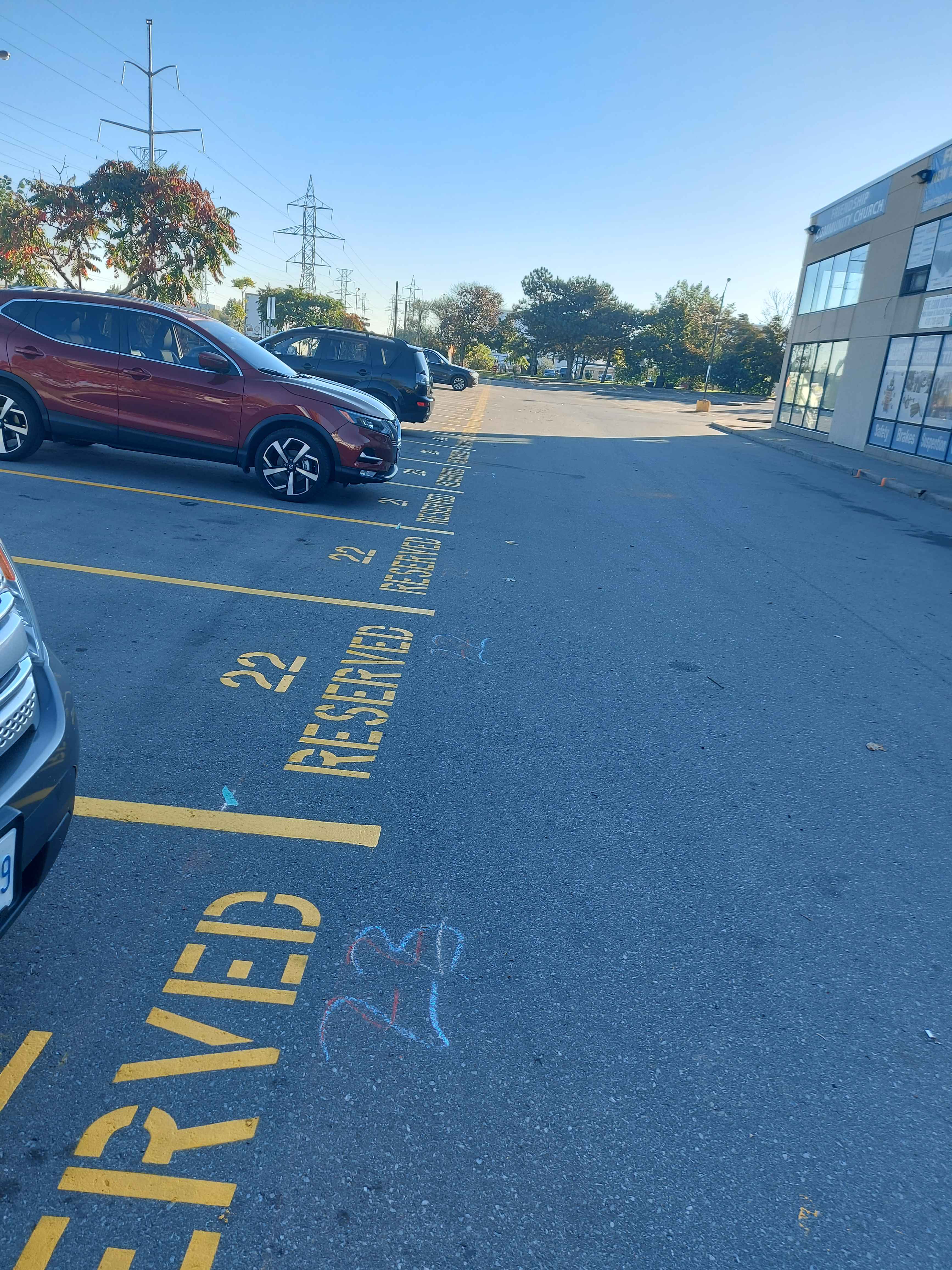
Best Practices for Painting Loading Zones and Fire Lanes
Ensuring safety and efficiency in commercial properties starts from the ground up. Learn how professional line marking can transform your property management strategy.
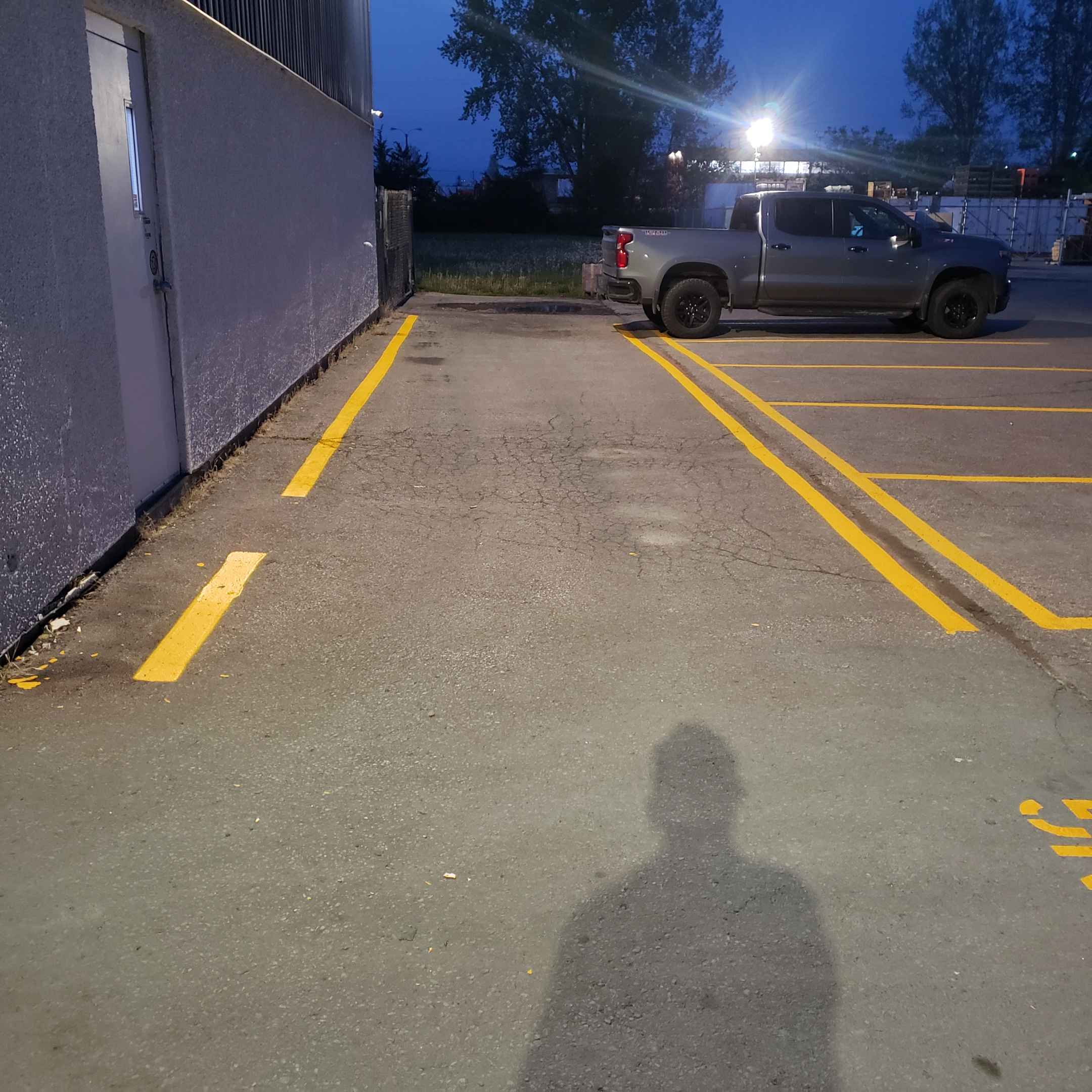
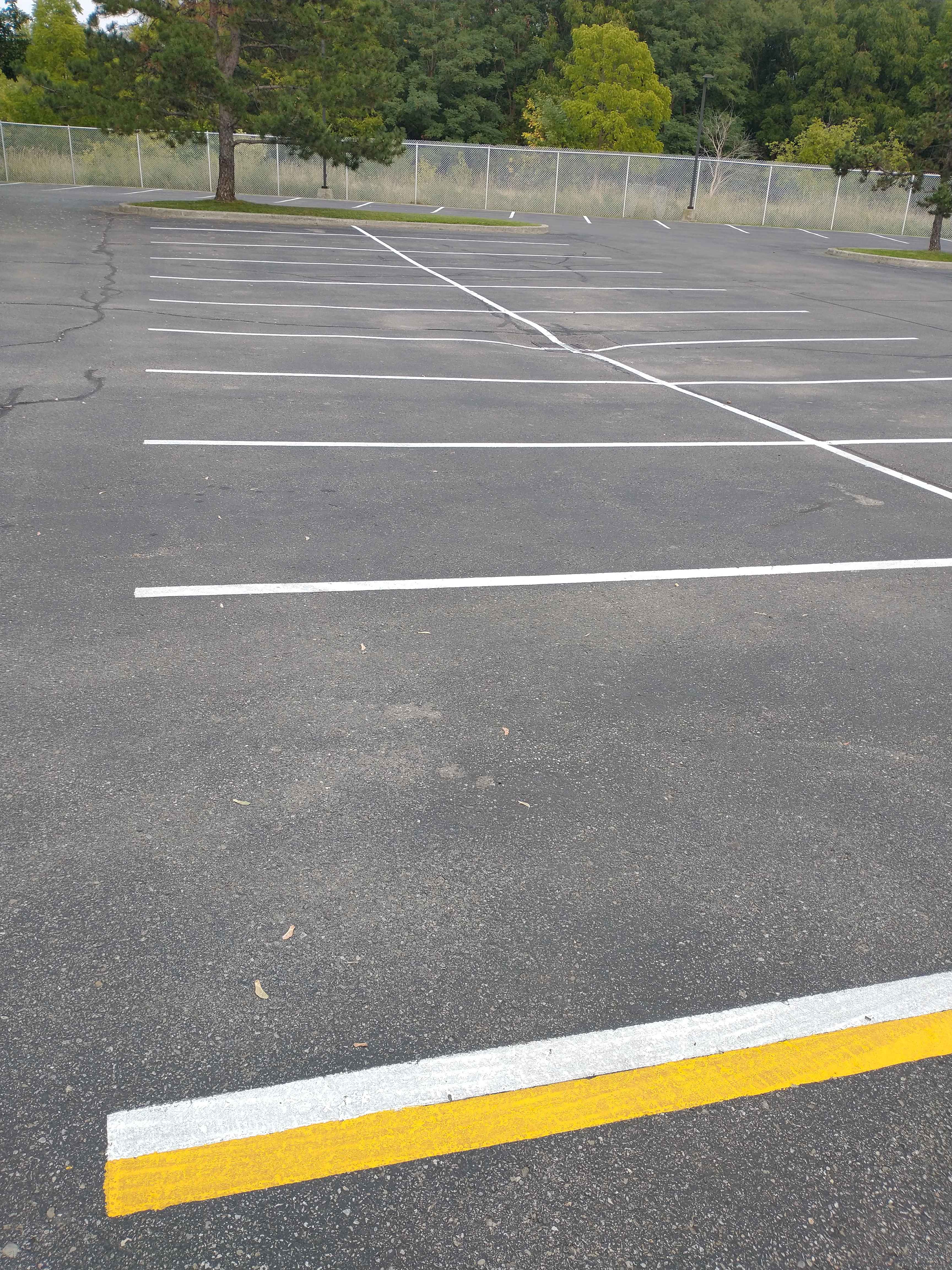
In the bustling commercial landscapes of Ontario, particularly in growing hubs like Kitchener, property managers face a constant challenge: balancing accessibility with safety. One of the most overlooked yet critical aspects of site management is the clear demarcation of specialized zones. Whether it is a dedicated area for delivery trucks or a vital pathway for emergency responders, the quality of your line painting determines how well your property functions under pressure.
At Capital Parking Lot Line Painting, we understand that these markings are more than just aesthetic choices; they are essential tools for risk mitigation and operational flow. In this guide, we will explore the best practices for maintaining and implementing professional line marking for loading zones and fire lanes.
The Critical Importance of Fire Lane Markings
Fire lanes are not suggestions; they are legal requirements designed to save lives. When an emergency occurs, every second counts. If a fire lane is obstructed by unauthorized vehicles, the delay can be catastrophic. High-visibility line marking ensures that these zones are instantly recognizable to drivers, even in low-light conditions or heavy rain.
Compliance and Liability
Failure to maintain clear fire lanes can lead to significant fines from local authorities in Kitchener and surrounding regions. Beyond the legal implications, poorly marked lanes increase the liability of the property owner. By working with experts like Capital Parking Lot Line Painting, you ensure that your markings meet the specific regulatory standards required for safety compliance.
Optimizing Loading Zones for Efficiency
For retail centers, warehouses, and multi-residential complexes, loading zones are the lifeblood of daily operations. An unorganized loading area leads to traffic congestion, blocked entrances, and frustrated tenants. Effective line painting creates a structured environment where delivery drivers know exactly where to stop, preventing them from encroaching on customer parking or fire access routes.
Key Elements of an Effective Loading Zone:
- High-Contrast Colors: Using bright yellows or whites against dark asphalt to ensure maximum visibility.
- Clear Textual Markings: Including words like "LOADING ZONE" or "NO PARKING" within the lines to remove ambiguity.
- Consistent Widths: Ensuring lines are wide enough to be seen from a distance but precise enough to define the space.
- Durable Materials: Using heavy-duty traffic paint that can withstand the weight of heavy-duty delivery trucks.
Best Practices for Implementation and Maintenance
To achieve long-lasting results, you cannot simply slap paint on the ground. A systematic approach to line marking is required to ensure the markings adhere properly and remain visible for years.
1. Surface Preparation
The most common reason for premature paint failure is poor preparation. The asphalt must be cleaned of dirt, oil, and debris. If the surface is too smooth or too oily, the paint will peel. Capital Parking Lot Line Painting emphasizes the importance of a clean, dry substrate for every project.
2. Material Selection
Different zones require different levels of durability. While standard parking stalls might use basic traffic paint, fire lanes and high-traffic loading zones often require more robust materials that resist the friction of heavy tires and the chemical erosion of oil spills.
3. Regular Inspection Cycles
Faded lines are an invitation for non-compliance. We recommend a bi-annual inspection of all safety-critical markings. If a fire lane is becoming illegible, it is time for a refresh to maintain safety standards.
Common Mistakes to Avoid
Avoid these pitfalls to ensure your property remains both safe and professional:
- Using Low-Quality Paint: Cheap coatings fade rapidly under UV exposure and heavy traffic.
- Ignoring Weather Conditions: Attempting line painting during high humidity or impending rain will lead to adhesion failure.
- Inconsistent Markings: If your loading zone lines don't match the rest of your property's aesthetic, it can create confusion.
- Neglecting Text: A line alone might be interpreted as a parking stall; adding "FIRE LANE" text is crucial for clarity.
Expert Line Marking Solutions
Don't leave your property safety to chance. Professional line marking ensures your loading zones and fire lanes are clear, compliant, and durable. Contact the experts today to schedule a site assessment.