Best Practices for Painting Loading Zones and Fire Lanes
Ensuring safety, accessibility, and operational efficiency through professional line marking and strategic pavement design.
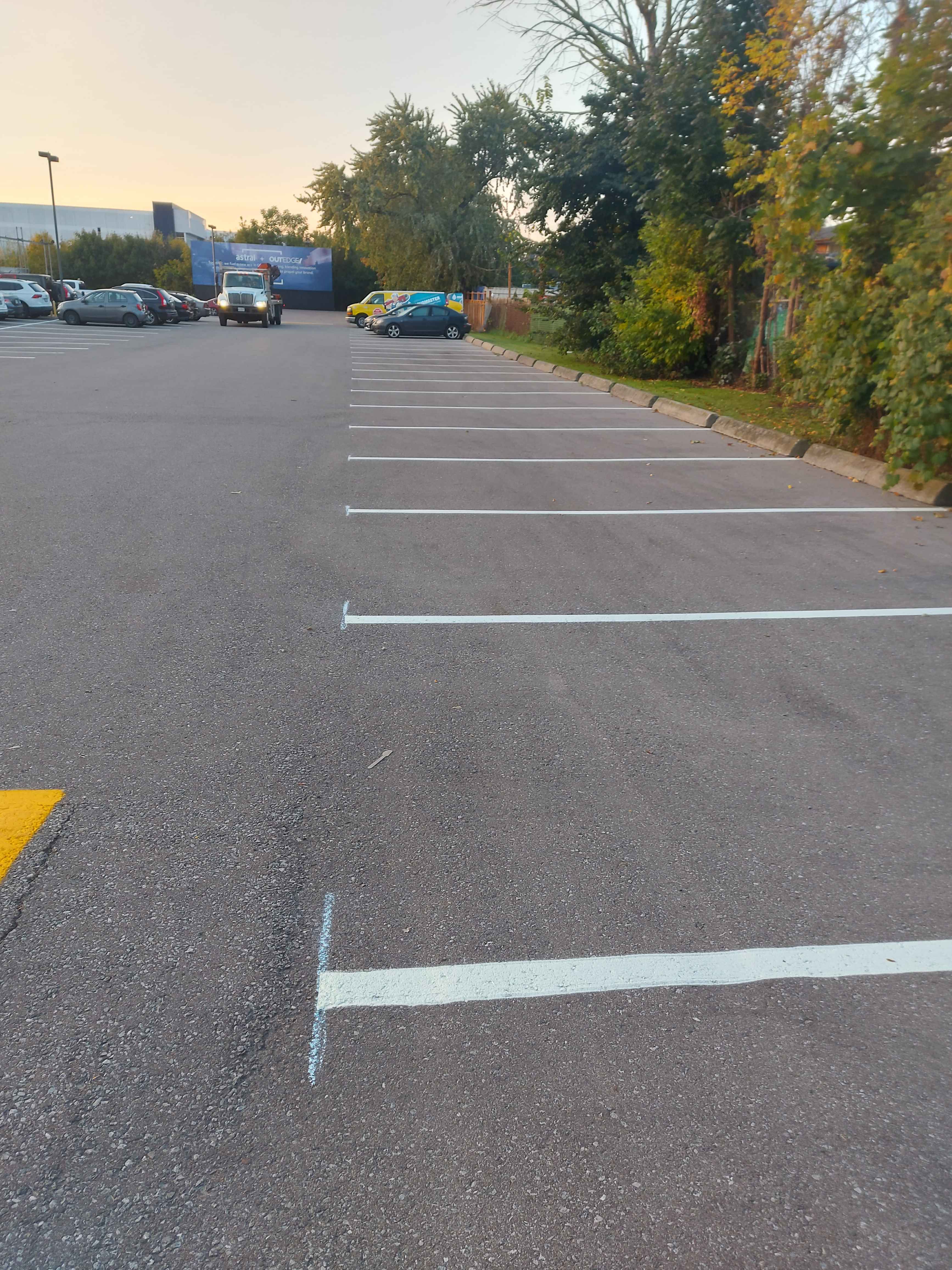
In any commercial or industrial environment, the layout of your pavement is more than just a surface for vehicles; it is a critical component of your facility's safety and logistical workflow. Improperly marked zones can lead to blocked emergency access, delayed deliveries, and increased liability. Whether you are managing a retail complex in Markham or an industrial warehouse, adhering to strict standards for line marking is essential.
At Capital Parking Lot Line Painting, we understand that clear, high-visibility markings are the difference between a smooth-running facility and a chaotic one. This guide explores the best practices for painting loading zones and fire lanes to ensure your property remains compliant and safe.
The Importance of Fire Lane Compliance
Fire lanes are not merely suggestions; they are legal requirements designed to provide emergency responders with immediate access to buildings. In a busy city like Markham, where commercial density is high, fire lane visibility is a top priority for local authorities.
Key Requirements for Fire Lanes:
- High-Visibility Color: Most jurisdictions require fire lanes to be painted in bright red to distinguish them from standard driving lanes.
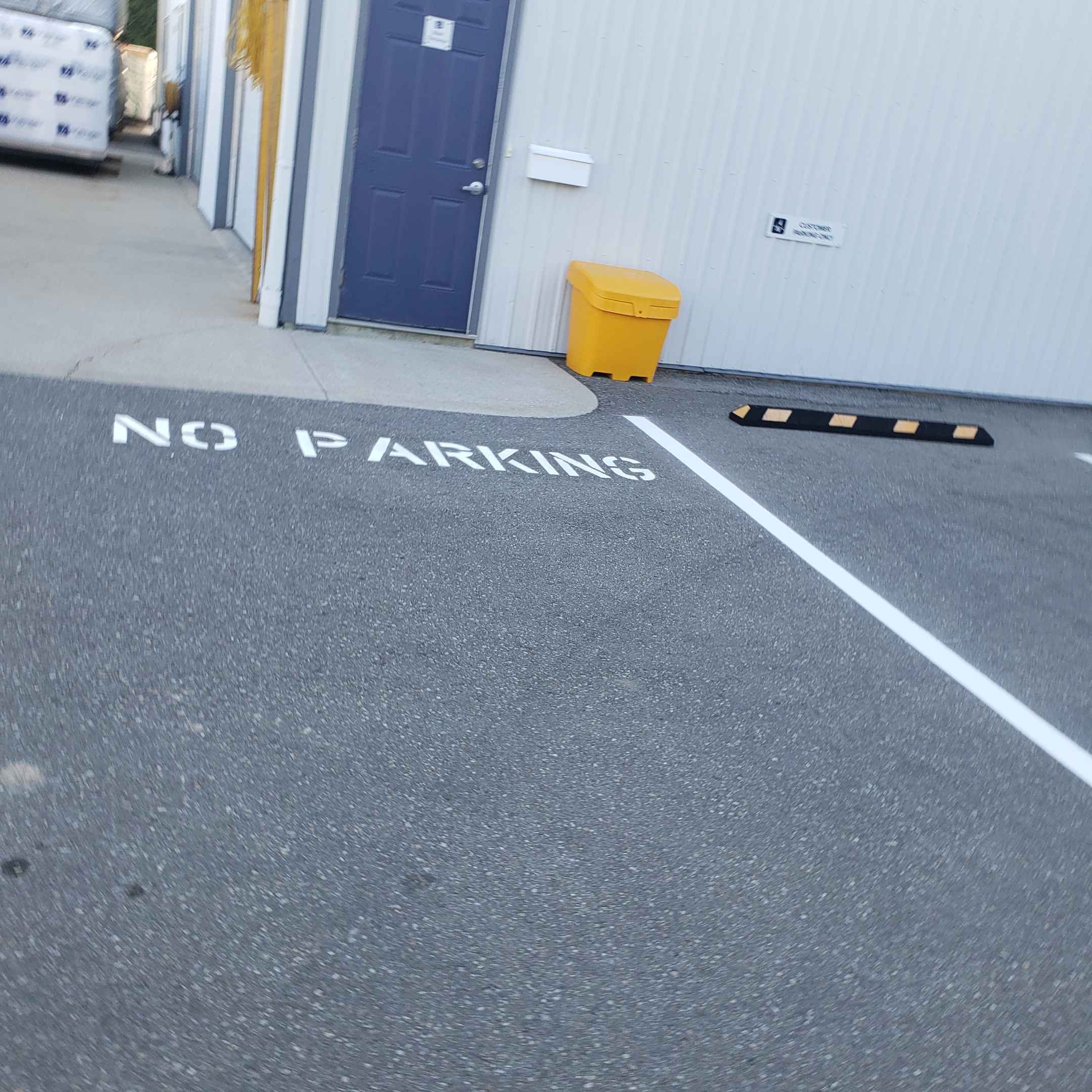
- Clear Textual Markings: Using the words "FIRE LANE - NO PARKING" in large, bold lettering is critical for enforcement.
- Continuous Bordering: Using solid lines helps define the boundary where parking is strictly prohibited.
- Consistent Maintenance: Faded markings can lead to non-compliance fines; regular line painting is necessary to keep them visible.
Optimizing Loading Zones for Efficiency
Loading zones are the lifeblood of retail and industrial operations. If these areas are poorly marked or frequently encroached upon by unauthorized vehicles, it can cause significant delays in your supply chain. Effective line marking helps dictate exactly where heavy vehicles should position themselves to minimize disruption.
When planning your loading zone layout, consider the following best practices:
1. Strategic Placement
Loading zones should be located near service entrances but positioned so that the maneuvering of large trucks does not obstruct main traffic flow or pedestrian walkways. Capital Parking Lot Line Painting recommends a thorough site assessment before any paint hits the asphalt.
2. Use of Contrasting Colors
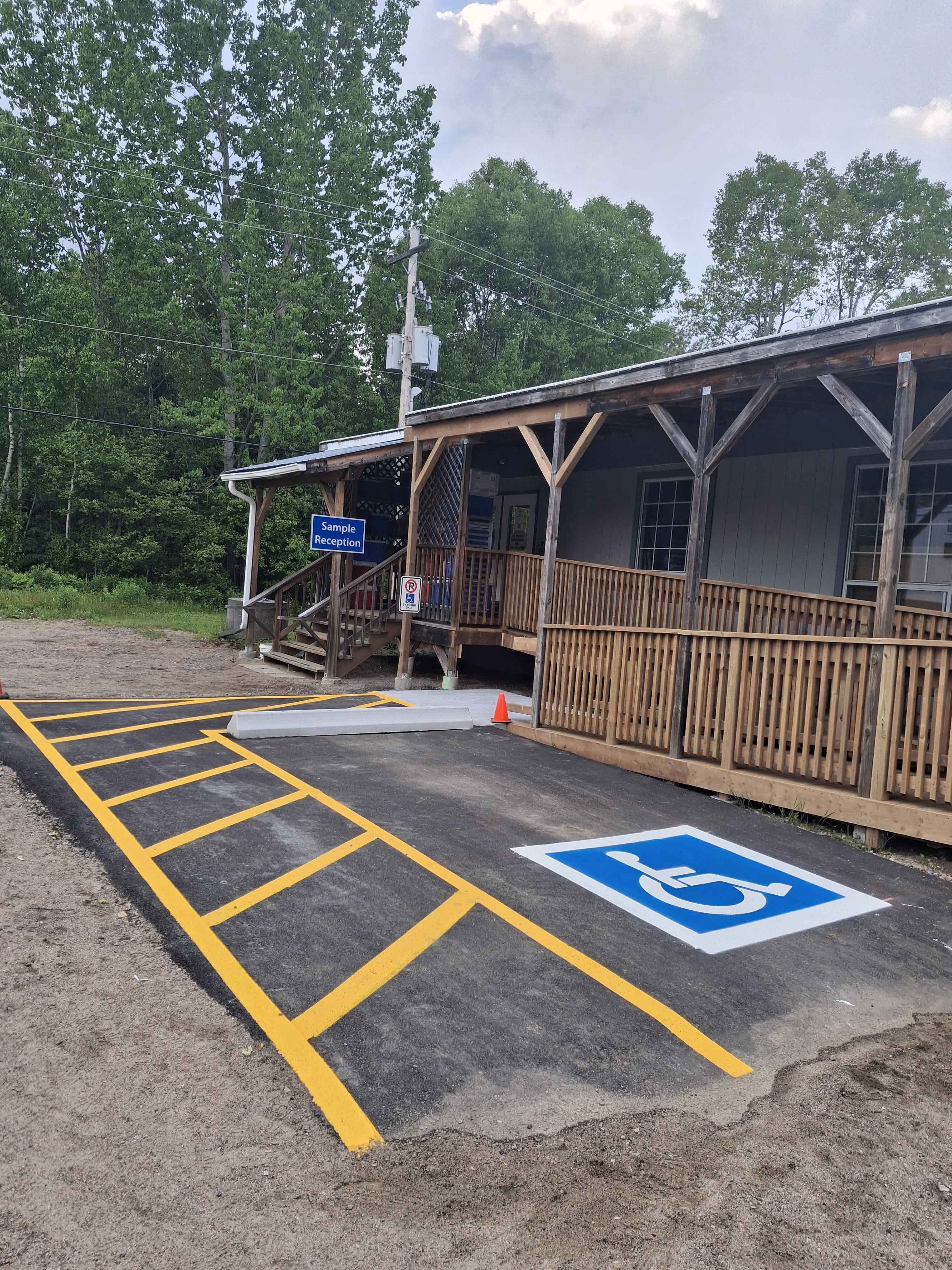
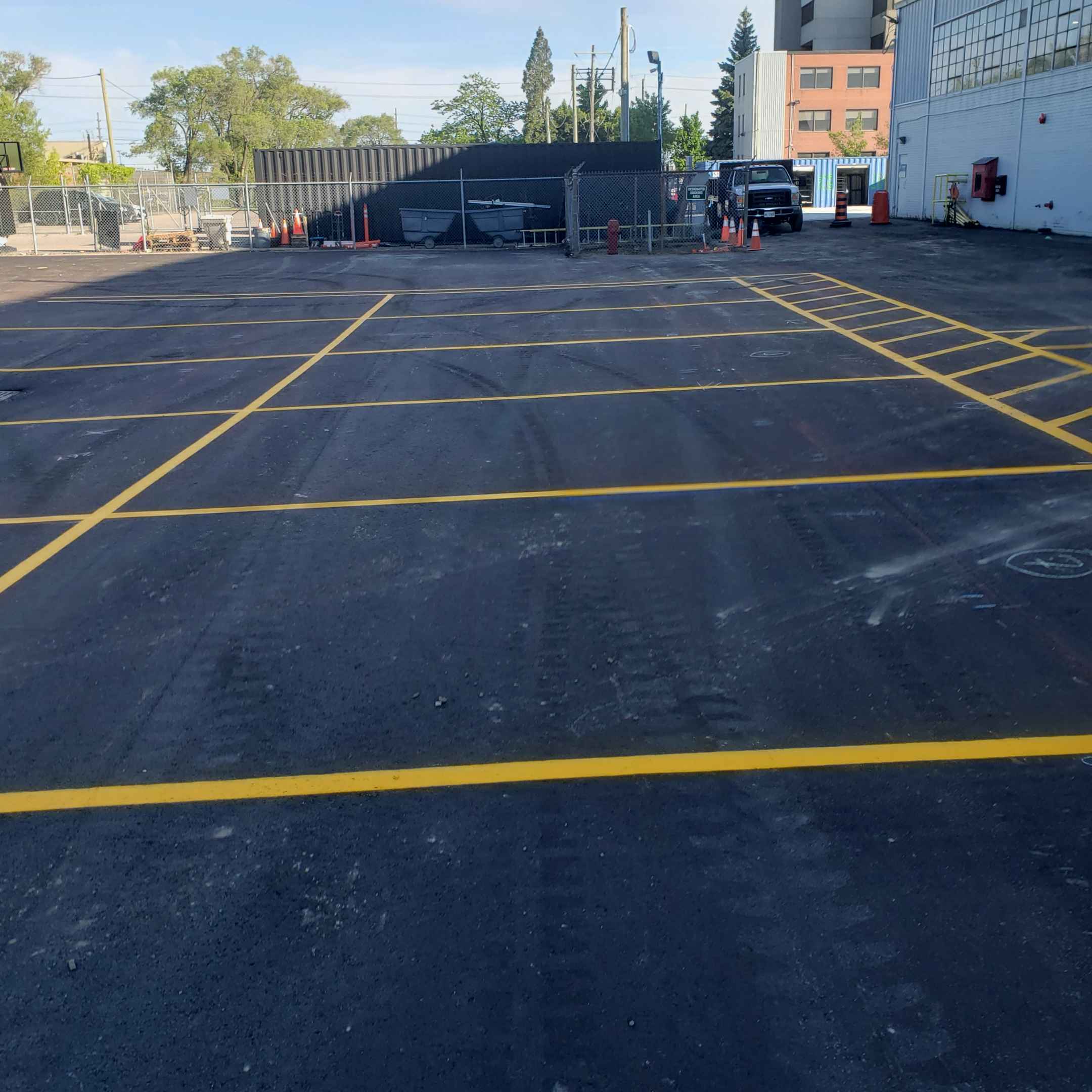
While fire lanes are typically red, loading zones can benefit from high-contrast colors like yellow or white to clearly differentiate them from standard parking stalls. This visual distinction helps drivers immediately identify where they are permitted to stop.
3. Directional Markings
In complex loading docks, using arrows and directional line marking can help guide drivers through tight turns, reducing the risk of property damage and collisions.
Common Mistakes to Avoid
Even with the best intentions, many property managers fall into common traps during the line marking process. Avoiding these pitfalls will save time and prevent future maintenance issues:
- Ignoring Surface Preparation: Applying paint to dirty or oily asphalt will lead to premature peeling.
- Using Low-Quality Materials: Not all paints are created equal. Professional-grade coatings are required to withstand heavy vehicle traffic.
- Inconsistent Widths: Lines that vary in width create a sense of disorder and can confuse drivers.
- Neglecting Pedestrian Crosswalks: Safety isn't just for cars; ensuring pedestrian paths are clearly marked alongside loading zones is vital.
Why Professional Line Painting Matters
While DIY solutions might seem tempting, the complexity of municipal codes and the physical demands of heavy-duty traffic require professional expertise. Capital Parking Lot Line Painting utilizes advanced equipment and high-durability materials to ensure that every line is straight, every color is vibrant, and every zone is compliant with local regulations.
By investing in professional line marking, you are investing in the long-term safety of your visitors, the efficiency of your staff, and the legal protection of your business.