When Is the Right Time of Year to Fill Cracks in Asphalt?
Understanding the seasonal nuances of pavement maintenance is the key to long-term durability and cost-effective property management.
If you own a commercial property or manage a residential complex, you know that asphalt is a living, breathing surface. It expands in the heat and contracts in the cold. Over time, this constant movement leads to the inevitable appearance of cracks. While a small crack might seem like a minor cosmetic issue, it is actually a warning sign. If left untreated, water can seep into these fissures, freeze, and expand, leading to massive potholes and structural failure.
For property owners in Hamilton, a top 30 city in Ontario, the weather plays a massive role in how your asphalt behaves. The rapid transition from freezing winters to humid summers creates a cycle of stress that requires strategic maintenance. At Capital Parking Lot Line Painting, we see firsthand how timing can make or break the success of an asphalt repair project.
The Ideal Window: Spring and Fall
When asking when the right time is to fill cracks, the answer isn't just about the temperature; it is about the moisture levels and the upcoming weather patterns. Generally, there are two primary windows that experts recommend:
1. The Spring Awakening
Once the snow has melted and the ground has stabilized, spring is an excellent time for crack filling. During this period, the asphalt has often undergone significant stress from the winter freeze-thaw cycles. Repairing cracks in the spring allows you to address the damage caused by the previous winter before the intense heat of summer begins to soften the bitumen.
2. The Autumn Preparation
Fall is arguably the most critical time for maintenance. As the leaves begin to drop and the air turns crisp, you want your pavement sealed and ready for the onslaught of winter. Filling cracks in the fall prevents water from entering the sub-base during the winter months, which is the single most important step in preventing potholes. Capital Parking Lot Line Painting highly recommends a fall inspection to ensure your lot is fortified against the frost.
Why Timing Matters: The Risks of Poor Scheduling
- Extreme Heat: Filling cracks during a heatwave can cause the sealant to become too runny, leading to uneven application and poor adhesion.
- Excessive Moisture: If it is raining or the asphalt is damp, the sealant won't bond properly, rendering the repair useless.
- Imminent Freezing: Applying sealant right before a deep freeze can trap moisture underneath, causing the repair to pop out almost immediately.
- Sub-base Saturation: If the ground is too wet from heavy spring rains, the structural integrity of the area around the crack may be compromised.
The Connection Between Crack Filling and Line Marking
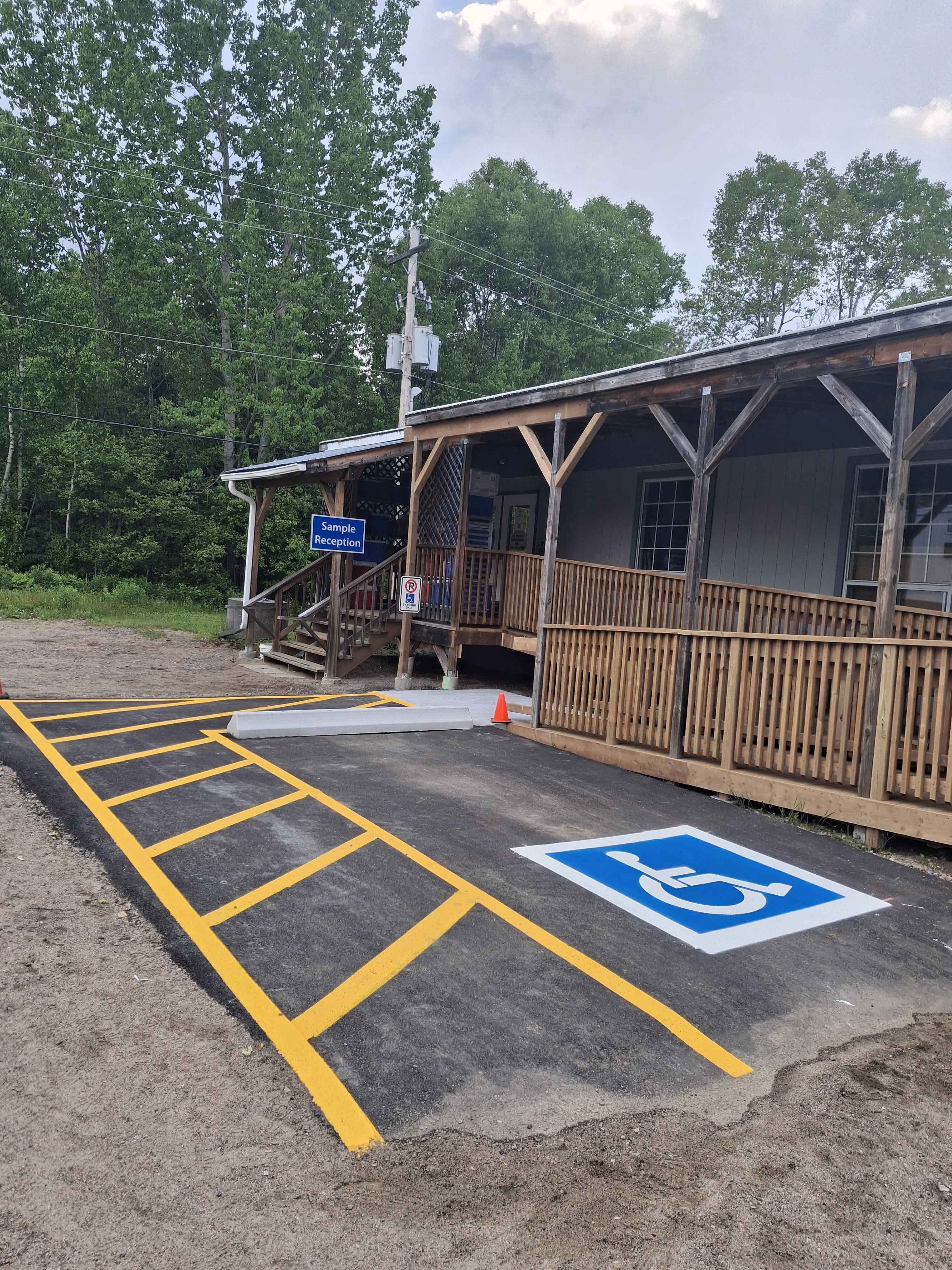
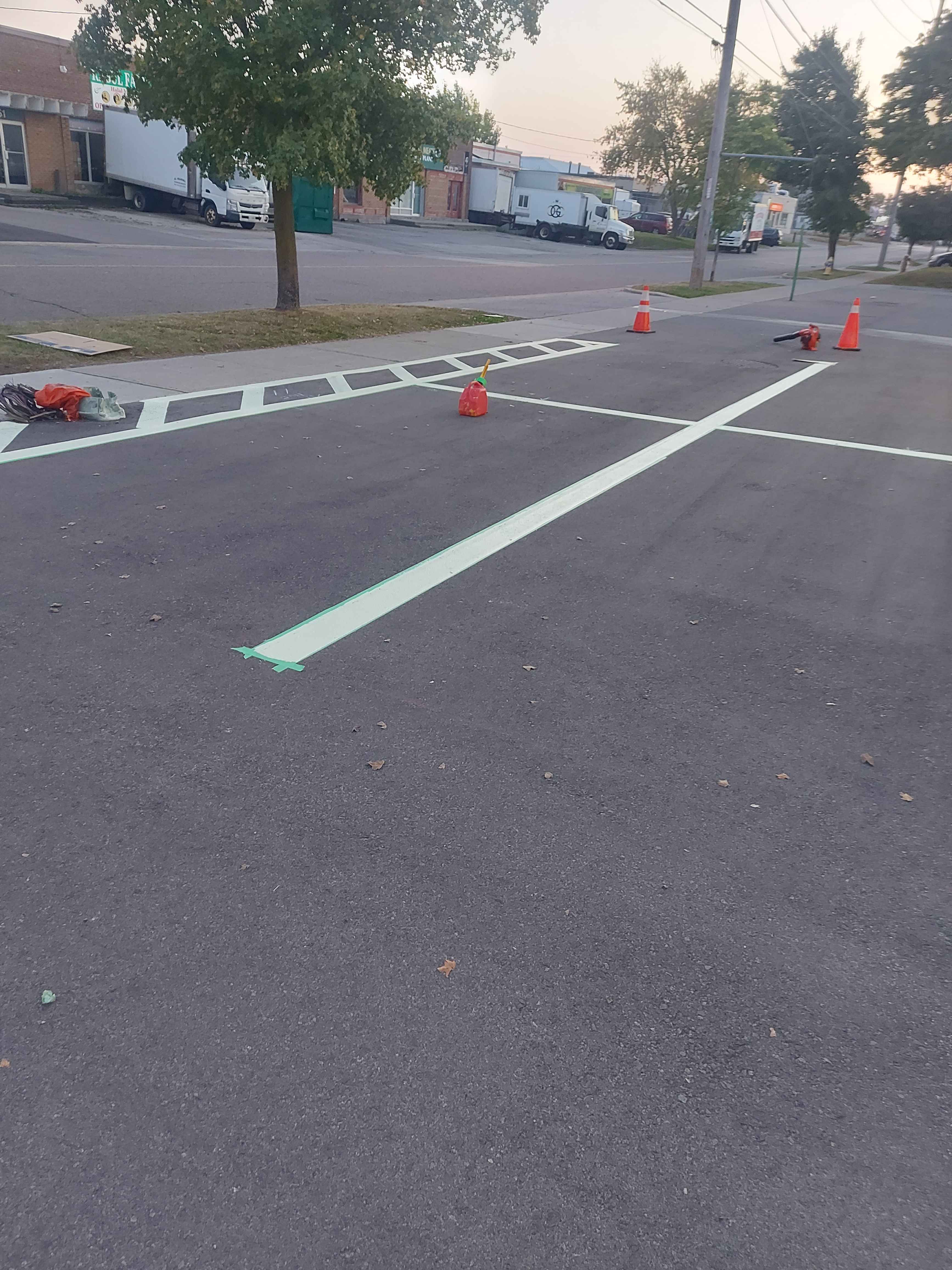
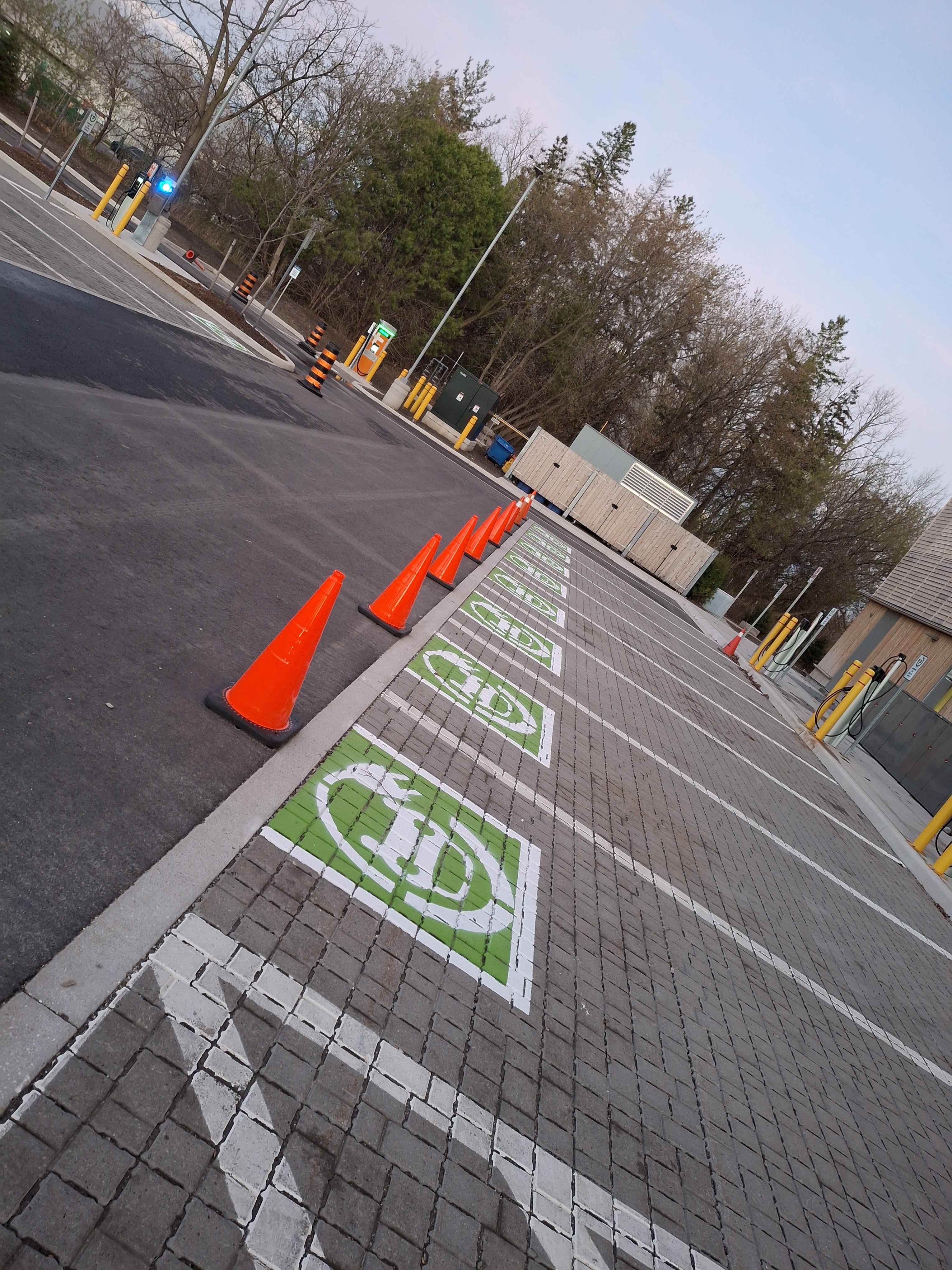
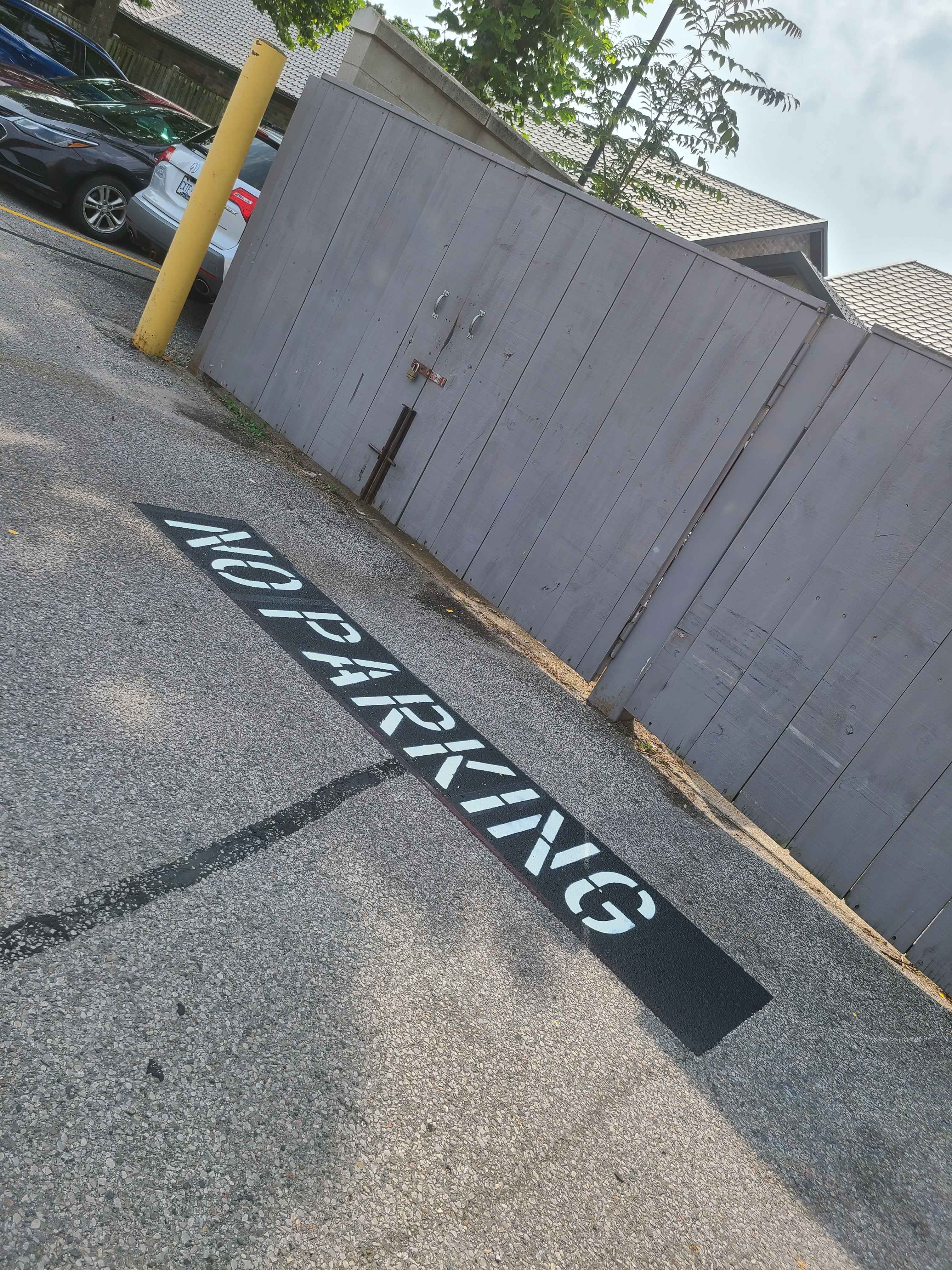
Many property managers wait until they are doing a full resurfacing to think about aesthetics. However, maintenance is most effective when done in stages. For example, once your cracks are filled and the surface is stabilized, it is the perfect time to refresh your Line Marking.
Fresh Line Painting not only improves the professional appearance of your facility but also enhances safety by clearly defining pedestrian walkways and parking stalls. By coordinating your crack filling with your Line Painting schedule, you can achieve a complete lot rejuvenation in a single maintenance cycle. Capital Parking Lot Line Painting specializes in these integrated services to provide a seamless experience for our clients in Hamilton and surrounding areas.
Best Practices for a Successful Repair
To ensure your asphalt lasts as long as possible, follow these professional guidelines:
- Clean the Cracks: Before any sealant is applied, the cracks must be free of dirt, debris, and vegetation.
- Dry Surface: Ensure the asphalt is completely dry. Moisture is the enemy of a good bond.
- Use High-Quality Materials: Not all sealants are created equal. Professional-grade hot-pour rubberized asphalt is often the best choice for durability.
- Professional Inspection: Periodically have a professional assess the depth and width of cracks to determine if simple filling is enough or if more intensive repairs are required.
Ready to Protect Your Investment?
Don't wait for a pothole to appear before taking action. Proactive maintenance is the most effective way to extend the life of your pavement and ensure a safe environment for your customers and tenants.