When Is the Right Time of Year to Fill Cracks in Asphalt?
Understanding the seasonal rhythm of asphalt maintenance is the key to preventing structural failure and extending the life of your pavement.
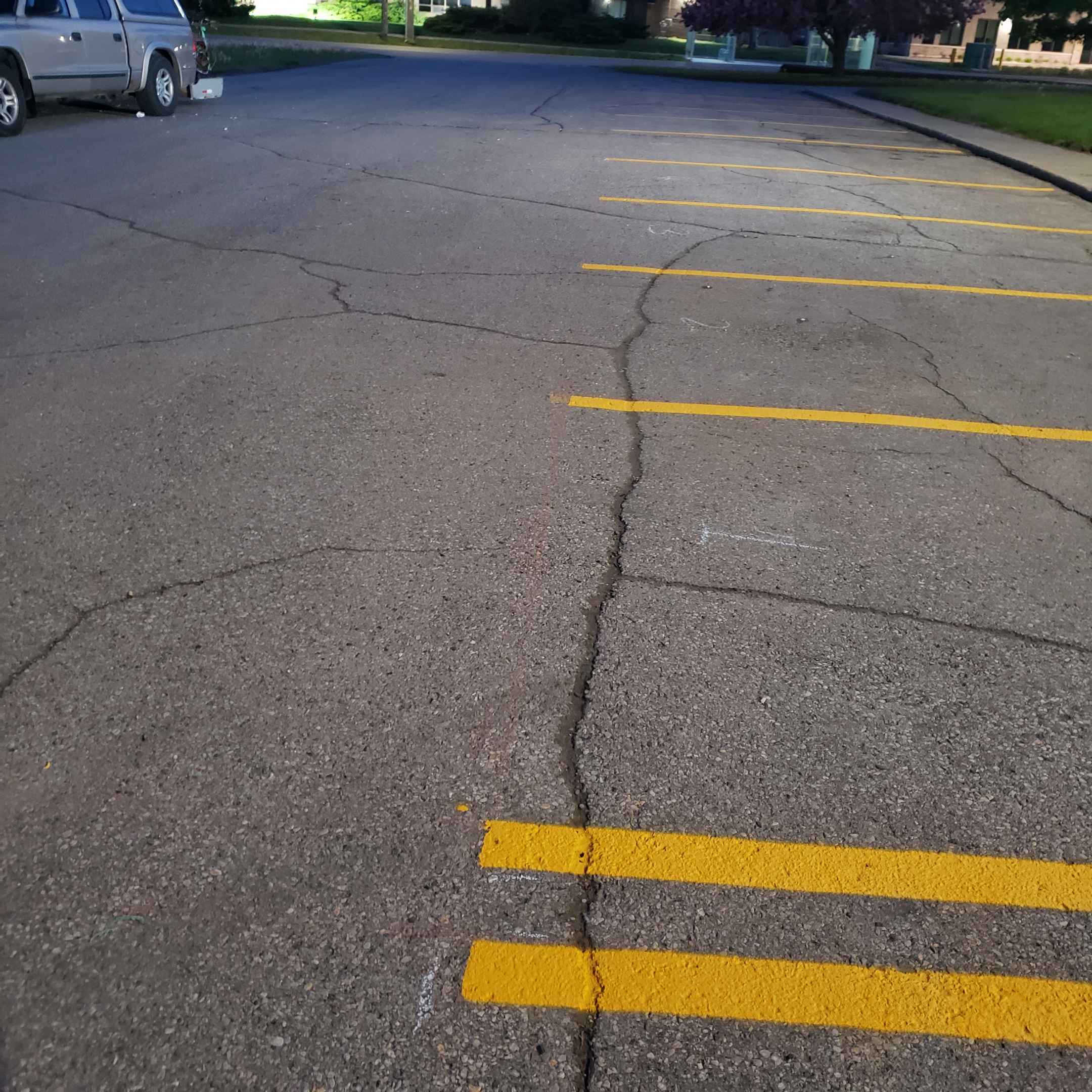
If you own a commercial property or manage a large residential complex, you know that asphalt is a living, breathing material. It expands in the heat and contracts in the cold. Over time, this constant movement leads to the inevitable appearance of cracks. While a small crack might seem like a minor cosmetic issue, it is actually a gateway for water to enter the sub-base of your parking lot, leading to much larger problems like potholes and structural collapses.
For property owners in London, Ontario, the weather plays a massive role in how your asphalt behaves. Because we experience significant temperature swings, timing your maintenance is not just a suggestion—it is a necessity. At Capital Parking Lot Line Painting, we see firsthand how proactive crack filling can save property owners thousands of dollars in long-term reconstruction costs.
The Golden Window: Spring and Fall
In the climate of Southwestern Ontario, there are two primary windows for effective asphalt crack filling. Choosing the wrong time can result in the sealant failing to bond correctly, or worse, being washed away by sudden rain or frozen by an early frost.
1. The Spring Refresh
As the snow melts and the ground begins to thaw, the asphalt undergoes significant stress. The freeze-thaw cycle is one of the most destructive forces for pavement. Once the ground has dried out slightly after the spring thaw, it is an excellent time to address cracks that were widened by ice expansion. Performing maintenance in the spring ensures your lot is stabilized before the heavy summer heat arrives.
2. The Autumn Preparation
Many professionals consider late summer or early autumn to be the absolute best time for crack filling. The goal here is to "seal the envelope" before the winter snow and ice arrive. By filling cracks in the fall, you prevent water from seeping into the cracks and freezing during the winter, which is what causes the most aggressive pavement damage. Capital Parking Lot Line Painting highly recommends this window to ensure your pavement is armored against the upcoming frost.
Why Timing Matters: The Science of Adhesion
Crack filling is not just about pouring a substance into a gap; it is about chemical and thermal bonding. For a successful repair, the following conditions must be met:
- Temperature Stability: The ambient temperature must be high enough to allow the sealant to melt and flow into the crack, but not so hot that it cures too rapidly.
- Dryness: Moisture is the enemy of adhesion. If the crack contains water, the sealant will sit on top of the water rather than bonding to the asphalt edges.
- Sub-base Integrity: If the ground is too saturated from heavy rain, the underlying soil may be too soft to support the repair properly.
Common Mistakes to Avoid
Many property managers in London attempt to "patch" cracks themselves during the wrong season, only to find the patch popping out within months. Here are the most common errors:
Filling During Freezing Temps
Attempting to fill cracks when the temperature is near or below freezing will result in a failed bond. The sealant will not penetrate the depth of the crack, leaving the bottom open to water infiltration.
Ignoring Small Cracks
Waiting until a crack becomes a pothole is a mistake. Small cracks are much easier and more effective to seal. Once the sub-base is compromised, simple crack filling is no longer an option.
Beyond Crack Filling: A Complete Maintenance Plan
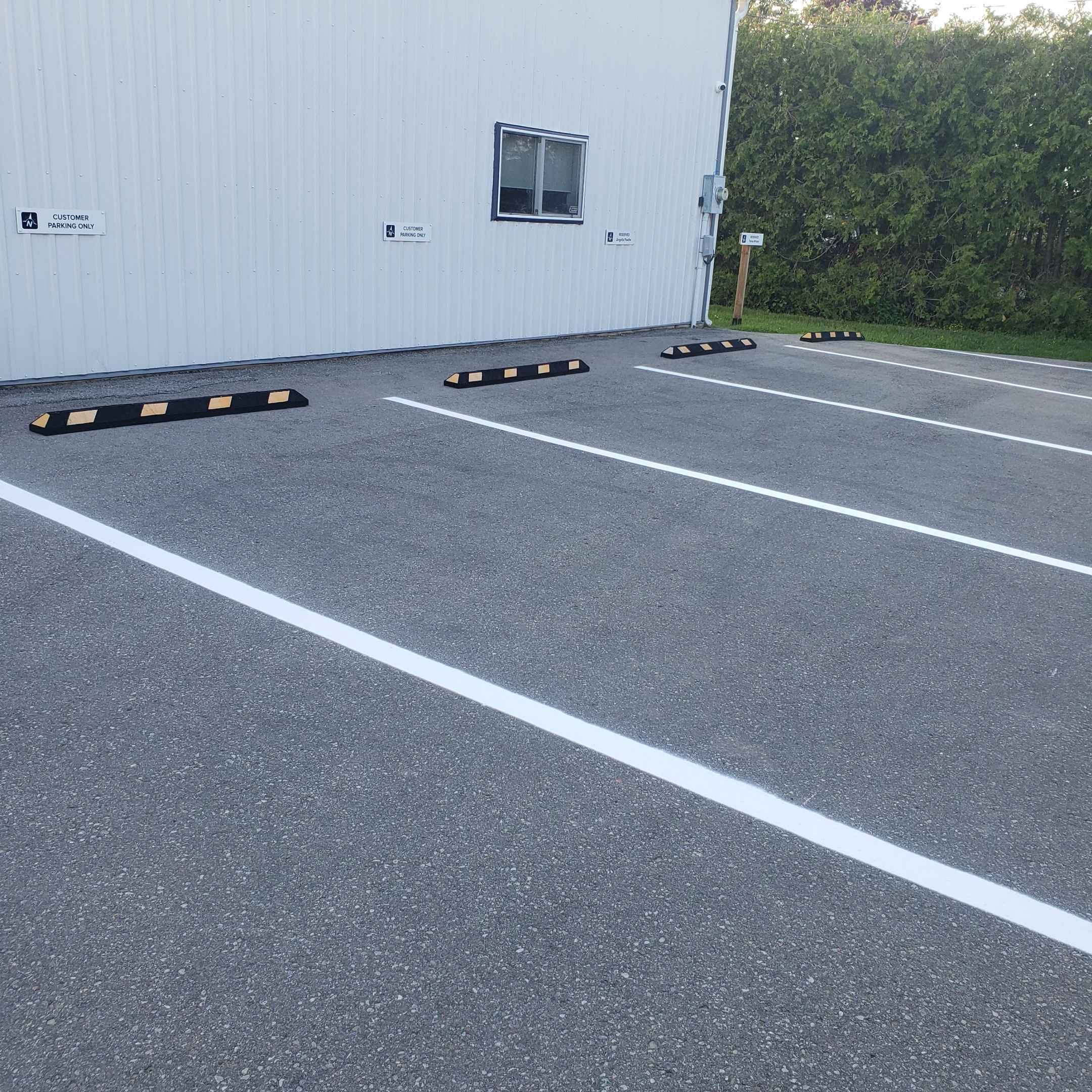
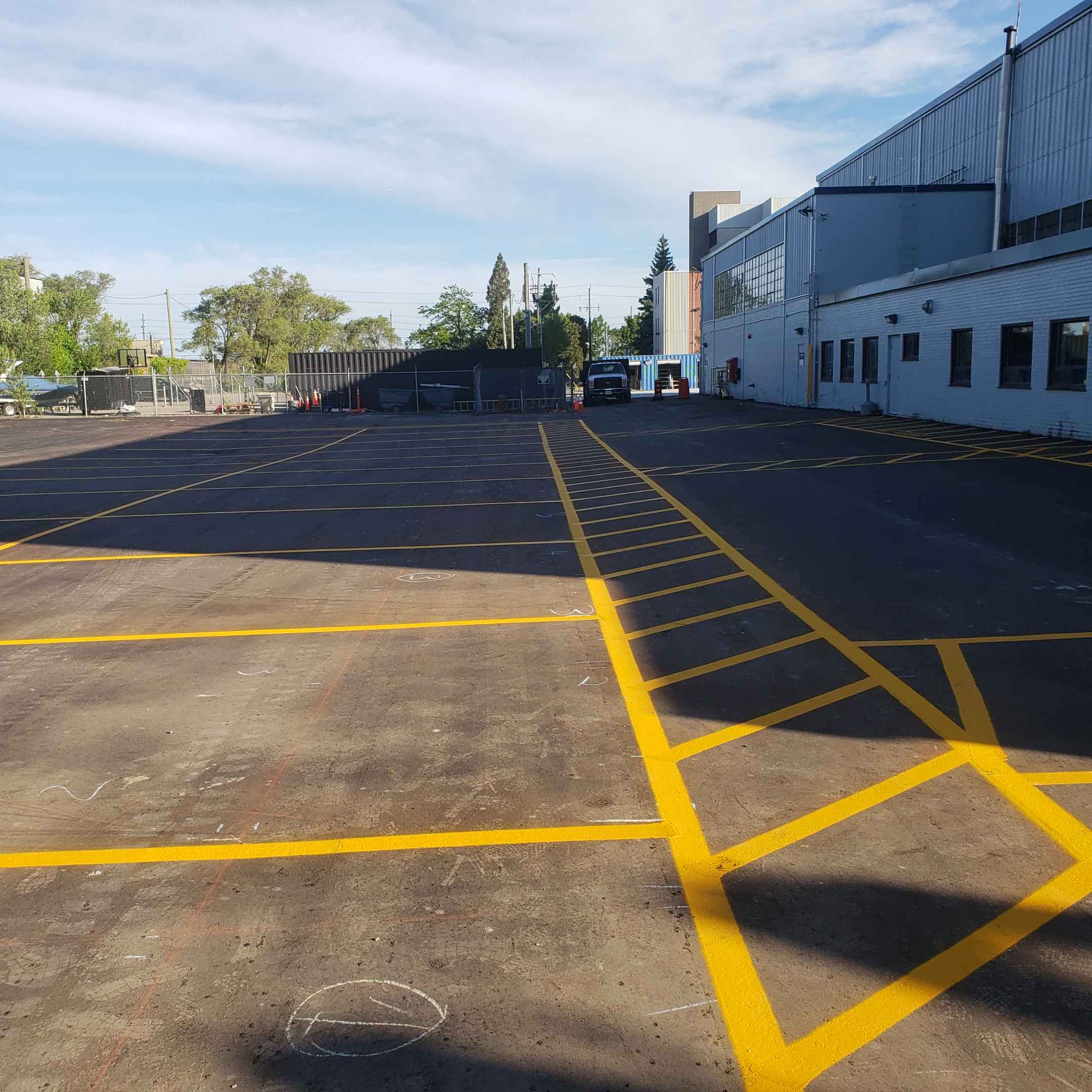
While crack filling protects the structural integrity of your lot, it is only one part of a professional maintenance strategy. To keep a parking lot looking professional and functioning safely, you should also consider Line Marking and surface treatments.
Clean, visible lines are essential for traffic flow, safety, and compliance with accessibility regulations. Capital Parking Lot Line Painting specializes in comprehensive lot care, ensuring that your pavement is not only structurally sound but also visually appealing and easy to navigate for your customers.
Ready to Protect Your Investment?
Don't wait for the first freeze to realize your asphalt is in trouble. Contact the experts at Capital Parking Lot Line Painting to schedule an inspection and ensure your property is ready for the season.