Can You Sealcoat in Humid or Damp Conditions?
Understanding the delicate balance between weather, moisture, and asphalt longevity.
If you own a commercial property or a large residential driveway, you know that asphalt is constantly battling the elements. From the scorching summer sun to the freezing Ontario winters, your pavement takes a beating. One of the most effective ways to protect this investment is through professional sealcoating. However, a common question arises during the spring and summer months: Can you sealcoat in humid or damp conditions?
The short answer is: it is highly risky. While it might be tempting to squeeze in a maintenance session during a cloudy week, the science of asphalt protection requires specific environmental conditions to succeed. At Capital Parking Lot Line Painting, we prioritize the integrity of your pavement over a quick fix, which means we carefully monitor the weather before every application.
The Science of Drying and Adhesion
Sealcoating isn't just "painting" the ground; it is a chemical process. The sealant is designed to bond with the aggregate in the asphalt, creating a protective barrier against water, oil, and UV rays. For this bond to form correctly, the moisture content in the asphalt and the surrounding air must be within a specific range.
The Problem with High Humidity
Humidity refers to the amount of water vapor present in the air. When humidity levels are high, the evaporation process slows down significantly. Since sealcoating relies heavily on evaporation to cure, high humidity can lead to several issues:
- Extended Cure Times: The sealant may stay tacky for days, leaving your lot vulnerable to tire marks and debris.
- Poor Adhesion: If the sealant cannot dry properly, it may fail to bond with the asphalt, leading to premature peeling or flaking.
- Clouding and Texture Issues: Excessive moisture can alter the final appearance, resulting in a blotchy or uneven finish.
The Danger of Damp Surfaces
There is a massive difference between "humid air" and "damp pavement." If the asphalt itself is damp—due to recent rain, morning dew, or underground moisture rising to the surface—the sealcoat will almost certainly fail. Water acts as a barrier between the sealant and the asphalt, preventing the two from ever truly connecting. This results in a coating that can be washed away by the next heavy rain.
Why Timing Matters in Guelph, Ontario
In a top 30 city like Guelph, weather patterns can be notoriously unpredictable. You might experience a bright, sunny morning followed by a sudden afternoon thunderstorm. For property managers in the Guelph area, this volatility makes scheduling sealcoating a complex task.
Professional contractors like Capital Parking Lot Line Painting utilize advanced meteorological forecasting to ensure that we don't just look at the current sky, but at the 48-to-72-hour window following the application. We look for a window of dry weather and moderate humidity to ensure the job is done right the first time.
The Comprehensive Maintenance Approach
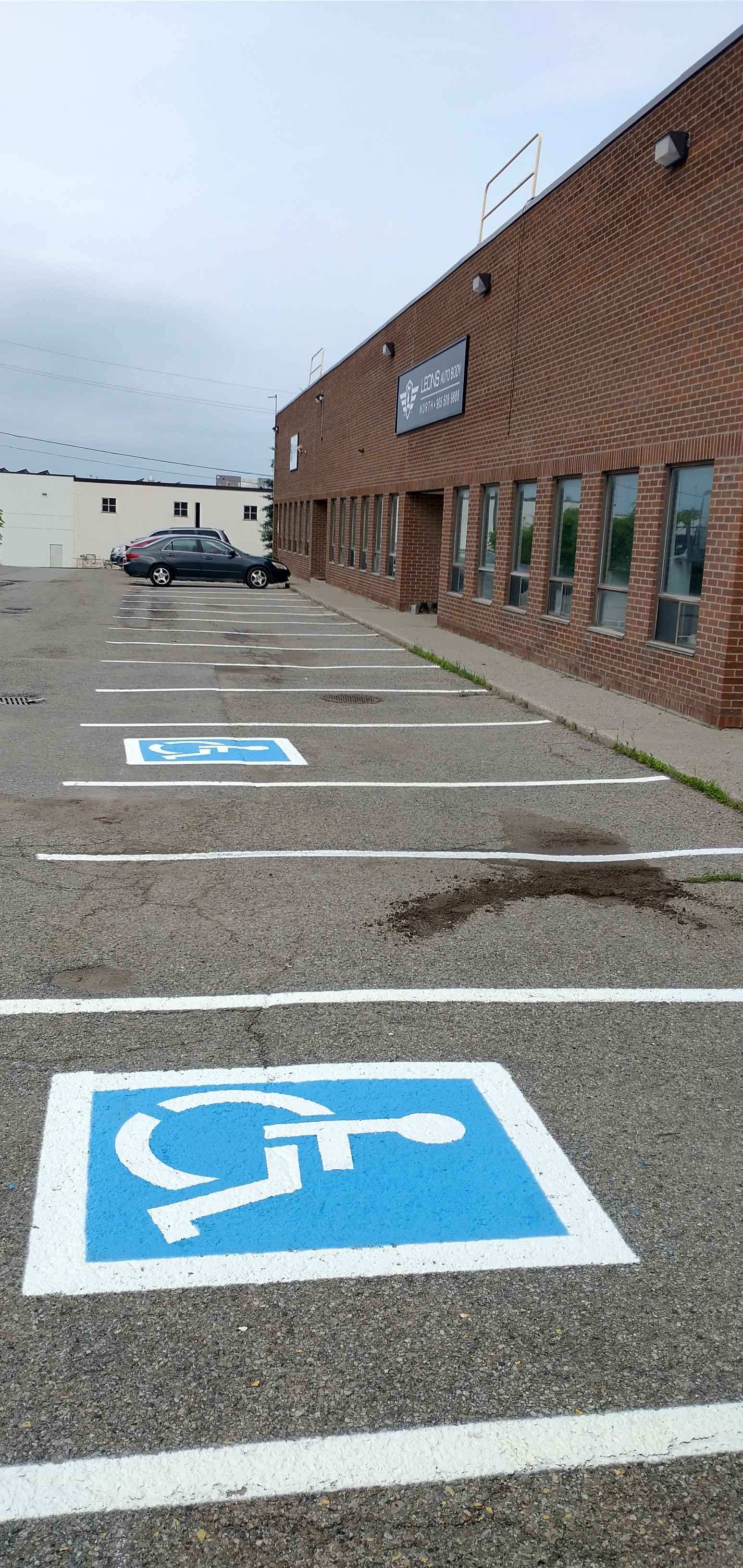
Sealcoating is only one piece of the puzzle. To maintain a pristine and safe parking lot, you must also consider the visibility of your markings. Once the sealcoat has fully cured, the next step in a professional maintenance cycle is often Line Painting or Line Marking. High-contrast, bright lines are essential for safety, traffic flow, and ADA compliance.
At Capital Parking Lot Line Painting, we recommend a holistic approach. We don't just apply a coating; we evaluate the entire surface to ensure that your pavement is structurally sound before we ever apply a drop of sealant or begin any Line Painting work.
Summary: Ideal Conditions for Success
To get the best return on your investment, aim for these conditions:
- ✅ Dry Surface: The asphalt must be completely dry to the touch.
- ✅ Low Humidity: Ideally, humidity should be below 70% to allow for efficient evaporation.
- ✅ No Rain Forecast: At least 24-48 hours of dry weather post-application.
- ✅ Moderate Temperatures: Warm enough for curing, but not so hot that the sealant dries too fast and cracks.
Don't Gamble with Your Asphalt
Attempting to sealcoat in poor weather might save a few days of waiting, but it will cost you thousands in repairs when the coating fails. Trust the experts who understand the local climate and the science of asphalt.