Cold vs. Hot Crack Fill: Which Is Best for Ontario Winters?
As the frost settles in and the temperature drops, asphalt surfaces across Ontario face their greatest challenge. Understanding how to protect your pavement is essential for long-term durability.
The Battle Against the Freeze-Thaw Cycle
In Northern Ontario cities like North Bay, the weather is notoriously unpredictable. One day you might experience a mild thaw, only to have temperatures plummet below freezing the next. This constant fluctuation creates the dreaded "freeze-thaw cycle." When water enters small cracks in your asphalt, it expands as it freezes, acting like a wedge that pushes the pavement apart. Without proper intervention, these tiny fissures quickly evolve into massive potholes.
At Capital Parking Lot Line Painting, we see firsthand how neglected cracks can lead to total pavement failure. Choosing between cold and hot crack filling isn't just about preference; it's about selecting the right tool for the specific environmental demands of your location.
What is Cold Crack Filling?
Cold crack filling involves using a rubberized, liquid-based material that can be applied at ambient temperatures. It is often used for quick repairs or in situations where immediate heavy traffic is expected. Because it doesn't require heating equipment, it is a highly accessible method for minor maintenance.
Pros and Cons of Cold Fill
- Ease of Application: Can be applied quickly without specialized heating machinery.
- Immediate Use: Often allows for faster return to service in high-traffic areas.
- Temporary Nature: Generally offers a shorter lifespan compared to hot methods.
- Adhesion Limits: May struggle to bond deeply in very old, weathered cracks.
What is Hot Crack Filling?
Hot crack filling is the industry standard for professional-grade asphalt preservation. This process involves heating a specialized bitumen-based sealant until it reaches a molten state. The heat allows the sealant to penetrate deep into the core of the crack, creating a much more robust and permanent bond with the existing asphalt.
For property owners in North Bay, where winter severity is a major factor, hot crack filling provides a much-needed shield. The high-temperature application ensures that the sealant becomes an integral part of the pavement structure rather than just a surface layer.
Comparing the Two Methods
When deciding which method to employ, consider the following comparison:
| Feature | Cold Crack Fill | Hot Crack Fill |
|---|---|---|
| Durability | Moderate/Low | High |
| Penetration | Surface Level | Deep Core |
| Longevity | 1-2 Seasons | 3-5+ Seasons |
| Best Use Case | Emergency/Minor | Preventative/Major |
The Importance of Professional Maintenance
While DIY kits exist, they rarely provide the longevity required to withstand an Ontario winter. Professional crews from Capital Parking Lot Line Painting use industrial-grade equipment to ensure the temperature of the sealant is precise. If the sealant is too cool, it won't penetrate; if it's too hot, it can damage the surrounding asphalt.
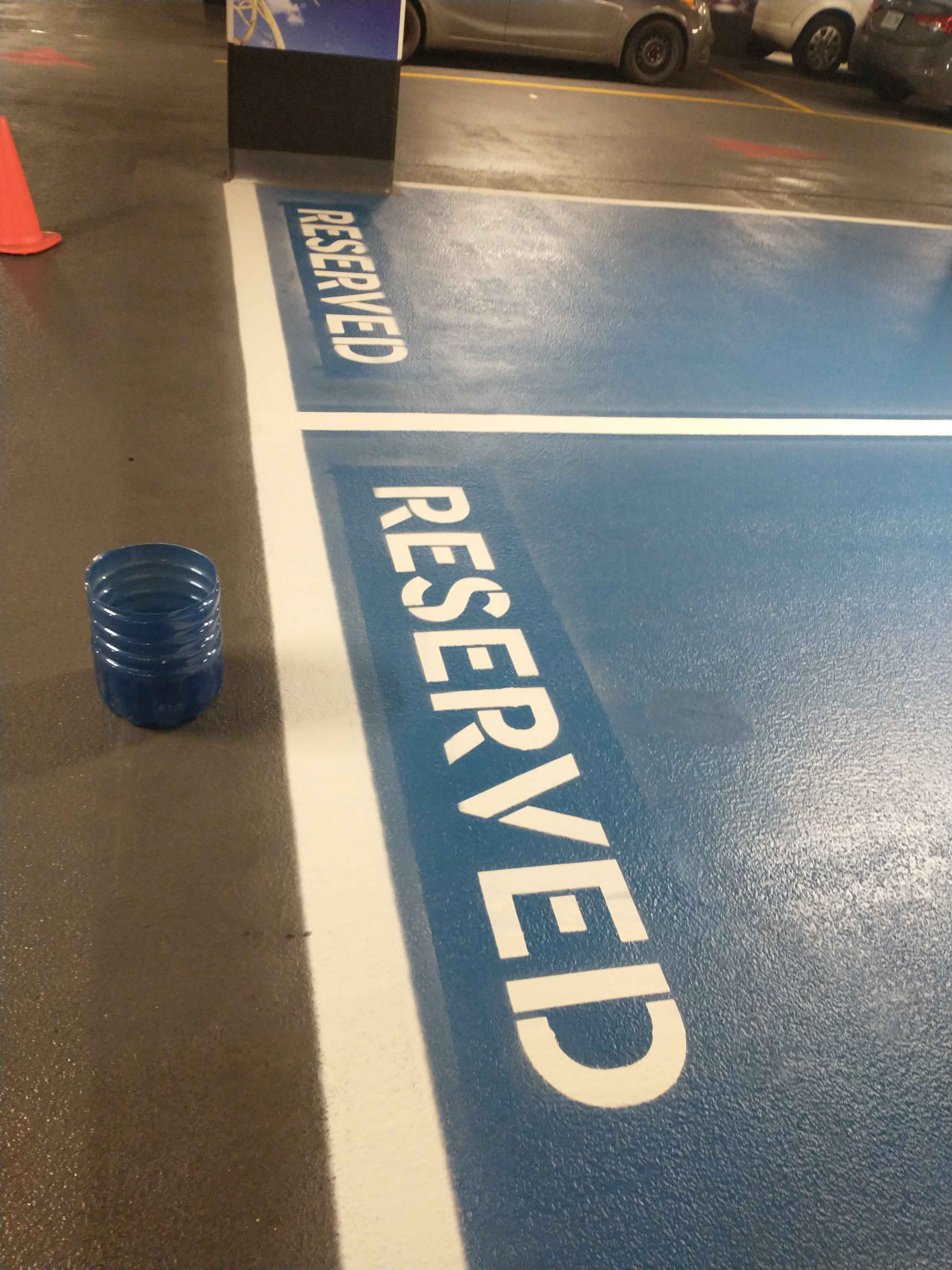
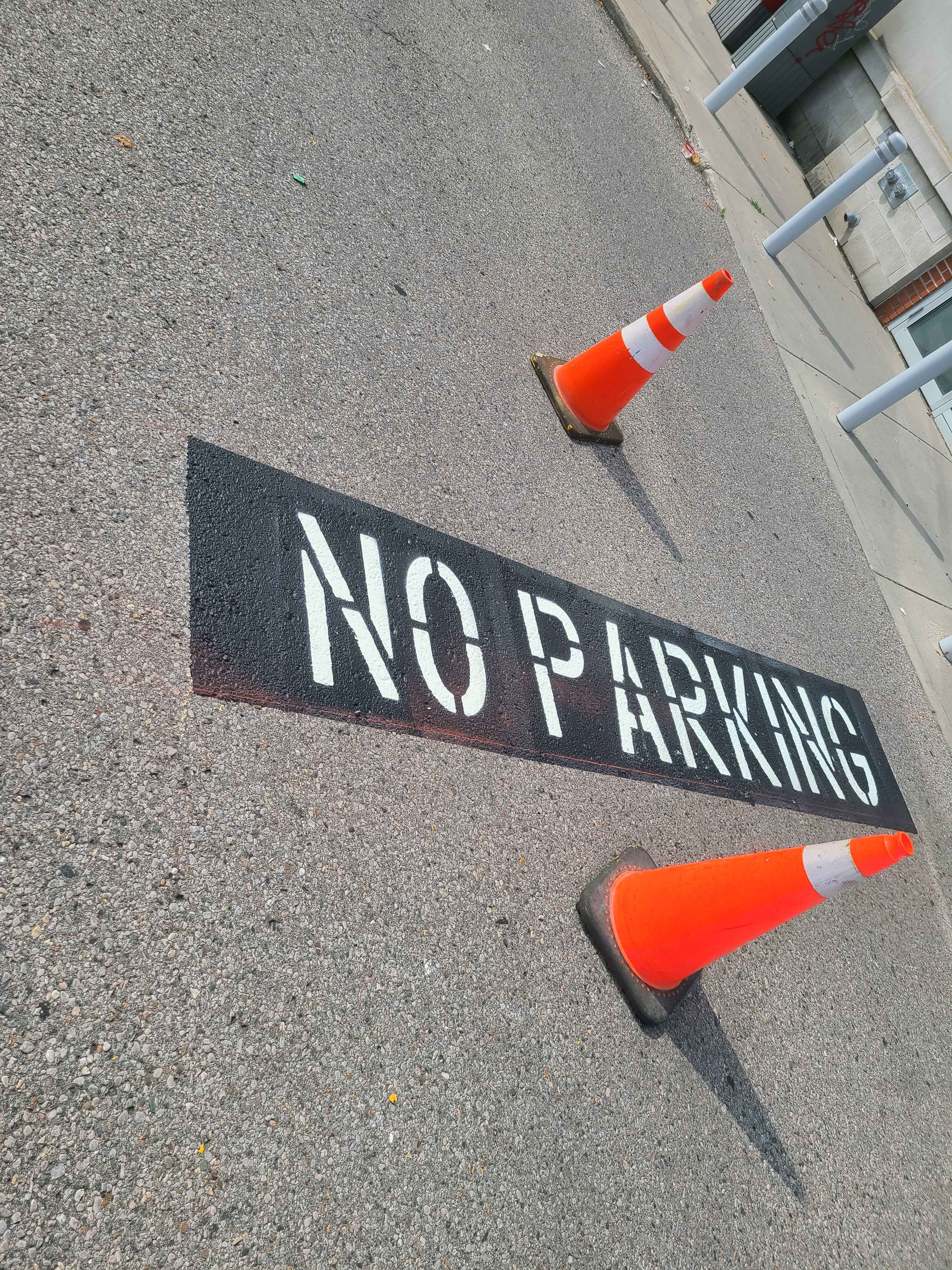
Furthermore, crack filling is most effective when paired with professional Line Marking. Ensuring your parking lot has clear, visible lines through proper Line Painting not only improves safety but also ensures that vehicles are parked in a way that minimizes unnecessary wear and tear on the asphalt surface.
Ready to Protect Your Pavement?
Don't wait for the spring thaw to reveal massive potholes. Proactive maintenance is the most effective way to extend the life of your parking lot. Capital Parking Lot Line Painting specializes in comprehensive asphalt care, from professional Line Painting to advanced crack sealing.