How to Use Color Coding in Line Marking for Better Organization
Transform your spatial management with the strategic application of color in professional line marking.

In any high-traffic environment, whether it is a sprawling commercial parking lot or a bustling industrial warehouse, clarity is the key to safety and efficiency. While many property owners view line marking as a simple way to define boundaries, there is a much deeper layer of psychological and organizational utility that can be unlocked through color coding. By moving beyond standard white and yellow, businesses can create a visual language that directs movement and prevents accidents before they happen.
At Capital Parking Lot Line Painting, we have seen firsthand how a thoughtful color strategy can revolutionize the way people interact with a property. For businesses operating in a growing urban hub like Hamilton, maintaining a professional and organized appearance is essential for both customer experience and operational safety.
The Psychology of Color in Line Marking
Colors evoke immediate emotional and cognitive responses. In the context of line marking, these responses can be harnessed to guide human behavior. When a driver or a pedestrian sees a specific color, their brain processes that information much faster than reading a sign. This instantaneous recognition is what makes color-coded systems so effective for managing complex environments.
Standard Color Conventions
While custom schemes are possible, adhering to certain industry standards ensures that your color coding is intuitive to everyone who visits your site. Using these colors correctly helps maintain a sense of order and professionalism.
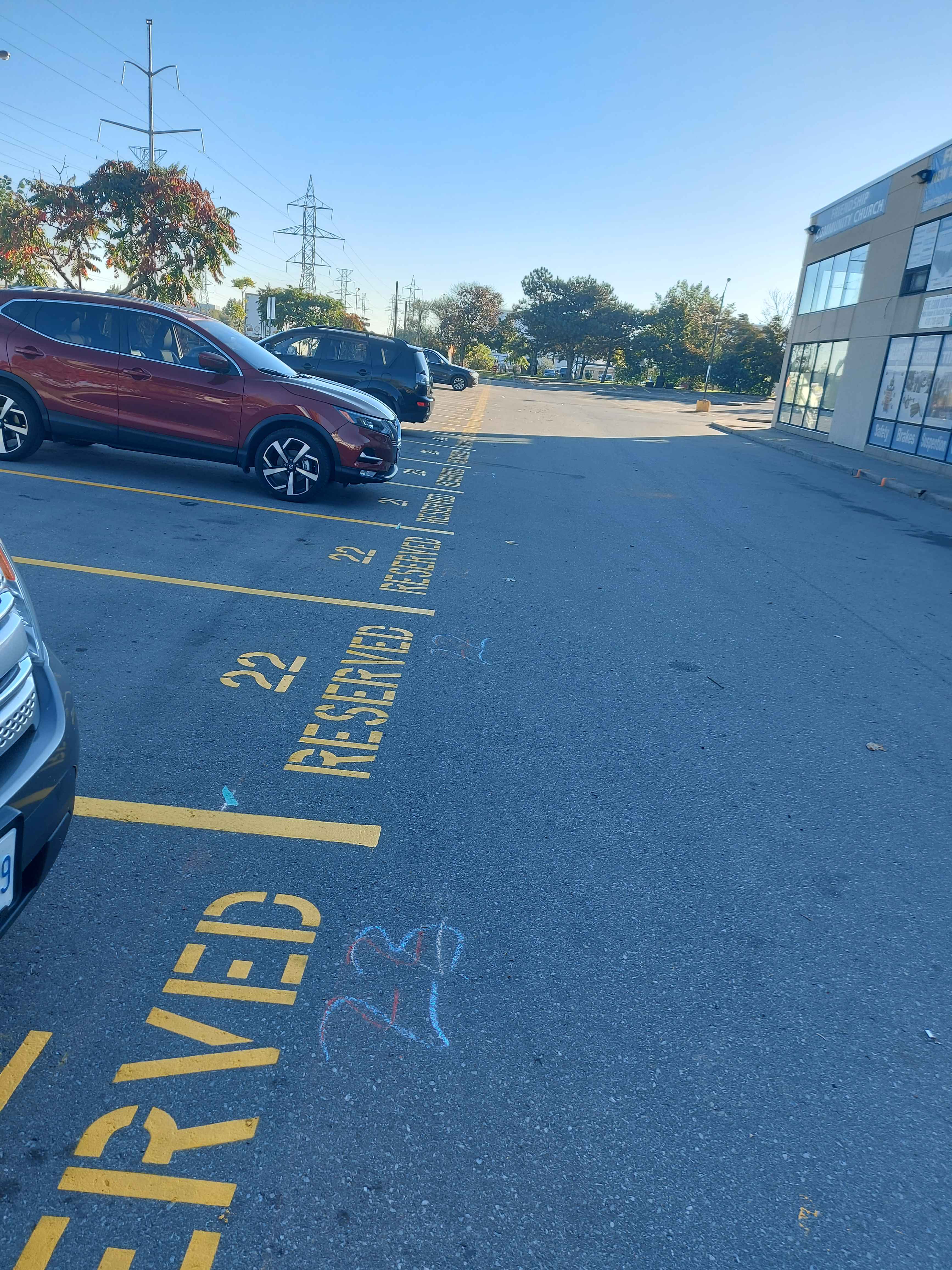
- Yellow: Typically used for caution, warning, or to denote temporary boundaries and high-traffic lanes.
- White: The standard for general parking stalls, lane dividers, and directional arrows.
- Blue: Universally recognized for accessibility, marking designated handicap parking spaces.
- Red: Used for high-alert zones, fire lanes, or "no parking" areas to ensure emergency access.
- Green: Often used for pedestrian walkways, bicycle lanes, or eco-friendly designated zones.
Applications for Different Environments
Color coding isn't a one-size-fits-all solution; it must be tailored to the specific needs of the facility. Capital Parking Lot Line Painting specializes in assessing these unique requirements to provide customized marking solutions.
1. Commercial Parking Lots
In a commercial setting, color coding helps separate different types of traffic. For example, you might use white for standard customer parking, blue for accessible spots, and red for loading zones. This reduces confusion, minimizes the risk of illegal parking in restricted areas, and ensures that your facility remains compliant with local regulations in Hamilton.
2. Industrial Warehouses and Facilities
Inside a warehouse, line marking is a critical component of Occupational Health and Safety (OHS) protocols. Using color-coded paths for forklifts versus pedestrian walkways can significantly reduce the risk of collisions. High-visibility colors can define storage areas, hazardous zones, and emergency exit paths, creating a structured environment where every worker knows exactly where they belong.
Benefits of a Color-Coded System
Implementing a strategic color scheme offers more than just aesthetic appeal. The benefits include:
- Enhanced Safety: Immediate visual cues reduce the likelihood of accidents in high-risk areas.
- Improved Traffic Flow: Clearer directions lead to smoother movement of vehicles and pedestrians.
- Increased Efficiency: In industrial settings, workers spend less time navigating and more time being productive.
- Professional Image: A well-marked, organized property signals to customers that you care about detail and safety.
- Regulatory Compliance: Proper use of colors (like blue for accessibility) ensures you meet legal standards.
Common Mistakes to Avoid
When planning your line marking project, avoid these frequent pitfalls:
- Overcomplicating the Palette: Using too many colors can lead to "visual noise," which confuses rather than clarifies. Stick to a functional palette.
- Inconsistent Application: If your colors don't match industry standards or your own established logic, they lose their effectiveness.
- Neglecting Maintenance: Faded or chipped lines lose their psychological impact. Regular upkeep is essential.
- Poor Contrast: Ensure your chosen colors provide enough contrast against the pavement to be visible in all lighting conditions.
For expert advice and professional execution, Capital Parking Lot Line Painting can help you design a system that is both beautiful and highly functional.
Ready to Organize Your Property?
Don't leave your facility's organization to chance. Whether you are managing a retail lot or a massive industrial complex, professional line marking is an investment in safety and efficiency. Contact the experts at Capital Parking Lot Line Painting today to discuss your project requirements.