How to Use Color Coding in Line Marking for Better Organization
Unlock the power of visual communication in your parking lots and industrial spaces through strategic color application.
When managing high-traffic areas, whether it is a busy retail parking lot in Richmond Hill or a sprawling industrial warehouse, organization is the key to safety and efficiency. While many property managers view line marking as a simple task of white and yellow stripes, there is a much deeper level of utility found in strategic color coding. By utilizing a diverse palette, you can guide traffic, designate specific zones, and minimize accidents without the need for excessive signage.
At Capital Parking Lot Line Painting, we specialize in helping businesses transform their asphalt into intuitive, organized environments. Using color effectively is not just about aesthetics; it is about creating a visual language that everyone—from pedestrians to heavy machinery operators—can understand instantly.
The Psychology of Color in Line Marking
Colors trigger subconscious responses. In the world of line marking, these responses can be leveraged to manage human behavior and vehicle flow. When a driver or pedestrian sees a specific color, their brain processes the instruction faster than reading a text-based sign.
Common Color Standards
While local regulations should always be consulted, certain color conventions are widely recognized across North America:
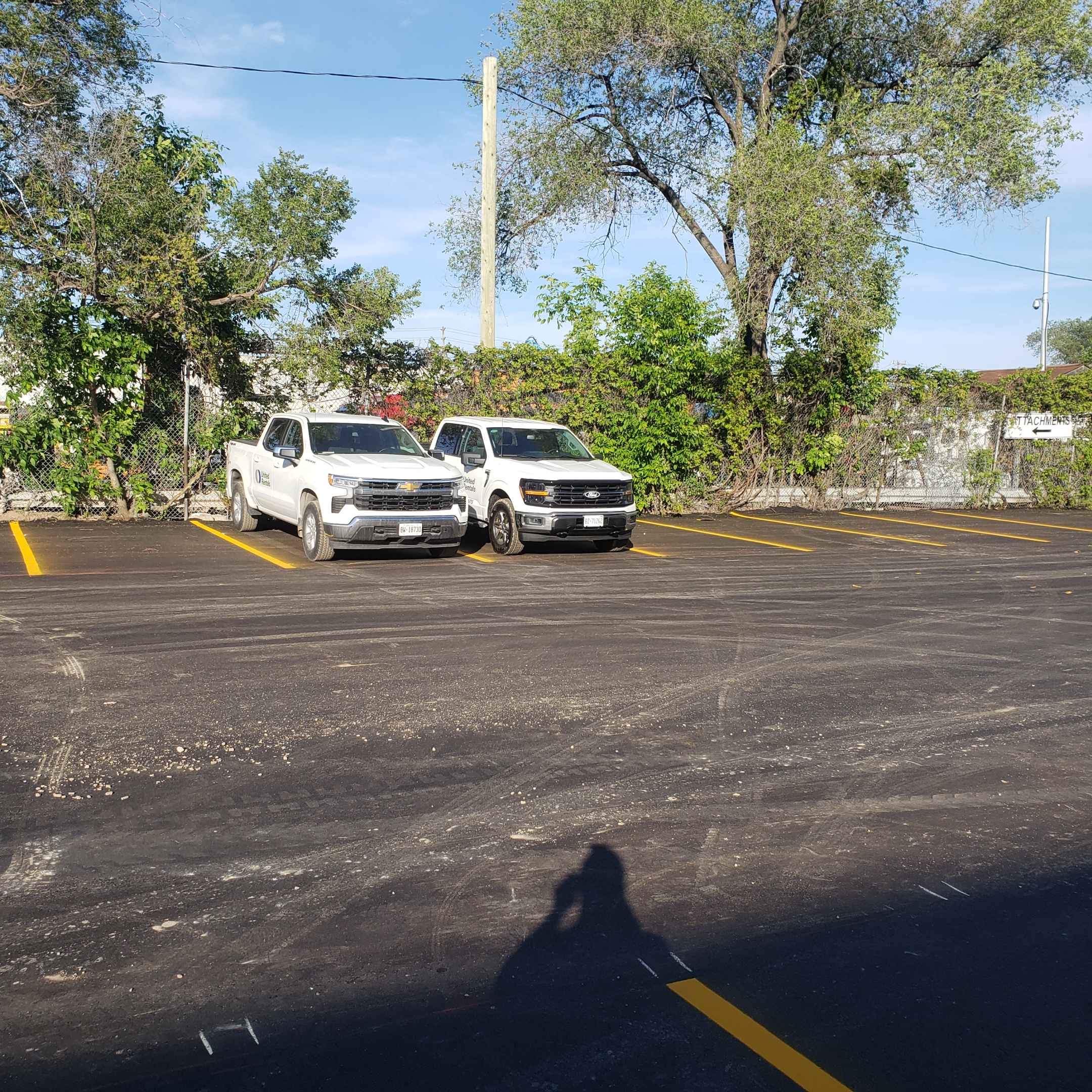
- White: Typically used for standard parking stalls and directional arrows.
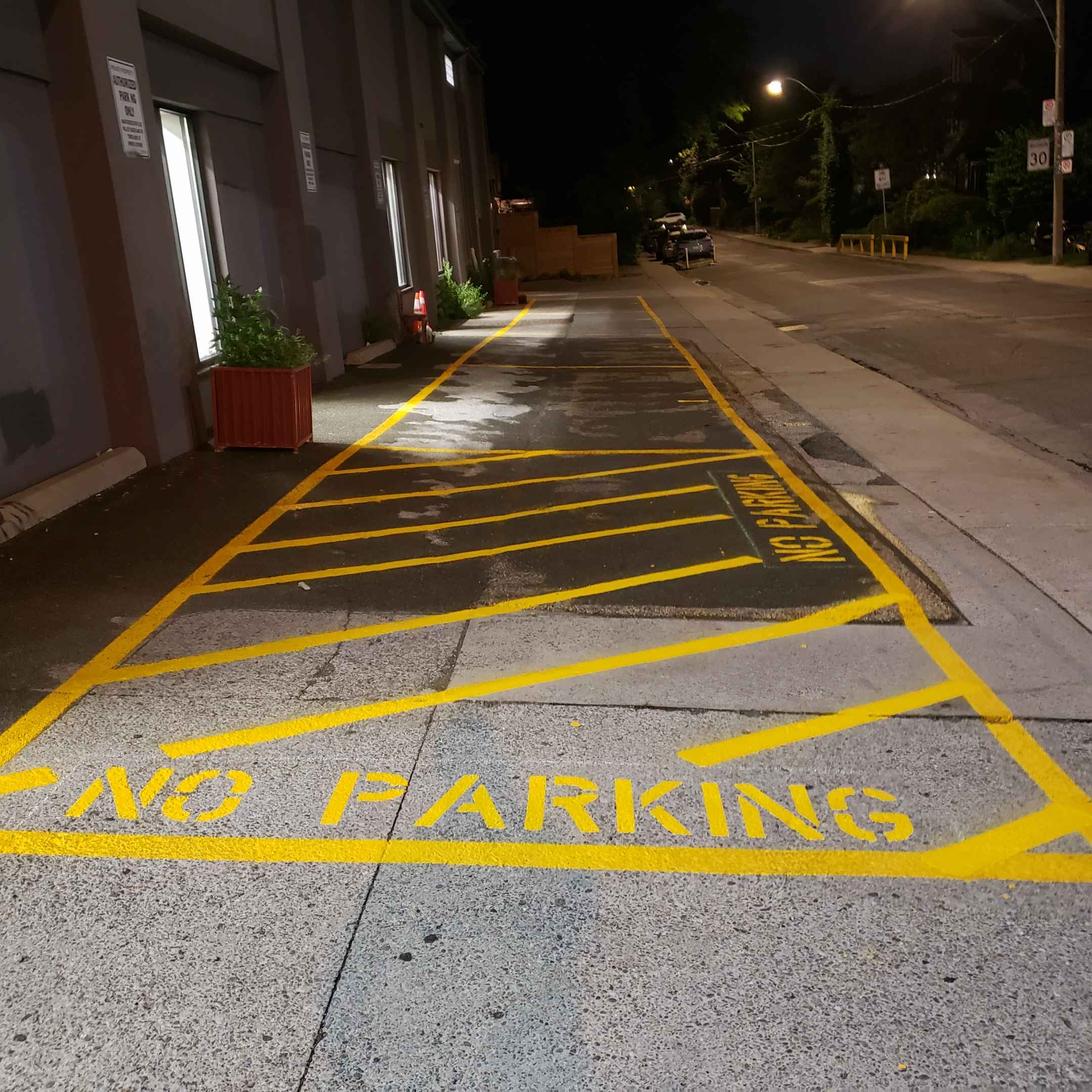
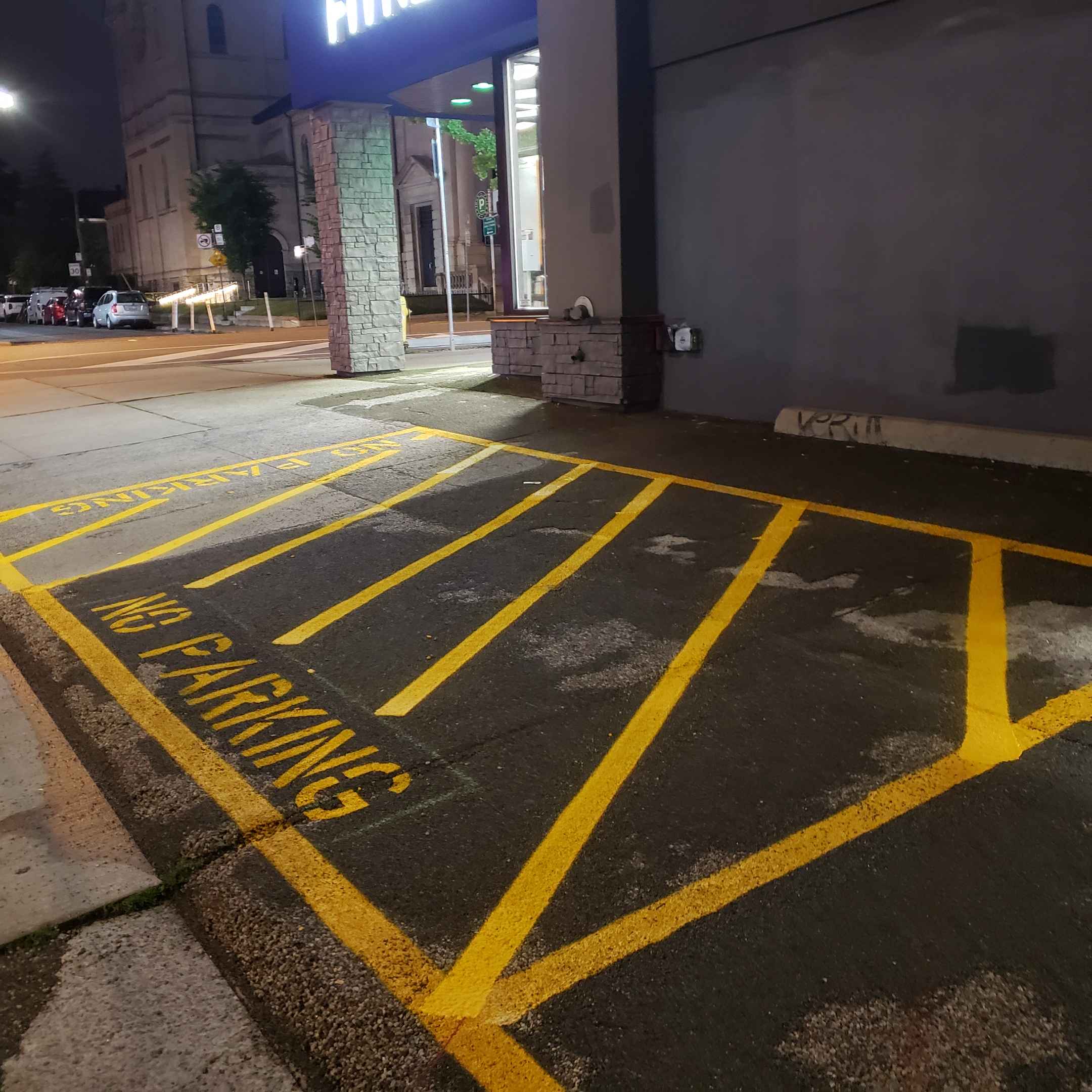
- Yellow: Often signifies caution, warning boundaries, or high-traffic movement lanes.
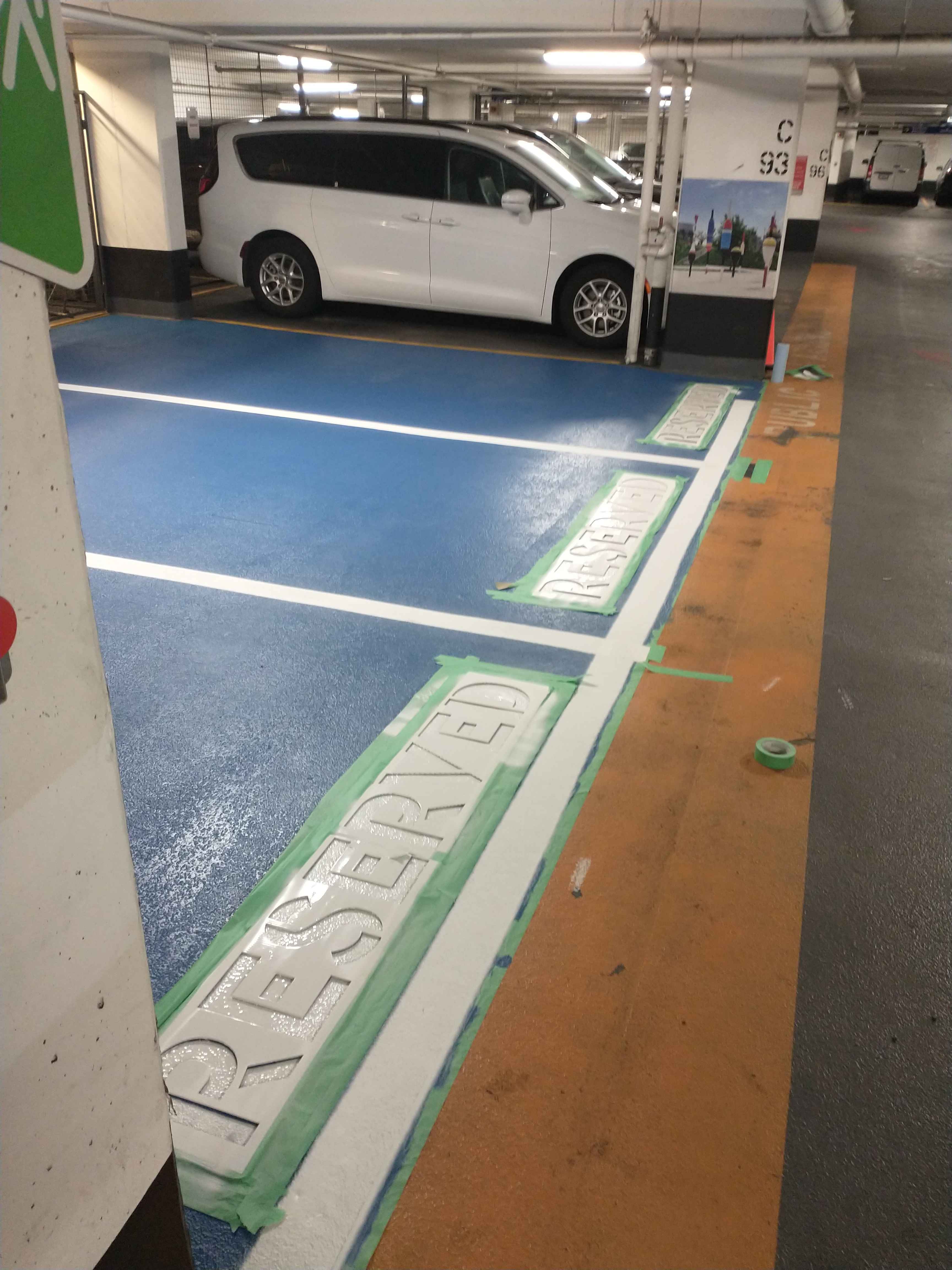
- Blue: The universal standard for accessible (handicap) parking spaces.
- Red: Used for "No Parking" zones, fire hydrants, or emergency access routes.
- Green: Frequently used for loading zones, electric vehicle (EV) charging stations, or pedestrian walkways.
Applications for Different Environments
Different settings require different approaches to color coding. A commercial lot in a top 30 city like Richmond Hill requires a different level of detail than a private warehouse floor.
Commercial Parking Lots
In retail environments, the goal is to maximize turnover and ensure accessibility. Using bright blue for accessible spots and distinct green for carpool or EV spots helps customers find where they need to be quickly. Capital Parking Lot Line Painting recommends using high-contrast colors to ensure visibility even during heavy rain or snow, which are common in Ontario.
Industrial and Warehouse Flooring
Inside a facility, line marking becomes a critical safety component. Color coding can separate pedestrian walkways from forklift lanes. For example, using a solid yellow line to border a pedestrian path tells workers exactly where it is safe to walk, significantly reducing the risk of collisions.
Best Practices for Implementation
To ensure your color-coded system remains effective for years, follow these professional guidelines:
- Consistency is Key: Do not switch colors mid-way through a project. If red means "No Parking" in one section, it must mean the same in another.
- Contrast Matters: Always ensure your chosen color stands out against the substrate. Darker colors may struggle on aged, dark asphalt.
- Durability: Use high-quality, industrial-grade paints. Capital Parking Lot Line Painting uses premium materials designed to withstand heavy friction and weather.
- Compliance: Always check local Richmond Hill municipal bylaws to ensure your color coding meets accessibility and safety standards.
Summary of Benefits
Implementing a color-coded system provides:
- Enhanced safety for pedestrians and drivers.
- Improved traffic flow and reduced congestion.
- Clearer designation of specialized zones.
- A professional, well-maintained appearance.
Conclusion
Color coding is a silent but powerful tool in property management. By moving beyond simple white lines and embracing a strategic color palette, you can create a safer, more organized, and more professional environment. Whether you are managing a retail complex or an industrial site, investing in professional line marking is an investment in your property's efficiency.