Common Myths About Parking Lot Sealcoating Debunked
Protecting your investment requires facts, not folklore. Learn the truth about asphalt maintenance.
For property managers and business owners, the asphalt in your parking lot is more than just a surface; it is the first impression your customers receive. However, when it comes to maintaining that surface through sealcoating, a lot of misinformation circulates. At Capital Parking Lot Line Painting, we see many clients who have delayed essential maintenance because they were operating under false assumptions.
In a bustling hub like Markham, where weather fluctuations can be harsh on pavement, understanding the science of sealcoating is crucial. In this article, we will debunk the most common myths to help you make the best decisions for your property.
Myth #1: Sealcoating is Just for Aesthetics
One of the most prevalent misconceptions is that sealcoating is merely a "cosmetic fix" intended to make an old, gray parking lot look black and new again. While it certainly improves the visual appeal, its primary function is structural protection.
Asphalt is a petroleum-based product. Over time, exposure to UV rays, water, and automotive fluids causes the oils in the asphalt to evaporate, leading to oxidation and cracking. Sealcoating acts as a sacrificial barrier, absorbing these environmental stressors so the underlying asphalt doesn't have to. By choosing Capital Parking Lot Line Painting, you aren't just buying a dark finish; you are buying years of extended pavement life.
Myth #2: Sealcoating Will Fix Large Cracks and Potholes
This is a dangerous myth that can lead to expensive mistakes. Sealcoating is a preventative maintenance tool, not a structural repair solution. If your parking lot has significant depressions, potholes, or wide cracks, applying sealcoat over them is a waste of resources.
The sealcoat will simply follow the contour of the damage, leaving the structural issue unaddressed. For a successful maintenance program, you must first address repairs. A proper maintenance cycle usually involves:
- 1. Crack filling to prevent water penetration.
- 2. Patching potholes to restore surface integrity.
- 3. Professional sealcoating to protect the repaired surface.
- 4. High-quality Line Marking to ensure safety and compliance.
Myth #3: You Can Do It Yourself (DIY) with the Same Results
With many hardware stores selling "asphalt sealer" in jugs, many property owners in Markham believe they can save money by doing the job themselves. However, professional-grade sealants are vastly different from consumer-grade products.
Professional crews use high-solids sealants that are applied with specialized equipment to ensure an even, durable coat. DIY applications often result in uneven thickness, which can lead to premature peeling or, worse, a surface that is too slick when wet. Capital Parking Lot Line Painting utilizes industrial-grade materials that bond deeply with the asphalt, providing a level of durability that a bucket and a broom simply cannot match.
Myth #4: Sealcoating Needs to Be Done Every Single Year
There is a common belief that if you aren't sealcoating annually, you are neglecting your lot. In reality, the frequency depends heavily on traffic volume and local environmental conditions. For most commercial properties, a maintenance cycle of every 3 to 5 years is ideal.
Applying sealant too frequently can actually be counterproductive, as it can lead to a buildup of layers that may eventually peel. The key is finding the "sweet spot" where the asphalt is protected but not over-saturated. Our experts can assess your specific lot to determine the optimal timing for your next application.
Summary of Benefits
When you move past the myths and embrace a professional maintenance schedule, the benefits are clear:
- Protection against UV oxidation and water damage.
- Increased curb appeal and property value.
- Prevention of costly full-scale repaving.
- Enhanced safety through clear, crisp Line Marking.
The Importance of Integrated Maintenance
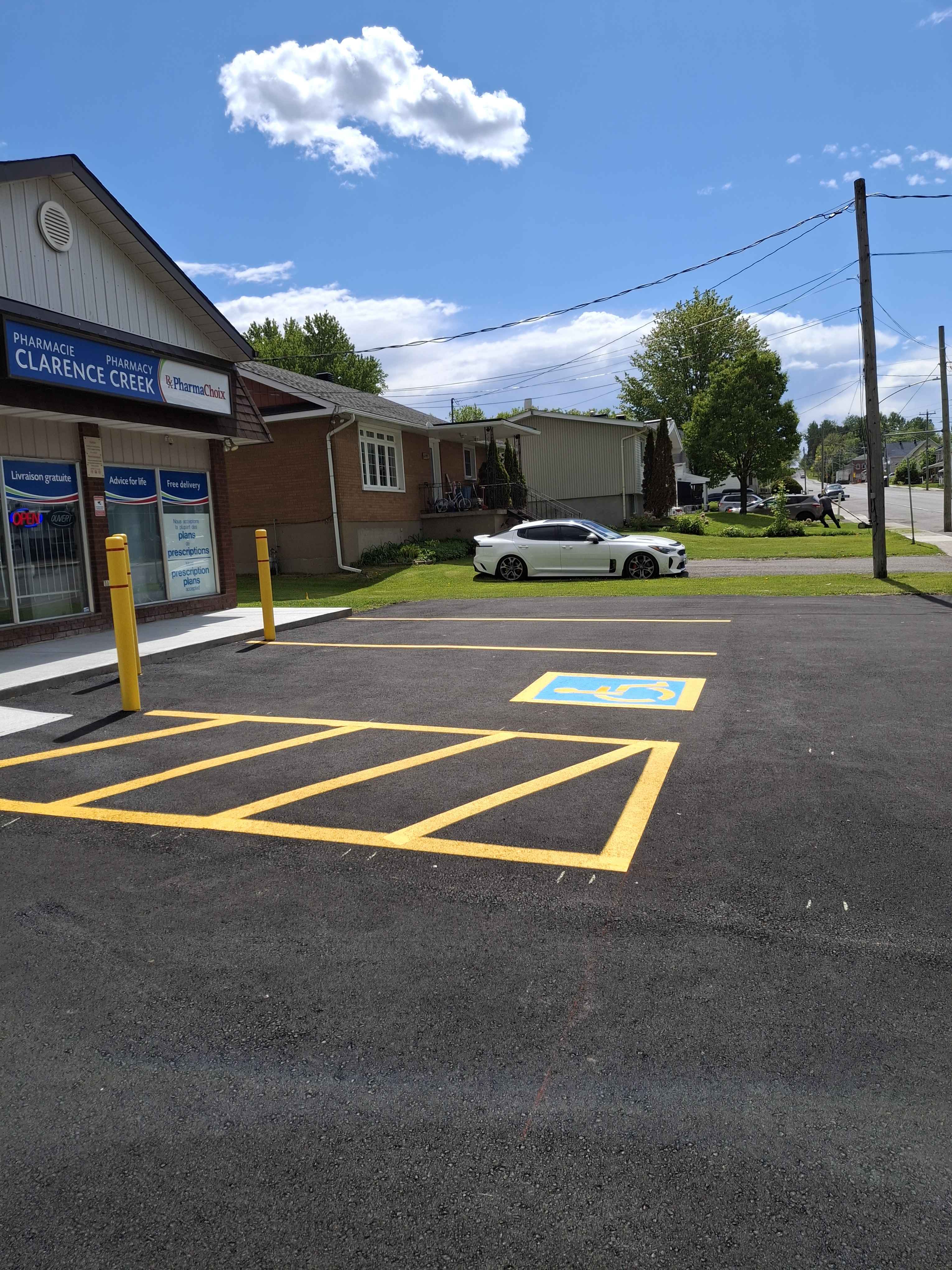
To get the most out of your sealcoating, it should be part of a holistic approach to pavement management. This includes regular inspections and timely Line Painting to ensure that parking stalls, handicap zones, and directional arrows are clearly visible to drivers. A well-maintained, well-marked lot reduces liability and improves the flow of traffic.
Visualizing the Difference