Common Myths About Parking Lot Sealcoating Debunked
Protecting your asphalt investment requires more than just periodic maintenance; it requires accurate information. Let's separate fact from fiction.
For many property managers and business owners, asphalt maintenance feels like a mysterious science. You know that your parking lot needs care, but you've likely heard conflicting advice from neighbors, contractors, or even unverified online sources. This misinformation can lead to poor decision-making, resulting in premature asphalt failure or unnecessary expenses.
At Capital Parking Lot Line Painting, we believe that an educated client is a successful client. Whether you are managing a commercial complex in Newmarket or a small retail lot, understanding the true purpose of sealcoating is essential for long-term pavement health.
Myth #1: Sealcoating Is a Permanent Fix for Cracks
One of the most dangerous misconceptions is that sealcoating acts as a structural repair tool. Many people believe that if they simply apply a thick layer of sealant over existing cracks, those cracks will disappear forever.
The Reality
Sealcoating is a protective barrier, not a structural filler. Its primary job is to shield the asphalt from UV rays, water penetration, and chemical spills. While it can help smooth out minor surface irregularities, it cannot bridge deep cracks or stabilize shifting sub-bases. For true crack repair, you need specialized crack filling before the sealcoating process begins. Capital Parking Lot Line Painting emphasizes a multi-step approach to ensure the sealant adheres correctly and lasts as long as possible.
Myth #2: You Can Do It Yourself with Hardware Store Products
With the rise of DIY culture, many property owners assume that a bucket of sealant from a local big-box store and a squeegee are all they need to maintain a professional-grade lot.
The Reality
Residential-grade sealants are fundamentally different from commercial-grade emulsions. Professional sealants are formulated with higher solids content and specialized additives designed to withstand the heavy weight of vehicles and the harsh weather cycles found in Ontario. DIY applications often result in uneven thickness, which leads to premature peeling and "alligatoring" of the surface. When you hire professionals, you aren't just paying for the material; you are paying for the precision, the heavy-duty equipment, and the expertise required to achieve a uniform, durable finish.
Myth #3: Sealcoating Is Only About Aesthetics
It is true that a freshly sealcoated lot looks stunning—it turns that faded, gray asphalt back into a deep, rich black. However, thinking it is *only* for looks is a mistake that can cost you thousands in the long run.
The Benefits of Professional Sealcoating
- UV Protection: Sunlight oxidizes asphalt, making it brittle. Sealcoating acts as a sunscreen for your pavement.
- Waterproofing: It prevents water from seeping into the base layers, which is critical in cities like Newmarket where freeze-thaw cycles are intense.
- Chemical Resistance: It provides a shield against oil, gas, and salt spills that can dissolve the asphalt binder.
- Enhanced Visibility: A smooth, dark surface provides the perfect high-contrast background for fresh Line Marking, improving safety for drivers and pedestrians.
Myth #4: Sealcoating and Line Marking Are the Same Thing
We often see confusion between the protective coating of the surface and the navigational markings that guide traffic. While they are often performed during the same maintenance window, they serve entirely different functions.
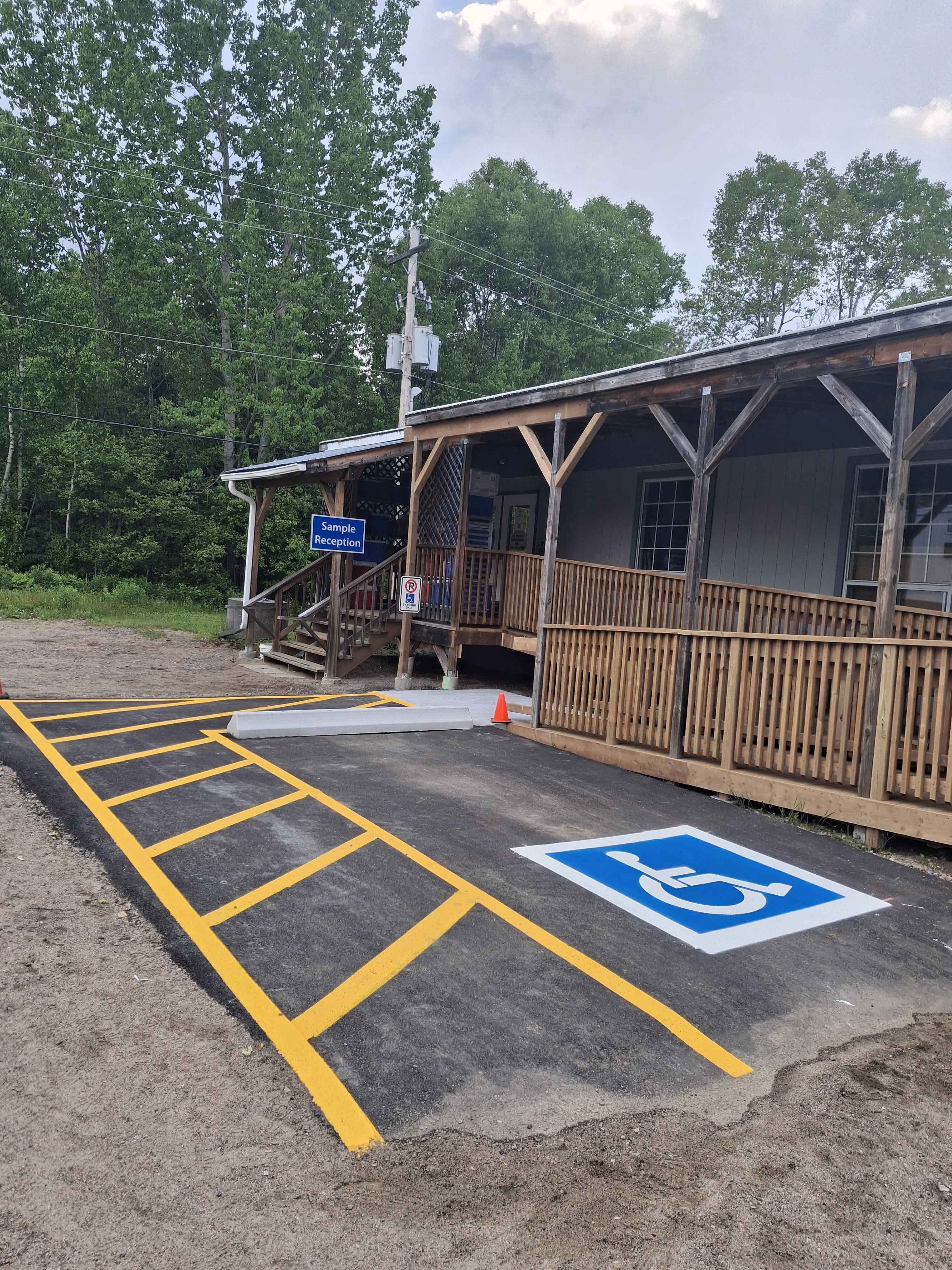
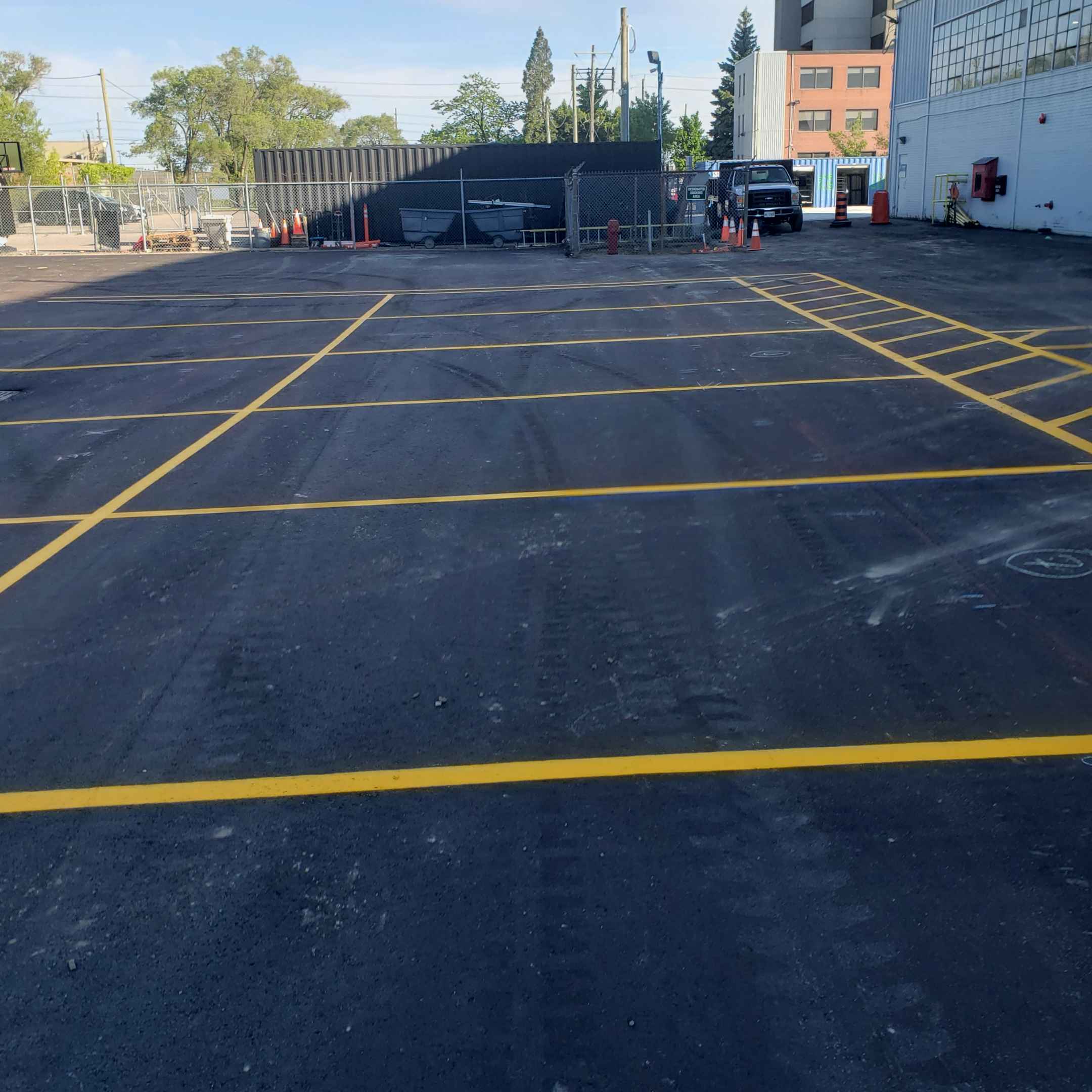
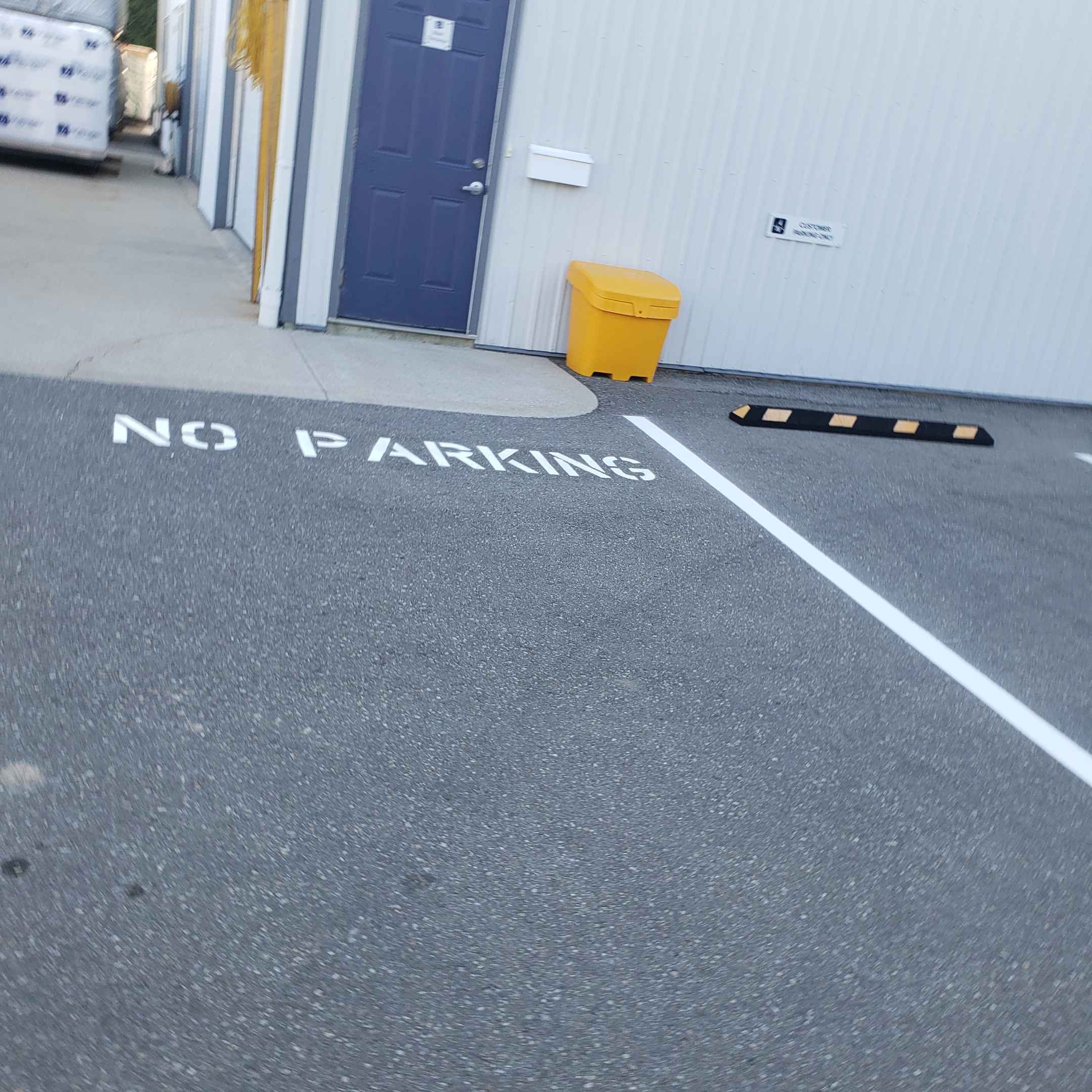
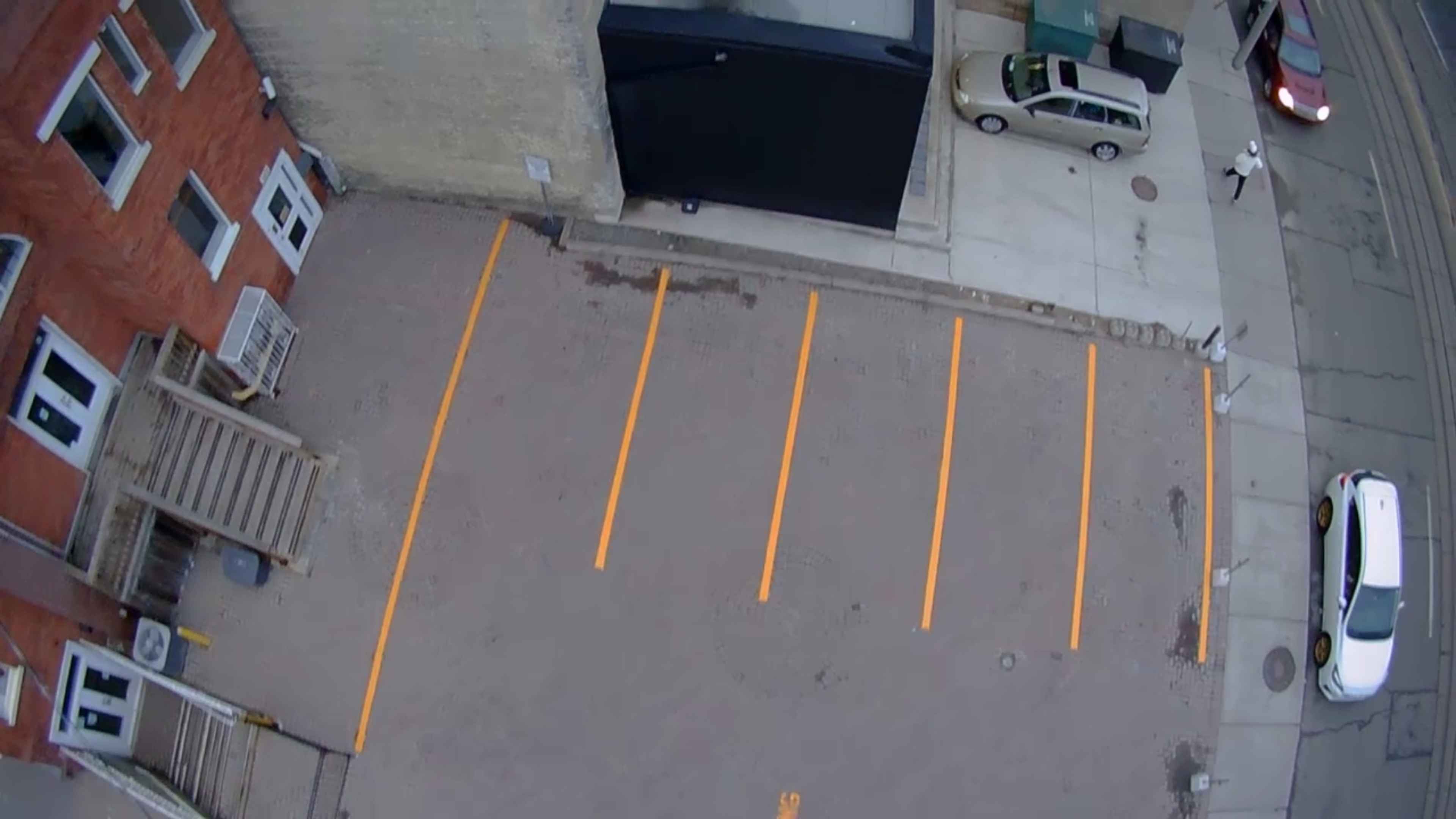
Sealcoating is the foundational protective layer. Once that layer has cured, Line Marking is applied to define parking stalls, pedestrian walkways, and directional arrows. Attempting to do Line Painting on old, oxidized asphalt without sealcoating first often results in the paint peeling off within months. By coordinating both services through a professional like Capital Parking Lot Line Painting, you ensure that the markings bond perfectly to a clean, stable surface.
Summary: Best Practices for Asphalt Longevity
To avoid the pitfalls of these myths, follow these professional guidelines:
- Inspect Regularly: Don't wait for visible crumbling to call a professional.
- Repair Before Sealing: Ensure cracks and potholes are addressed before the sealant is applied.
- Time It Right: Schedule maintenance during dry seasons to ensure proper curing.
- Combine Services: Pair your sealcoating with fresh Line Painting for the best visual and functional results.
Ready to Protect Your Investment?
Don't fall victim to the myths. Get the facts and get the job done right the first time. Contact the experts at Capital Parking Lot Line Painting to schedule a professional assessment of your property.