Common Myths About Parking Lot Sealcoating Debunked
Protecting your asphalt investment requires facts, not folklore. Learn the truth about sealcoating maintenance.
As a property owner or manager, you know that your parking lot is the first thing customers see. It represents your brand's professionalism and attention to detail. However, when it comes to asphalt maintenance, a lot of misinformation circulates. This misinformation can lead to neglected surfaces, unnecessary repairs, or choosing the wrong maintenance schedule.
At Capital Parking Lot Line Painting, we believe that an informed client is a successful one. Whether you are managing a commercial complex in Richmond Hill or a small retail lot, understanding the science behind sealcoating is essential for long-term pavement health.
Myth #1: Sealcoating is Just for Aesthetics
Perhaps the most common misconception is that sealcoating is merely a "cosmetic fix" to make an old, grey parking lot look black and new again. While it certainly improves the visual appeal of your property, its primary function is protective.
Asphalt is a petroleum-based product. Over time, exposure to UV rays, water penetration, and chemical spills (like oil and gasoline) causes the bitumen to oxidize and break down. Sealcoating acts as a sacrificial barrier, absorbing these environmental stresses so your actual asphalt doesn't have to. Without it, your pavement will crack and crumble much faster.
Myth #2: You Can Apply Sealcoat Over Any Surface
Many property owners believe they can simply roll a coat of sealer over a cracked, crumbling lot and call it a day. This is a recipe for failure. Sealcoating is a preventative maintenance tool, not a structural repair method.
For the best results, the surface must be properly prepared. This often involves:
- Deep cleaning and removing all debris and dirt.
- Filling significant cracks with high-quality crack filler.
- Addressing structural depressions or potholes.
- Ensuring the surface is completely dry and free of oil stains.
Capital Parking Lot Line Painting emphasizes that skipping the preparation phase results in the sealer peeling off within months. A professional approach ensures the bond is permanent.
Myth #3: Sealcoating and Line Marking Are the Same Thing
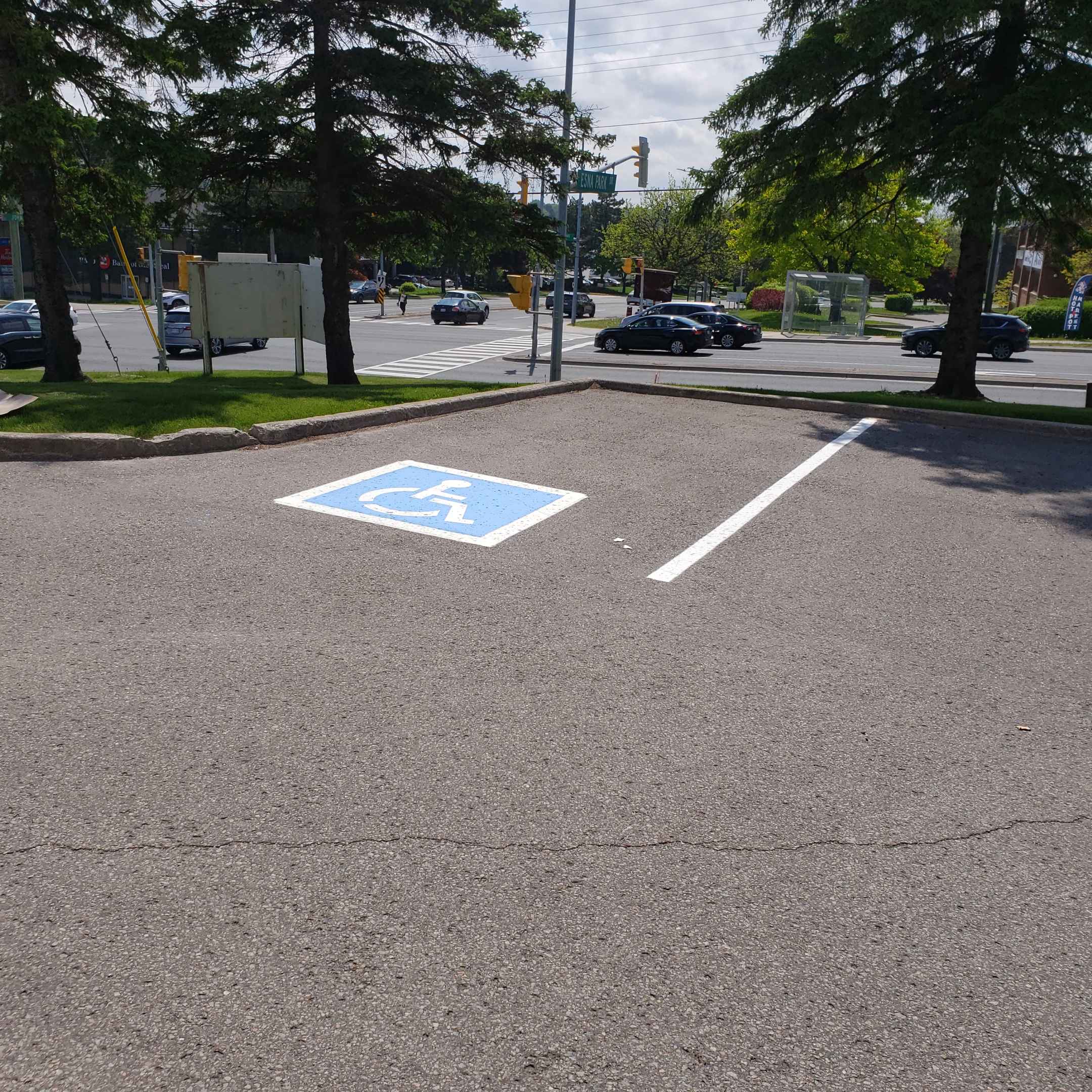
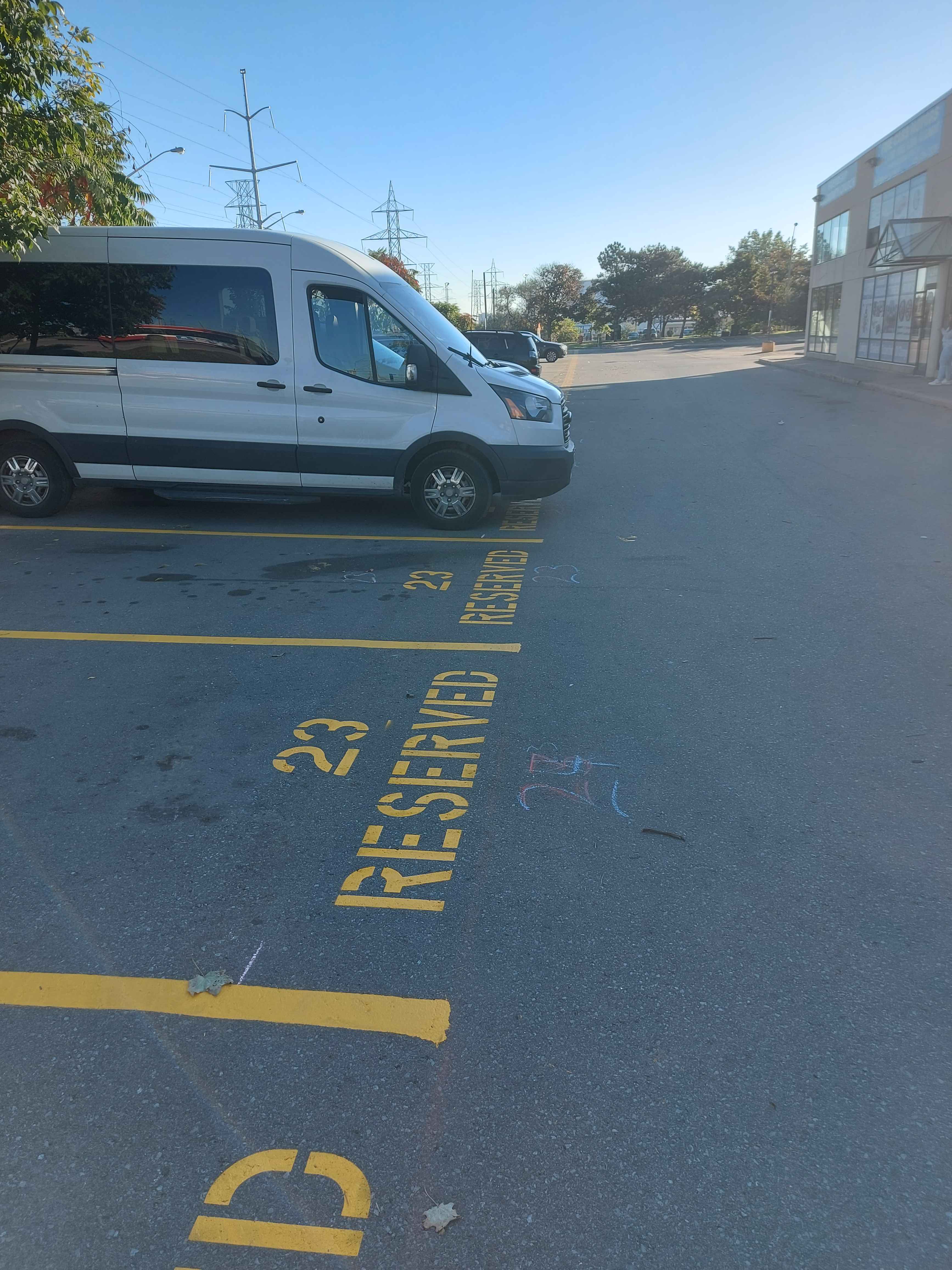
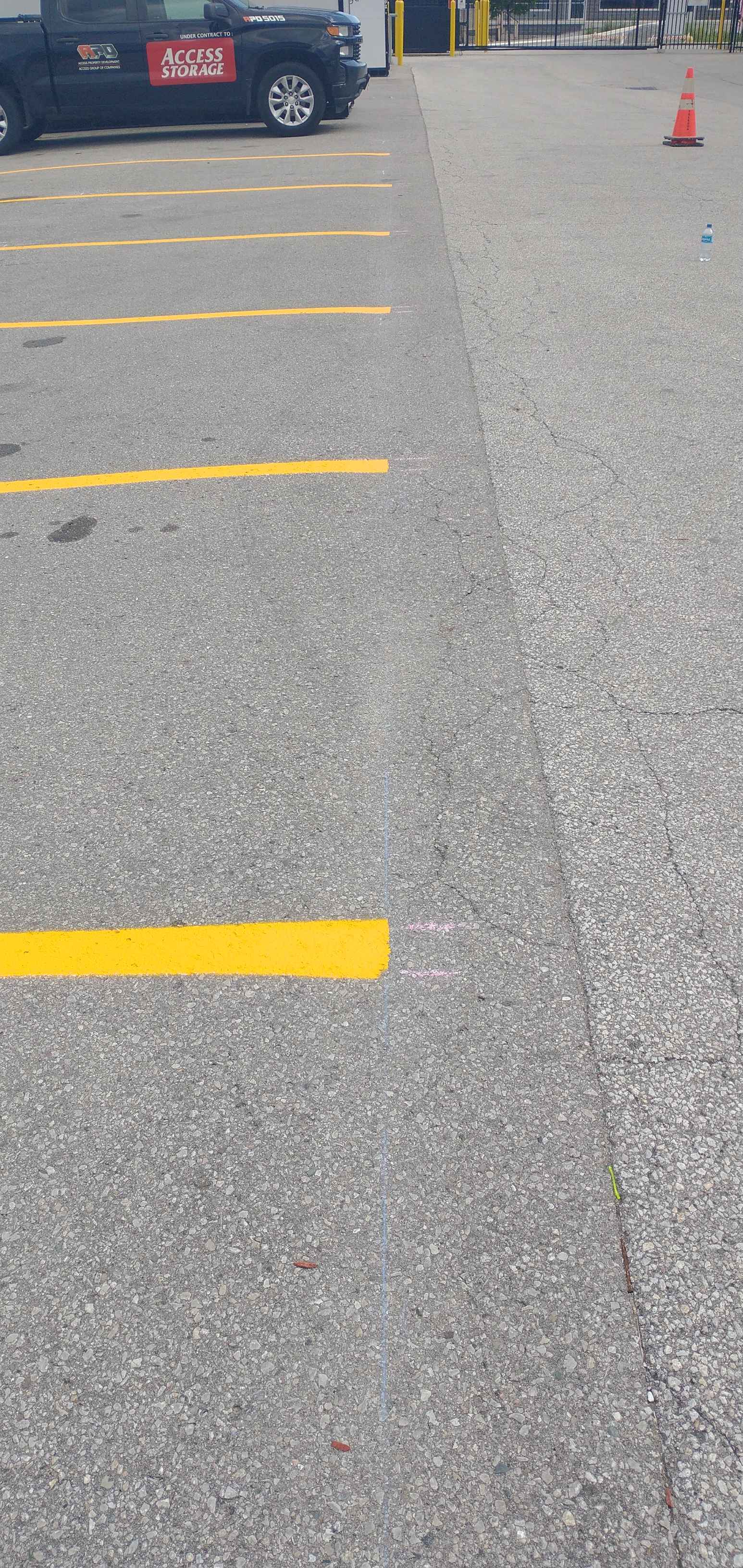
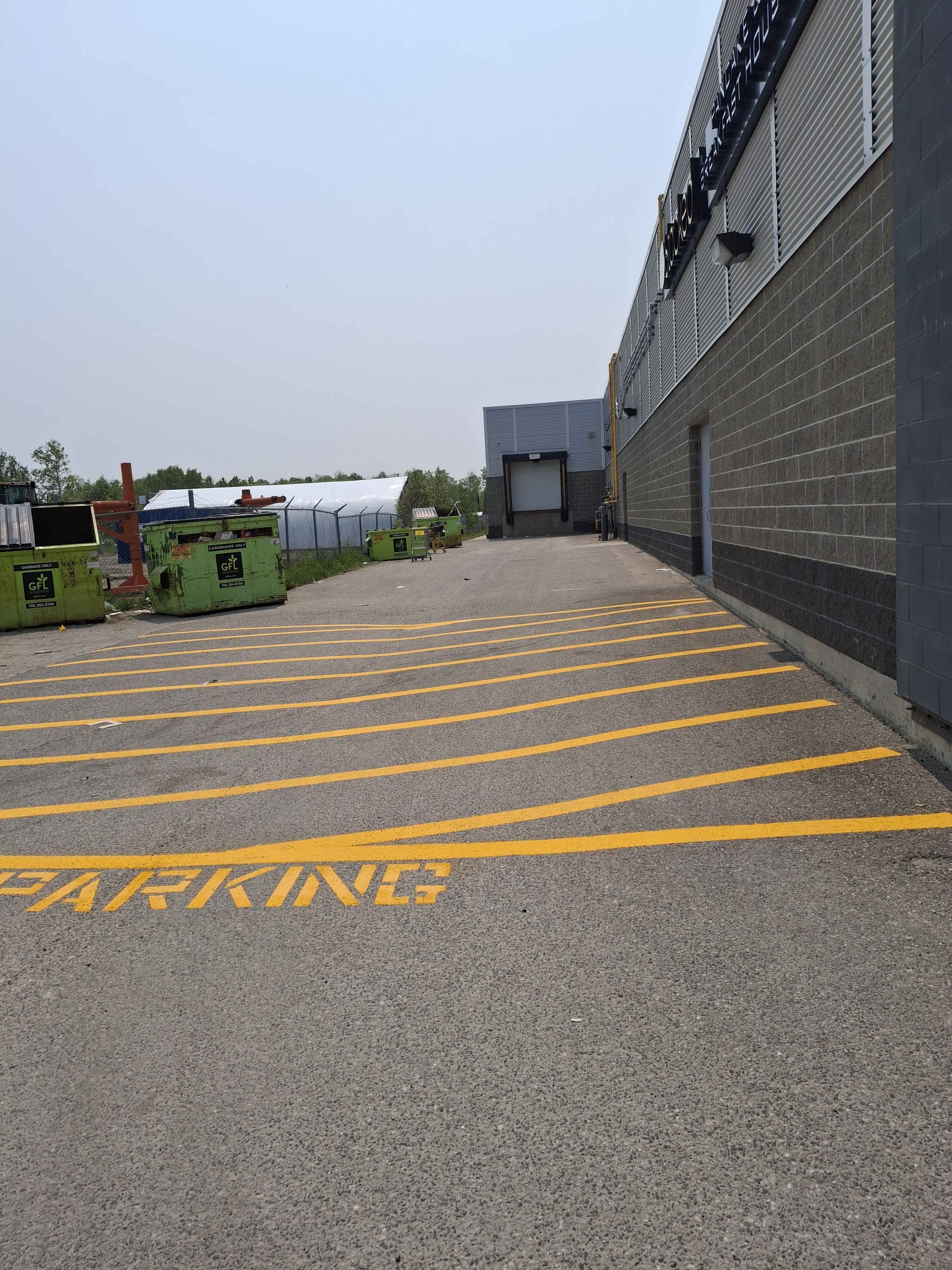
This is a frequent point of confusion. While both are part of a comprehensive parking lot maintenance plan, they serve entirely different purposes. Sealcoating is the protective layer for the asphalt itself, whereas Line Marking (or Line Painting) is the application of high-visibility markings to guide traffic and designate parking stalls.
In fact, the order of operations is critical. You should always sealcoat the surface first and allow it to cure completely before proceeding with any Line Painting. If you attempt to apply markings too early, the chemicals in the paint may react with the fresh sealer, leading to smearing or premature fading.
Myth #4: Sealcoating Needs to Be Done Every Single Year
While regular maintenance is key, applying sealer every year is often overkill and can actually lead to buildup that makes future maintenance difficult. In a climate like Richmond Hill, where we deal with harsh winters and heavy salt usage, the frequency depends heavily on traffic volume and environmental exposure.
Typically, a well-maintained lot should be sealcoated every 2 to 5 years. A professional assessment is the only way to determine the exact timing for your specific site.
The Importance of Professional Execution
DIY sealcoating kits found at big-box retailers are often insufficient for commercial-grade asphalt. These products lack the solids content and durability required to withstand heavy vehicle traffic. Professional crews use industrial-grade emulsions that are designed to penetrate the asphalt pores and create a tough, resilient shield.
By partnering with experts like Capital Parking Lot Line Painting, you ensure that the material used is appropriate for your specific asphalt type and that the application thickness is consistent across the entire surface.
Quick Summary: Maintenance Checklist
When to Sealcoat:
- When the asphalt turns light grey.
- When small hairline cracks appear.
- Every 3-5 years for preventative care.
When to use Line Marking:
- When stall lines become faded.
- To update ADA compliance.
- After a fresh sealcoating project.
Ready to Protect Your Property?
Don't wait for a pothole to appear before taking action. Proactive maintenance saves thousands in long-term reconstruction costs. Contact our team today to schedule a professional assessment.