Common Myths About Parking Lot Sealcoating Debunked
Understanding the truth about asphalt maintenance to protect your investment.

Maintaining an asphalt parking lot can feel like an endless battle against the elements. For property managers and business owners, the decision to invest in sealcoating often comes with a cloud of confusion. You may have heard conflicting advice from neighbors, unverified online forums, or even well-meaning but inexperienced handymen. At Capital Parking Lot Line Painting, we believe that informed property owners make the best decisions for their assets.
In a growing hub like Peterborough, where seasonal temperature swings can wreak havoc on pavement, knowing the difference between myth and reality is crucial. In this guide, we are going to clear the air and debunk the most common misconceptions regarding sealcoating and asphalt care.
Myth #1: Sealcoating is Just for Aesthetics
One of the most prevalent myths is that sealcoating is simply a "cosmetic fix" to make an old, gray parking lot look black and new again. While it is true that sealcoating significantly improves the visual appeal of your property, its primary function is structural protection.
Asphalt is a petroleum-based product. Over time, UV rays from the sun, oil spills, and water penetration cause the oils in the asphalt to evaporate, leading to oxidation. This makes the surface brittle and prone to cracking. Sealcoating acts as a sacrificial barrier, absorbing these environmental stresses so the asphalt underneath doesn't have to. By choosing Capital Parking Lot Line Painting, you aren't just buying a prettier lot; you are buying extended pavement life.
Myth #2: You Can Apply Sealcoat Whenever You Want
Many property owners believe that if they see a crack, they should sealcoat immediately, regardless of the weather. This is a dangerous misconception. Sealcoating is a chemical process that requires specific environmental conditions to cure correctly.
The Importance of Temperature and Moisture
Applying sealcoat in temperatures that are too low or in high-humidity environments can lead to premature peeling, cracking, or a failure to bond with the asphalt. For those in Peterborough, timing is everything. You need a window of dry, moderate weather to ensure the sealant penetrates the pores of the asphalt effectively. Professional contractors understand these nuances and schedule work to ensure long-lasting results.
Myth #3: Sealcoating Fixes Major Structural Issues
This is perhaps the most expensive myth to believe. Sealcoating is a preventative maintenance tool, not a repair solution for major structural failures. If your parking lot has deep potholes, significant base failures, or large alligator cracks, sealcoating alone will not fix the problem.
In fact, applying sealcoat over unaddressed structural damage can actually trap moisture in the sub-base, potentially worsening the issue. A professional assessment from Capital Parking Lot Line Painting will identify whether you need crack filling, patch repairs, or a full sealcoat to ensure your maintenance plan is effective.
Why Professional Maintenance Matters
When you combine sealcoating with professional Line Marking, you create a high-functioning, safe, and attractive environment for your customers. Here is what a comprehensive maintenance plan provides:
- Waterproofing: Prevents water from seeping into the sub-base and causing freeze-thaw damage.
- Oil Resistance: Protects against chemical degradation from automotive fluids.
- UV Protection: Slows down the oxidation process caused by sunlight.
- Enhanced Safety: Clear Line Painting ensures traffic flow and pedestrian safety.
- Increased Property Value: A well-maintained lot boosts the overall professional image of your business.
Myth #4: Sealcoating and Line Marking Are the Same Thing
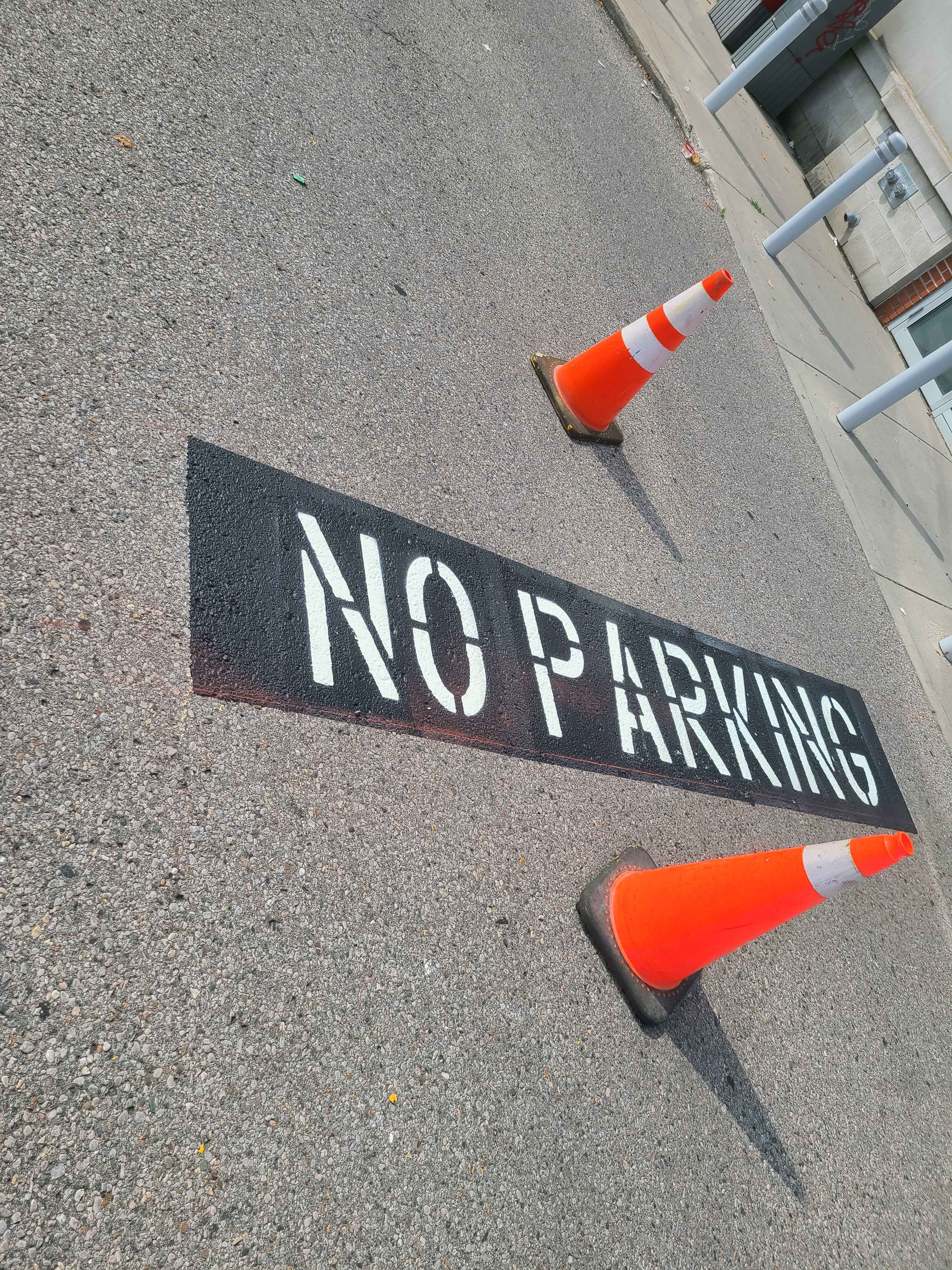
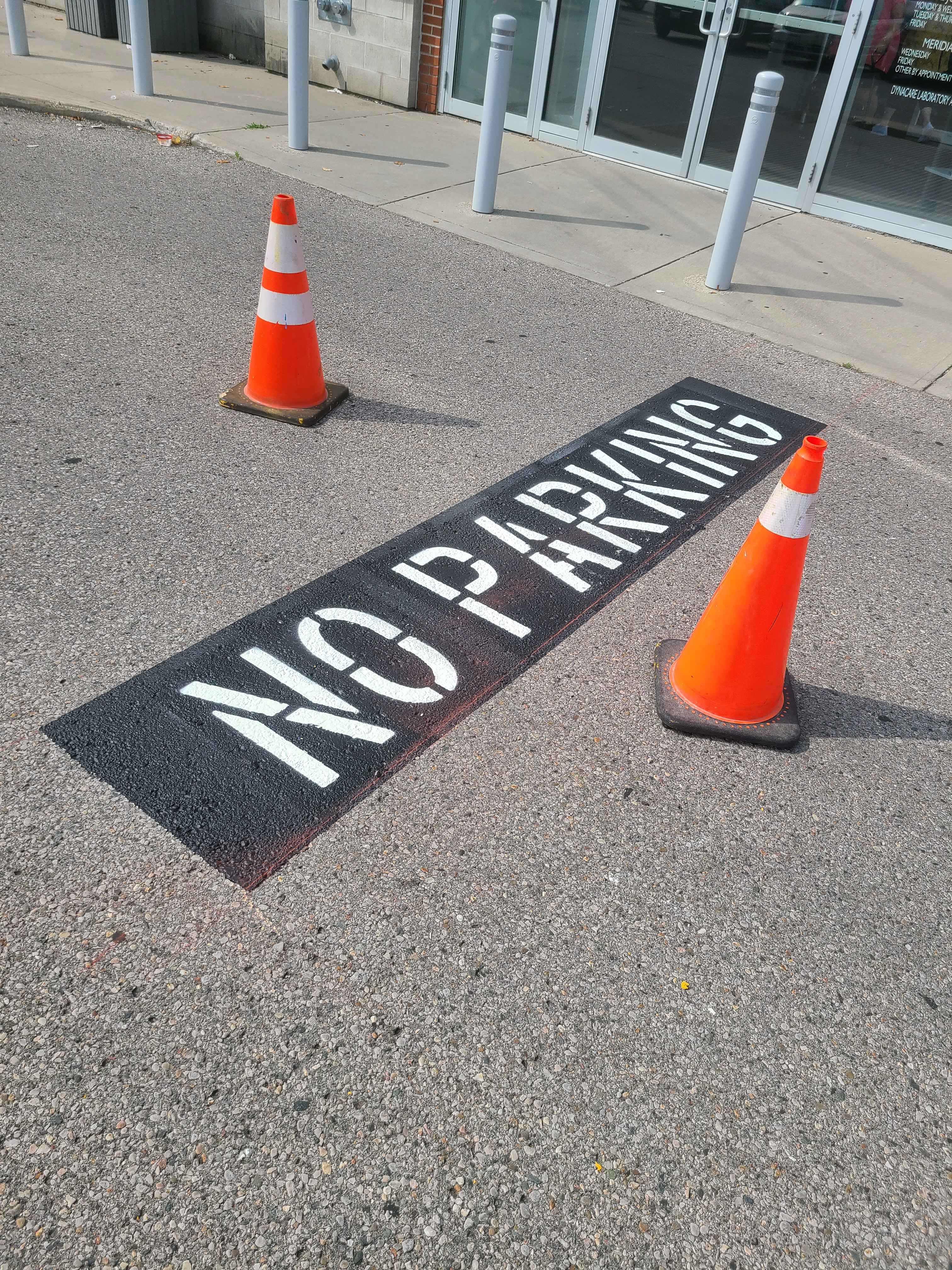
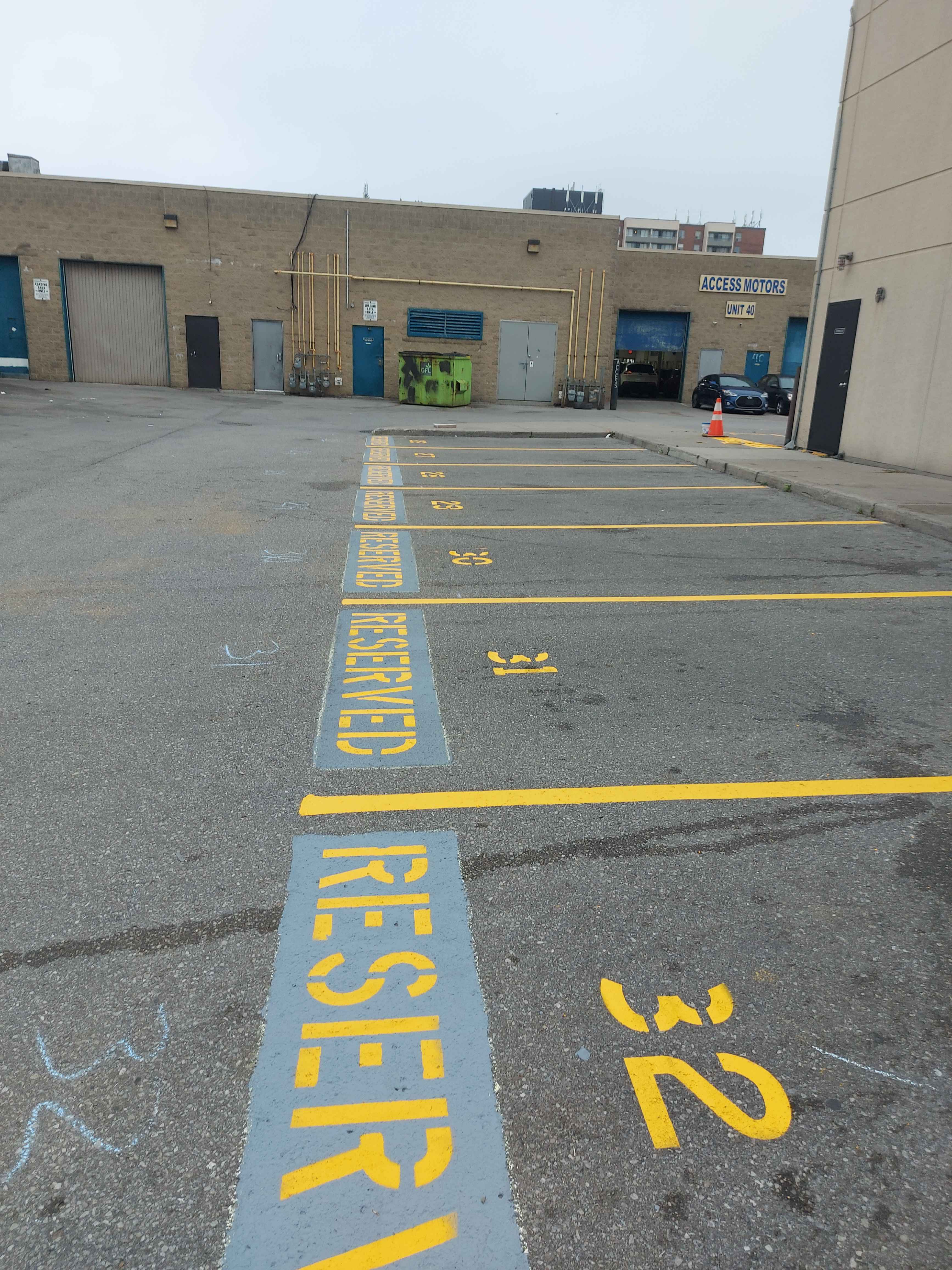
While they are often performed during the same service visit, they serve entirely different purposes. Sealcoating is the protective layer for the surface, whereas Line Marking is the application of high-visibility paint to define stalls, arrows, and handicap zones. A common mistake is thinking that the sealcoat will act as a guide for your lines. In reality, you need a professional who can perform both tasks with precision to ensure the lines are crisp and the sealcoat is even.
Summary: The Proactive Approach
Don't wait for your asphalt to crumble before you take action. By debunking these myths, you can move from a reactive mindset to a proactive maintenance strategy. Regular sealcoating, combined with periodic Line Painting, is the most effective way to manage your parking lot's lifecycle.
Ready to protect your pavement?
Avoid the pitfalls of DIY or unqualified contractors. Trust the experts who understand the specific needs of local asphalt surfaces.