How Crack Width and Depth Affect Repair Methods
Not all cracks are created equal. Understanding the geometry of pavement failure is the first step toward effective maintenance.
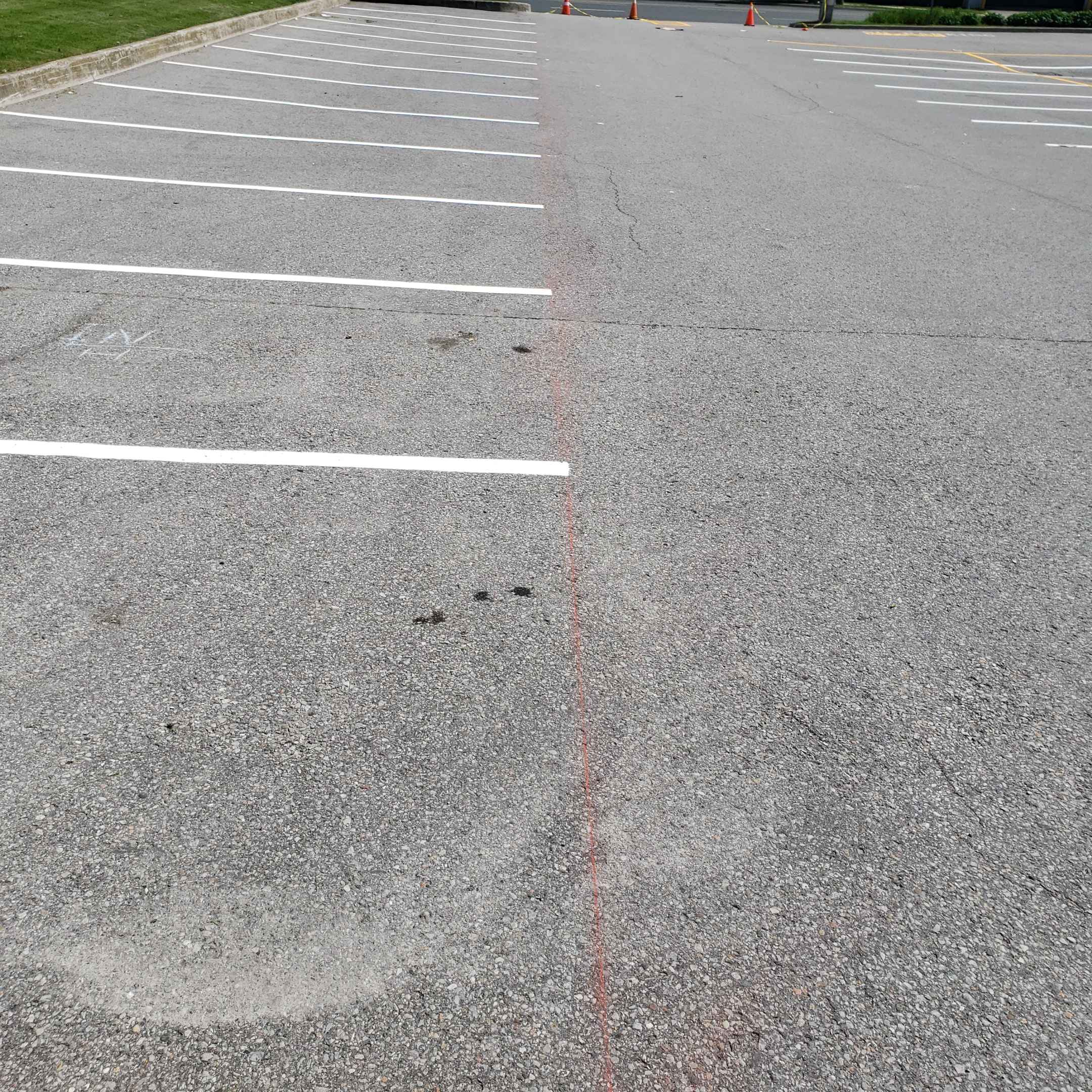
When walking through a parking lot in Waterloo, it is easy to overlook the small fissures snaking through the asphalt. However, to a professional maintenance team like Capital Parking Lot Line Painting, these cracks are data points. They tell a story about the structural integrity of the pavement, the soil stability beneath, and the environmental stressors at play.
Choosing the wrong repair method for a specific crack is one of the most common mistakes in pavement management. If a filler is too thin for a wide crack, it will fail prematurely. If a material is too rigid for a deep crack, it will snap under thermal expansion. To ensure your investment lasts, you must understand the relationship between width, depth, and material application.
The Critical Role of Crack Width
Crack width is typically measured in millimeters or fractions of an inch. The width determines the type of sealant or filler required to bridge the gap effectively.
1. Hairline Cracks (Less than 1/8 inch)
Hairline cracks are often the result of surface oxidation or minor thermal contraction. Because they are so narrow, liquid sealants often struggle to penetrate deep into the fissure. In these cases, a high-quality liquid crack sealant is often applied, sometimes combined with a rejuvenator to help the asphalt regain its flexibility.
2. Intermediate Cracks (1/8 to 1/2 inch)
These are the most common cracks seen in commercial lots. They require a robust, elastomeric sealant that can expand and contract with the seasons. Capital Parking Lot Line Painting utilizes specialized equipment to ensure these cracks are cleaned and filled to provide a watertight seal.
3. Wide Cracks (Greater than 1/2 inch)
When a crack exceeds half an inch, standard liquid sealants are no longer sufficient. At this stage, the crack is often a sign of deeper structural issues. These wider gaps often require "backer rods" or specialized crack bridging materials to provide a foundation for the sealant, preventing the material from simply sinking into the void.
Common Mistakes in Crack Repair
- Using rigid fillers in areas with high temperature fluctuations.
- Failing to clean debris and moisture out of the crack before application.
- Applying sealant over a crack that is too wide without a backer rod.
- Ignoring depth, leading to "hollow" repairs that crack under vehicle weight.
The Hidden Factor: Crack Depth
While width is what we see, depth is what dictates the longevity of the repair. A shallow crack might look wide, but if it doesn't penetrate deep into the asphalt layers, water can still seep underneath, leading to sub-base erosion and potholes.
In a top 30 city like Waterloo, where freeze-thaw cycles are aggressive, depth is everything. When water enters a deep crack and freezes, it expands, widening the crack even further. This is why Capital Parking Lot Line Painting emphasizes thorough cleaning and deep penetration techniques. If a crack is exceptionally deep, a simple surface pour won't suffice; the repair must address the vertical profile of the fissure to ensure a cohesive bond.
Integrating Repair with Line Marking
Once the structural integrity of the pavement is addressed through proper crack repair, the aesthetic and functional aspects of the lot can be restored. This includes professional Line Marking to ensure safety and traffic flow. A smooth, repaired surface provides the perfect canvas for crisp, bright lines that guide drivers and pedestrians effectively.
Professional Pavement Care
Don't let small cracks turn into expensive reconstruction projects. Contact Capital Parking Lot Line Painting today to schedule a professional assessment of your asphalt surfaces.