How Crack Width and Depth Affect Repair Methods
Understanding the geometry of asphalt deterioration is the first step toward effective pavement preservation.
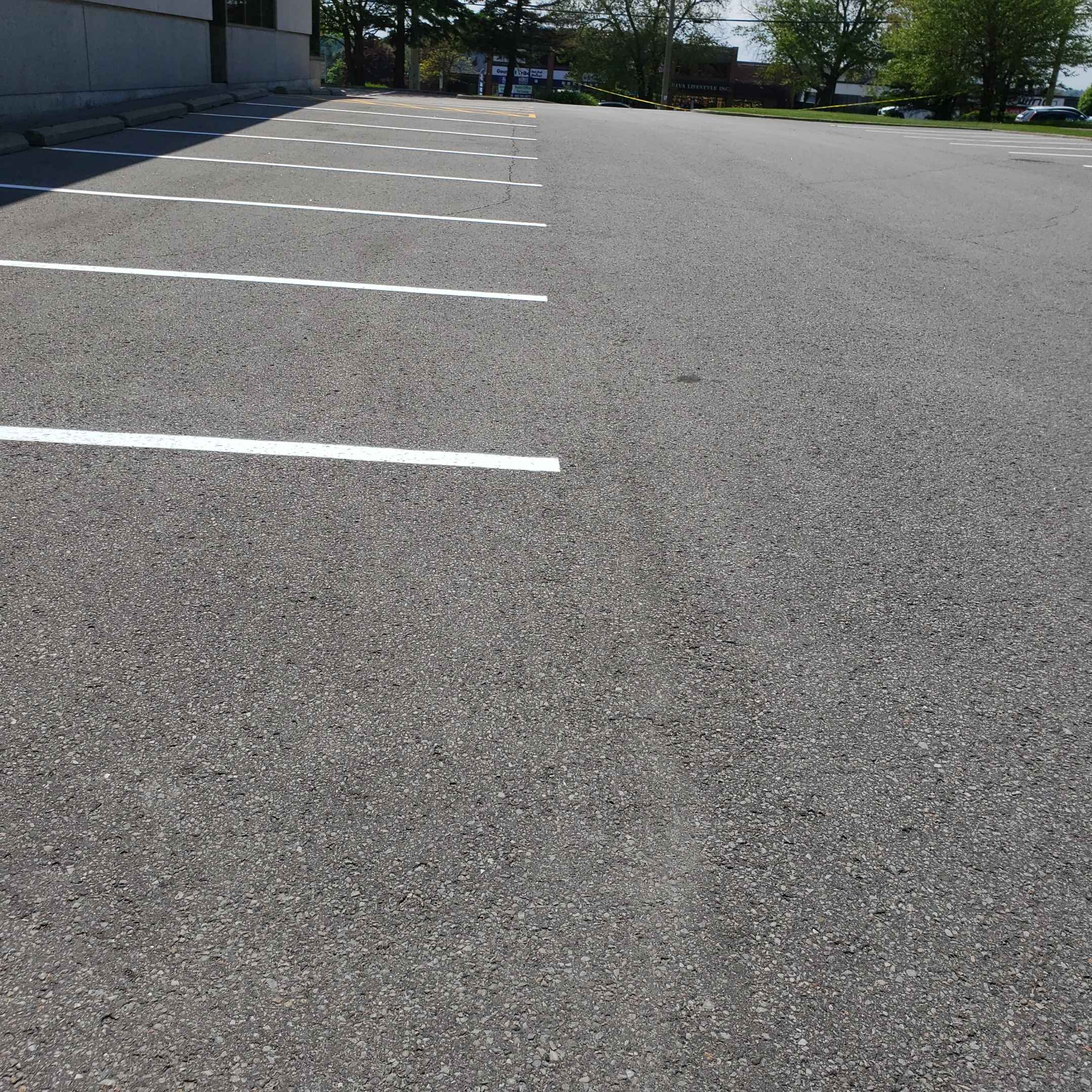
When walking through a commercial parking lot, most people notice cracks as mere eyesores. However, for professionals like Capital Parking Lot Line Painting, a crack is a diagnostic indicator of the pavement's health. The way a crack behaves—specifically its width and its depth—dictates exactly which repair methodology must be employed to prevent further structural failure.
In a bustling economic hub like Windsor, where seasonal temperature fluctuations can cause significant thermal expansion and contraction, ignoring the specific dimensions of a crack can lead to costly full-depth reconstructions rather than simple maintenance.
The Critical Role of Crack Width
Crack width is often the most visible metric, but it is also one of the most deceptive. Not all cracks are created equal, and applying a "one size fits all" sealant approach is a recipe for premature failure.
Hairline Cracks (Less than 1/4 inch)
Hairline cracks are often the result of early-stage shrinkage or minor thermal movement. Because they are so narrow, standard liquid crack fillers may struggle to penetrate the full depth of the fissure. For these, a high-quality penetrating sealer is often preferred. This allows the sealant to seep deep into the substrate, creating a waterproof barrier before the crack can widen.
Medium Cracks (1/4 inch to 1/2 inch)
As cracks widen, they enter a zone where standard liquid sealants become insufficient. At this stage, Capital Parking Lot Line Painting typically recommends hot-applied rubberized asphalt crack sealant. This material is thick enough to bridge the gap while remaining flexible enough to move with the pavement during Windsor's harsh winters.
Wide Cracks (Over 1/2 inch)
When a crack exceeds half an inch, it is no longer just a surface issue; it is a structural vulnerability. Wide cracks often require more robust solutions, such as crack bridging or even localized patching, to ensure the void is completely filled and stabilized.
The Hidden Danger: Crack Depth
While width is easy to see, depth is the silent driver of pavement decay. A crack that appears narrow on the surface but extends deep into the base layer is far more dangerous than a wide, shallow crack.
If a repair only addresses the surface (the "skin") of the asphalt without considering the depth, water will eventually find its way underneath the sealant. Once water reaches the sub-base, it can cause erosion, leading to potholes and total base failure. This is why professional assessment is vital for any commercial property owner.
Expert Maintenance Matters
Don't wait for the potholes to appear. Proactive crack management preserves your investment and extends the life of your asphalt surface significantly.
Choosing the Right Repair Strategy
Selecting the correct method depends on a combination of width, depth, and the age of the asphalt. Here is a summary of common mistakes to avoid during the maintenance process:
- Using low-quality cold fillers on wide cracks: These tend to harden and become brittle, cracking again within months.
- Ignoring depth: Failing to clean the crack of debris and moisture before filling prevents proper adhesion.
- Delaying repairs: Small cracks are cheap to fix; large potholes are expensive to reconstruct.
- Improper cleaning: Applying sealant over dirt or loose gravel ensures the repair will fail.
When you combine professional crack repair with high-quality Line Marking or Line Painting, you create a parking lot that is not only structurally sound but also highly functional and visually professional.
Why Professional Assessment is Key
At Capital Parking Lot Line Painting, we understand that every parking lot in Windsor has a unique history. The soil composition, traffic volume, and drainage patterns all influence how cracks form and how they should be treated.
By analyzing the specific dimensions of each fissure, we can deploy the exact amount of material needed to provide a permanent seal, rather than a temporary fix. This precision ensures that your pavement remains a safe and welcoming environment for your customers and tenants.