Crackfilling for Newly Paved vs. Aged Asphalt Surfaces
Maintaining the integrity of your asphalt requires a nuanced approach that changes as your pavement matures.
Asphalt is a resilient material, but it is not invincible. Whether you are managing a commercial parking lot in Brampton or a private driveway, the longevity of your surface depends heavily on one critical maintenance task: crackfilling. However, a common mistake many property owners make is assuming that one-size-fits-all crack sealing works for every surface. The reality is that the strategy for a freshly laid parking lot is vastly different from the approach required for an aging, weathered surface.
At Capital Parking Lot Line Painting, we specialize in identifying these subtle differences to ensure your pavement remains structurally sound for years to come.
The Importance of Crackfilling
Cracks are more than just aesthetic eyesores; they are gateways for destruction. When water enters a crack, it can seep into the sub-base, leading to erosion and shifting. In climates like Ontario, the freeze-thaw cycle exacerbates this, as expanding ice acts like a wedge, forcing cracks to grow wider and deeper. By implementing professional crackfilling, you are effectively waterproofing your investment.
Crackfilling for Newly Paved Asphalt
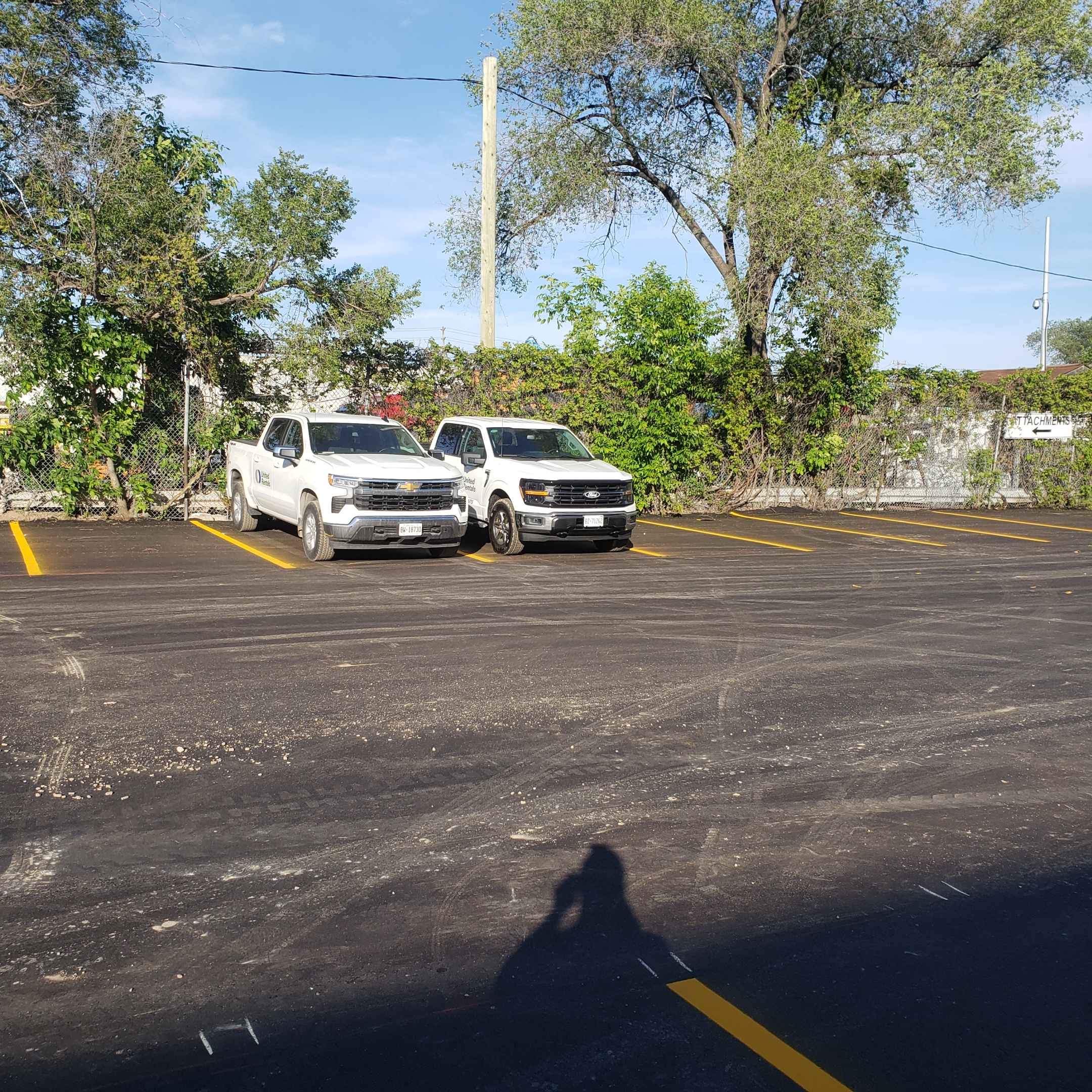
When asphalt is newly paved, it is in its prime. It is flexible, dark, and structurally cohesive. However, even the best-installed asphalt will experience "shrinkage cracks." These occur as the material settles and the volatile oils within the asphalt mix begin to stabilize.
Preventative Maintenance Strategy
For new surfaces, crackfilling is purely preventative. The goal is to catch those tiny, hairline fractures before they become structural voids. Because the cracks are narrow, specialized thin-viscosity sealants are often used to ensure deep penetration into the fissure. This keeps the surface unified and prevents the onset of oxidation.
Capital Parking Lot Line Painting recommends performing this initial sealing early in the pavement's lifecycle to lock in its structural integrity.
Crackfilling for Aged Asphalt Surfaces
Aged asphalt tells a different story. Over time, exposure to UV rays, heavy traffic, and environmental pollutants causes the asphalt to oxidize, turning it from a deep black to a light grey. This process makes the surface brittle and prone to larger, more complex cracking patterns, such as alligator cracking.
The Remedial Approach
When dealing with aged surfaces, the process is more intensive. The cracks are often wider and deeper, requiring a much larger volume of sealant. Cleaning the cracks becomes the most vital step; old debris, dirt, and vegetation must be completely removed to ensure the new material adheres to the old surface. Without proper preparation, the new crackfill will simply pop out within a single season.
Key Differences at a Glance
- Purpose: New = Prevention; Aged = Repair/Restoration.
- Crack Width: New = Hairline/Narrow; Aged = Wide/Deep.
- Sealant Type: New = High-penetration/Thin; Aged = High-volume/Heavy-duty.
- Surface Condition: New = Flexible/Dark; Aged = Brittle/Grey.
Beyond Crackfilling: Complete Surface Care
While crackfilling protects the foundation, a complete maintenance plan often includes other services to keep the lot looking professional and safe. For example, once the cracks are sealed, many businesses in Brampton opt for sealcoating to restore the color and provide an extra layer of UV protection. Furthermore, clear Line Marking is essential for safety and organization. Whether it is defining parking stalls or pedestrian walkways, professional Line Painting ensures your lot remains compliant and easy to navigate.
By combining crackfilling with regular Line Marking, you create a cohesive, well-maintained environment that boosts curb appeal and property value.
Common Mistakes to Avoid
Even with the best intentions, improper crackfilling can lead to more problems. Avoid these common pitfalls:
- Ignoring small cracks: A tiny crack today is a pothole tomorrow.
- Poor cleaning: Applying sealant over dirt or moisture prevents adhesion.
- Using the wrong material: Using heavy-duty filler on hairline cracks won't allow for deep penetration.
- DIY attempts: Professional-grade equipment and temperature-controlled sealants are necessary for a lasting bond.
Trusting the experts at Capital Parking Lot Line Painting ensures that the right method is applied to your specific asphalt condition.
Ready to protect your pavement?
Don't wait for the cracks to become craters. Contact our team today to schedule a professional assessment of your asphalt surfaces.