Crackfilling for Newly Paved vs. Aged Asphalt Surfaces
Maintaining the integrity of your asphalt requires more than just a watchful eye; it requires a strategic approach to preventative maintenance tailored to the age of your pavement.
When it comes to pavement management, one of the most critical tasks is crackfilling. Whether you own a commercial property in Hamilton or manage a residential complex, the way you approach cracks depends entirely on the age of your asphalt. Treating a brand-new surface the same way you treat a decade-old lot is a recipe for premature failure. At Capital Parking Lot Line Painting, we specialize in identifying these nuances to ensure your surfaces remain durable against the harsh Ontario elements.
The Importance of Timing in Asphalt Maintenance
Asphalt is a flexible pavement, meaning it is designed to expand and contract with temperature fluctuations. In a top 30 city like Hamilton, where seasonal shifts can be extreme, this movement is constant. If cracks are left unsealed, water penetrates the sub-base, leading to potholes, structural failure, and costly reconstruction.
The strategy for crackfilling changes significantly depending on whether you are working with a fresh installation or a surface that has been weathered by years of traffic and UV exposure.
Crackfilling for Newly Paved Asphalt
New asphalt is at its peak strength, but it is also in a period of transition. As the asphalt cures, it undergoes a process of compaction and settling. Even with professional installation, minor hairline cracks can appear due to the natural settling of the base material or thermal contraction.
Preventative Sealing
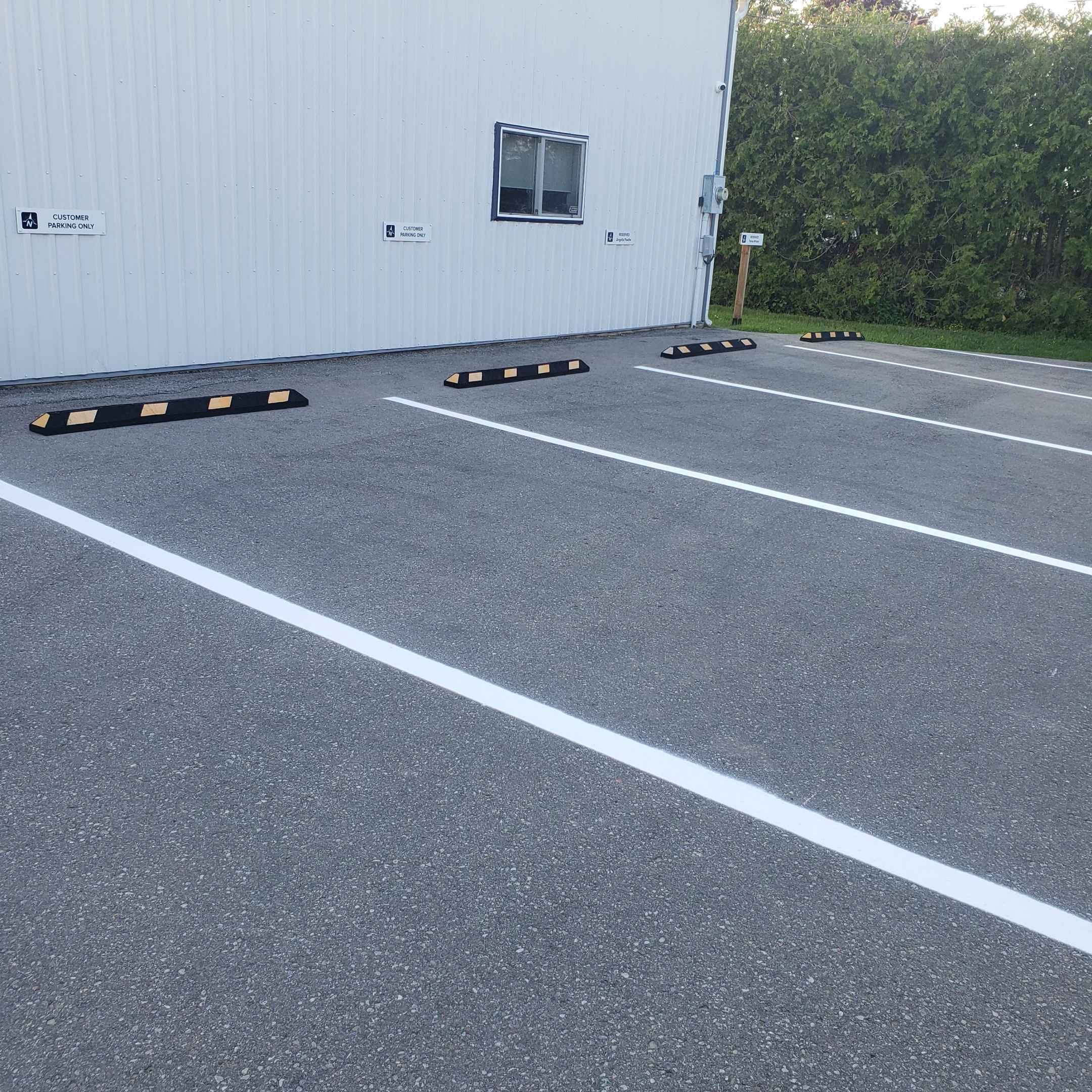
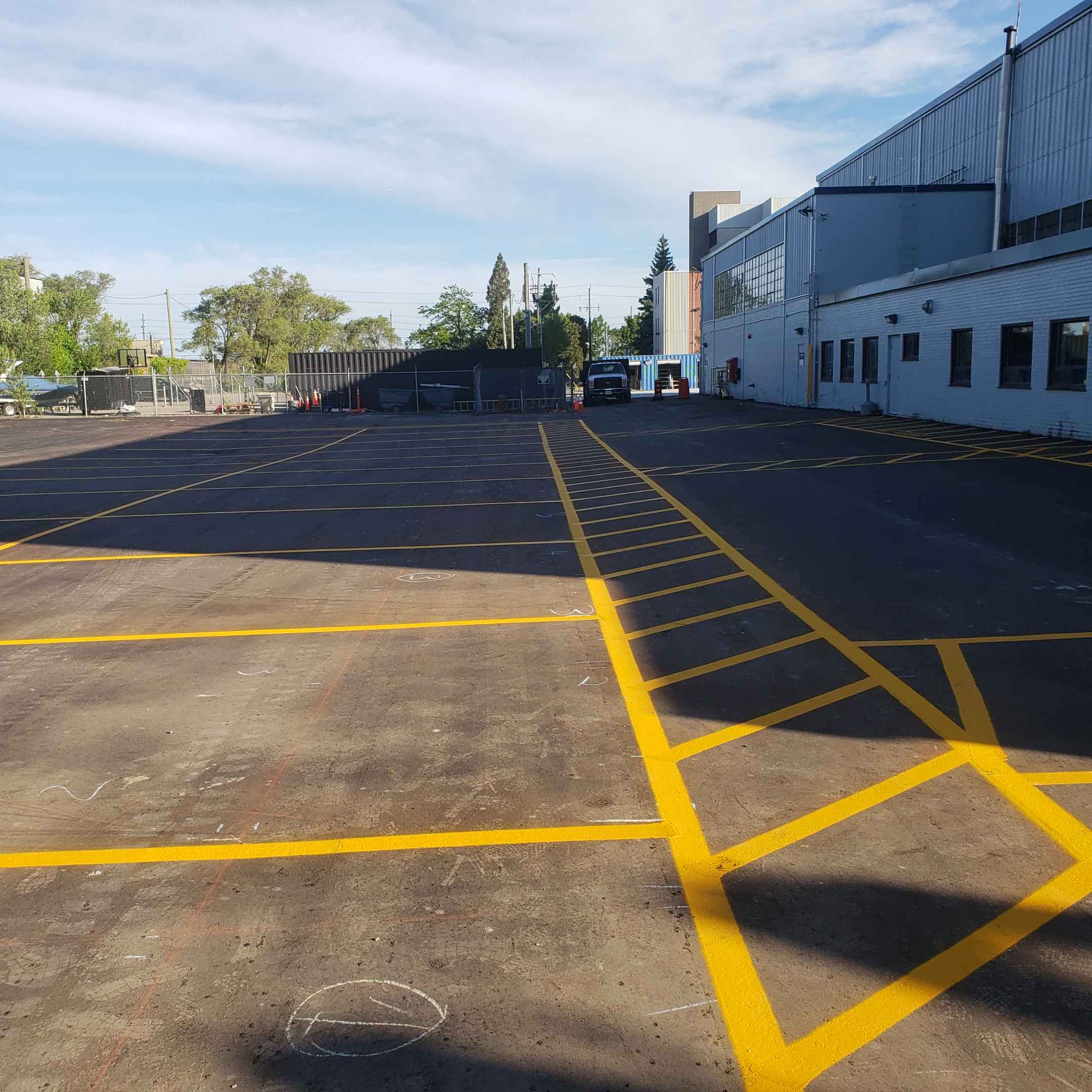
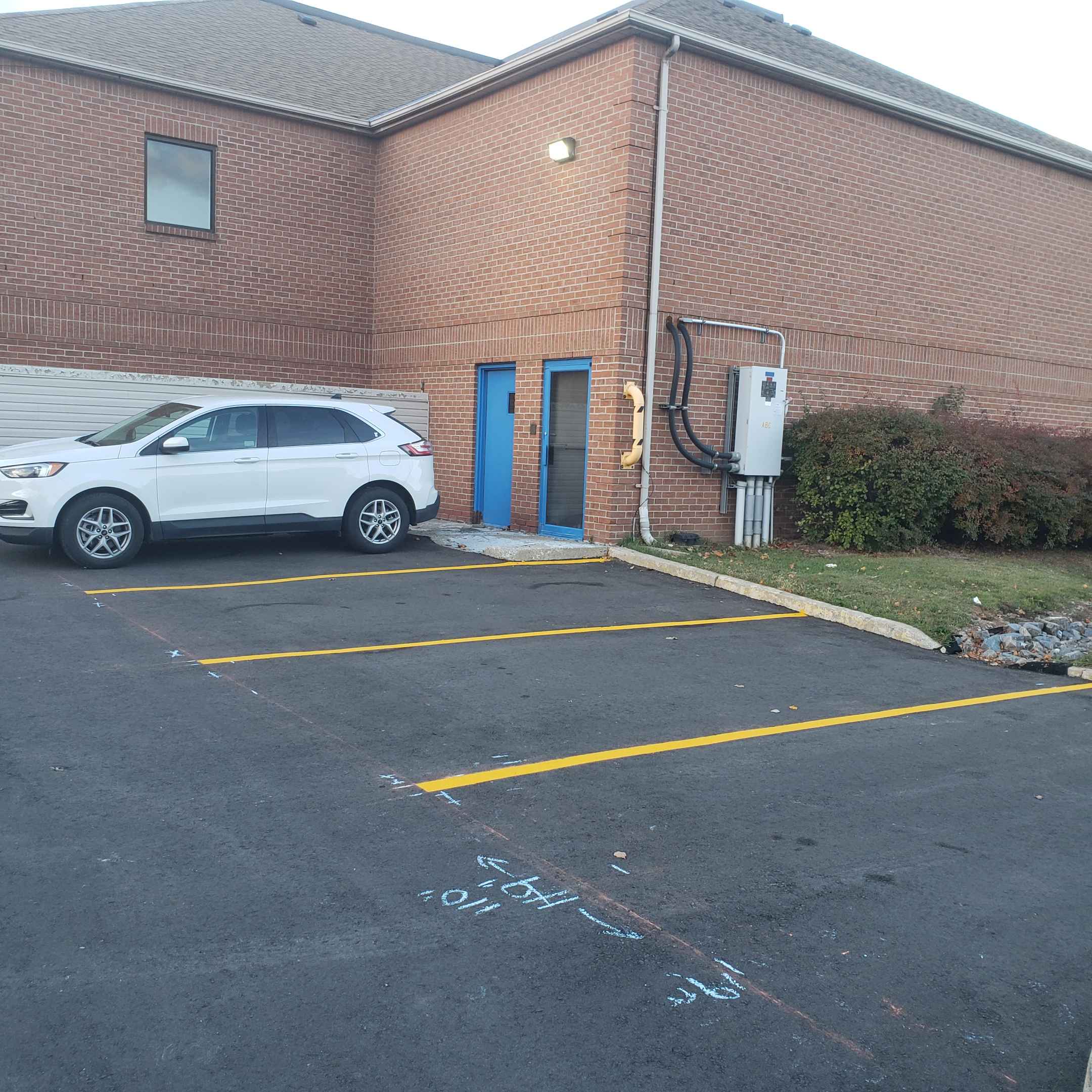
For new surfaces, crackfilling is less about "repair" and more about "protection." The goal is to seal these tiny fissures before they become wide enough to allow significant water infiltration. Using a high-quality, flexible sealant on new asphalt helps maintain the cohesive bond of the surface. This is often paired with professional Line Marking to define the fresh surface and ensure safety from day one.
Crackfilling for Aged Asphalt Surfaces
Aged asphalt tells a different story. Over time, oxidation occurs—a process where UV rays break down the bitumen (the "glue" that holds the rocks together). This makes the asphalt brittle. Once the surface becomes brittle, cracks become wider, deeper, and more frequent.
Structural Repair and Stabilization
When Capital Parking Lot Line Painting visits an aged site, the approach is much more intensive. We aren't just filling tiny gaps; we are often performing structural stabilization. For wider cracks, a simple liquid filler may not suffice. Instead, a hot-applied rubberized sealant is often required to fill the void completely and provide a flexible bridge that can withstand the movement of the aged material.
Key Differences at a Glance
- Crack Width: New asphalt typically has hairline cracks; aged asphalt has wide, structural fissures.
- Primary Goal: New = Prevention; Aged = Restoration and Stabilization.
- Material Usage: New surfaces require light, flexible sealants; aged surfaces often require heavy-duty hot-applied rubberized fillers.
- Maintenance Frequency: New surfaces require infrequent check-ups; aged surfaces require regular, scheduled interventions.
Common Mistakes to Avoid
Many property owners attempt DIY repairs or hire unqualified contractors, which can lead to even more damage. Avoid these common pitfalls:
- Using the wrong material: Using a rigid filler on a flexible surface will cause the filler to pop out within months.
- Inadequate cleaning: If the crack is filled with dirt, debris, or vegetation, the sealant will not bond to the asphalt.
- Ignoring the sub-base: If a crack is caused by a sinking sub-base, simply filling the crack is a temporary bandage on a much larger wound.
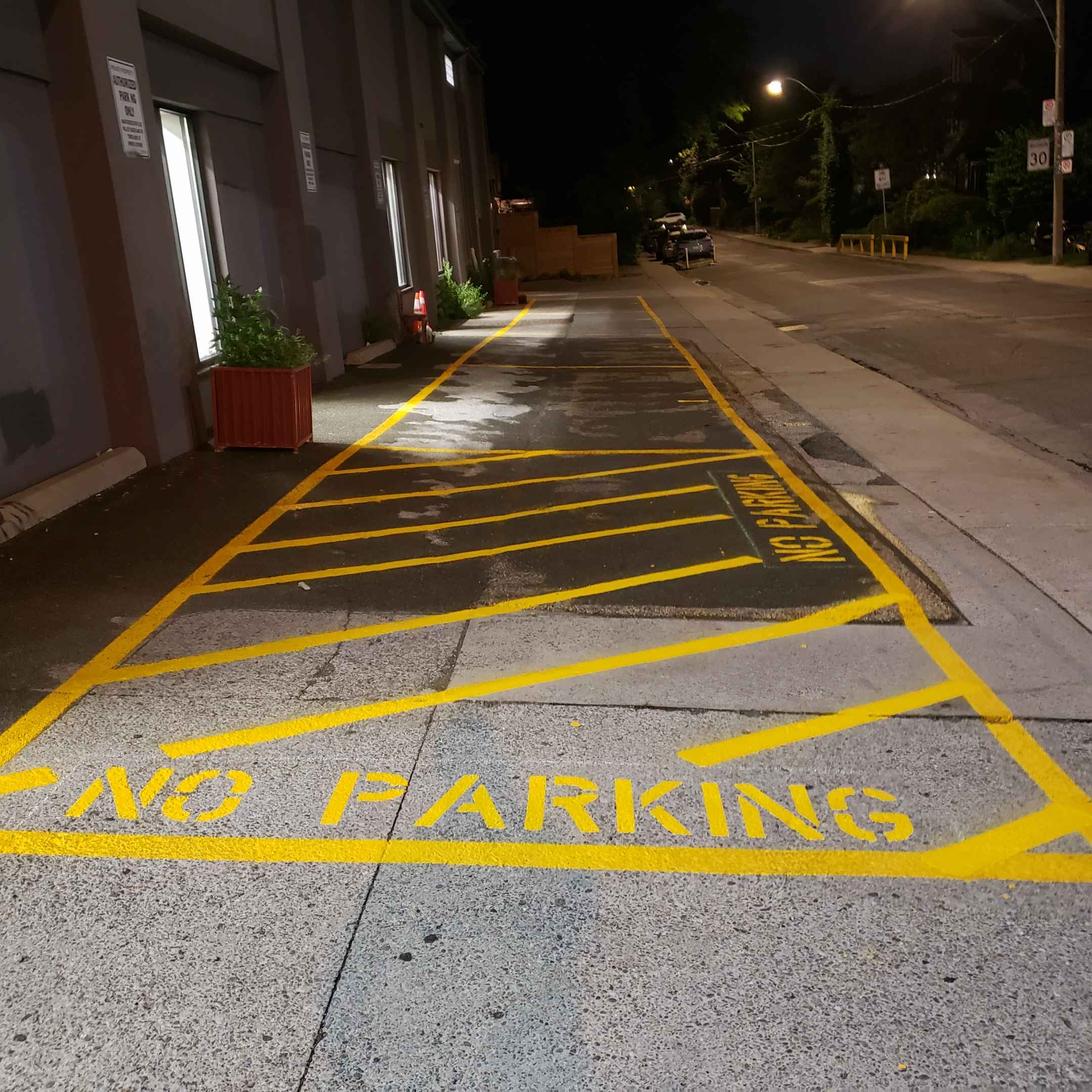
- Neglecting Line Marking: After major crackfilling or resurfacing, failing to refresh your Line Painting can lead to safety hazards and poor traffic flow.
Why Choose Professional Services?
At Capital Parking Lot Line Painting, we understand that every parking lot is unique. We don't believe in a one-size-fits-all solution. Our team assesses the depth, width, and age of your asphalt to provide a customized maintenance plan that maximizes your return on investment.
By combining expert crackfilling with precision Line Marking, we provide a complete aesthetic and functional overhaul that keeps your property looking professional and functioning safely.
Ready to Protect Your Pavement?
Don't wait for a small crack to become a massive pothole. Contact the experts at Capital Parking Lot Line Painting today to schedule a professional assessment of your asphalt surfaces.