Crackfilling for Newly Paved vs. Aged Asphalt Surfaces
Protecting your pavement requires a nuanced understanding of how asphalt ages and reacts to the elements.
Asphalt is one of the most durable and cost-effective materials for parking lots and roadways. However, its longevity is not guaranteed by installation alone; it is heavily dependent on consistent maintenance. One of the most critical aspects of this maintenance is crackfilling. At Capital Parking Lot Line Painting, we see firsthand how the approach to crackfilling must shift significantly depending on whether the asphalt is freshly laid or has been weathered by years of service.
In a bustling economic hub like Mississauga, where heavy traffic and seasonal temperature swings can take a toll on infrastructure, understanding these differences can save property owners significant capital in the long run.
The Science of Asphalt Aging
To understand why crackfilling methods differ, we must first understand what happens to asphalt over time. Fresh asphalt is a flexible, viscous material. As it cures, it undergoes a process of oxidation. This exposure to oxygen and UV rays causes the bitumen (the "glue" that holds the aggregate together) to become brittle.
As the surface becomes less flexible, it begins to develop micro-cracks. If left untreated, these micro-cracks expand into larger fissures through which water can penetrate. Once water enters the sub-base, it can cause structural failure, especially during the freeze-thaw cycles common in Ontario.
Approach 1: Newly Paved Asphalt
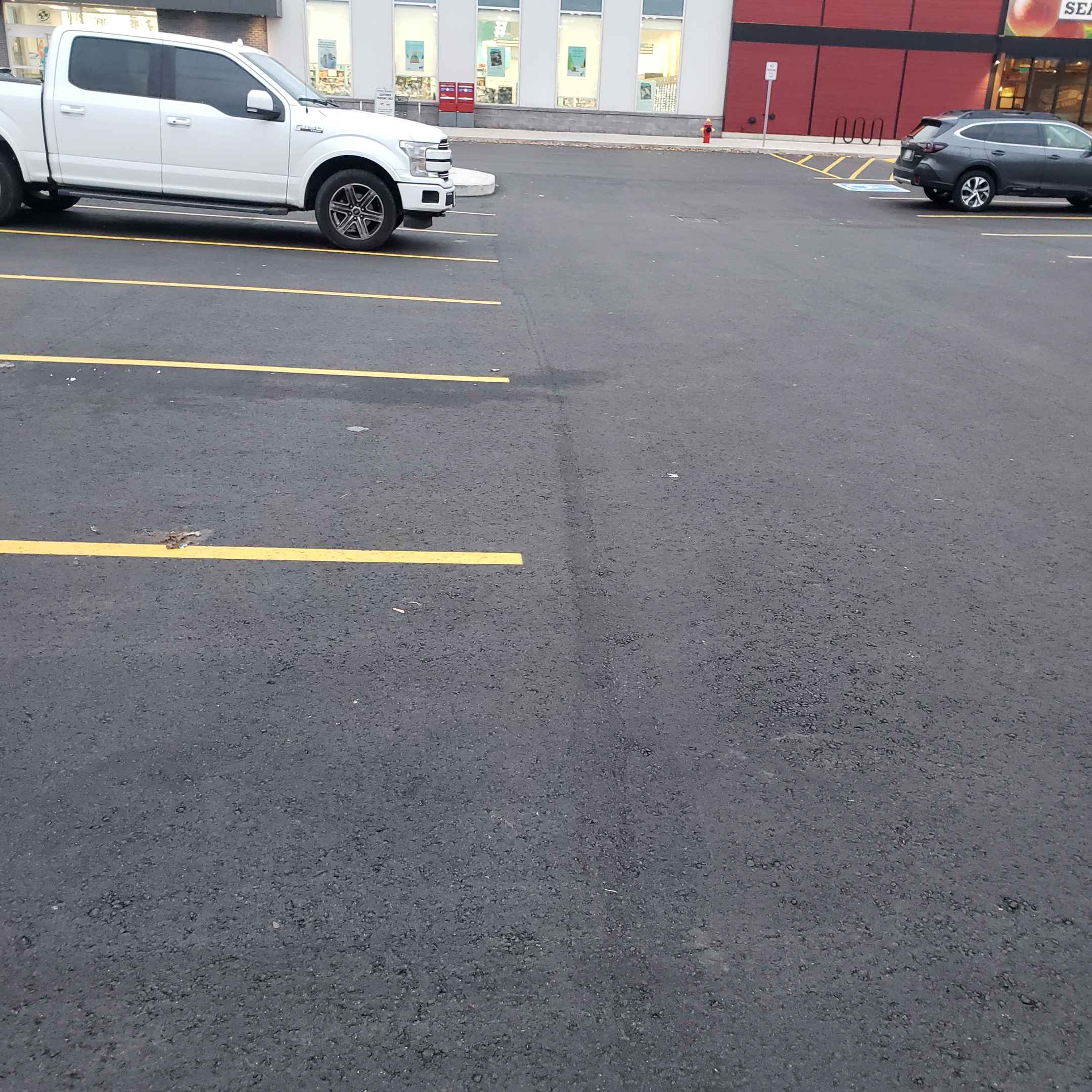
When a parking lot is newly paved, the primary goal is not necessarily to fill deep cracks—as there shouldn't be many—but to manage the natural shrinkage that occurs during the initial curing process. New asphalt is still settling into its final state.
Preventative Crack Sealing
For new surfaces, the focus is on "preventative sealing." This involves identifying small hairline cracks that appear as the asphalt stabilizes. By sealing these early, Capital Parking Lot Line Painting helps ensure that moisture never reaches the base layer. This proactive step is much more effective than waiting for a full-scale repair.
The Importance of Curing Time
One mistake many property owners make is attempting to perform sealcoating or aggressive crackfilling too soon after paving. New asphalt needs time to release its oils. If you apply heavy sealants too early, you may trap those oils and cause the surface to fail prematurely. Always consult with professionals to determine the optimal window for maintenance on new surfaces.
Approach 2: Aged Asphalt Surfaces
Aged asphalt presents a much more complex challenge. In an established area like Mississauga, you will often encounter lots that have survived several winters. These surfaces are characterized by wider cracks, raveling (the loss of aggregate from the surface), and significant oxidation.
Deep Crack Injection
With aged asphalt, simple surface sealants are insufficient. Instead, we utilize hot-applied rubberized crack fillers. These materials are heated to a liquid state and injected deep into the fissures. This creates a flexible, waterproof plug that can expand and contract with the pavement as temperatures change.
Structural Integrity vs. Aesthetics
While crackfilling on aged asphalt certainly improves the look of the lot, the primary objective is structural. We are essentially performing "surgery" to stop the spread of damage. Once the cracks are filled, it is often recommended to follow up with professional Line Marking to restore the visual clarity and safety of the lot.
Common Mistakes in Asphalt Maintenance
- Ignoring Hairline Cracks: Small cracks are the precursors to major potholes.
- Using Low-Quality Fillers: Cheap, cold-applied fillers often fail within a single season.
- Improper Cleaning: Applying filler over dirt or debris prevents a proper bond.
- Neglecting Line Marking: A repaired lot with faded lines is still a liability for traffic flow.
Why Professional Intervention Matters
Whether you are dealing with a fresh installation or a decades-old lot, the technical requirements for crackfilling are high. Capital Parking Lot Line Painting utilizes industrial-grade equipment to ensure that fillers are applied at the correct temperature and depth. This ensures a bond that can withstand the harsh Canadian climate.
Beyond the cracks, maintaining the visual communication of your lot through high-quality Line Painting ensures that your property remains safe, compliant, and professional in appearance.
Ready to protect your pavement?
Don't wait for the cracks to become craters. Contact the experts at Capital Parking Lot Line Painting to schedule a maintenance assessment for your property.