Crackfilling for Newly Paved vs. Aged Asphalt Surfaces
Maintaining the integrity of your asphalt surfaces requires more than just a surface-level glance; it requires a strategic approach to crack prevention tailored to the age of the pavement.
The Critical Role of Crackfilling in Pavement Longevity
Whether you own a commercial warehouse or a retail shopping center in Oshawa, your asphalt is one of your most significant infrastructure investments. One of the primary enemies of asphalt is water. When water penetrates the surface through small fissures, it works its way into the sub-base, leading to erosion, potholes, and total structural failure.
At Capital Parking Lot Line Painting, we emphasize that crackfilling is not a "one size fits all" service. The method, the materials used, and the timing of the application must change significantly depending on whether your asphalt is brand new or has been weathering the elements for a decade.
Preventative Care for Newly Paved Asphalt
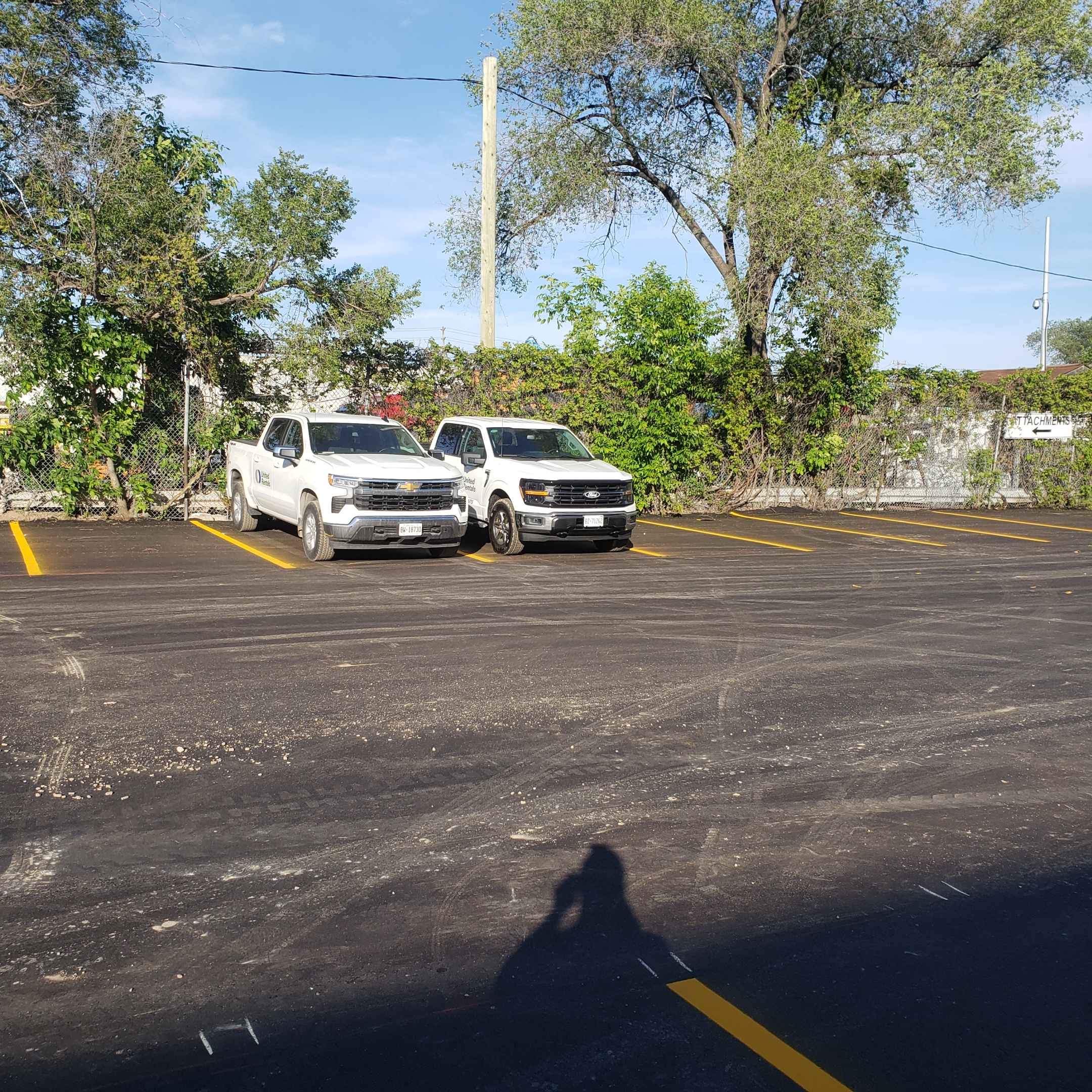
It might seem counterintuitive to perform maintenance on a surface that looks perfect, but preventative crackfilling on new asphalt is the gold standard for property management. New asphalt undergoes a process called curing, during which it settles and adjusts to the weight of traffic and environmental changes.
Why Act Early?
Newly paved surfaces often develop "hairline cracks" due to shrinkage or minor settling. If these are left unaddressed, they expand rapidly during the freeze-thaw cycles common in Ontario. By sealing these early, Capital Parking Lot Line Painting helps ensure that the base remains dry and stable.
For new surfaces, we focus on:
- Identifying hairline shrinkage cracks before they widen.
- Using flexible, high-quality sealants that move with the new pavement.
- Protecting the initial investment from premature oxidation.
- Setting a foundation for future Line Marking projects.
Restorative Maintenance for Aged Asphalt Surfaces
As asphalt ages, it loses its volatile oils, becoming brittle and gray. This aging process leads to more significant cracks, such as alligator cracking or longitudinal cracks. For these surfaces, the approach shifts from prevention to restoration.
In a bustling city like Oshawa, heavy traffic loads can accelerate this aging process. When cracks reach a certain width, simple liquid sealants are no longer sufficient. Instead, a more robust hot-applied rubberized asphalt filler is required to bridge the gaps and prevent deep water infiltration.
The Restoration Process
When dealing with aged surfaces, the preparation is much more intensive. We must clean out debris, old oxidized material, and vegetation from the cracks to ensure a proper bond. Once the cracks are cleaned, the filler is applied to create a seamless barrier that restores some of the surface's structural integrity.
Key Differences at a Glance
Newly Paved
Focuses on hairline cracks and shrinkage. Uses thinner, highly flexible sealants. Primarily preventative.
Aged Asphalt
Focuses on wide cracks and structural gaps. Uses hot-applied rubberized fillers. Primarily restorative.
Integrating Maintenance with Line Marking
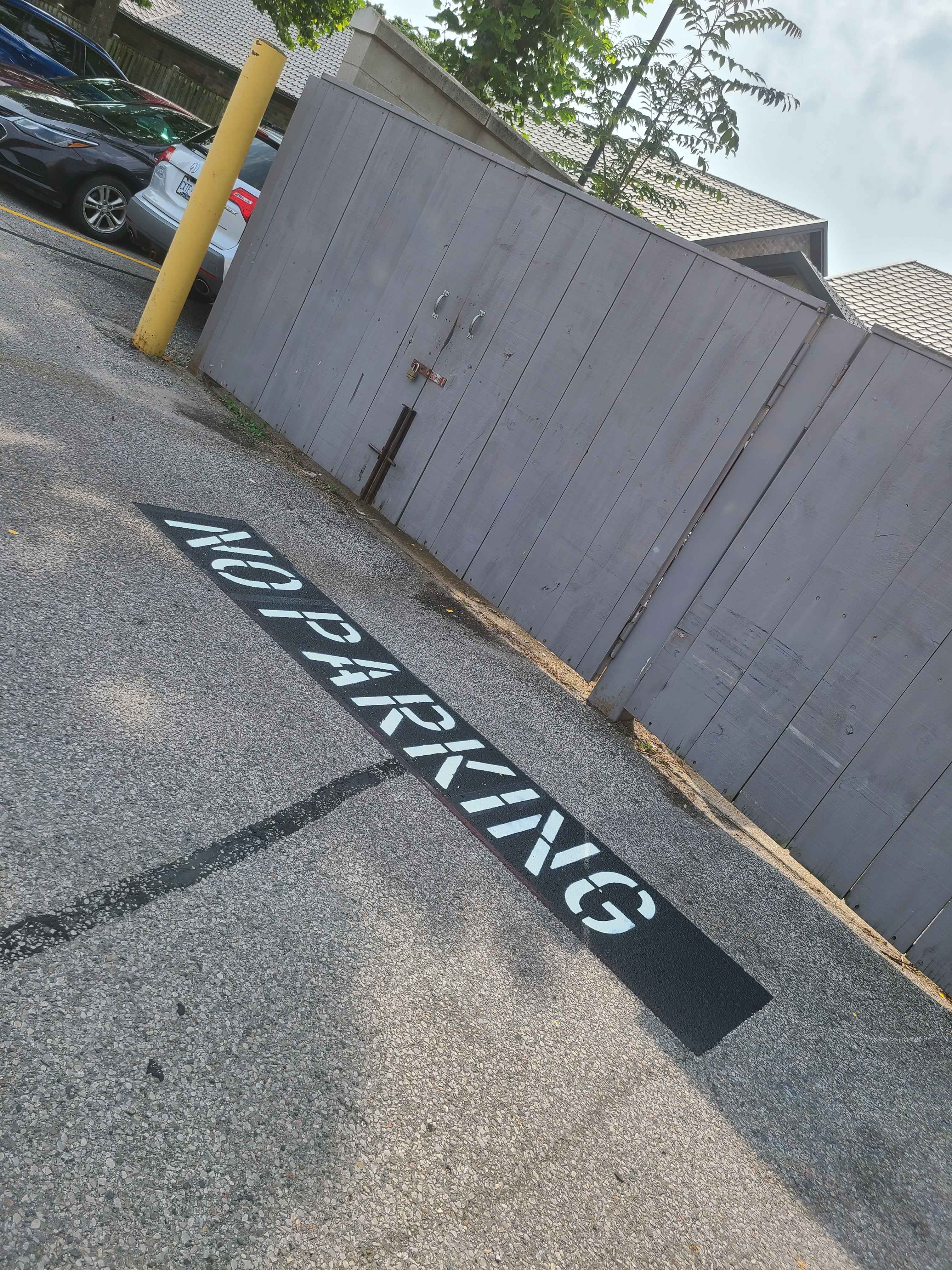
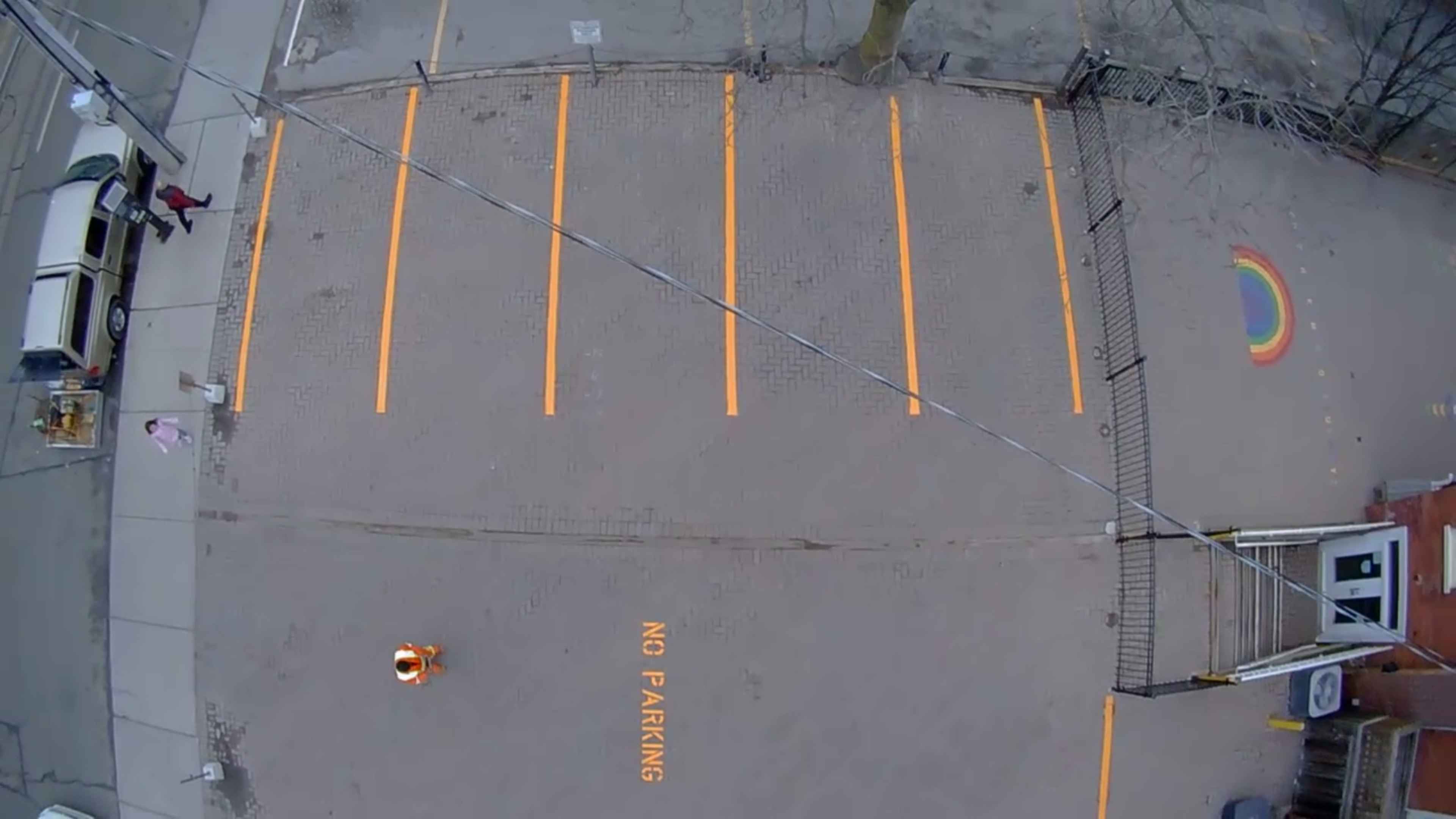
A well-maintained parking lot isn't just about the blacktop; it's about clarity and safety. Once the crackfilling process is complete and the surface is stabilized, it is the perfect time to refresh your Line Marking. Crisp, bright lines guide drivers and pedestrians, reducing liability and improving the professional appearance of your facility.
Capital Parking Lot Line Painting specializes in providing a comprehensive approach, ensuring that your crackfilling and your Line Painting work in harmony to create a durable, high-performing surface.
Visual Reference