Crackfilling for Newly Paved vs. Aged Asphalt Surfaces
Asphalt is the backbone of commercial and residential accessibility, but its lifespan is entirely dependent on how well it is maintained against the elements.
Whether you are managing a sprawling commercial parking lot or a private driveway, the integrity of your asphalt surface is a top priority. In a climate like Ottawa, where freeze-thaw cycles are aggressive, the way you approach crack management can mean the difference between a decade of service and a complete resurfacing project within a few years. At Capital Parking Lot Line Painting, we understand that not all asphalt is created equal, and the strategy for crackfilling must change as the pavement matures.
The Importance of Preventative Crackfilling
Crackfilling is not merely a cosmetic fix; it is a structural necessity. When water penetrates an asphalt surface through small cracks, it reaches the sub-base. In Ontario, this water freezes, expands, and creates much larger voids, leading to potholes and structural failure. By sealing these gaps, you create a waterproof barrier that keeps the foundation of your lot intact.
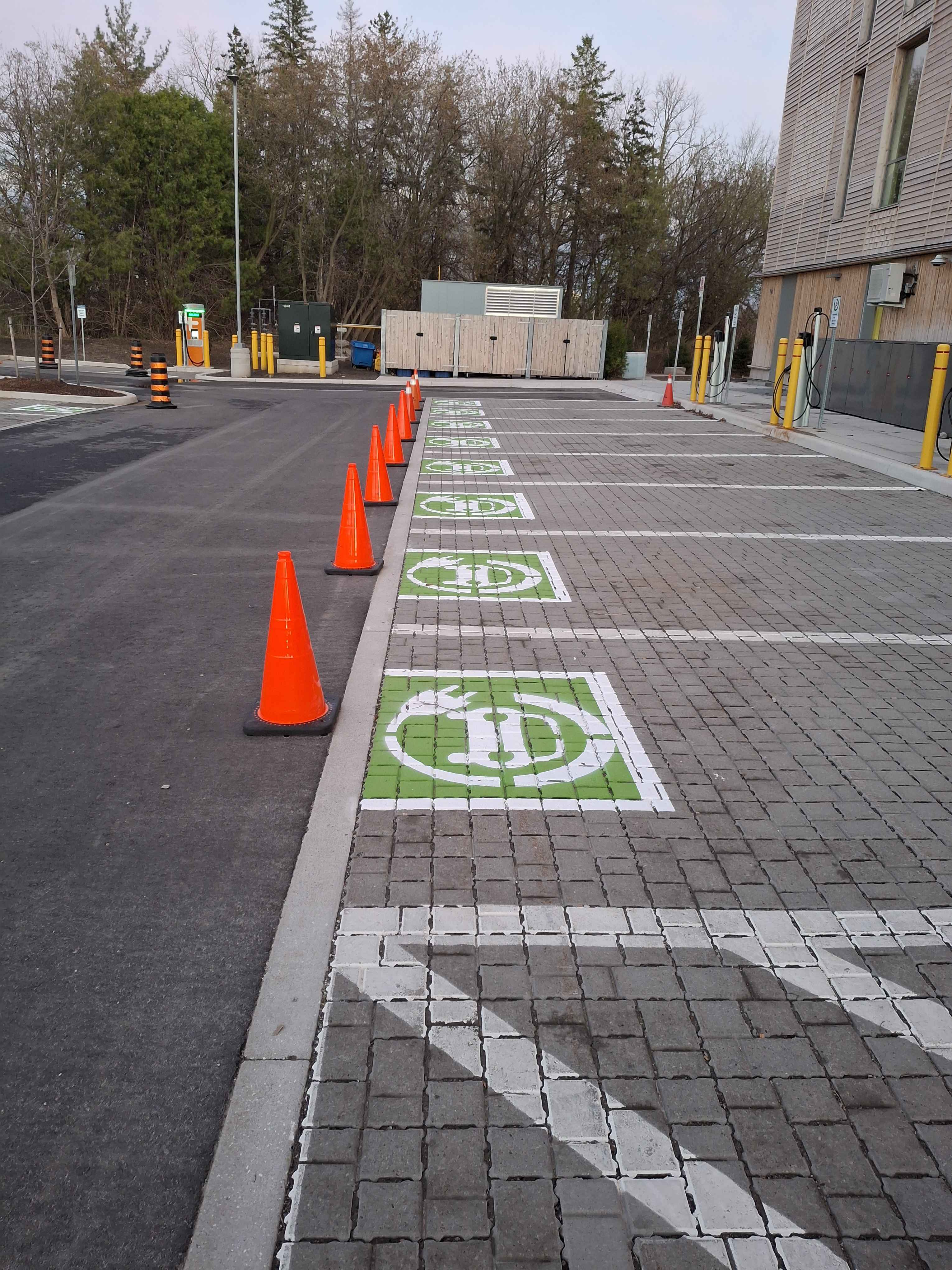
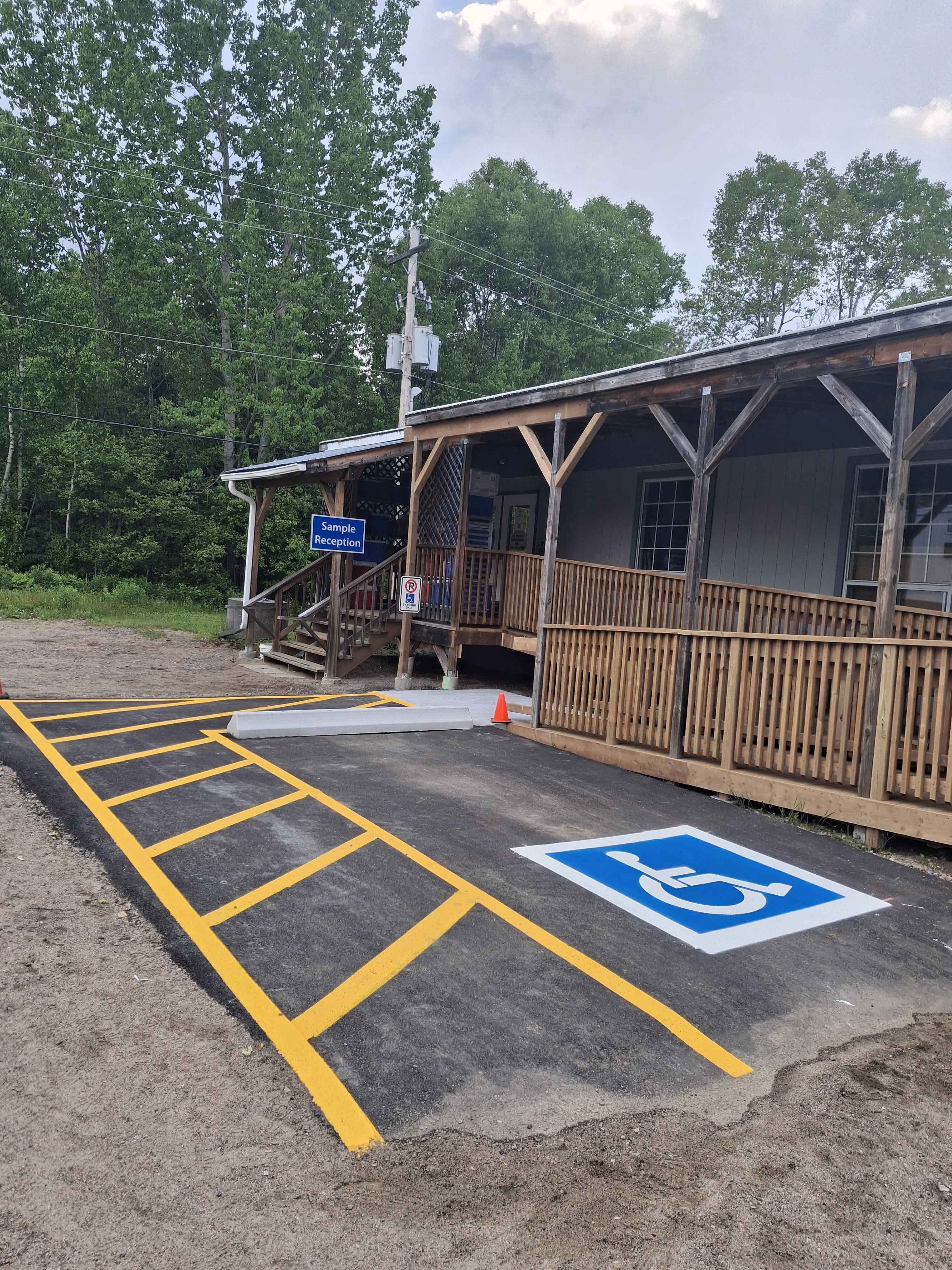
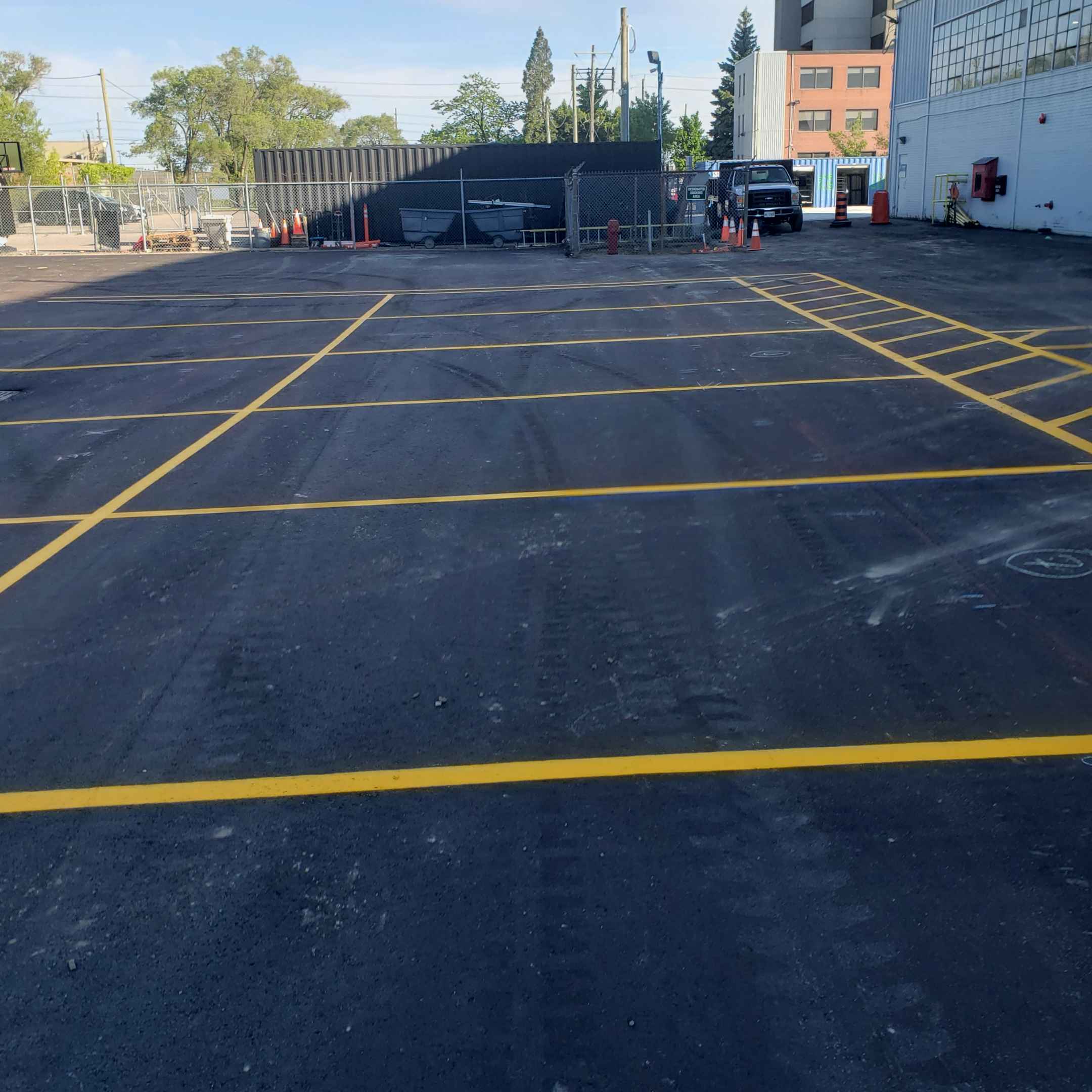
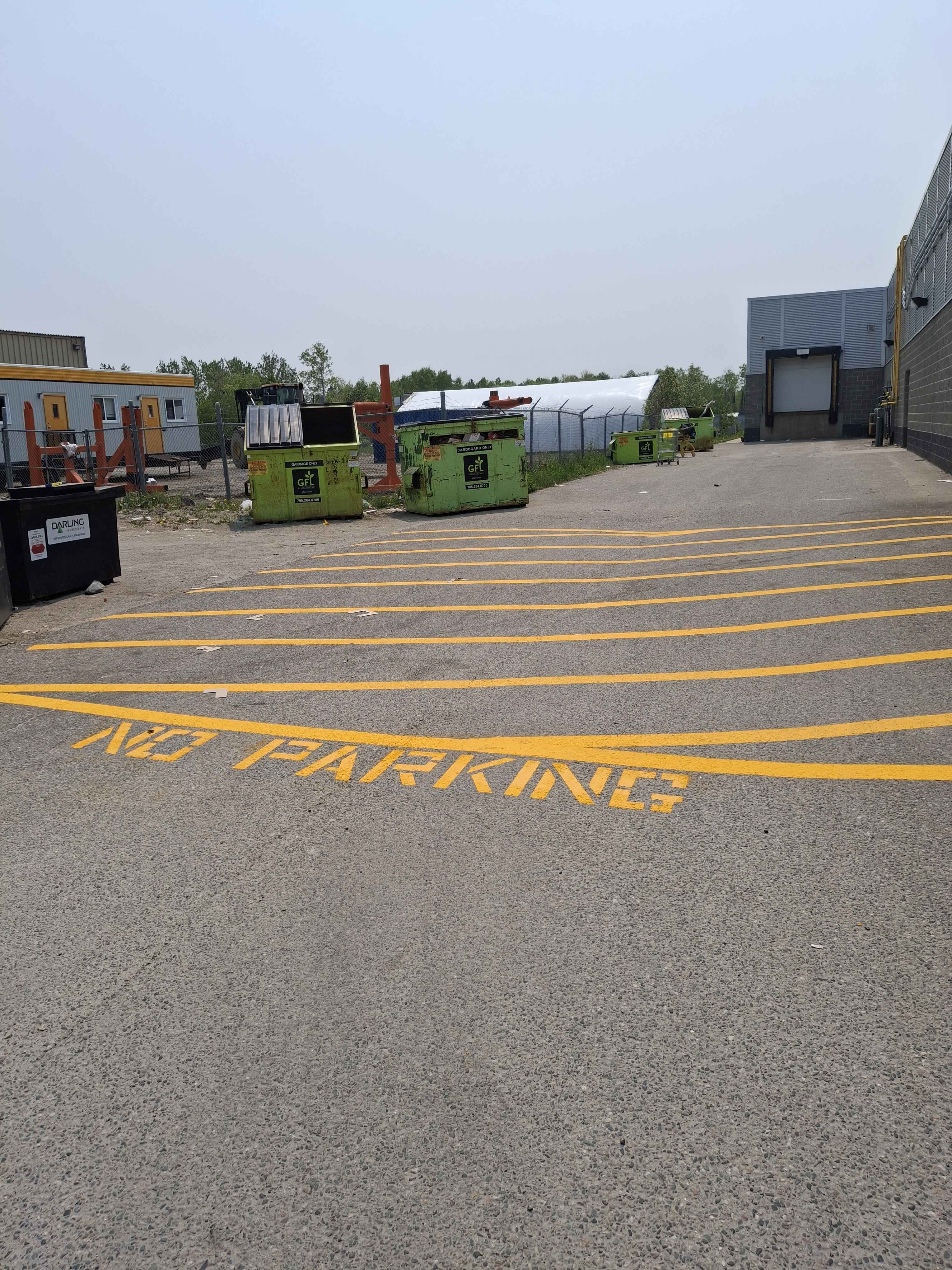
For property managers, integrating crackfilling with regular Line Marking ensures that the entire lot looks professional and remains safe for vehicular traffic.
Case 1: Newly Paved Asphalt Surfaces
When asphalt is freshly laid, it is in its prime. However, it is also in a state of transition. As the oils in the asphalt settle and the material cures, minor shrinkage cracks may appear. These are often referred to as "curing cracks."
The Strategy for New Asphalt
For new surfaces, the goal is preventative maintenance. You aren't fixing structural failures; you are sealing the microscopic pathways that could lead to future issues. The process involves:
- Identifying hairline cracks that occur during the initial curing phase.
- Using high-quality, flexible hot-pour sealants that move with the new material.
- Ensuring the surface is clean and free of construction debris before application.
- Coordinating with Line Painting services to refresh markings once the seal has set.
Case 2: Aged Asphalt Surfaces
Aged asphalt behaves very differently. Over time, oxidation occurs, causing the asphalt to turn from deep black to a light grey. This process makes the pavement brittle. Unlike new asphalt, aged surfaces often exhibit wider, more irregular cracks and "alligator cracking" (a pattern resembling reptile skin).
The Strategy for Aged Asphalt
With older surfaces, the approach must be more aggressive. You are no longer just preventing; you are repairing. Capital Parking Lot Line Painting recommends a thorough inspection of aged lots to determine if simple crackfilling is sufficient or if more intensive repairs are required. For aged surfaces, we focus on:
1. Deep Cleaning: Removing years of dirt, sand, and organic matter from deep crevices to ensure the sealant adheres properly.
2. Wide-Crack Filling: Utilizing specialized heavy-duty rubberized sealants designed to bridge larger gaps caused by long-term wear and tear.
3. Structural Assessment: Determining if the cracks are surface-level or if they indicate a failing sub-base.
Why Professional Expertise Matters
It is tempting to attempt DIY repairs, but the equipment and materials used by professionals like Capital Parking Lot Line Painting are vastly superior to hardware store alternatives. Professional-grade hot-pour machines ensure the sealant is applied at the correct temperature to bond with the asphalt, rather than just sitting on top of it.
Summary: Comparison at a Glance
| Feature | Newly Paved Asphalt | Aged Asphalt |
|---|---|---|
| Primary Goal | Prevention & Protection | Repair & Stabilization |
| Crack Type | Hairline / Curing Cracks | Wide / Alligator Cracks |
| Material Focus | Flexible sealants | Heavy-duty rubberized fillers |
| Maintenance Cycle | Long intervals | Frequent intervals |
Whether you are located in the heart of Ottawa or the surrounding regions, maintaining your pavement is an investment in your property's value. Proper crackfilling, combined with professional Line Marking, ensures your lot remains beautiful, functional, and durable for years to come.