Crackfilling vs. Patching: Which Should You Do First?
Maintaining a professional parking lot requires more than just a fresh coat of paint; it requires a strategic approach to structural repairs. If you are seeing cracks or potholes, you might be wondering: do I fill the cracks first, or do I patch the holes first?
Understanding the Fundamentals of Asphalt Care
As an asphalt surface ages, it undergoes constant stress from temperature fluctuations, heavy vehicle loads, and water infiltration. In a bustling area like Peterborough, where seasonal changes can be quite harsh, these stresses are amplified. To keep your lot looking pristine and functioning safely, you must understand the two primary methods of repair: crackfilling and patching.
At Capital Parking Lot Line Painting, we see property owners struggle with this decision frequently. Choosing the wrong sequence can lead to premature failure of the repair, meaning you end up spending more time and resources fixing the same issues repeatedly.
What is Crackfilling?
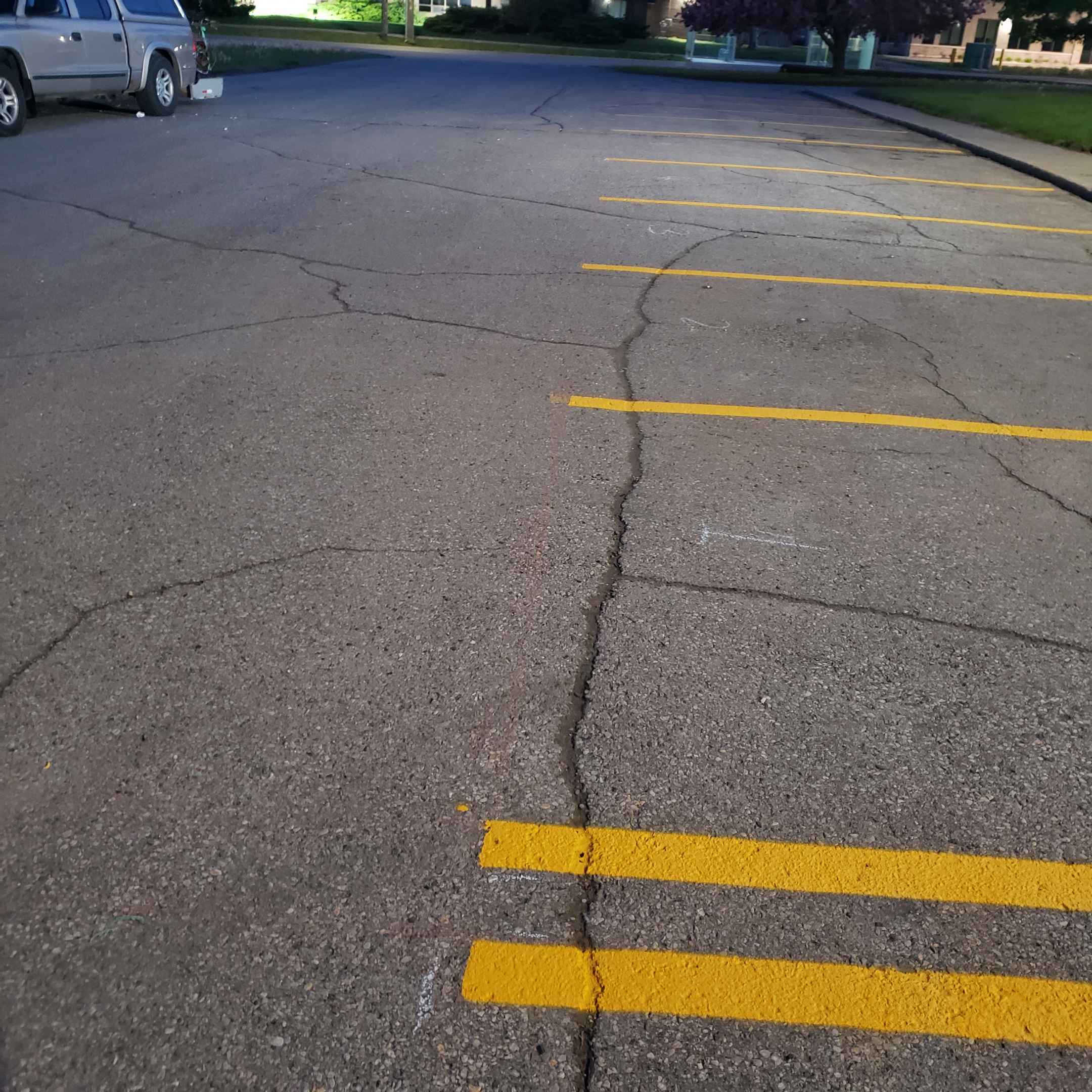
Crackfilling is a preventative maintenance technique. It involves injecting a specialized, flexible rubberized sealant into existing cracks in the asphalt. The goal is to create a waterproof barrier that prevents moisture from seeping into the sub-base of your parking lot.
When to use Crackfilling:
- Hairline cracks or thin fissures in the surface.
- Cracks that are not yet deep enough to compromise the structural integrity of the base.
- Preventative maintenance to stop water from reaching the gravel foundation.
What is Patching?
Patching, often referred to as pothole repair, is a corrective maintenance technique. This is used when the asphalt has already failed significantly. If a section of the pavement has collapsed or crumbled, creating a hole, crackfilling will no longer suffice. You need to remove the loose debris and replace the missing material with new asphalt to restore the surface level.
Patching is a structural necessity. If left unaddressed, a small pothole can quickly expand into a massive crater, potentially damaging vehicles and creating significant liability for property owners in Peterborough.
The Golden Rule: Which Comes First?
The answer is: Patching must always come before Crackfilling.
Think of it this way: patching fixes the "structural wounds," while crackfilling seals the "skin." If you attempt to crackfill a lot that still has deep potholes or failing sections, the sealant will simply fall into the holes or be disrupted as soon as a car drives over the uneven area. By patching first, you create a level, stable surface. Once the structural integrity is restored through patching, you can then perform crackfilling to seal the remaining fine lines and prevent future water damage.
The Complete Maintenance Workflow
To achieve the best results for your commercial property, Capital Parking Lot Line Painting recommends following this professional sequence of operations:
- Structural Assessment: Inspect the lot for deep cracks, potholes, and base instability.
- Patching: Excavate failed areas and install new hot-mix or cold-mix asphalt to level the surface.
- Crackfilling: Once the patches have cured, seal all remaining cracks to prevent water ingress.
- Cleaning: Ensure the entire surface is free of dust, debris, and oil.
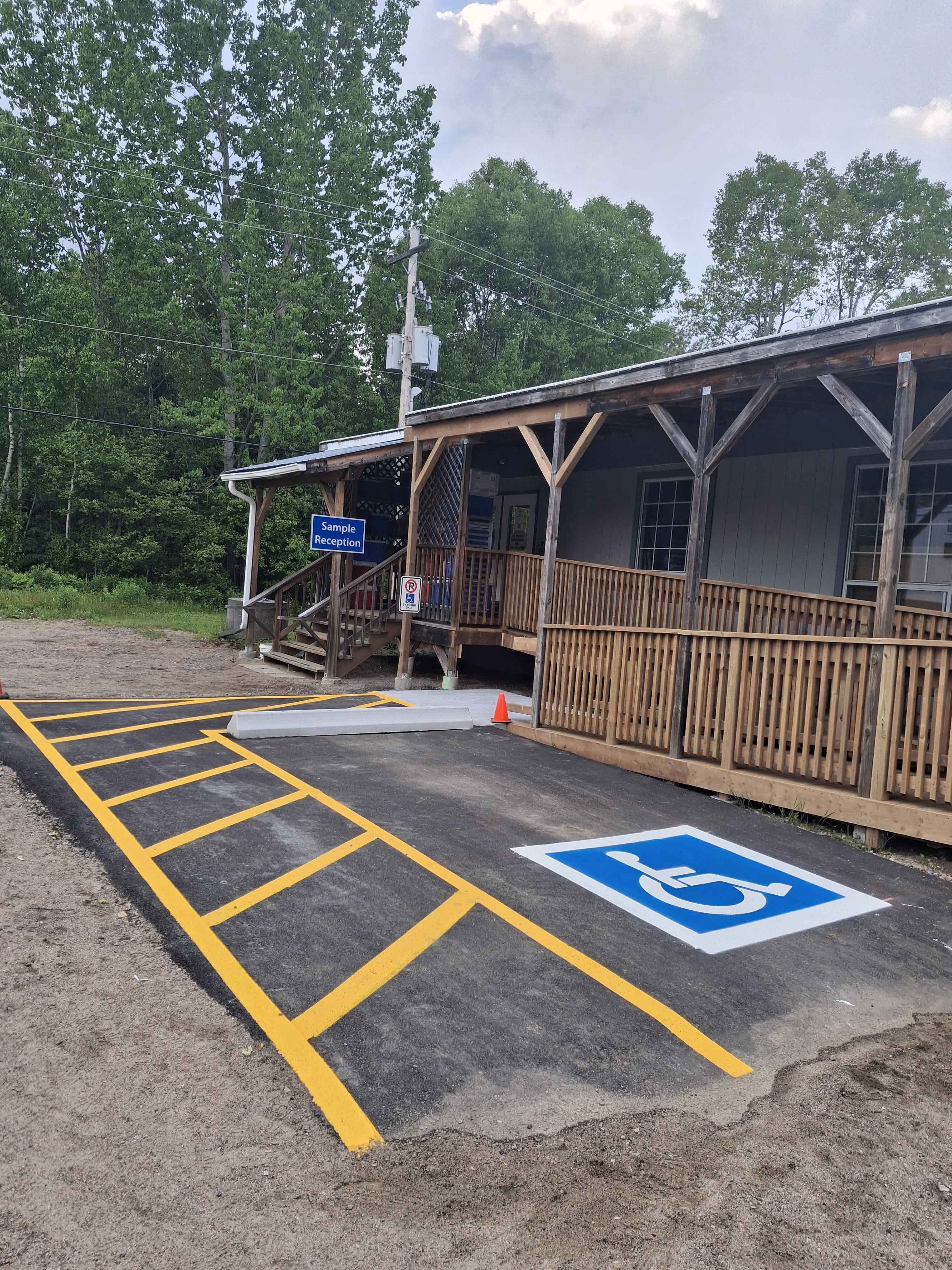
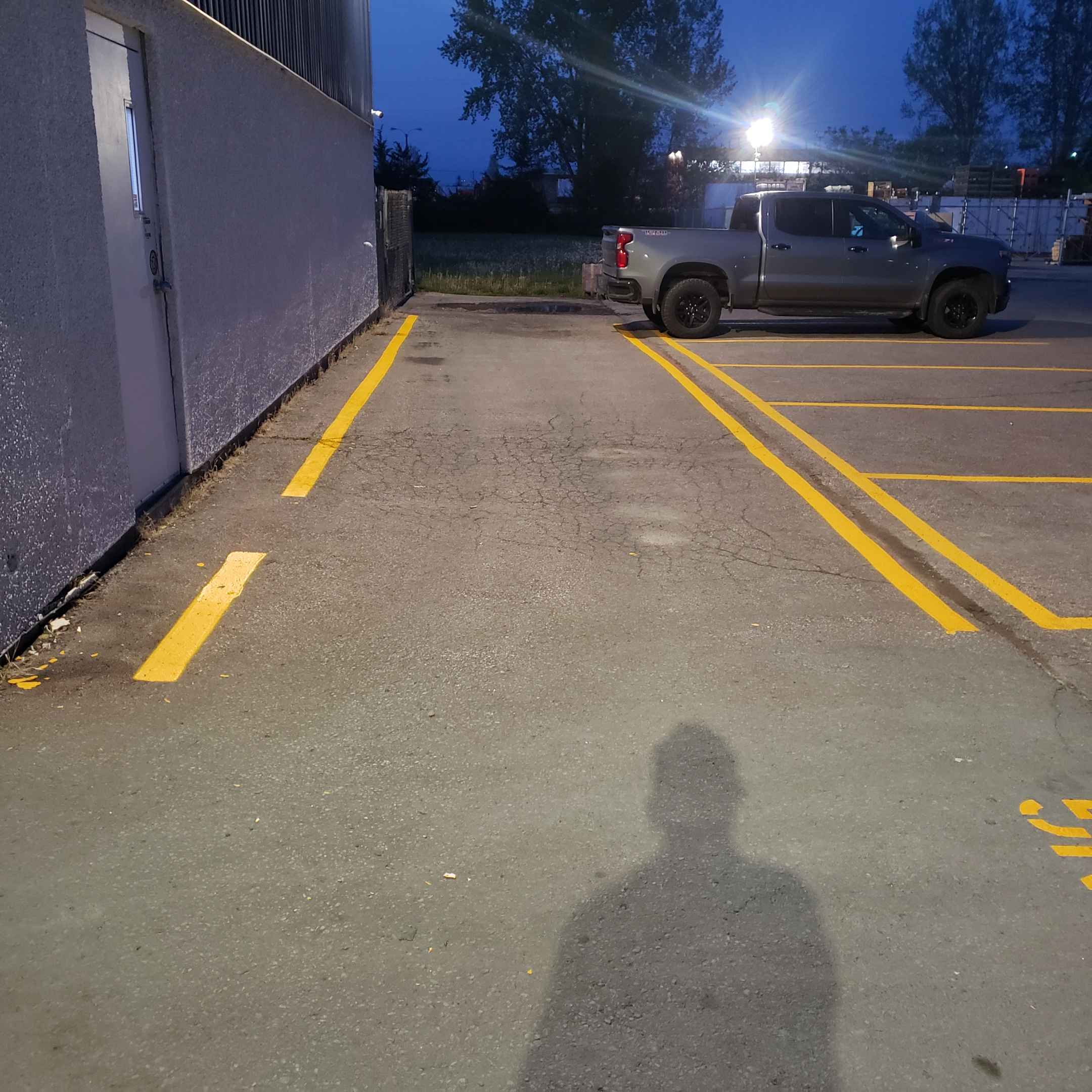
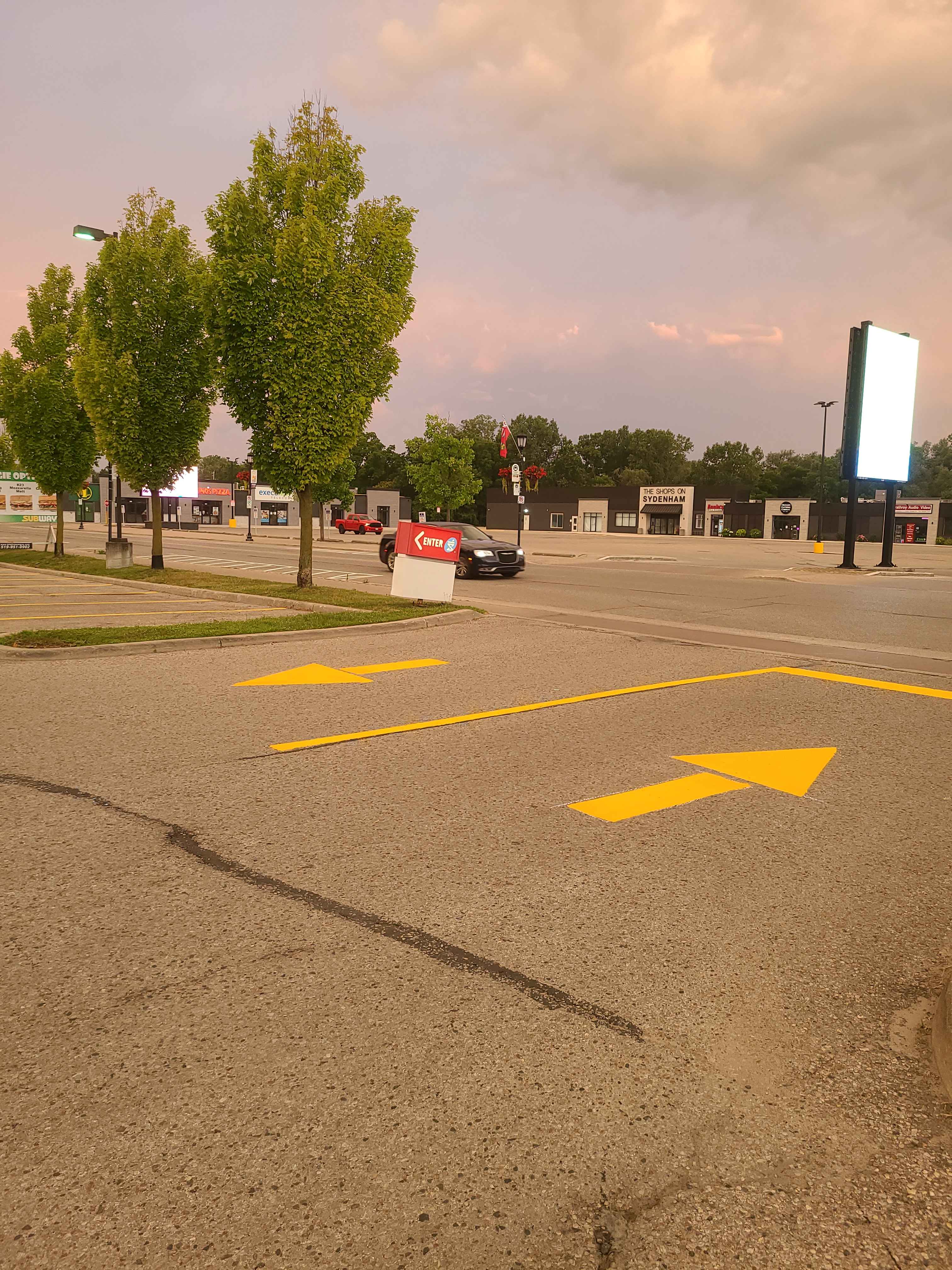
- Line Marking: Apply fresh Line Marking to define parking stalls, fire lanes, and ADA compliance zones.
- Sealcoating (Optional): Apply a protective coating to unify the look and add an extra layer of UV protection.
Common Mistakes to Avoid
Many property managers attempt to save time by skipping steps, but this often leads to higher long-term costs. Avoid these common pitfalls:
- Filling potholes with crack sealant: This will not work and is a waste of material.
- Ignoring small cracks: Small cracks are the precursors to large potholes.
- Performing repairs in bad weather: Moisture or extreme cold can prevent sealants and asphalt from bonding correctly.
- Neglecting Line Marking: A repaired lot looks unprofessional if the Line Marking is faded or non-existent.
Visual Summary
Professional maintenance ensures longevity.
Conclusion
Properly maintaining your asphalt is a matter of sequence. By prioritizing patching to fix structural issues and following up with crackfilling to seal the surface, you protect your investment and ensure a safe environment for drivers. When you are ready to revitalize your property, trust the experts at Capital Parking Lot Line Painting to handle your maintenance needs with precision and professionalism.