Crackfilling vs. Patching: Which Should You Do First?
Asphalt maintenance can feel like a complex puzzle. If you see cracks spreading across your pavement, you might wonder if a quick seal is enough or if you need a full repair. Understanding the hierarchy of asphalt care is the key to saving your property from premature decay.
The Fundamental Difference: Crackfilling vs. Patching
When property managers in Sarnia look at their parking lots, they often see two different types of damage: thin, hair-like lines and deep, gaping holes. While both require attention, they represent different stages of asphalt degradation. Treating them as the same thing is a common mistake that can lead to wasted resources.
What is Crackfilling?
Crackfilling is a preventative maintenance technique. It involves injecting a flexible, rubberized sealant into small cracks to prevent water from seeping into the sub-base. Think of it as applying a waterproof bandage to a small cut. By sealing these entry points, you prevent the freeze-thaw cycles that are so common in Ontario from expanding the cracks into larger issues.
What is Asphalt Patching?
Patching is a corrective maintenance technique. This is required when the structural integrity of the asphalt has already failed, resulting in potholes or large sections of sunken pavement. Unlike crackfilling, patching involves removing the damaged material and replacing it with new hot or cold mix asphalt to restore a level driving surface.
The Golden Rule: Which One Comes First?
If you are asking which should be done first, the answer is almost always patching. You cannot effectively crackfill a lot that has active potholes or large structural failures. If you attempt to seal cracks over a section of asphalt that is already sinking or crumbling, the movement of the sub-base will simply tear the new sealant apart within weeks.
At Capital Parking Lot Line Painting, we recommend a systematic approach to pavement longevity. You must first stabilize the foundation through patching, and once the surface is level and structurally sound, you can proceed with crackfilling to protect those repairs and the surrounding healthy asphalt.
The Maintenance Hierarchy
To keep your lot in top shape, follow this logical order of operations:
- 1. Patching: Repair deep holes and structural depressions first.
- 2. Crackfilling: Seal all minor cracks to prevent water infiltration.
- 3. Line Marking: Apply fresh Line Marking to ensure safety and organization.
- 4. Sealcoating: Apply a protective layer over the entire surface.
Why Order Matters in Sarnia's Climate
In a top 30 city like Sarnia, our weather is a major factor in asphalt lifespan. We experience heavy spring rains and harsh winter freezes. When water enters a crack, it freezes and expands, acting like a wedge that forces the asphalt apart.
If you skip the patching phase and jump straight to crackfilling, you are essentially putting a bandage on a broken bone. The water will continue to collect in the unpatched holes, undermining the soil beneath the asphalt, eventually leading to massive sinkholes that even the best crackfill cannot fix. Capital Parking Lot Line Painting specializes in identifying these structural vulnerabilities before they become catastrophic.
The Role of Line Marking in Professional Maintenance
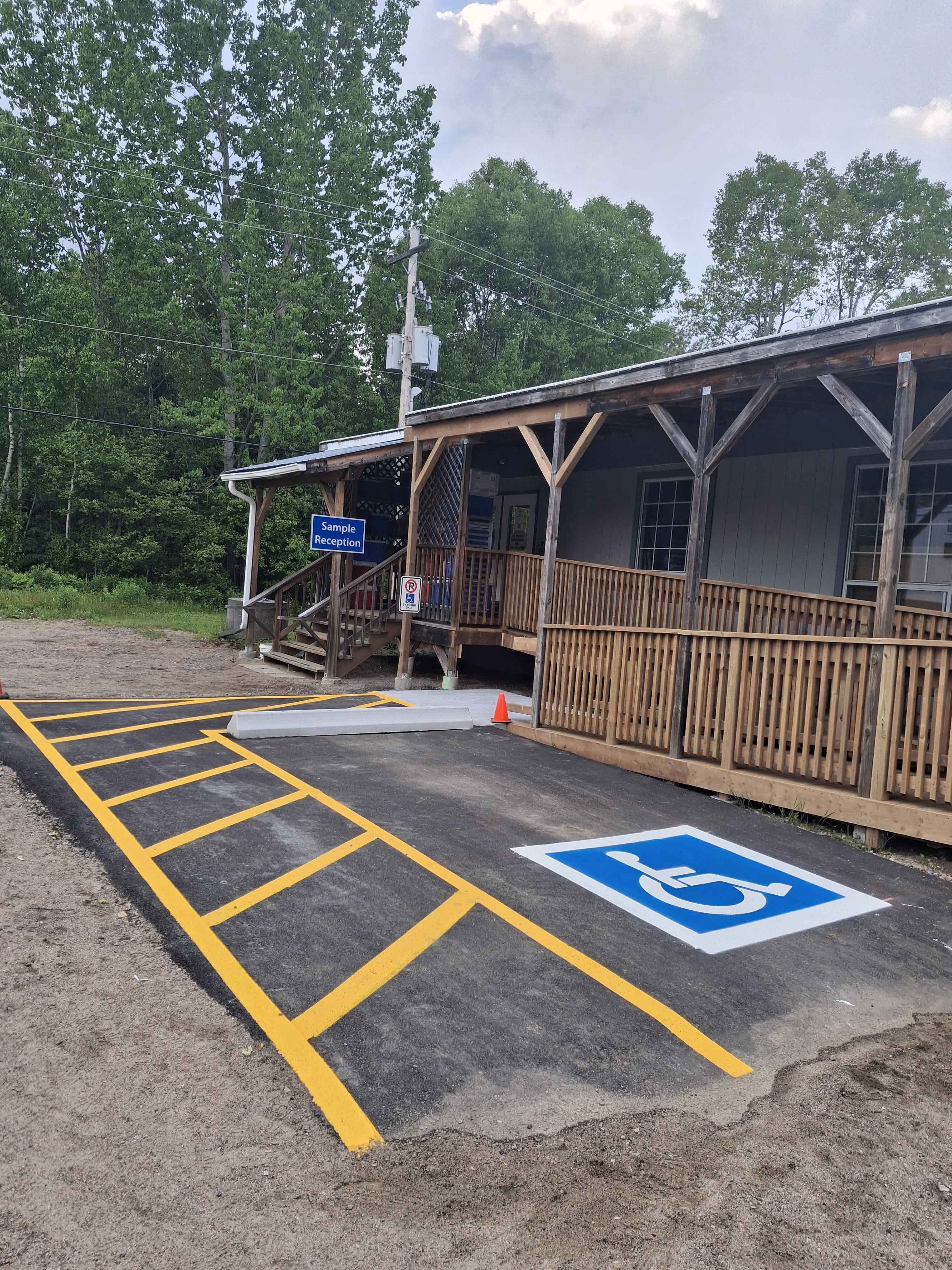
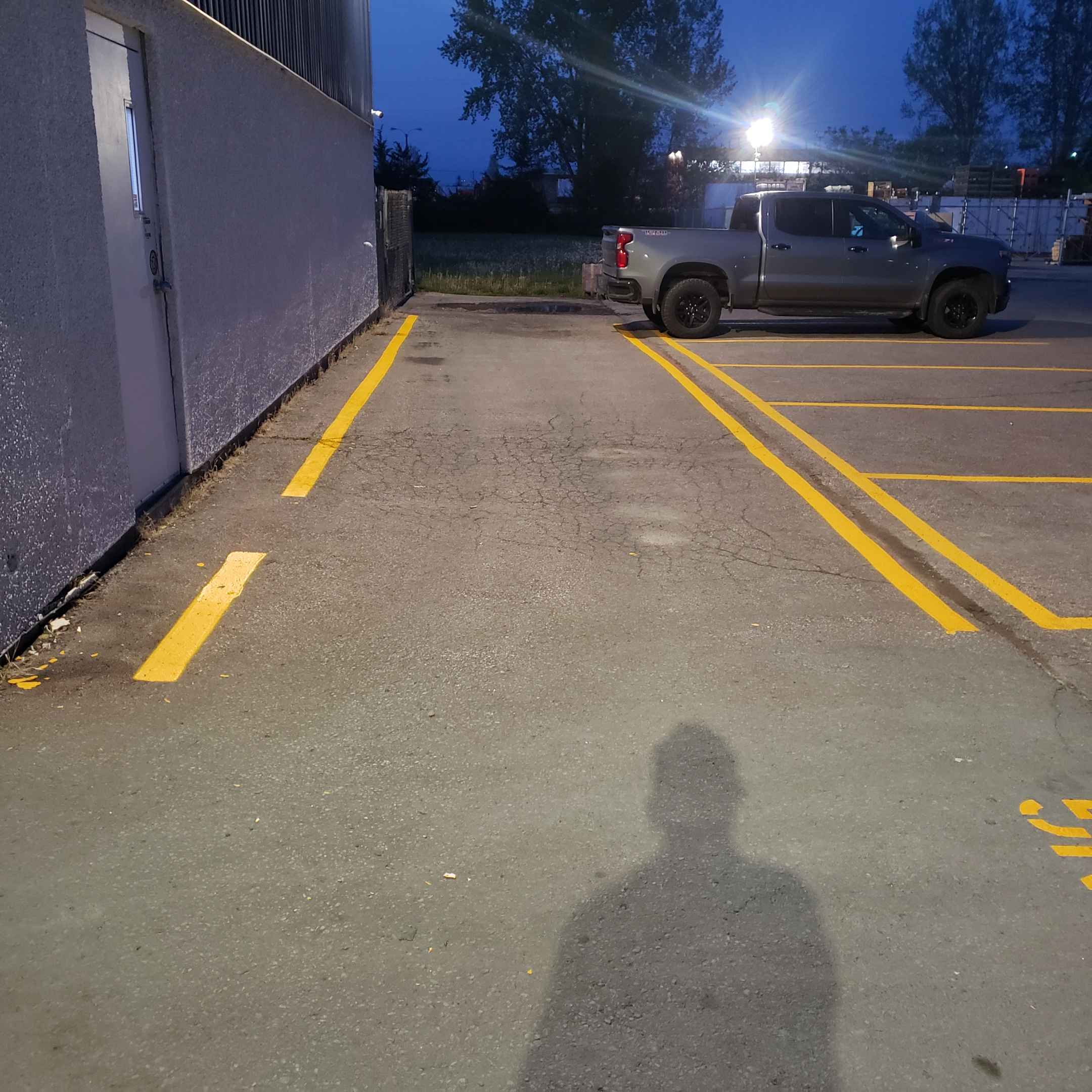
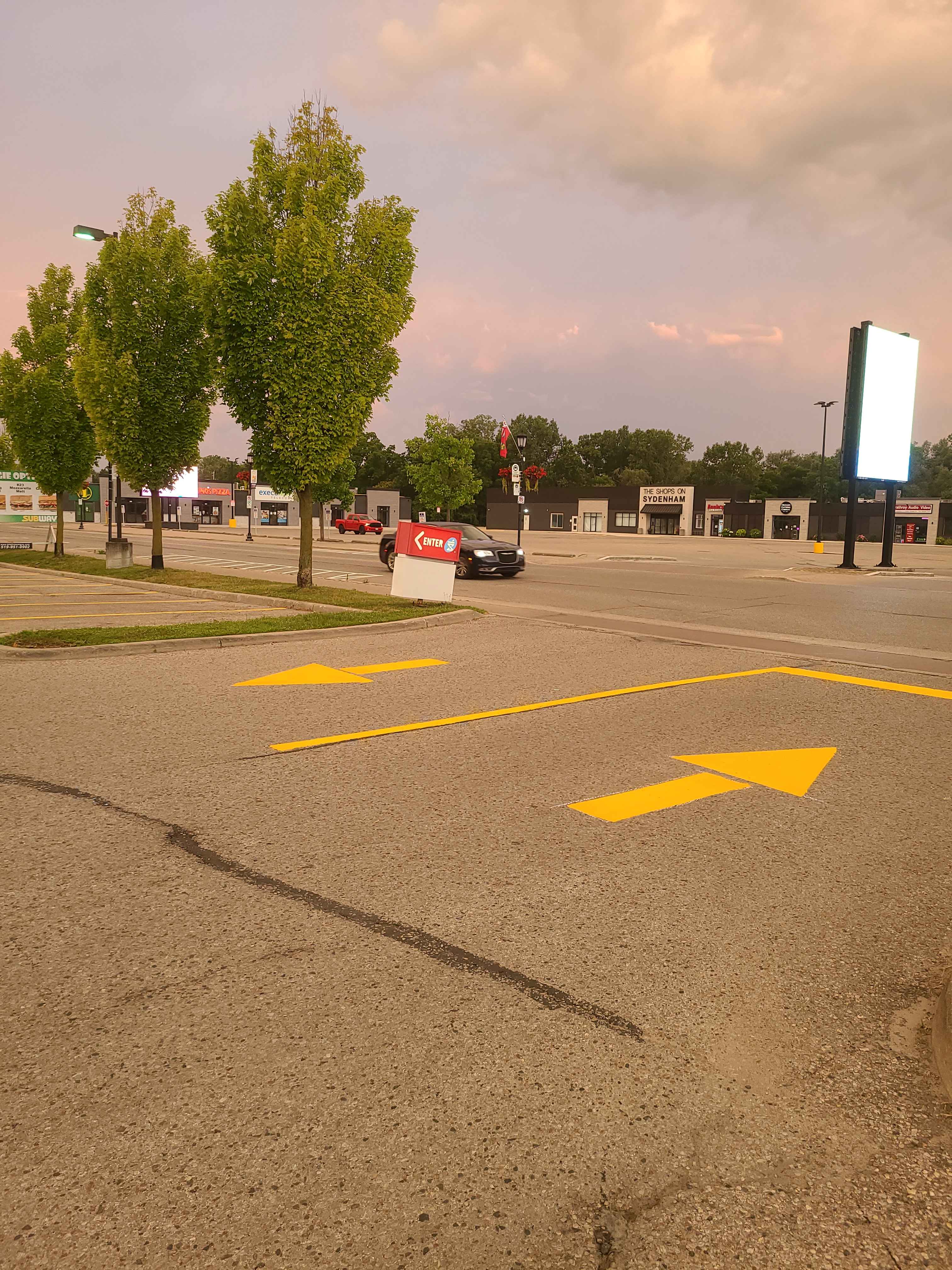
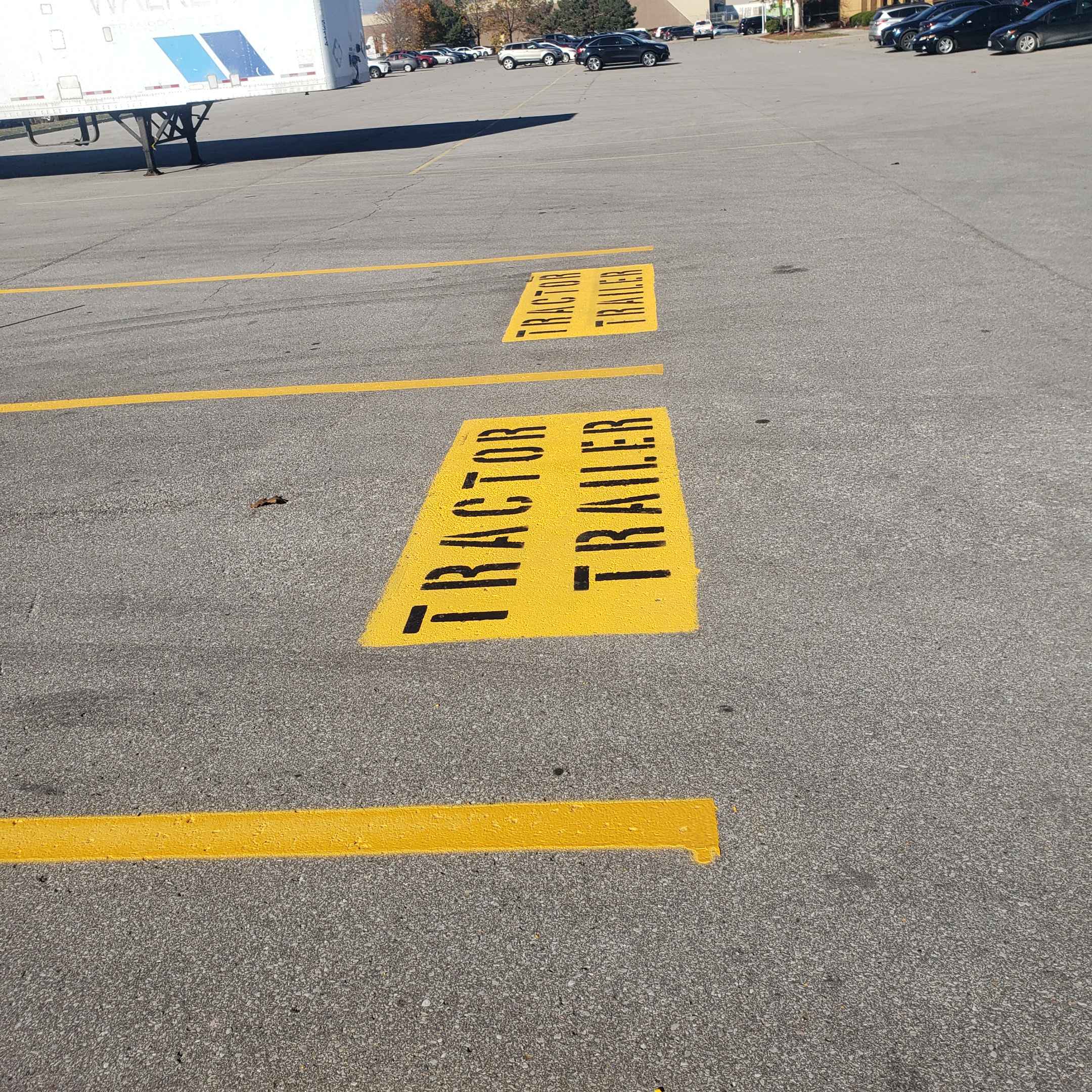
Once your patching and crackfilling are complete, your lot will look much better, but it won't look professional until the visual cues are restored. High-quality Line Marking is essential for directing traffic flow, designating handicap stalls, and ensuring pedestrian safety. A well-maintained lot with crisp, clean lines signals to your customers that your business is attentive to detail and cares about their safety.
Ready to Restore Your Surface?
Don't wait for a small crack to become a massive pothole. Regular maintenance is the most cost-effective way to manage your property. Whether you need structural patching or professional Line Marking, Capital Parking Lot Line Painting has the expertise to get the job done right.
Common Maintenance Mistakes to Avoid
To ensure your investment lasts, avoid these frequent errors:
- Ignoring small cracks: A tiny crack today is a pothole tomorrow.
- Using the wrong sealant: Using cheap, non-flexible fillers that crack under temperature changes.
- Skipping the cleaning phase: Applying sealant or paint over dirt and debris prevents proper adhesion.
- Mixing up the order: Trying to seal a lot that still requires structural patching.