Crackfilling vs. Patching: Which Should You Do First?
Understanding the hierarchy of asphalt maintenance is the key to preventing costly total repaving projects.
As a property owner or facility manager, watching your parking lot deteriorate can be a stressful experience. You notice small fissures appearing one day, and by the next season, a significant pothole has formed right in the middle of a high-traffic driving lane. When you call in the professionals at Capital Parking Lot Line Painting, the first question we often get is: "Do we need to fill the cracks first, or do we need to patch the holes first?"
The answer isn't just about preference; it is about the structural integrity of your pavement. In a bustling hub like Waterloo, where seasonal temperature fluctuations can wreak havoc on asphalt, knowing the correct order of operations can save you thousands of dollars in the long run.
Understanding the Fundamentals
Before we dive into the sequence, we must define what these two distinct processes actually involve. They are not interchangeable terms, and treating them as such is a common mistake among DIY enthusiasts and inexperienced contractors.
What is Crackfilling?
Crackfilling is a preventative maintenance technique. It involves cleaning out existing cracks in the asphalt and filling them with a hot-applied rubberized sealant. This sealant acts as a waterproof barrier, preventing water from seeping into the sub-base of your parking lot. When water gets underneath the asphalt and freezes, it expands, causing the pavement to heave and break—this is the primary cause of most parking lot failures in Ontario.
What is Patching?
Patching (or pothole repair) is a reactive maintenance technique. It is used when the damage has already progressed beyond a simple crack. Patching involves removing the failed, loose asphalt and replacing it with new material to restore a level driving surface. If a crack is left untreated for too long, it eventually becomes a pothole, necessitating a patch.
The Golden Rule: Patching Before Crackfilling
If you have both cracks and potholes, you must address the structural failures first.
The general rule of thumb for asphalt longevity is: Patch first, then crackfill.
If you attempt to crackfill a lot that has active potholes or crumbling edges, the sealant will not be able to create a continuous, waterproof seal. The sealant will simply sink into the voids or fail to bond with the unstable edges of the pothole. By patching the deep failures first, you create a stable, flat surface that allows the subsequent crackfilling process to be truly effective.
- ✅ Step 1: Identify and repair deep potholes (Patching).
- ✅ Step 2: Clean and prep all surface cracks.
- ✅ Step 3: Apply rubberized sealant (Crackfilling).
- ✅ Step 4: Refresh markings via Line Painting.
Why Sequence Matters for Waterloo Property Owners
In Waterloo, our climate is one of the most challenging environments for asphalt. The freeze-thaw cycles are relentless. When you perform maintenance in the wrong order, you are essentially throwing money away. If you crackfill a lot that still has significant structural issues, the next winter will simply expand those unpatched areas, breaking through your brand-new sealant and creating even larger holes.
At Capital Parking Lot Line Painting, we recommend a comprehensive inspection before any work begins. We look for signs of sub-grade failure, which patching alone might not fix, and we assess the depth of cracks to ensure the right material is used. Our goal is to ensure that once the maintenance is done, it stays done for as long as possible.
Common Mistakes to Avoid
Even when property owners realize they need maintenance, several common errors can undermine the work. Avoid these pitfalls:
1. Ignoring Small Cracks
Many wait until they see a pothole to call for help. By then, the damage is much more extensive. Small cracks are cheap to fix; large potholes are expensive.
2. Using Improper Sealants
Using driveway-grade liquid fillers on a commercial lot is a recipe for disaster. Commercial lots require heavy-duty, hot-applied rubberized materials.
3. Forgetting the Visuals
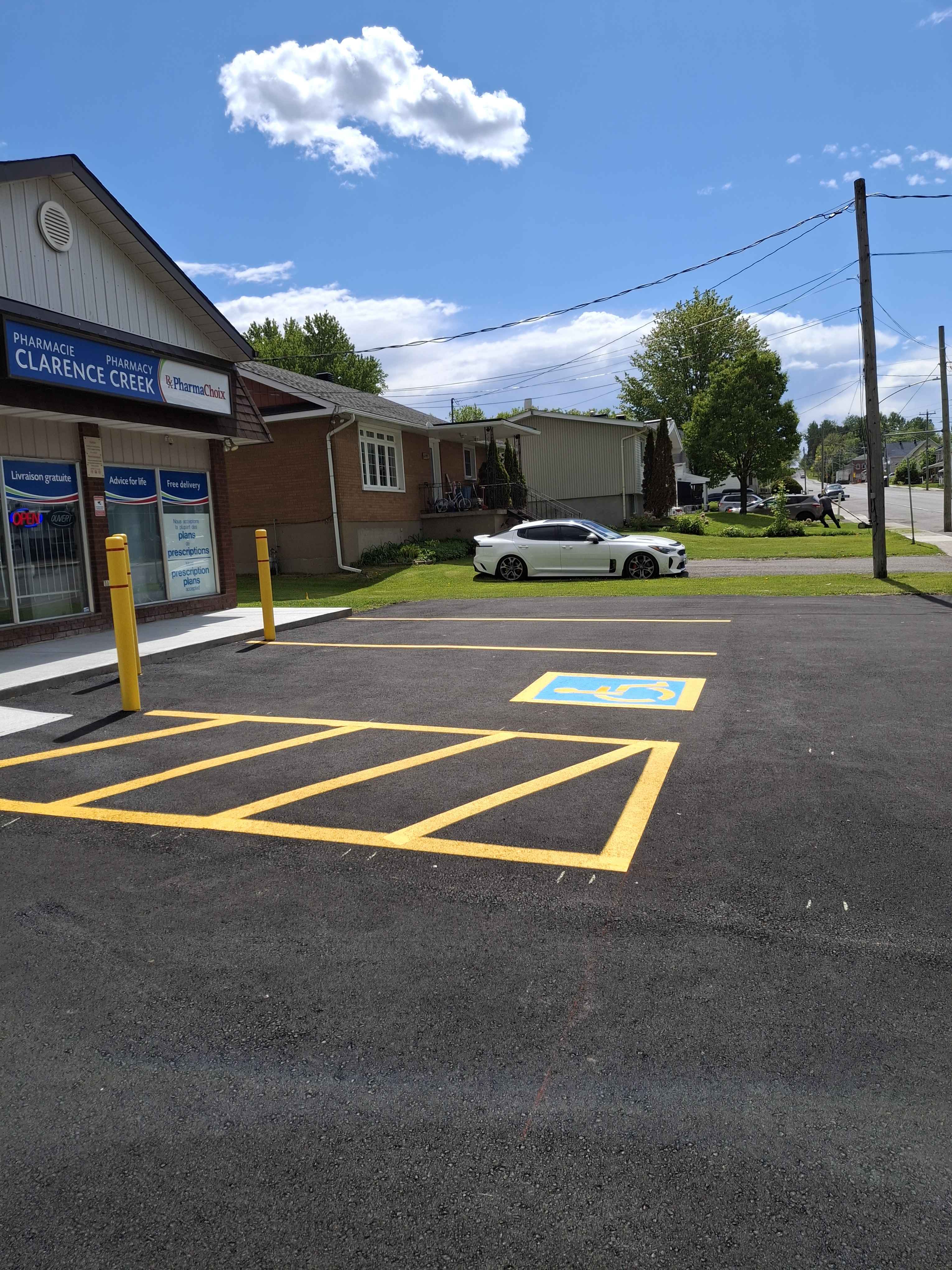
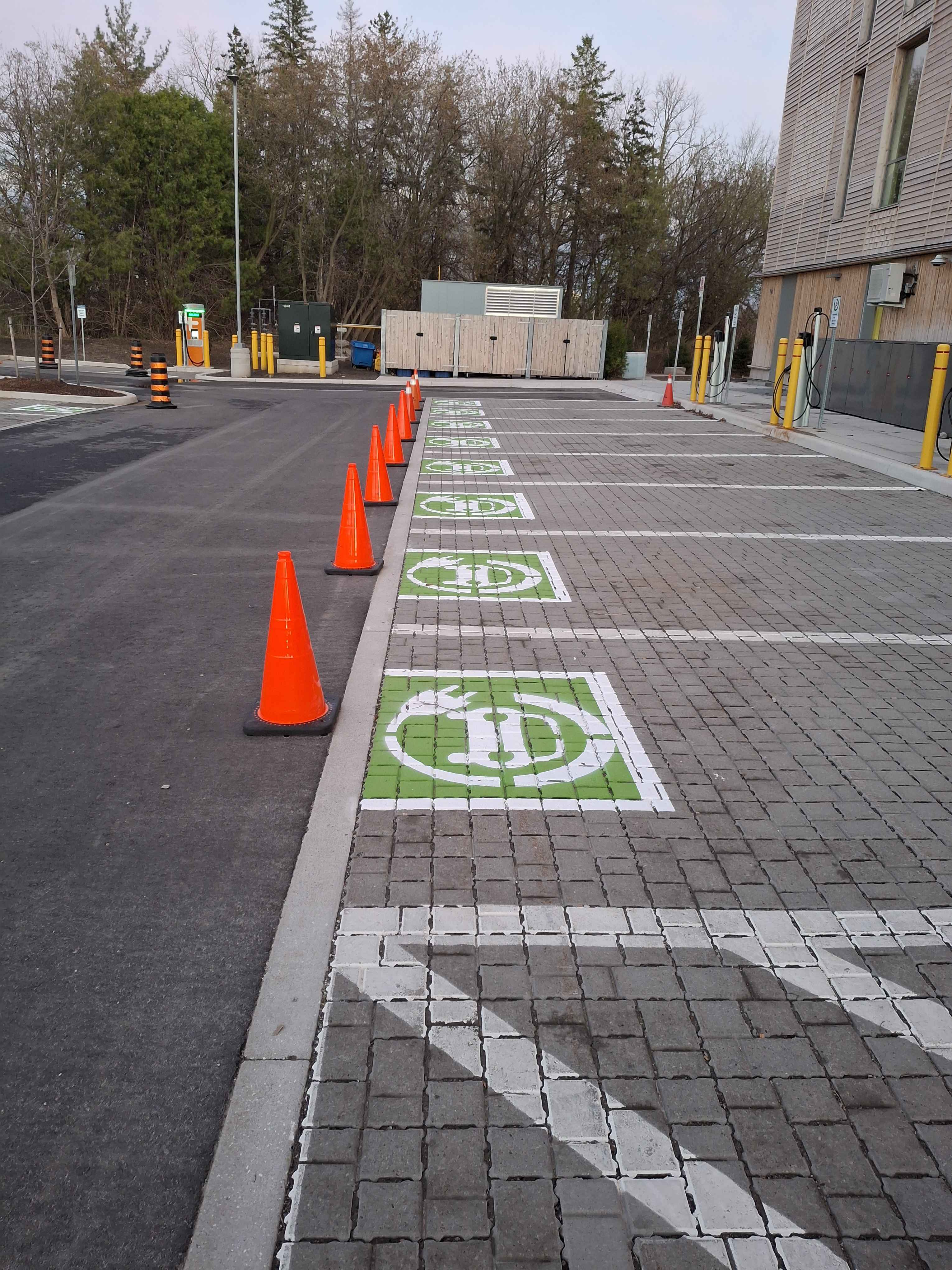
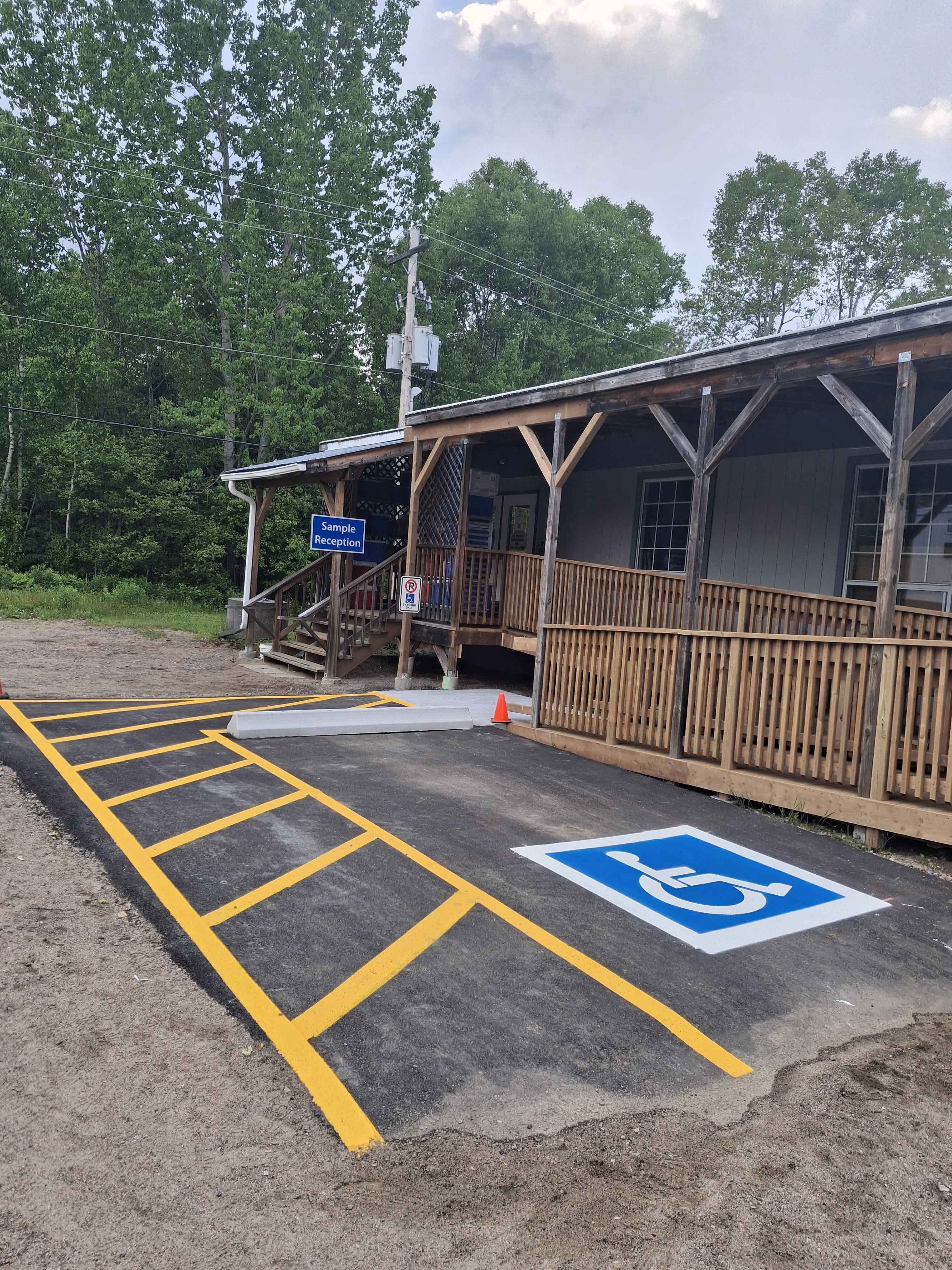
Once your asphalt is patched and crackfilled, the lot can look a bit "patchy" or uneven in color. This is the perfect time to schedule Line Marking. Fresh, bright lines over a well-maintained surface provide an immediate professional appearance that boosts curb appeal.
Summary Checklist
To maintain your investment, follow this workflow:
- Assess the severity of damage.
- Perform structural repairs (Patching).
- Seal the surface cracks (Crackfilling).
- Apply a sealcoat for UV protection.
- Execute professional Line Painting for safety and aesthetics.
If you are unsure where your lot stands, contact the experts at Capital Parking Lot Line Painting for a professional evaluation.