How to Design Parking Lot Layouts That Maximize Capacity
Unlock the full potential of your asphalt with strategic planning and professional execution.
Every square inch of your commercial property matters. For business owners in a growing hub like Thunder Bay, a poorly designed parking lot isn't just an inconvenience—it is lost revenue. When customers arrive at your establishment and find no available spots, they often move on to a competitor. Maximizing capacity is about more than just cramming more cars into a space; it is about the delicate balance of geometry, safety, and traffic flow.
At Capital Parking Lot Line Painting, we have seen firsthand how a strategic redesign can transform a chaotic lot into a streamlined, high-capacity asset. In this guide, we will explore the fundamental principles of parking lot design that help you squeeze every bit of utility out of your pavement.
1. Choosing the Right Parking Angle
One of the most critical decisions in the design phase is determining the angle of your parking stalls. This choice dictates how much space you need for drive aisles and how easily vehicles can enter and exit.
90-Degree Parking (Perpendicular)
Perpendicular parking is the gold standard for maximizing the absolute number of vehicles in a rectangular area. By placing cars at a 90-degree angle to the curb or aisle, you minimize the footprint of each stall. However, this requires wider drive aisles to allow for the turning radius of vehicles. In high-density areas of Thunder Bay, this is often the preferred method for large shopping centers.
Angled Parking (45 to 60 Degrees)
Angled parking is often easier for drivers to navigate, especially in tighter spaces. While you might fit fewer cars per linear foot compared to 90-degree stalls, the drive aisles can be significantly narrower. This can actually result in a higher net capacity if the lot has an irregular shape or limited depth.
2. Optimizing Traffic Flow and Aisle Width
A parking lot that is "full" but impossible to navigate is a failure. If drivers are constantly circling, looking for spots, or struggling to back out, your capacity is effectively reduced by the congestion they create. To maximize capacity, you must ensure that the movement of vehicles is fluid.
Effective design utilizes one-way aisles when using angled parking. This simplifies the movement pattern and allows for tighter turns. When you combine smart geometry with high-quality line marking, you create a visual guide that directs drivers exactly where they need to go, reducing hesitation and idling time.
3. The Importance of Professional Line Marking
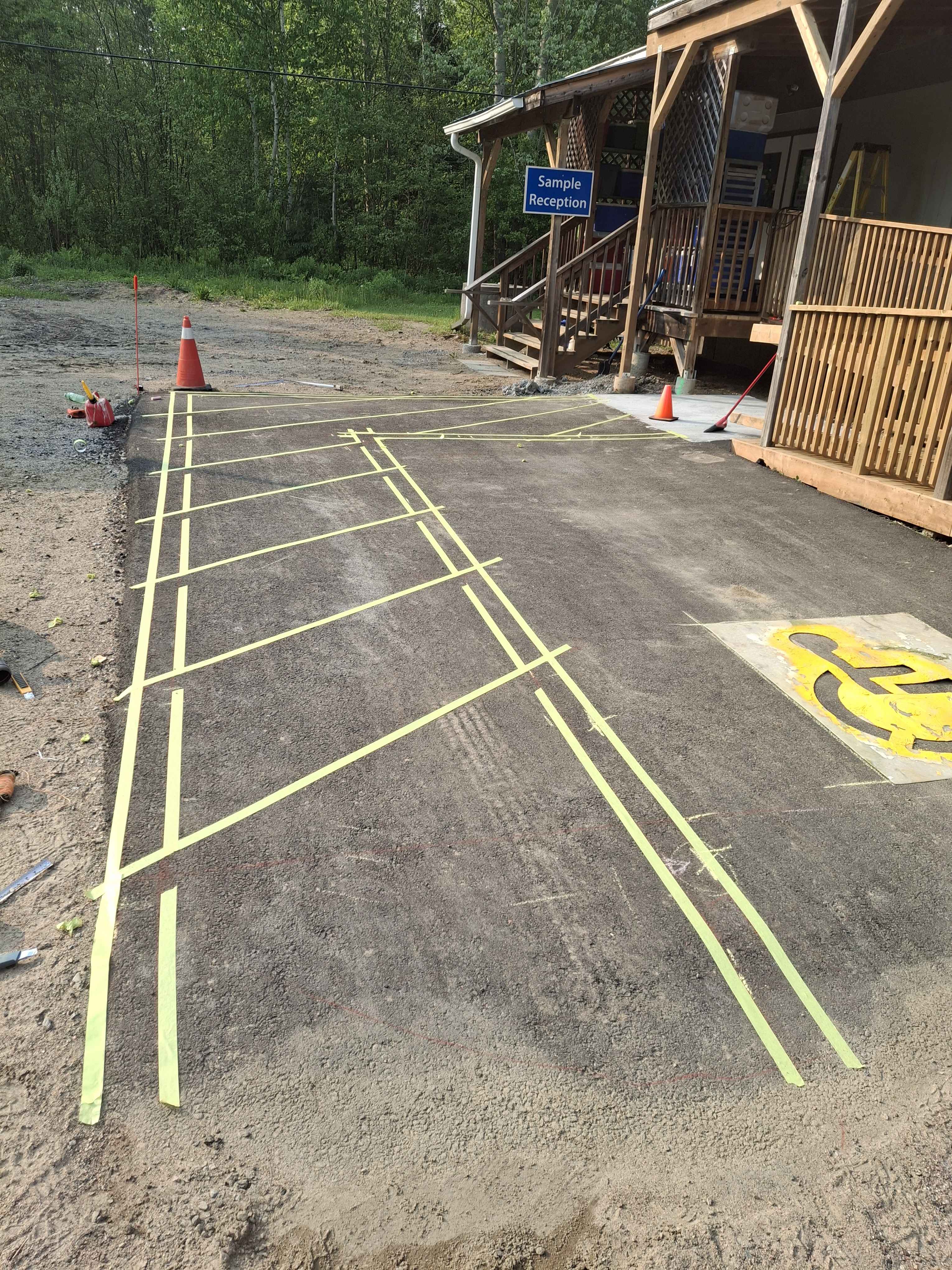
You can have the most mathematically perfect layout in the world, but if the markings are faded, crooked, or missing, the design fails. Professional line marking is the bridge between a theoretical layout and a functional parking facility.
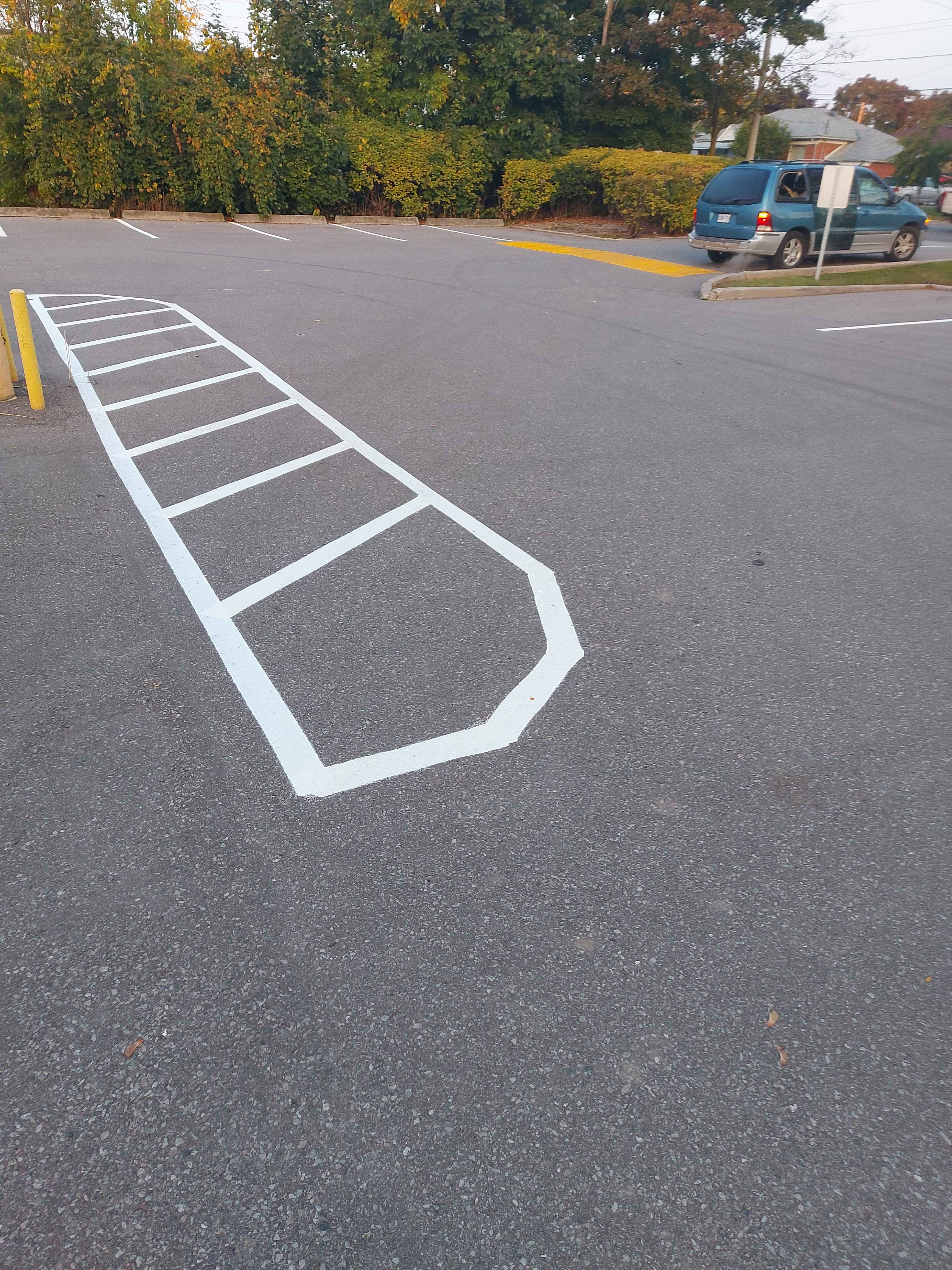
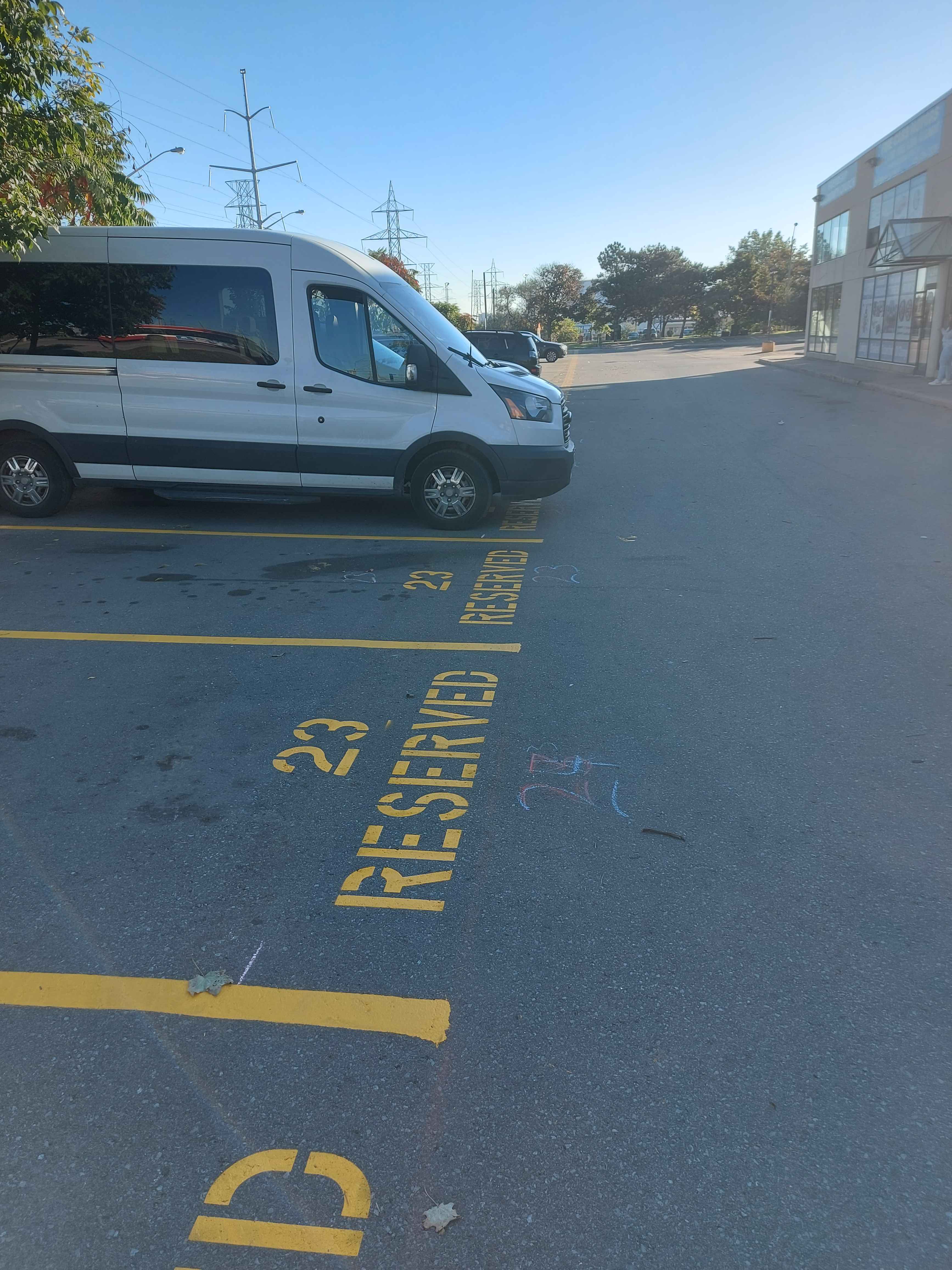
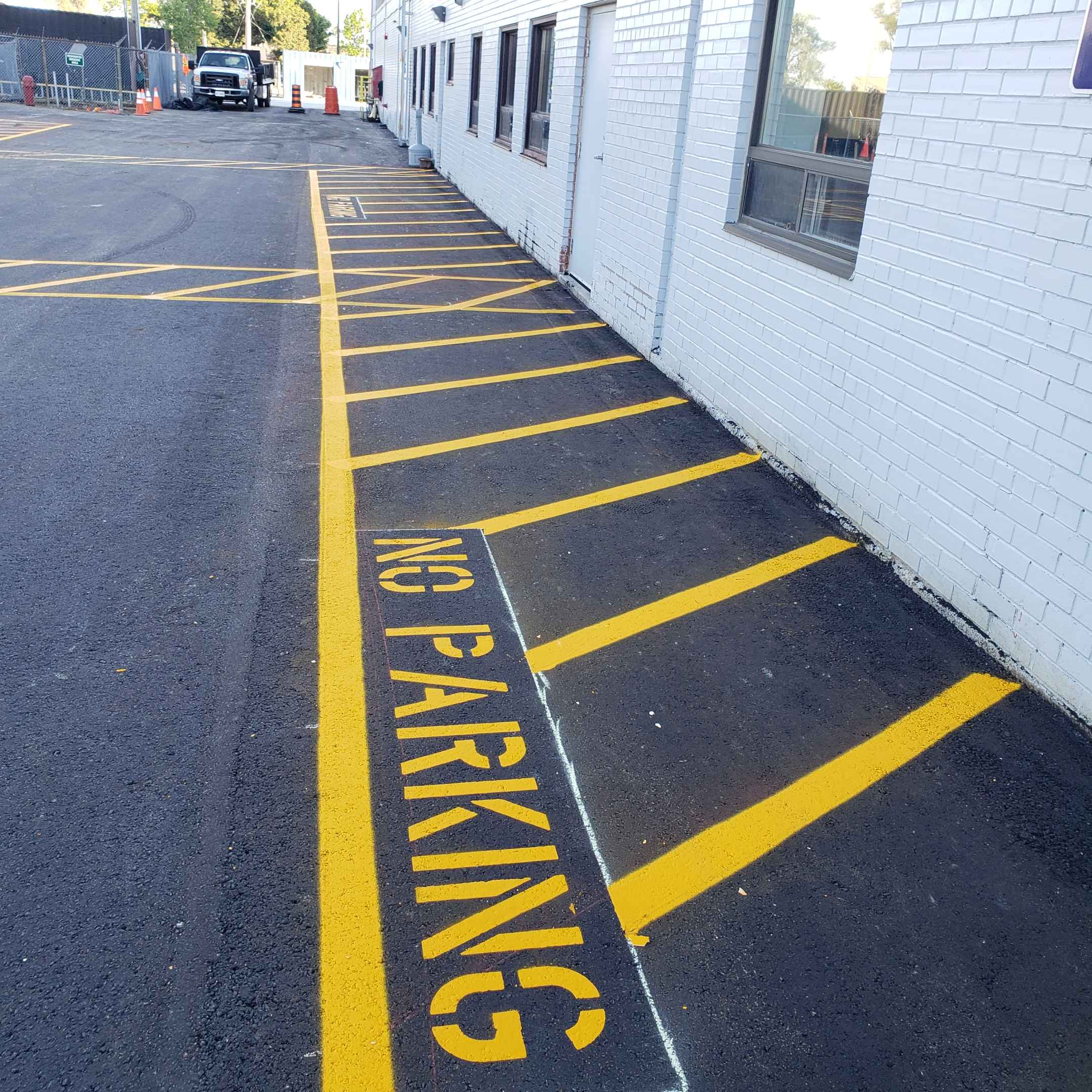
Capital Parking Lot Line Painting emphasizes that crisp, clear lines do more than just define spaces; they enforce the design. Clear markings prevent "double parking," ensure ADA-compliant handicap spaces are respected, and keep loading zones clear for deliveries. Without precision line painting, drivers will inevitably drift, taking up more space than intended and reducing your total stall count.
Common Mistakes to Avoid
When attempting to maximize capacity, many property managers fall into these common traps:
- Ignoring Turning Radii: Designing stalls that are too close to corners, making them unusable for larger SUVs or trucks. n
- Neglecting Pedestrian Paths: Forgetting that people need to walk safely from their cars to the entrance, which can lead to accidents and liability.
- Poor Drainage Planning: A lot that holds water is a lot that will deteriorate, leading to costly repairs and unusable spaces.
- Inconsistent Line Marking: Using low-quality paint that fades quickly, leading to confusion and lost space.
4. Leveraging Technology and Modern Standards
Modern parking design also considers the future. As electric vehicles become more common, incorporating charging stations into your layout is no longer optional—it is a capacity strategy. By designating specific areas for EV charging, you can manage turnover and cater to a growing demographic without disrupting standard parking flow.
Furthermore, working with experts like Capital Parking Lot Line Painting ensures that your layout meets all local municipal codes and accessibility standards. This prevents the need for expensive re-work in the future.
Ready to Optimize Your Space?
Don't let wasted space cost you customers. Whether you are looking for a complete redesign or a fresh round of professional line painting, our team is here to help you maximize every inch of your property.