How to Add Directional Arrows and Text to Your Parking Lot
Effective traffic management is the backbone of a safe and efficient commercial property. Beyond simple stall boundaries, directional cues are essential for guiding drivers through complex layouts.
The Importance of Visual Communication in Parking Lots
A parking lot is more than just a collection of spaces; it is a high-traffic zone where vehicles, pedestrians, and heavy machinery intersect. Without clear guidance, this intersection becomes a breeding ground for confusion and accidents. This is where professional line marking becomes an indispensable tool for property managers.
Directional arrows and text markings serve as the "silent instructors" of your lot. They tell drivers exactly where to go, where to stop, and where they are not permitted to be. For businesses located in growing hubs like North Bay, maintaining a professional and organized parking area is vital for customer satisfaction and liability reduction.
Key Elements of Effective Directional Markings
When planning your next line painting project, it is important to understand the specific components that contribute to a functional layout. Not all markings serve the same purpose.
1. Directional Arrows
Arrows are the most fundamental tool for managing flow. They should be placed at critical decision points, such as entrance ramps, lane splits, and exits. Large, high-visibility arrows prevent drivers from making sudden, dangerous turns.
2. Textual Instructions
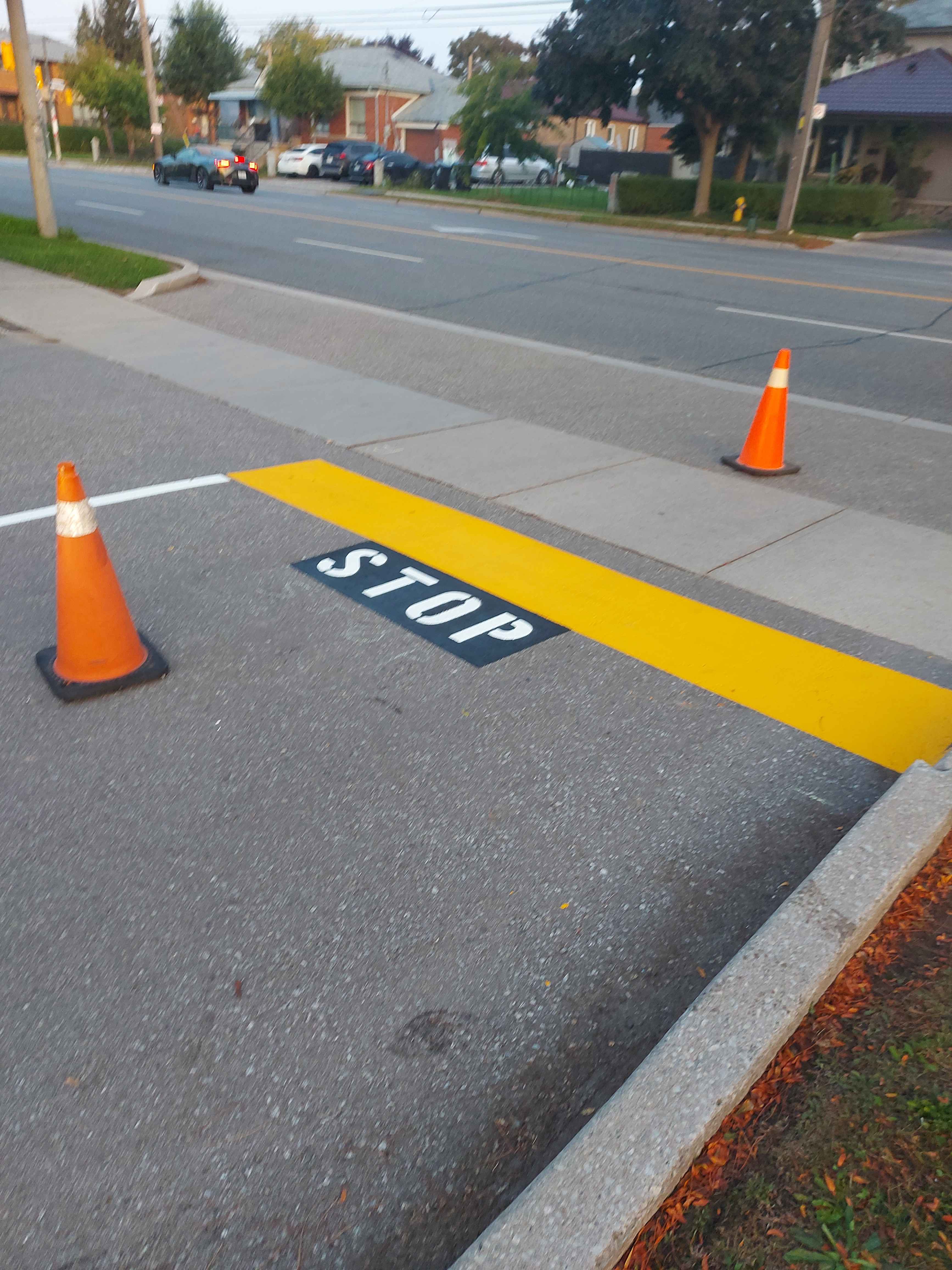
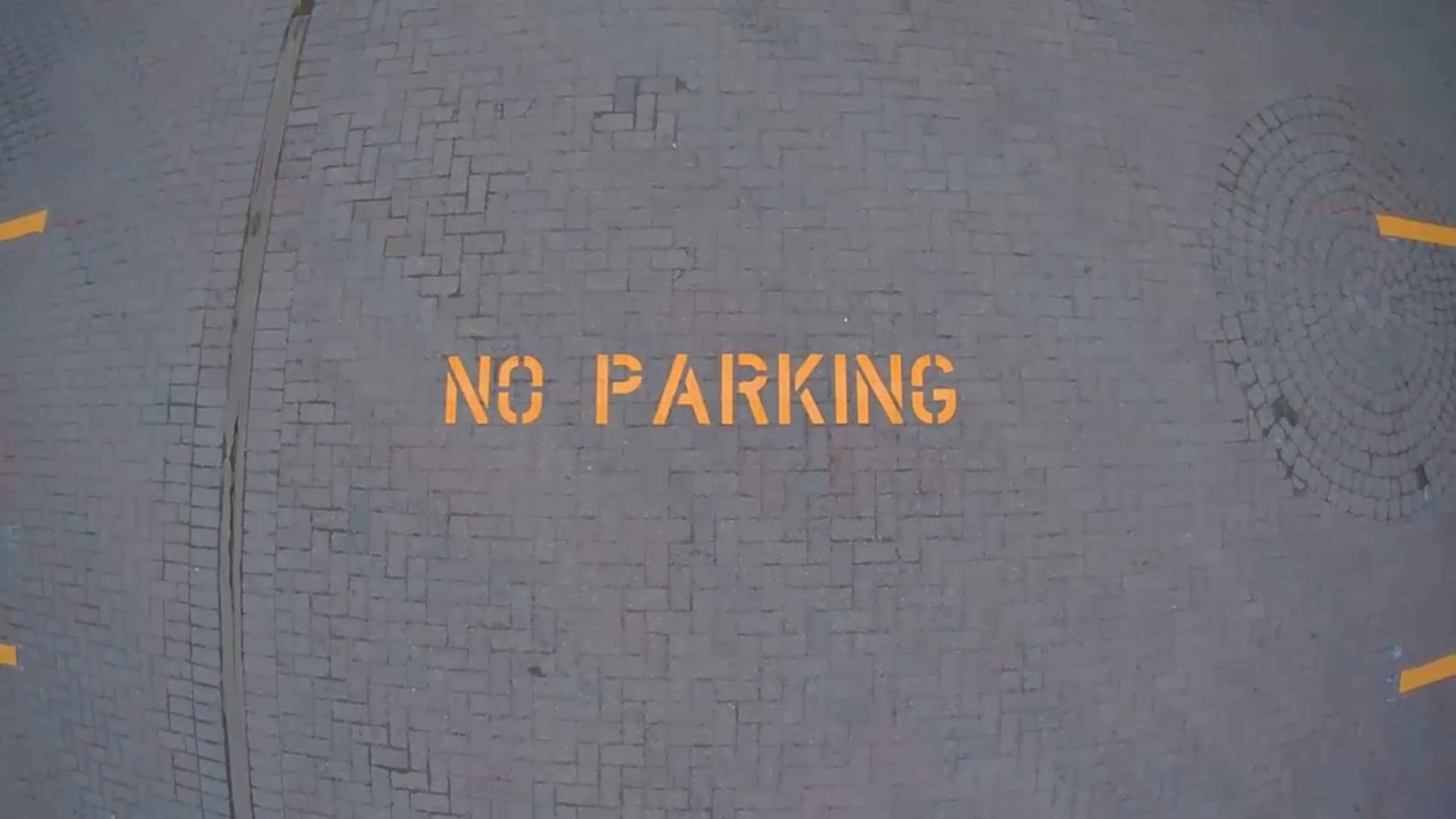
Words like "STOP," "ONE WAY," "NO PARKING," and "LOADING ZONE" provide explicit commands that arrows alone cannot convey. Text must be legible from a driver's perspective, meaning the font size and stroke width must be carefully calculated based on the speed of the traffic.
3. Regulatory Symbols
Symbols like pedestrian crossings or handicap accessibility icons complement your text and arrows, creating a holistic safety system. For high-quality results, many property owners in North Bay rely on the expertise of Capital Parking Lot Line Painting to ensure these symbols meet local standards.
The Benefits of Professional Line Painting
While it might be tempting to attempt DIY markings, the complexity of traffic patterns requires a professional touch. Investing in high-quality line painting offers several long-term advantages:
- Enhanced Safety: Reduces the likelihood of collisions and pedestrian accidents.
- Optimized Traffic Flow: Minimizes congestion and prevents bottlenecks during peak hours.
- Professional Appearance: A well-marked lot signals to customers that your business is well-maintained.
- Legal Compliance: Helps meet accessibility and safety regulations.
- Property Value: Increases the overall aesthetic and functional value of the real estate.
Step-by-Step: The Professional Application Process
To achieve crisp, durable markings, a systematic approach is required. Capital Parking Lot Line Painting follows a rigorous process to ensure every arrow and word is perfectly placed.
Step 1: Site Assessment and Layout Design
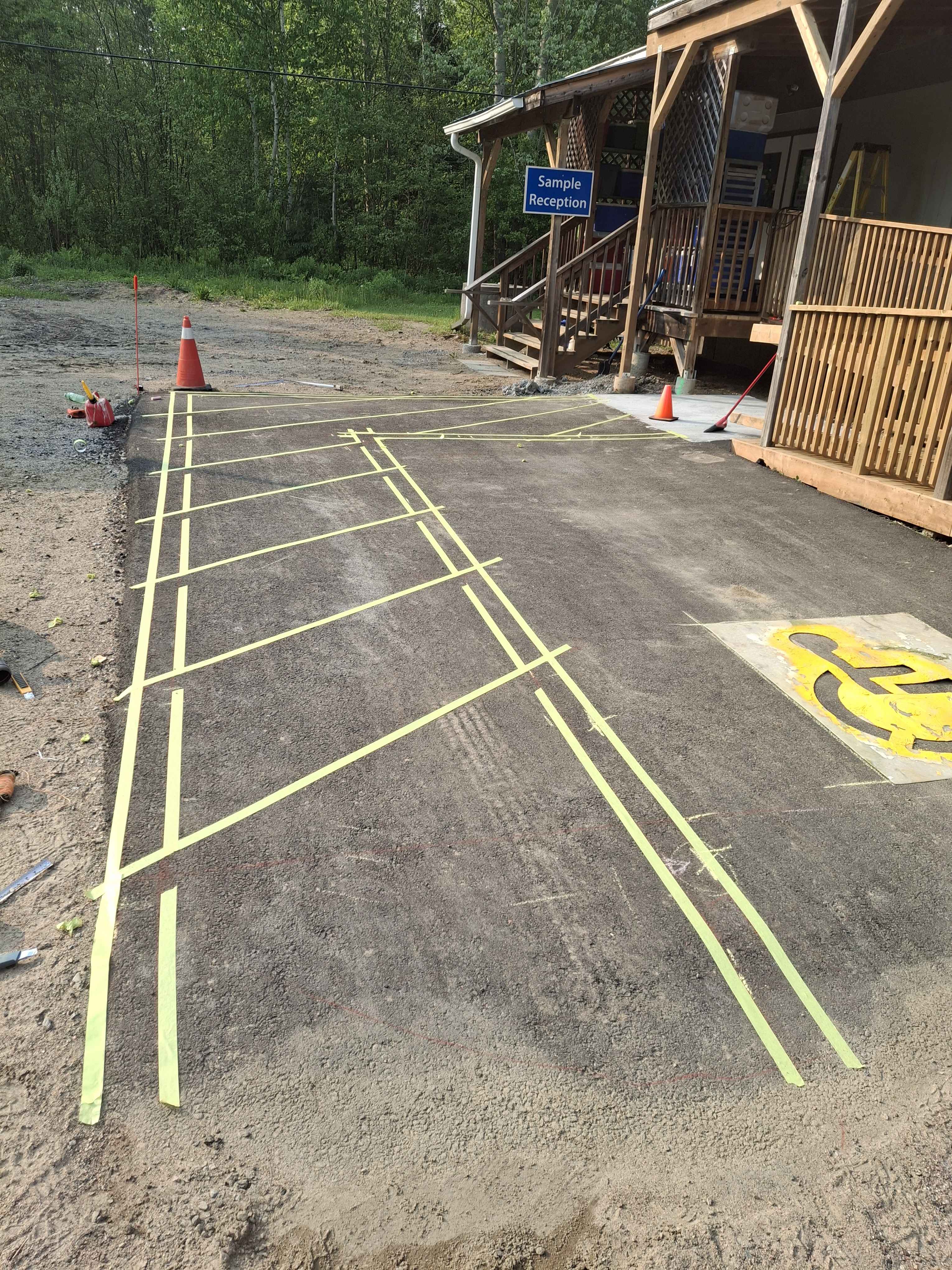
Before any paint touches the asphalt, a thorough assessment of the lot's current traffic patterns is necessary. This involves measuring distances and identifying where drivers naturally struggle. A customized layout plan is then created to place arrows and text where they will have the most impact.
Step 2: Surface Preparation
Line painting is only as good as the surface it is applied to. The area must be cleaned of dirt, oil, and debris. In many cases, a power wash is required to ensure the new paint adheres properly to the pavement.
Step 3: Precision Stenciling
For text and arrows, stencils are used to ensure uniformity. Using hand-drawn methods often leads to irregular shapes that are difficult for drivers to read quickly. Professional stencils ensure that "STOP" looks the same in every location, providing a consistent visual language.
Step 4: Application and Curing
The paint or thermoplastic material is applied using specialized equipment. Once applied, the area must be allowed to cure properly before traffic is permitted back onto the markings, ensuring maximum longevity.
Common Mistakes to Avoid
Many property owners overlook the nuances of line marking, leading to wasted effort. Avoid these common pitfalls:
- Poor Contrast: Using colors that blend into the asphalt (e.g., dark grey on black asphalt).
- Inconsistent Spacing: Placing text too close to corners where it becomes unreadable.
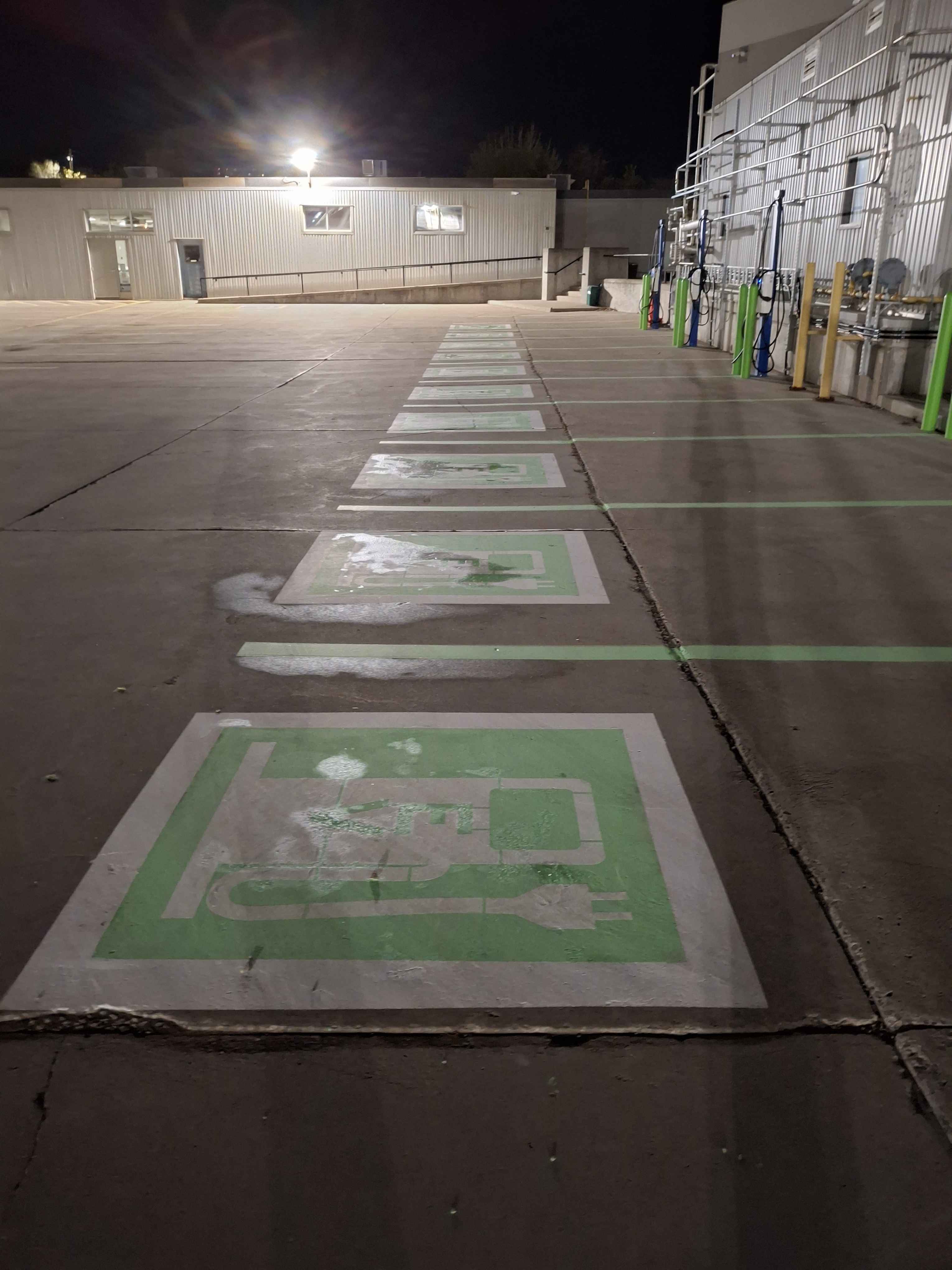
- Ignoring Wear and Tear: Waiting too long to refresh faded markings, which can lead to confusion and liability.
If you notice your markings are fading, it is time to contact Capital Parking Lot Line Painting to restore your lot's visibility.
Ready to Refresh Your Parking Lot?
Don't let faded arrows and illegible text compromise your safety. Professional line marking is a small investment that yields massive returns in safety and curb appeal.
Conclusion
Adding directional arrows and text is about more than just aesthetics; it is about creating an organized, safe environment for everyone who visits your property. Whether you are managing a small retail lot or a massive commercial complex, clear markings are a necessity. For the best results in your area, trust the professionals at Capital Parking Lot Line Painting to get the job done right.