How to Add Directional Arrows and Text to Your Parking Lot
Navigating a busy parking lot should be intuitive, safe, and seamless for every driver. Beyond simple stall lines, directional cues are the unsung heroes of traffic management.
The Importance of Visual Communication in Parking Areas
When a driver enters your property, they are often looking for immediate guidance. Should they turn left? Is this a one-way lane? Where is the entrance to the handicapped zone? Without clear visual cues, drivers are forced to guess, which leads to congestion, confusion, and potentially dangerous accidents.
Professional line marking goes far beyond just defining spaces. It creates a language that speaks to drivers instantly. By incorporating high-visibility arrows and clear text, you are implementing a silent traffic controller that works 24/7. For businesses in a top 30 Ontario city like Thunder Bay, maintaining a highly organized lot is crucial for managing the high volume of seasonal and daily traffic.
At Capital Parking Lot Line Painting, we understand that these small details make a massive difference in the overall professional appearance and functionality of your commercial property.
Types of Directional Markings and Their Uses
Not all markings serve the same purpose. Depending on the layout of your lot, you may require a variety of different symbols and text elements.
1. Directional Arrows
Arrows are the most fundamental tool for directing movement. They can be used in several ways:
- Straight Arrows: Used to indicate a clear path of travel through a lane.
- Turn Arrows: Essential at intersections or driveways to prevent head-on collisions.
- Curved Arrows: Useful for guiding traffic through roundabout-style layouts or tight corners.
2. Regulatory Text
Text markings provide the "rules of the road" for your specific property. Common text includes:
- "ONE WAY": Crucial for preventing drivers from entering lanes against the flow of traffic.
- "STOP": Placed at junctions to ensure safety at pedestrian crossings or exit points.
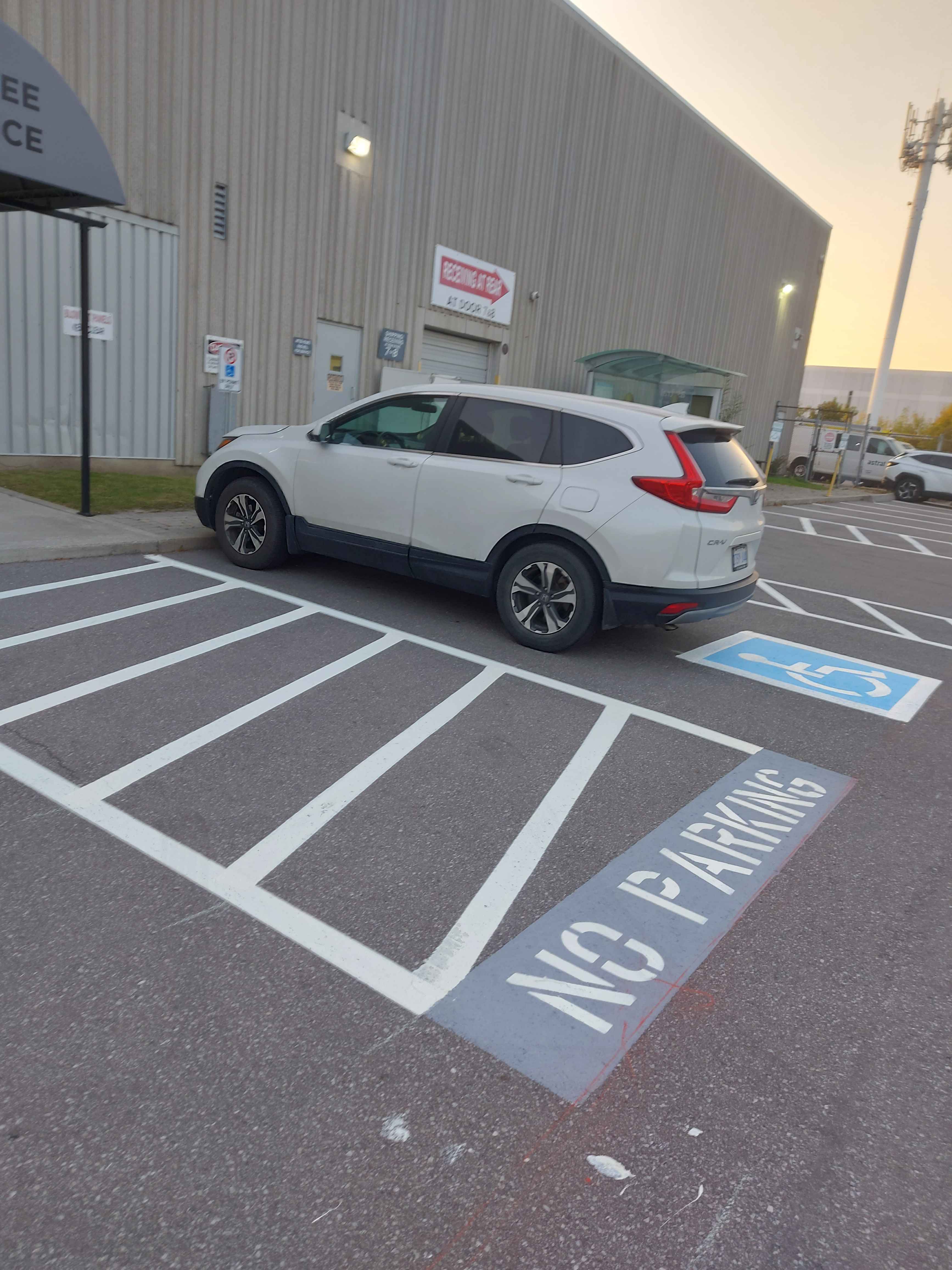
- "NO PARKING": Clearly defines fire lanes, loading zones, or areas that must remain clear for emergency access.
- "RESERVED": Identifies specific spots for staff, customers, or visitors with disabilities.
Best Practices for Effective Line Marking
Adding markings is easy, but adding *effective* markings requires planning. If you simply spray paint symbols without considering the driver's line of sight, you may end up with more confusion than before. Here is what you should consider before starting your project:
Strategic Placement
Markings should be placed where they are most visible to a driver approaching at standard speeds. For example, a "STOP" text marking should be placed far enough back from an intersection so that the driver has time to react. Capital Parking Lot Line Painting recommends a site walkthrough to identify "blind spots" where extra signage or arrows might be needed.
Contrast and Visibility
The effectiveness of your line marking depends heavily on contrast. Using bright white or yellow against dark asphalt is the standard, but in regions like Thunder Bay, where weather conditions can change rapidly, using high-quality, reflective materials is a smart investment to ensure visibility during snow or heavy rain.
Ready to Upgrade Your Lot?
Don't leave your traffic flow to chance. Professional line marking ensures your property is safe, compliant, and easy to navigate. Contact Capital Parking Lot Line Painting today to discuss your specific needs and ensure your lot is performing at its best.
Common Mistakes to Avoid
Many property managers attempt to DIY their markings or hire uncertified contractors, leading to several common issues:
- Inconsistent Sizing: Arrows that are too small are easily missed by drivers.
- Poor Surface Prep: Painting over dirt or oil will cause the markings to peel within months.
- Incorrect Font Styles: Text must be legible from a distance; overly decorative fonts are a safety hazard.
- Ignoring Local Regulations: Ensure your markings meet local accessibility and safety standards.