Do You Need to Power Wash Before Sealcoating?
Maintaining a pristine asphalt surface is more than just an aesthetic choice; it is a vital component of property management and long-term structural integrity.
The Short Answer: Yes, Absolutely
If you are looking to extend the life of your asphalt, the short answer is a resounding yes. Power washing is not merely an optional cleaning step; it is a fundamental part of the surface preparation process. When professional crews from Capital Parking Lot Line Painting arrive at a site, one of the first things they evaluate is the cleanliness of the substrate.
Applying sealcoat over a dirty surface is one of the most common mistakes property owners make. Without a clean foundation, the protective sealant cannot bond properly with the asphalt, leading to premature failure, peeling, and a wasted investment.
Why Surface Preparation Matters
Asphalt is a porous material. Over time, it collects a variety of contaminants that settle into its microscopic pores. In a busy commercial hub like Markham, these contaminants can include oil spills, heavy sediment, tire marks, and organic debris like moss or algae.
When we talk about sealcoating, we are talking about creating a chemical and physical bond between the sealant and the asphalt. If there is a layer of dust, oil, or dirt between these two layers, the bond is broken before it even begins. This results in 'flaking,' where the sealcoat lifts off the ground in large chunks shortly after application.
The Benefits of Power Washing Before Sealcoating
- Enhanced Adhesion: Removes the barrier between the asphalt and the sealant, allowing for a deep, lasting bond.
- Contaminant Removal: Eliminates oil, grease, and chemicals that can chemically react with and degrade the sealant.
- Improved Aesthetics: Ensures the final finish is uniform in color and texture without spotting or streaking.
- Extended Lifespan: A properly prepared surface ensures the sealcoat lasts its full intended lifespan, protecting against UV rays and water penetration.
- Optimized Line Marking: A clean surface provides the perfect canvas for crisp, professional Line Marking.
Common Contaminants That Ruin Sealcoats
Understanding what we are fighting against helps explain why Capital Parking Lot Line Painting insists on thorough cleaning. Here are the primary culprits:
1. Oil and Petroleum Products
Vehicles constantly leak fluids. Oil is particularly dangerous because it is hydrophobic, meaning it repels water and sealants. If oil isn't pressure washed and treated, the sealcoat will simply bead up and roll off the oily patch.
2. Organic Growth
In regions like Markham, where seasonal changes bring moisture and varying temperatures, moss, algae, and lichen can take root in asphalt cracks. These organisms must be completely eradicated via power washing.
The Professional Process
At Capital Parking Lot Line Painting, we follow a rigorous multi-step process to ensure your asphalt looks brand new. It isn't just about spraying water; it's about precision.
- Inspection: Assessing the asphalt for cracks, depressions, and heavy contamination.
- Debris Removal: Clearing large stones, dirt, and loose material.
- High-Pressure Power Washing: Using industrial-grade equipment to blast away embedded contaminants.
- Drying Phase: Ensuring the asphalt is completely dry before any sealant is applied.
- Sealcoating: Applying the protective layer evenly across the surface.
- Line Marking: Once the sealcoat has cured, we perform high-visibility Line Painting to restore traffic flow and safety.
Visualizing the Result
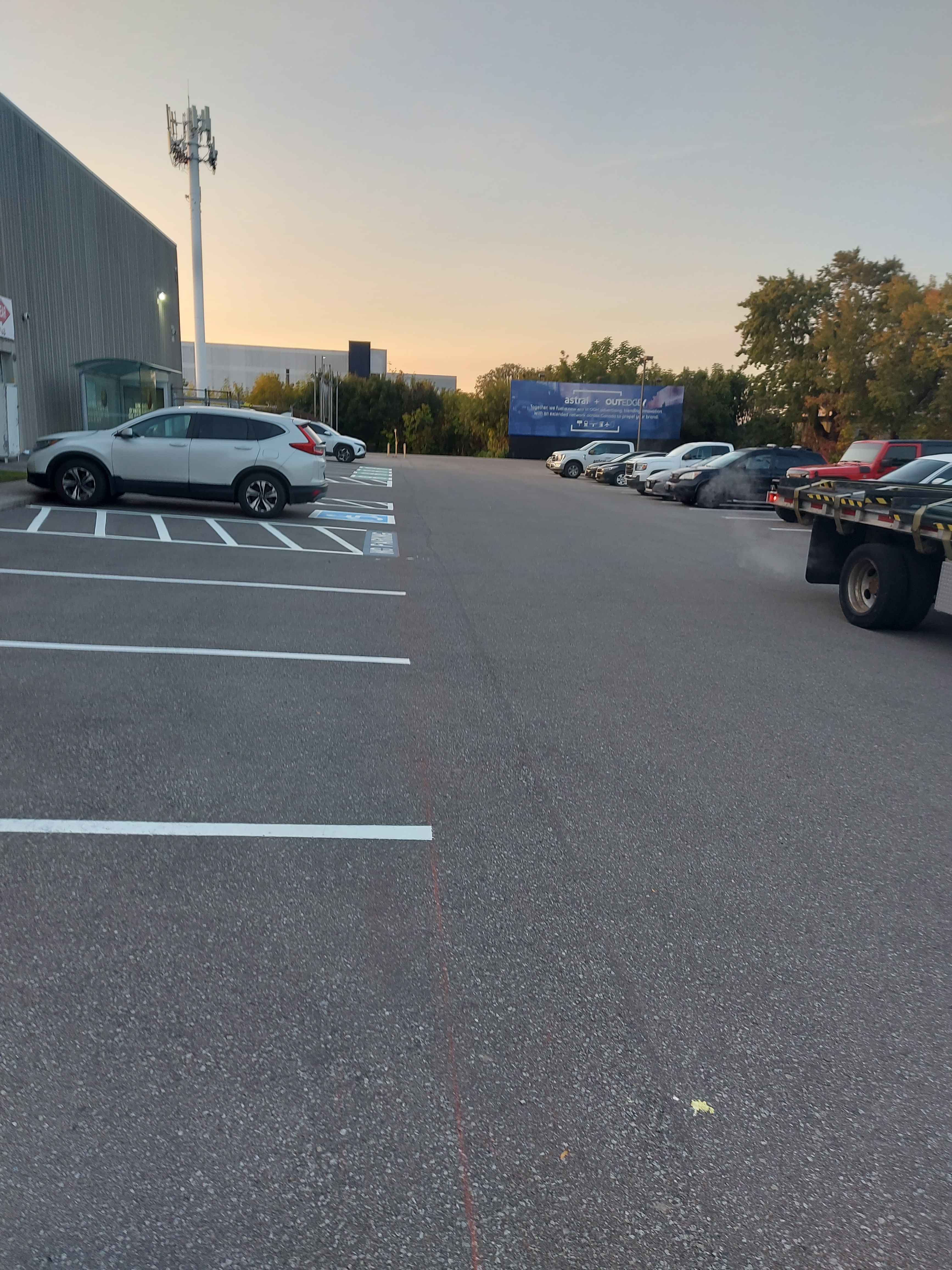
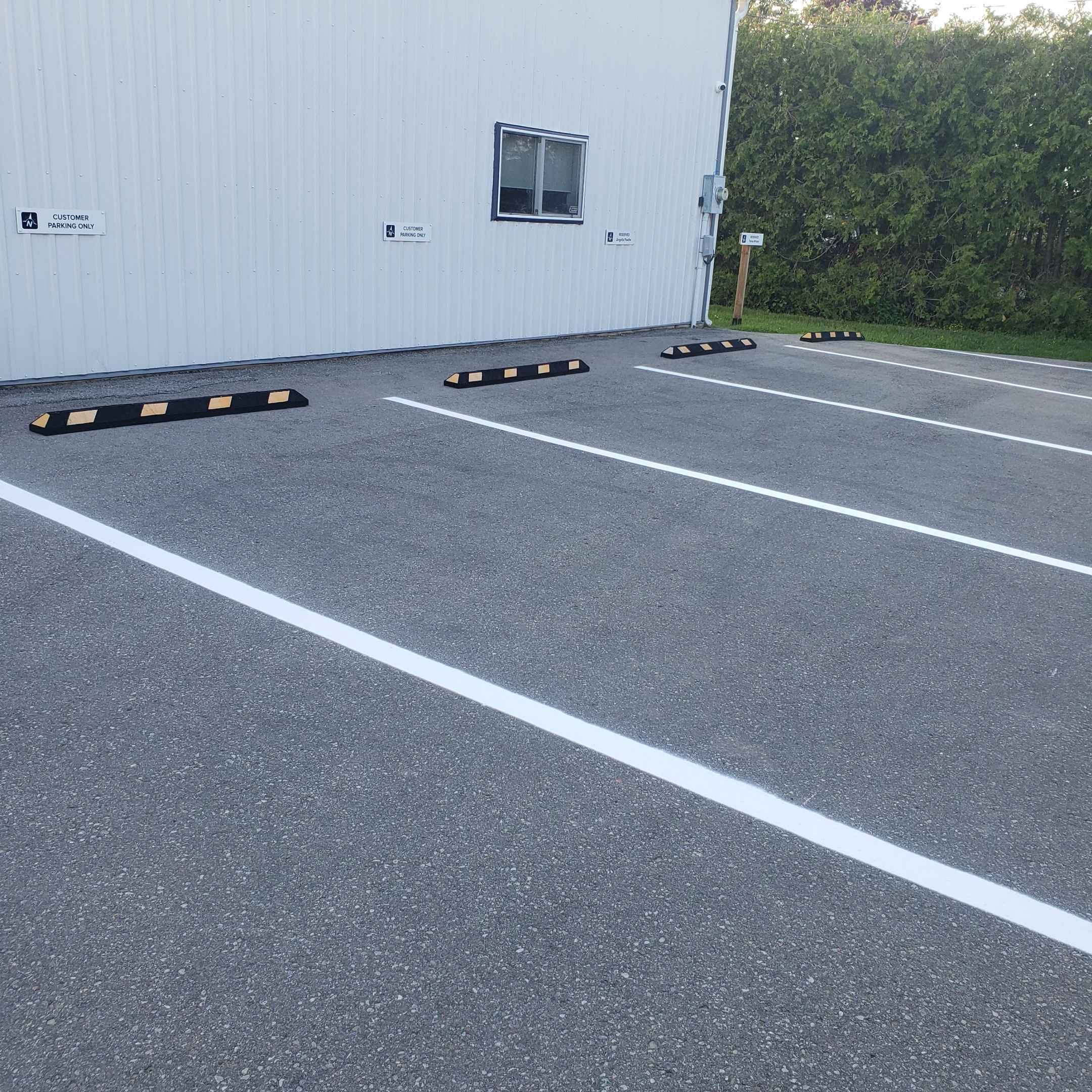
A clean, power-washed surface allows for a deep black finish that makes your Line Painting pop, providing a professional look that increases curb appeal and property value instantly.
Conclusion
Skipping the power washing step might seem like a way to save time, but it is a shortcut to failure. By investing in proper surface preparation, you are ensuring that your sealcoating provides the maximum possible protection against the elements. Whether you need a simple refresh or a complete overhaul, always prioritize cleanliness to ensure a professional, long-lasting finish.