Do You Need to Power Wash Before Sealcoating?
Understanding the vital relationship between surface preparation and long-term asphalt protection.
When you look at a weathered, graying parking lot, the immediate instinct is often to apply a fresh coat of sealant to restore that deep, jet-black luster. It is a satisfying transformation that can instantly elevate the curb appeal of any commercial property. However, there is a fundamental question that many property managers and business owners in Peterborough ask before they commit to the process: Do I really need to power wash my asphalt before sealcoating?
The short answer is a resounding yes. At Capital Parking Lot Line Painting, we have seen firsthand how skipping the cleaning phase can lead to premature coating failure. In this guide, we will dive deep into the science of asphalt adhesion and why cleanliness is the most important factor in your maintenance strategy.
The Science of Adhesion: Why Surface Prep Matters
Sealcoating is not just a cosmetic layer of paint; it is a protective barrier designed to shield your asphalt from UV rays, water penetration, and chemical spills. For this barrier to work, it must bond chemically and mechanically with the asphalt surface.
Imagine trying to apply a sticker to a dusty table. No matter how much pressure you apply, the sticker will eventually peel off because the dust creates a microscopic layer of separation between the adhesive and the surface. The same principle applies to sealcoating. If your asphalt is covered in silt, sand, oil, or organic debris, the sealant will bond to the dirt rather than the pavement itself. This results in "flaking" or "peeling," where the sealant lifts off in large chunks shortly after application.
The Benefits of Power Washing Before Sealcoating
Integrating a thorough power washing step into your maintenance routine offers several critical advantages:
- Maximum Adhesion: Removes the barrier of contaminants, allowing the sealant to penetrate the pores of the asphalt.
- Debris Removal: Clears out sand, gravel, and dirt that can cause uneven application.
- Oil and Grease Elimination: High-pressure washing helps lift automotive fluids that would otherwise repel the sealant.
- Vegetation Eradication: Removes moss, weeds, and organic matter growing in the cracks.
- Enhanced Longevity: A properly cleaned surface ensures the sealcoat lasts its full intended lifespan.
Common Contaminants That Ruin Sealcoats
In a busy city like Peterborough, parking lots are subjected to heavy traffic, environmental pollutants, and seasonal debris. Capital Parking Lot Line Painting identifies several common culprits that necessitate a professional wash:
1. Organic Growth
Algae, moss, and lichen thrive in damp, shaded areas of a parking lot. These organisms hold moisture against the asphalt, which can cause the sealant to bubble and lift.
2. Oil and Fuel Spills
Automotive leaks are inevitable in any high-traffic area. Oil is hydrophobic, meaning it repels water-based sealants. Without a deep clean, the sealant will simply slide off the oily patches.
3. Fine Sediment and Dust
Wind-blown dust and construction debris settle into the texture of the asphalt. If not washed away, this fine dust acts like a release agent, preventing the sealant from "grabbing" the surface.
The Professional Workflow
When you hire a professional team like Capital Parking Lot Line Painting, we don't just spray sealant and walk away. We follow a rigorous multi-step process to ensure your investment is protected:
- Site Inspection: Assessing cracks and structural integrity.
- Power Washing: High-pressure cleaning to strip away all surface contaminants.
- Drying Period: Allowing the asphalt to dry completely (moisture is the enemy of sealant).
- Crack Filling: Repairing structural gaps to prevent water ingress.
- Sealcoating: Applying the protective layer evenly.
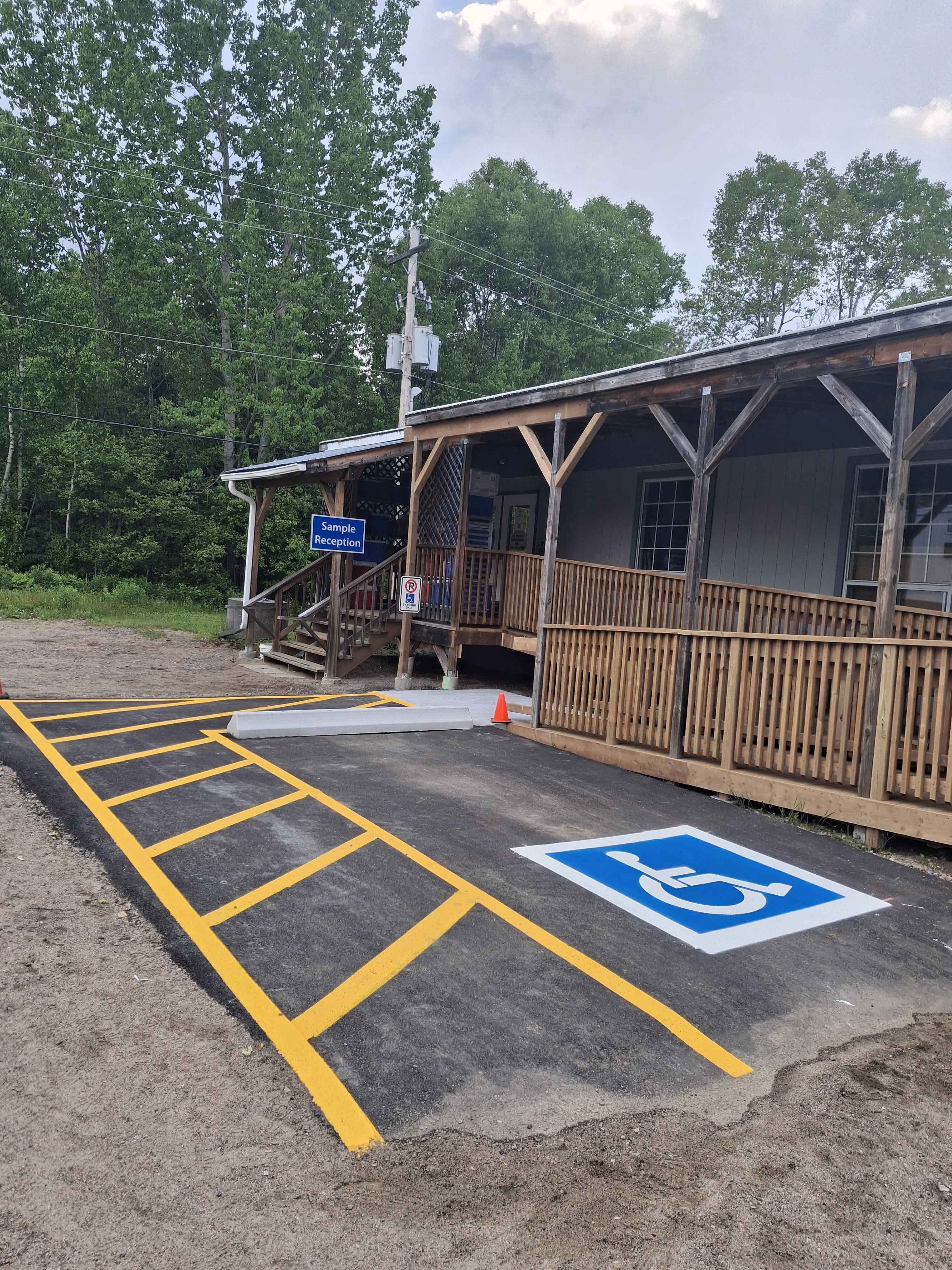
- Line Marking: Once cured, performing precise Line Marking to restore traffic flow and safety.
Don't Cut Corners on Maintenance
While it might be tempting to skip the cleaning phase to save time, the long-term costs of re-doing a failed sealcoat far outweigh the initial effort of a thorough power wash. Professional preparation is the difference between a surface that looks good for a month and one that looks great for years.