Do You Need to Power Wash Before Sealcoating?
Understanding the critical relationship between surface cleanliness and the longevity of your asphalt sealcoating.
When it comes to maintaining a commercial or residential asphalt surface, the question of preparation often arises. If you are planning to refresh your driveway or parking lot, you might be wondering: "Do I really need to power wash before sealcoating?" The short answer is a resounding yes. At Capital Parking Lot Line Painting, we have seen firsthand how skipping this step can lead to premature failure of the sealant.
Asphalt maintenance is an investment in the longevity of your property. In growing areas like Whitby, where weather fluctuations can be harsh, ensuring your asphalt is properly prepared is the difference between a finish that lasts years and one that peels away in months.
Why Surface Preparation Matters
Sealcoating is essentially a protective layer applied to the surface of the asphalt to prevent oxidation, water penetration, and UV damage. However, for this layer to work, it must bond chemically and physically to the asphalt substrate. If there is a barrier between the asphalt and the sealer, the bond will fail.
The Enemies of Adhesion
Several common contaminants can prevent sealcoating from adhering correctly:
- Dirt and Silt: Fine particles fill the pores of the asphalt, creating a smooth surface that the sealer cannot grip.
- Oil and Grease: Common in parking lots, petroleum-based spills act as a repellent to water-based or coal-tar sealers.
- Organic Matter: Leaves, moss, and tree sap can rot under the sealer, causing bubbling and lifting.
- Algae and Mold: These biological growths can penetrate the surface and compromise the structural integrity of the coating.
The Role of Power Washing in the Process
Power washing uses high-pressure water streams to strip away the layers of grime that a standard broom or leaf blower simply cannot reach. For property owners in Whitby, where seasonal debris can accumulate quickly, a deep clean is vital.
When Capital Parking Lot Line Painting approaches a project, we prioritize the cleanliness of the surface. Power washing does more than just make the lot look clean; it opens up the pores of the asphalt. This "open" state allows the sealer to penetrate deep into the aggregate, creating a unified, reinforced surface rather than just a superficial film.
The Step-by-Step Professional Approach
A professional sealcoating job is a multi-stage process. It isn't just about pouring black liquid onto the ground; it is a systematic approach to restoration.
- Inspection: Identifying cracks, depressions, or structural issues that need repair.
- Cleaning/Power Washing: Removing all loose debris, oils, and organic matter.
- Crack Filling: Using specialized hot rubberized material to seal cracks and prevent water from reaching the base.
- Sealcoating Application: Applying the protective coating evenly across the prepared surface.
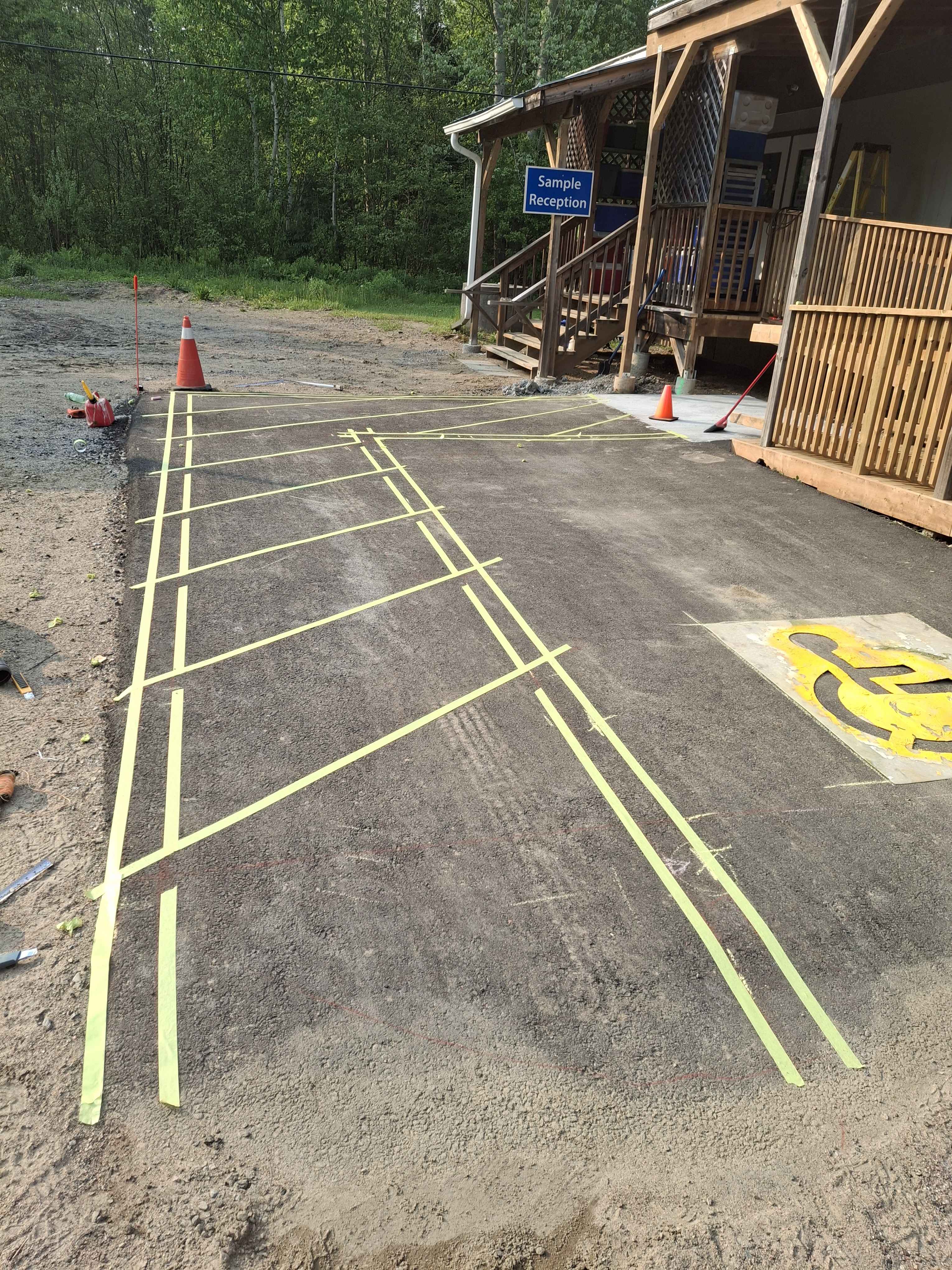
- Line Marking: Once the sealer has cured, professional Line Marking is performed to restore traffic flow and safety.
Common Mistakes to Avoid
Many property managers attempt to save time by rushing the cleaning phase. This often leads to several costly issues:
1. Skipping the Deep Clean
Applying sealer over dirt is like trying to paint a wall covered in dust. The paint will eventually flake off.
2. Ignoring Oil Stains
If oil stains aren't treated with a degreaser during the washing process, the sealer will bubble in those specific spots.
At Capital Parking Lot Line Painting, we emphasize that the prep work is just as important as the application itself. A job done right the first time saves significant money on repairs down the road.
Conclusion
To answer the original question: Yes, you absolutely need to power wash before sealcoating. It is the foundation upon which the success of your asphalt maintenance rests. By ensuring a clean, debris-free surface, you guarantee better adhesion, a more professional appearance, and a much longer lifespan for your pavement.
Whether you need a complete overhaul or simple Line Marking to refresh your parking lot, always ensure the preparation stage is handled with care.
Quick Summary
Don't let dirt compromise your asphalt. Power washing ensures that sealcoating bonds deeply and lasts longer, protecting your investment from the elements.