The Link Between Drainage and Crack Development
Understanding how water movement dictates the lifespan of your asphalt surfaces.
For property owners and facility managers, a parking lot is more than just a place to park cars; it is the first impression of a business. However, beneath the surface of that dark, smooth asphalt lies a complex battle against the elements. One of the most significant, yet often overlooked, enemies of pavement longevity is water. Specifically, the relationship between drainage efficiency and crack development is a critical factor that determines whether your lot lasts decades or requires premature reconstruction.
At Capital Parking Lot Line Painting, we have observed firsthand how localized flooding and poor runoff management can accelerate the aging process of asphalt, leading to costly repairs and safety hazards.
The Science of Water and Asphalt
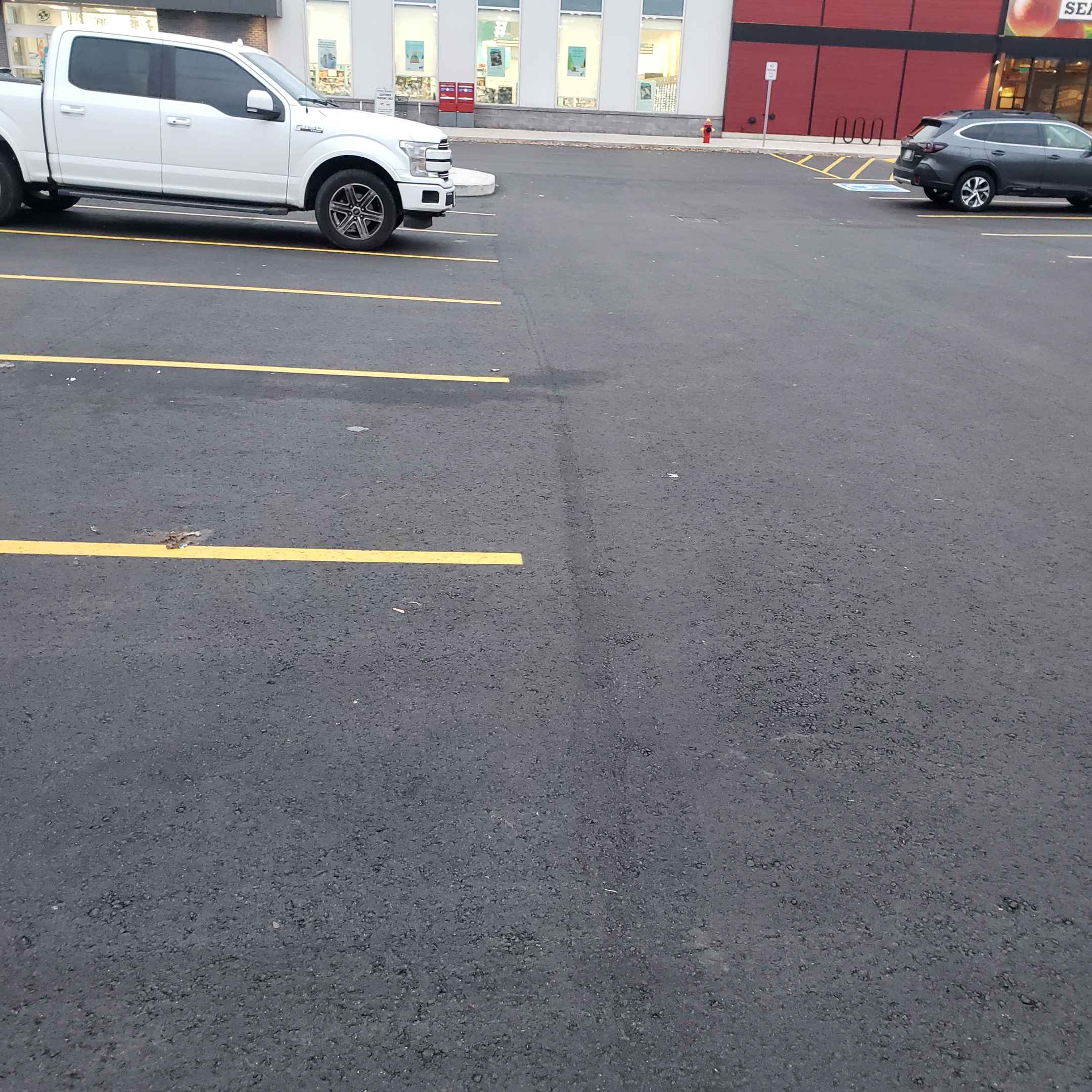
Asphalt is a flexible pavement, meaning it is designed to move slightly under the weight of vehicles and temperature fluctuations. However, this flexibility is compromised when water becomes a permanent resident in the sub-base of the pavement. When water settles in low spots or fails to move away from the surface, it begins a process of degradation known as sub-surface erosion.
Hydrostatic Pressure and Freeze-Thaw Cycles
In regions like Brampton, where seasonal temperature shifts are dramatic, the freeze-thaw cycle is a primary driver of crack development. When water seeps into small, microscopic fissures in the asphalt and subsequently freezes, it expands. This expansion exerts immense internal pressure, widening the crack. When it thaws, it leaves behind a void, making the pavement even more susceptible to the next freeze.
Without proper drainage to whisk this water away, these cycles repeat with increasing intensity, eventually leading to potholes and structural failure. This is why professional maintenance, including high-quality Line Marking, is essential to keep the surface looking uniform while you address underlying structural issues.
Common Drainage Failures That Cause Cracks
Identifying the source of water accumulation is the first step in preventing pavement failure. Most drainage issues stem from one of the following common mistakes:
- Improper Grading: When the slope of the parking lot is not correctly pitched toward drains or catch basins, water pools in large areas.
- Clogged Catch Basins: Debris, leaves, and sediment can block drainage systems, causing water to back up onto the asphalt.
- Sub-base Saturation: If the soil beneath the asphalt is constantly wet, it loses its load-bearing capacity, causing the asphalt to sink and crack.
- Adjacent Runoff: Water from landscaping or neighboring properties flowing onto the lot without a barrier.
The Domino Effect: From Cracks to Structural Failure
Once a crack develops due to poor drainage, a dangerous domino effect begins. The crack acts as a funnel, directing even more water into the foundation of the lot. As the base layers become saturated, the structural integrity of the entire area is compromised. This is where Capital Parking Lot Line Painting recommends a proactive approach rather than a reactive one.
By addressing drainage issues early, you can prevent the need for a complete repaving. Even after repairs are made, maintaining visibility through professional Line Painting ensures that the lot remains safe and functional for drivers, even as you manage the environmental challenges of a top 30 city like Brampton.
Proactive Maintenance Checklist
To protect your investment, consider implementing the following routine checks:
- Inspect catch basins monthly to ensure they are free of debris.
- Perform a visual inspection after heavy rain to identify new standing water areas.
- Seal cracks as soon as they appear to prevent water infiltration.
- Schedule regular Line Marking to maintain safety and curb appeal.
- Consult with experts like Capital Parking Lot Line Painting to assess the health of your pavement.
Conclusion
The link between drainage and crack development is undeniable. Water is the most significant variable in the lifespan of your asphalt. By ensuring your drainage systems are functional and your cracks are sealed, you can significantly extend the life of your parking lot and avoid the massive expense of full reconstruction. Remember, a well-maintained lot is a safe, professional, and profitable asset.
Featured Visual: