The Link Between Drainage and Crack Development
Understanding the silent relationship between water management and pavement longevity is the first step in protecting your commercial investment.
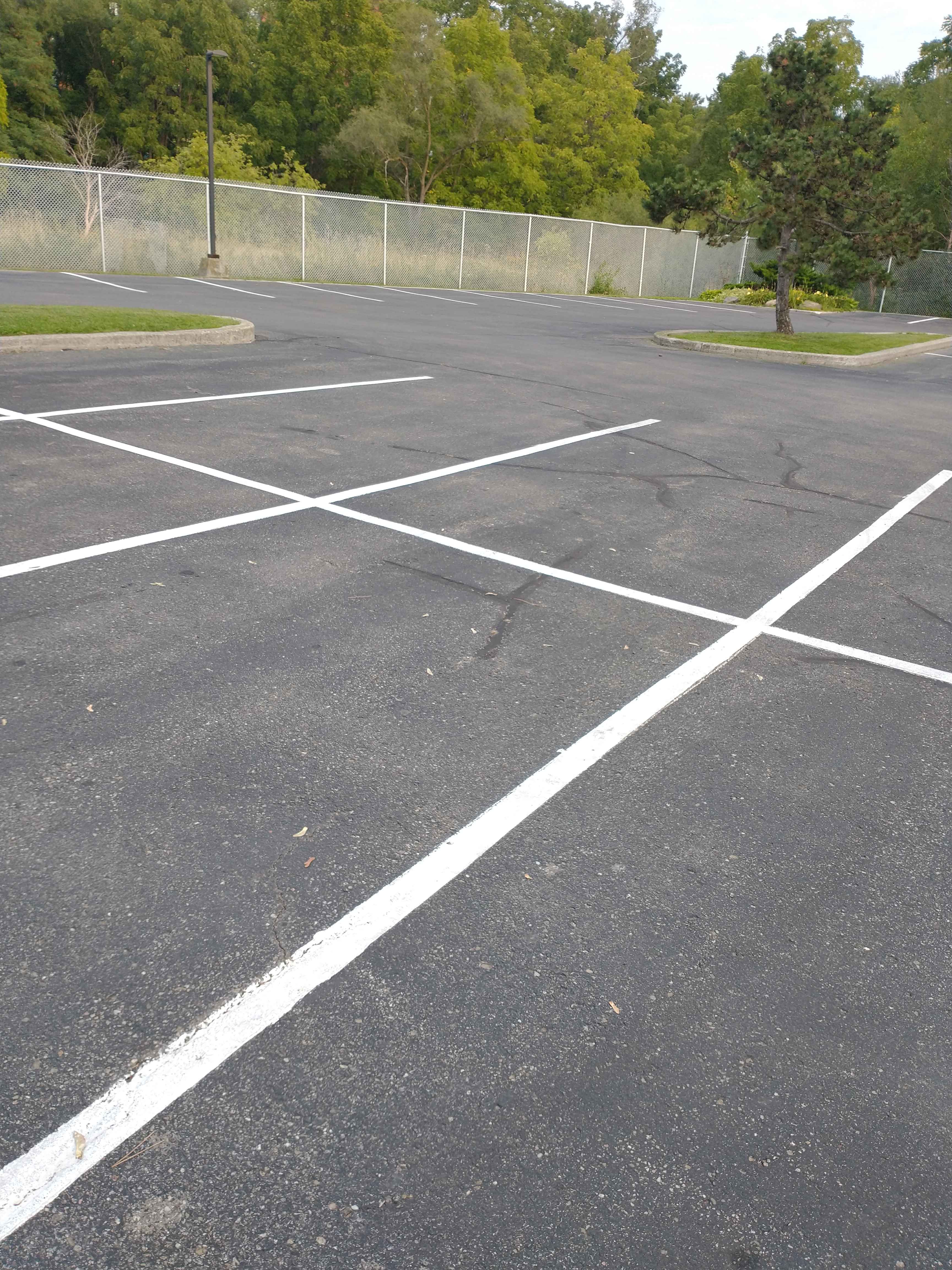
To the untrained eye, a crack in a parking lot might seem like a minor cosmetic issue. However, for property managers and business owners, these fissures are often the first warning signs of a much deeper, more systemic problem: poor drainage. When water is allowed to sit on or beneath your asphalt surface, it initiates a destructive cycle that can compromise the entire foundation of your property.
At Capital Parking Lot Line Painting, we have seen firsthand how neglected drainage systems can transform a manageable maintenance task into a full-scale reconstruction project. In high-traffic areas like Richmond Hill, where seasonal weather shifts are dramatic, managing water runoff is not just a luxury—it is a necessity for structural survival.
How Water Destroys Asphalt: The Science of Erosion
Asphalt is a flexible pavement, designed to withstand heavy loads and temperature fluctuations. However, its strength relies heavily on a stable, dry sub-base. When drainage is inadequate, water infiltrates the pavement through microscopic pores or existing small cracks. Once water reaches the base layer, several destructive processes begin:
1. Sub-grade Saturation and Softening
When the soil beneath the asphalt becomes saturated, it loses its load-bearing capacity. This creates a "soft spot." As vehicles drive over these weakened areas, the asphalt flexes more than it was designed to, leading to alligator cracking (a pattern resembling reptile skin) and eventual potholes.
2. The Freeze-Thaw Cycle
In regions like Richmond Hill, the freeze-thaw cycle is a primary driver of pavement failure. Water that has seeped into cracks or the sub-base expands as it freezes, exerting immense upward pressure. When the ice melts, it leaves behind a void. This constant expansion and contraction act like a slow-motion jackhammer, widening cracks and destabilizing the surface.
Common Signs of Drainage-Related Damage
Identifying the problem early can save significant resources. Look for these red flags during your routine property inspections:
- Standing Water: Puddles that remain long after a rainstorm or snowmelt indicate improper grading or clogged drains.
- Alligator Cracking: Small, interconnected cracks that suggest the sub-base is failing due to moisture.
- Depressions: Low spots in the pavement where water naturally collects.
- Edge Cracking: Cracks appearing along the edges of the lot, often caused by water runoff from adjacent landscaping.
- Fading Line Marking: While often seen as a cosmetic issue, severe water pooling can cause Line Marking to peel or fade prematurely.
Prevention and Maintenance Strategies
The most cost-effective way to manage a parking lot is through proactive maintenance. Capital Parking Lot Line Painting recommends a multi-tiered approach to ensure your pavement remains functional and safe for years to come.
Regular Inspection of Drainage Infrastructure
Ensure that catch basins, gutters, and culverts are free of debris. Leaves, silt, and trash can easily clog these systems, turning a sunny day into a flood risk for your asphalt.
Timely Crack Sealing
Once a crack appears, it must be addressed immediately. Sealing cracks prevents water from entering the sub-base, effectively breaking the cycle of erosion and freeze-thaw damage.
Professional Line Marking and Surface Protection
Maintaining clear visibility through high-quality Line Painting is essential for safety. When combined with regular sealcoating, you create a barrier that helps repel water and protects the bitumen from oxidation.
Why Professional Expertise Matters
Managing large-scale asphalt surfaces requires more than just a shovel and some sealant. It requires an understanding of topography, material science, and local climate patterns. This is where Capital Parking Lot Line Painting excels. We don't just look at the surface; we look at the health of your entire parking facility.
By addressing drainage issues and implementing proper maintenance schedules, you can extend the life of your pavement by decades, ensuring a safe and professional environment for your customers and tenants.
Protect Your Investment Today
Don't wait for a small crack to become a massive pothole. Contact the experts to evaluate your drainage and pavement condition.