The Link Between Drainage and Crack Development
Understanding how water management dictates the longevity and structural integrity of your asphalt surfaces.
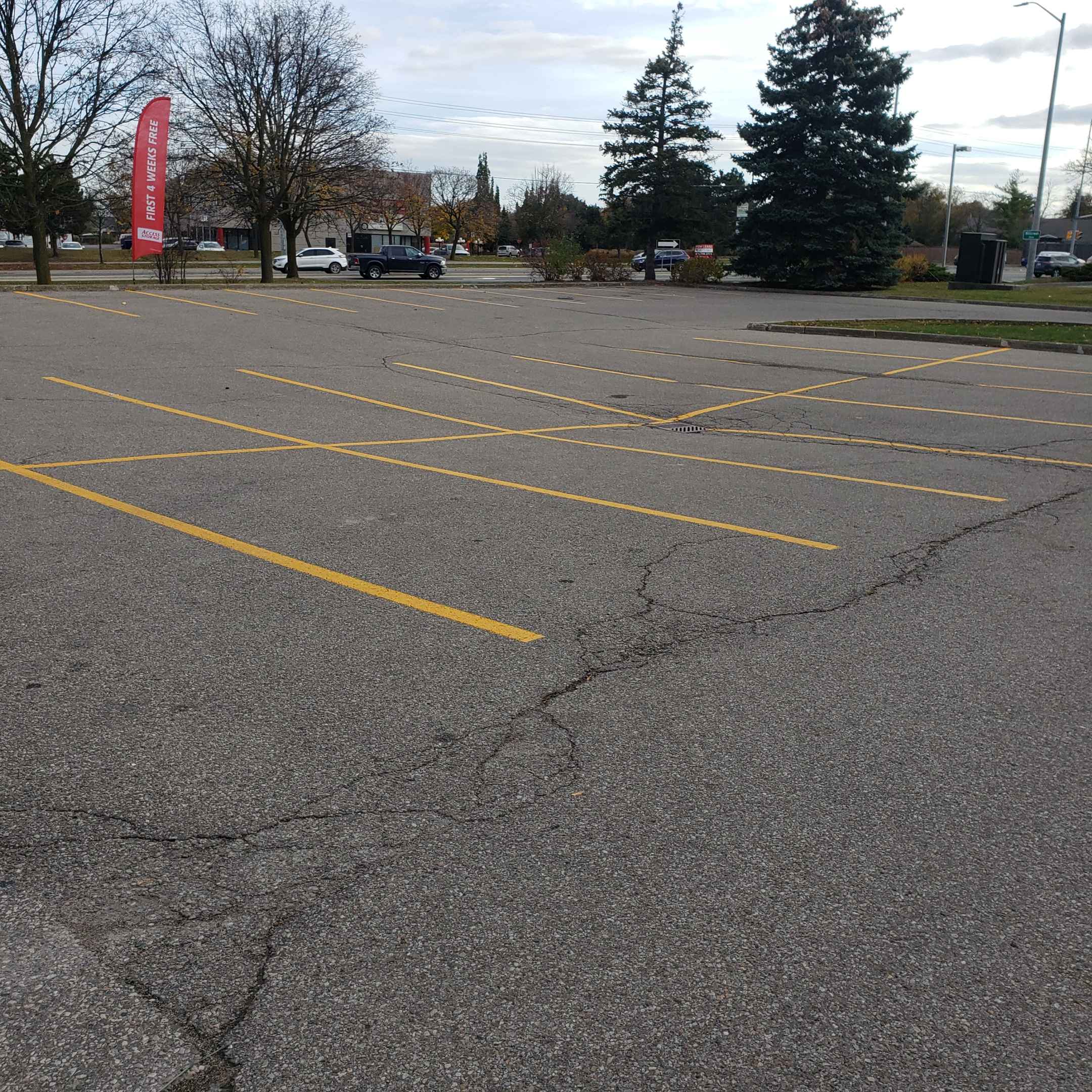
For property owners in Ontario, maintaining a pristine parking lot is a constant battle against the elements. While many focus on the aesthetic appeal of fresh Line Painting, the true foundation of a long-lasting surface lies beneath the visible asphalt. One of the most overlooked yet critical factors in pavement degradation is drainage. If water is not directed away from your parking area effectively, you aren't just looking at a few puddles—you are looking at the inevitable development of cracks and structural failure.
At Capital Parking Lot Line Painting, we have seen firsthand how poor water management can turn a minor surface issue into a costly reconstruction project. In a top 30 city like St. Catharines, where seasonal weather shifts can be dramatic, understanding this relationship is vital for any commercial or residential property manager.
The Science of Water and Asphalt
Asphalt is a flexible pavement, meaning it is designed to move slightly under heavy loads. However, this flexibility is compromised when moisture becomes trapped within the sub-base or sits on the surface for extended periods. When water infiltrates the cracks that naturally occur over time, it begins a process of erosion and destabilization.
1. Hydrostatic Pressure and Sub-base Erosion
When water pools on a parking lot, it exerts pressure. If the drainage system is inadequate, this water can seep into the base layers. As the soil underneath becomes saturated, it loses its load-bearing capacity. When a vehicle drives over this weakened area, the asphalt flexes more than it was designed to, leading to "alligator cracking" or fatigue cracking.
2. The Freeze-Thaw Cycle in Ontario
In regions like St. Catharines, the freeze-thaw cycle is a primary driver of pavement damage. Water that has seeped into small crevices expands as it freezes. This expansion exerts tremendous upward pressure, widening the cracks. When the ice melts, it leaves a void, making the pavement even more susceptible to the next freeze. This cycle accelerates rapidly if the surface drainage is not functioning perfectly.
Common Drainage Failures to Watch For
Identifying drainage issues early can save you significant headaches. Keep an eye out for these red flags:
- Standing Water: Puddles that remain long after a rainstorm or snowmelt.
- Depressions: Low spots in the asphalt where water naturally collects.
- Edge Cracking: Cracks forming specifically along the edges of the parking lot where water might collect.
- Vegetation Growth: Plants growing in cracks often indicate that moisture is being retained in the sub-base.
- Discolored Asphalt: Darker patches that stay wet longer than the surrounding area.
How to Mitigate Crack Development
Preventing cracks requires a multi-faceted approach that combines civil engineering with regular maintenance. Capital Parking Lot Line Painting recommends a proactive strategy rather than a reactive one.
Maintain Your Drainage Infrastructure
Ensure that catch basins, gutters, and culverts are clear of debris. Leaves, sediment, and trash can easily clog these systems, turning a dry parking lot into a temporary pond. Regular inspections of your drainage slope (the "pitch") are also essential to ensure water is moving toward designated exit points.
Seal Coating and Crack Filling
Once cracks do appear, they must be addressed immediately to prevent water from reaching the sub-base. Professional crack filling creates a waterproof barrier. Following this with high-quality seal coating provides an extra layer of protection against UV rays and moisture penetration. Once the structural integrity is secured, professional Line Marking can be applied to restore the lot's professional appearance.
The Role of Professional Maintenance
Maintaining a commercial property is a heavy responsibility. By partnering with experts like Capital Parking Lot Line Painting, you ensure that your maintenance schedule is handled by professionals who understand the nuances of asphalt longevity. From structural repairs to high-visibility Line Painting, a holistic approach to parking lot care is the only way to protect your investment.