The Link Between Drainage and Crack Development
Understanding the silent relationship between water management and asphalt longevity is essential for every property owner.
When most property owners look at a parking lot, they see a surface designed for vehicles. However, professional pavement experts at Capital Parking Lot Line Painting see something more complex: a structural system that must interact perfectly with the environment. One of the most significant environmental factors is water. Specifically, how water is drained away from your surface determines whether your asphalt lasts for decades or begins to crumble within a few seasons.
In rapidly growing areas like Vaughan, one of the top 30 cities in Ontario, the combination of heavy seasonal rainfall and intense freeze-thaw cycles puts immense pressure on asphalt surfaces. If your drainage is suboptimal, you aren't just looking at a few puddles; you are looking at the inevitable development of structural cracks.
The Science of Water and Asphalt Degradation
Asphalt is a semi-flexible material. While it is designed to withstand the weight of vehicles, it is highly susceptible to the hydraulic forces exerted by standing water. When water is allowed to pool on a surface, several destructive processes begin simultaneously.
1. Hydrostatic Pressure and Subgrade Saturation
When water sits on the surface, it eventually finds its way into microscopic pores and existing hairline cracks. Once inside, it begins to seep into the subgrade—the soil and gravel layers beneath the asphalt. As the subgrade becomes saturated, it loses its load-bearing capacity. When a vehicle drives over a saturated section, the ground shifts, causing the asphalt above to flex excessively, leading to large-scale cracking.
2. The Freeze-Thaw Cycle: The Great Destroyer
For property owners in Vaughan, the freeze-thaw cycle is the primary enemy of pavement. When water trapped in the cracks or the subgrade freezes, it expands by approximately 9%. This expansion exerts massive upward pressure, widening the cracks. When the ice melts, it leaves behind a void, making the structure even more unstable. This cycle repeats dozens of times each winter, rapidly accelerating crack development.
Common Drainage Failures to Watch For
Recognizing the signs of poor drainage can save you thousands in premature repairs. Here are the most common culprits:
- Standing Puddles: Any water that remains on the surface more than a few minutes after rain is a red flag.
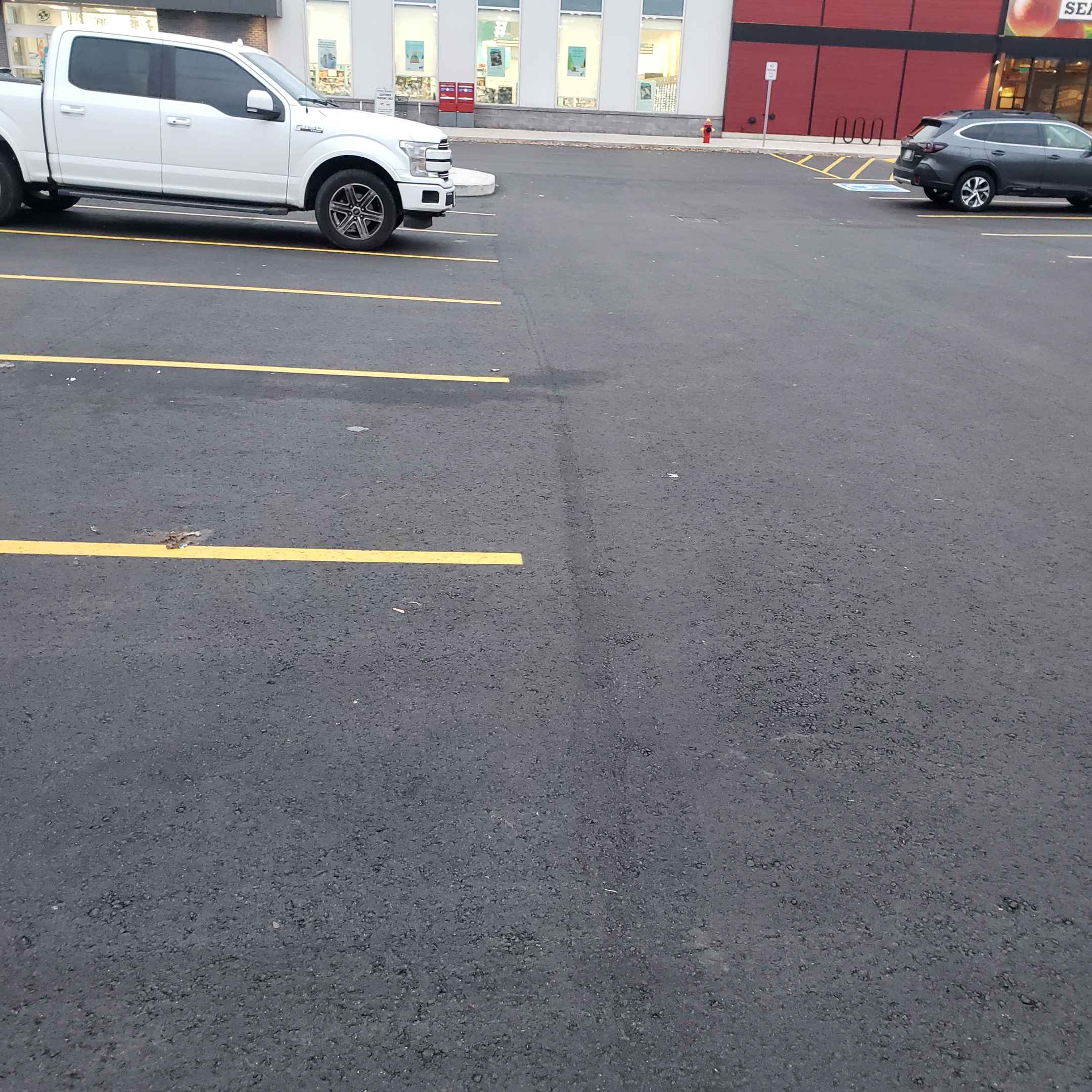
- Depressions and Birdbaths: Low spots in the asphalt act as collection points for water, leading to localized cracking.
- Clogged Catch Basins: Debris, leaves, and silt can block drainage inlets, forcing water to spread across the pavement.
- Improper Grading: If the slope of the lot doesn't direct water toward drains, the water will naturally seek the lowest point, often under the asphalt edges.
The Role of Maintenance and Line Marking
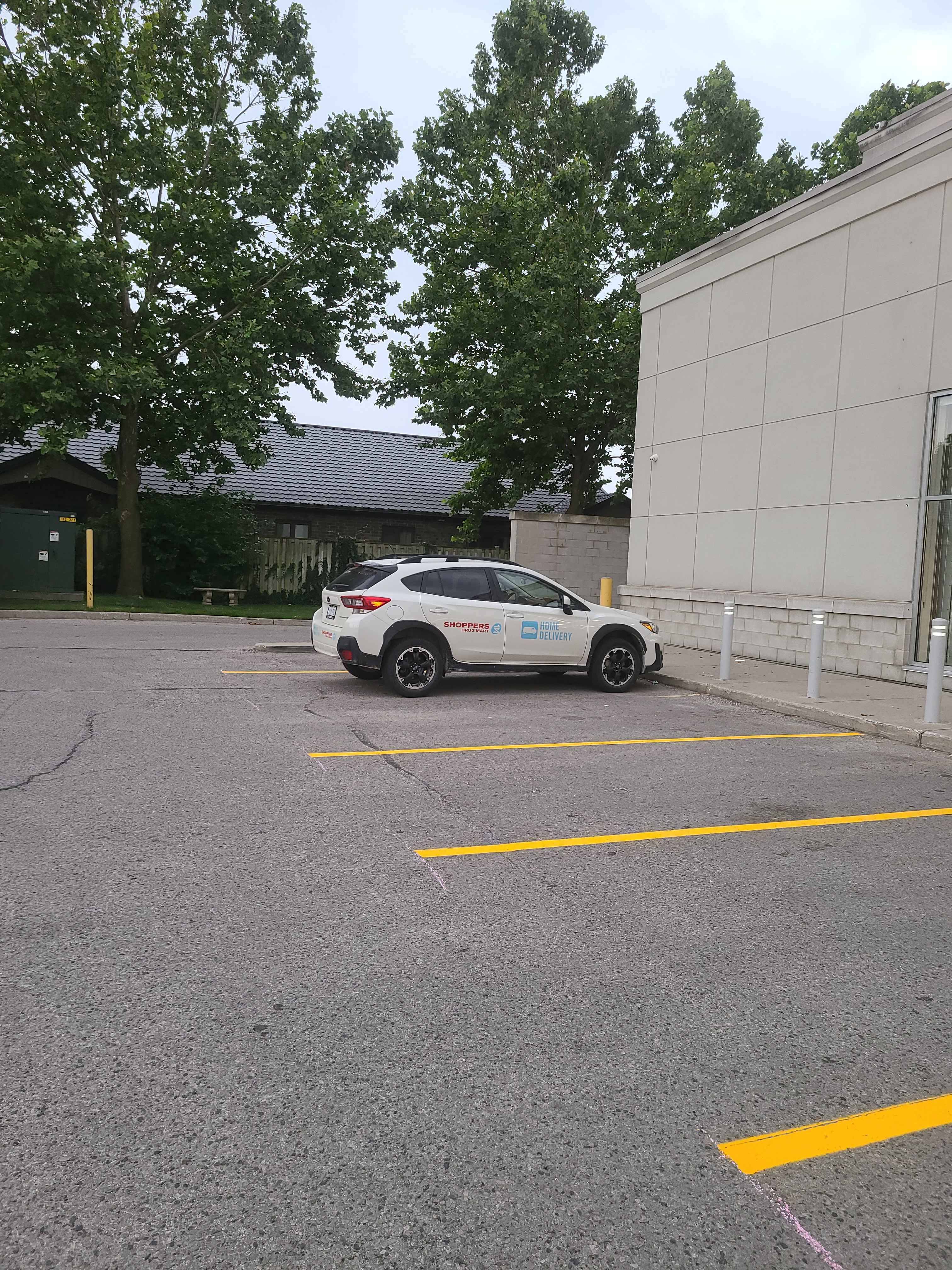
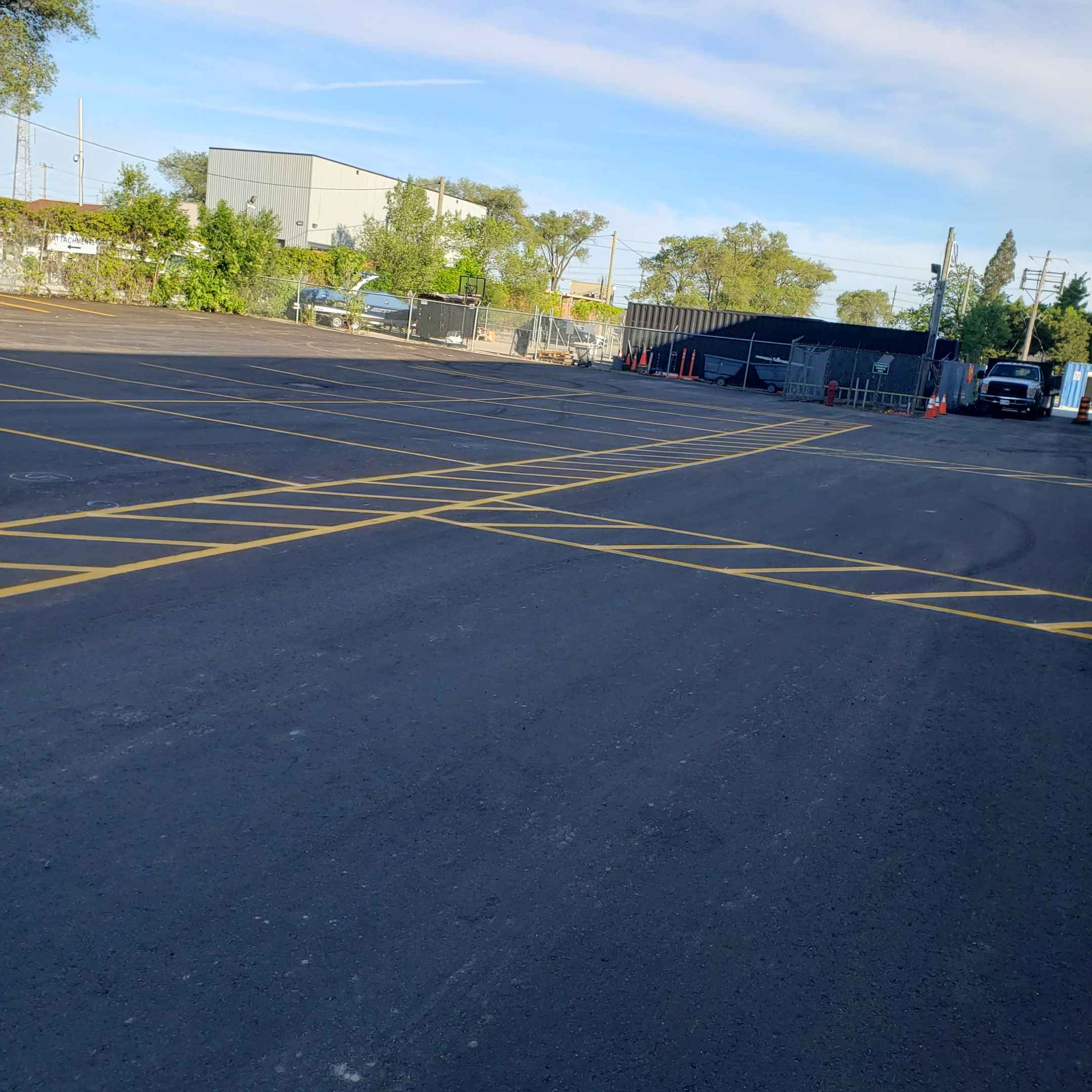
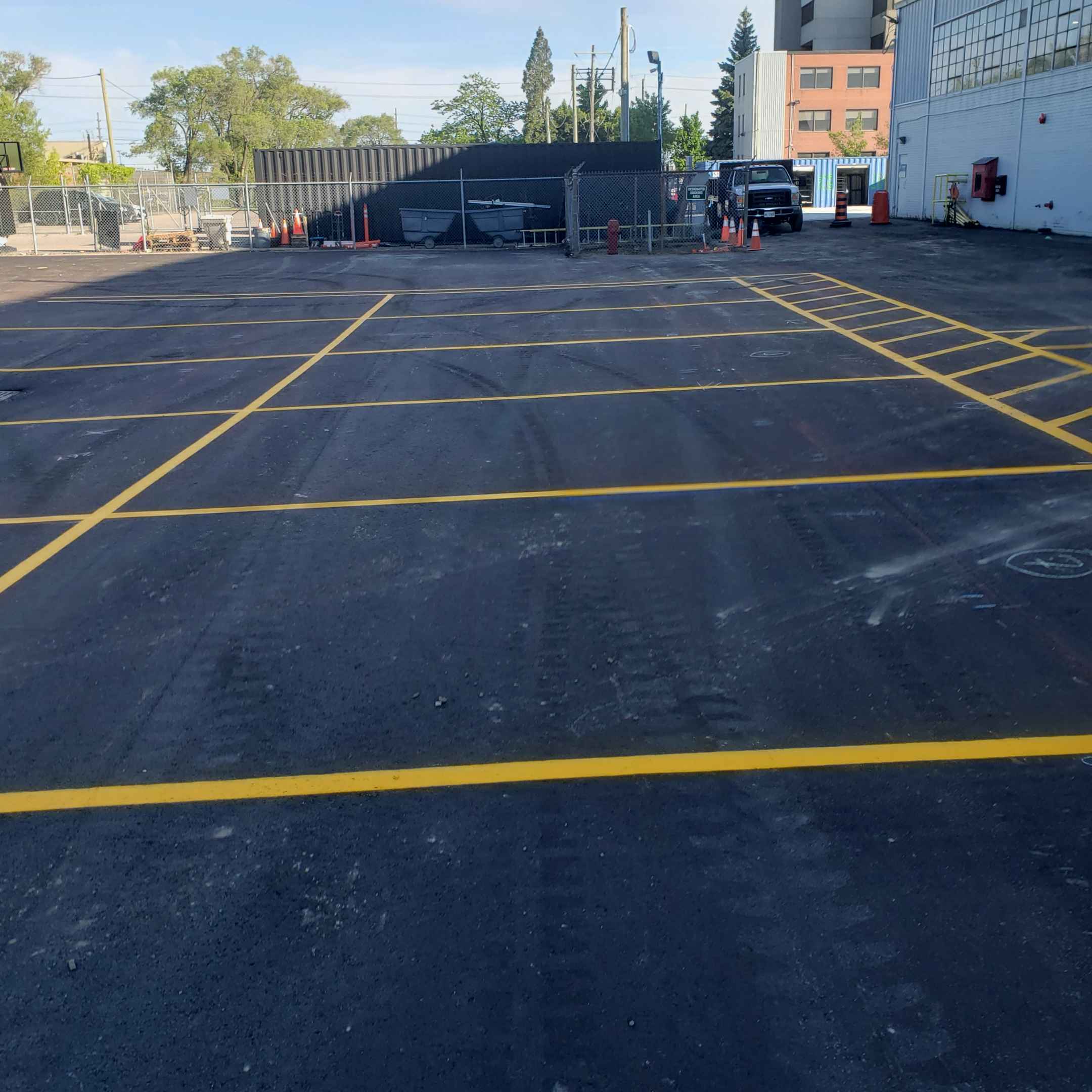
Preventative maintenance is a multi-faceted approach. While addressing drainage is a civil engineering task, the visual and functional integrity of the lot relies on regular upkeep. Capital Parking Lot Line Painting emphasizes that a well-maintained lot is easier to inspect for drainage issues. When you perform regular Line Marking, you can more easily spot new cracks or depressions that were previously hidden by faded markings.
Furthermore, keeping the surface clean and ensuring that Line Painting is crisp and visible helps direct traffic flow in a way that minimizes stress on the most vulnerable, water-prone areas of the lot. A holistic approach—combining drainage management with professional Line Marking—is the gold standard for property longevity.
How to Protect Your Investment
At Capital Parking Lot Line Painting, we recommend a proactive rather than reactive strategy. To mitigate the link between drainage and cracking, consider the following steps:
Regular Inspections
Inspect your lot after every major rainstorm to identify where water is pooling.
Sealcoating
Applying a high-quality sealant prevents water from penetrating the initial pores of the asphalt.
Drainage Clearing
Ensure all catch basins and gutters are free of debris to allow maximum water flow.
Crack Sealing
Seal small cracks immediately before they allow water to reach the subgrade.
Expert Solutions for Your Pavement
Don't let poor drainage ruin your asphalt. Contact Capital Parking Lot Line Painting today to ensure your property remains safe, functional, and visually appealing through professional maintenance and Line Marking services.