The Environmental Impact of Sealcoating Done Right
Understanding the intersection of asphalt maintenance and ecological responsibility.
When most property managers or business owners think about sealcoating, their minds immediately go to aesthetics. They see a dark, rich, uniform surface that makes a parking lot look brand new. However, there is a much deeper, more significant reason to invest in regular maintenance: environmental stewardship. At Capital Parking Lot Line Painting, we believe that maintaining your pavement is not just about curb appeal; it is about extending the lifecycle of your assets and reducing the waste that comes from premature reconstruction.
As urban areas continue to grow, particularly in bustling hubs like Oshawa, the management of impervious surfaces becomes a critical component of local environmental health. Properly maintained asphalt helps manage water runoff and reduces the need for carbon-intensive replacement projects.
The Lifecycle Argument: Reducing Waste
The most significant environmental impact of sealcoating is the prevention of asphalt degradation. Asphalt is a petroleum-based product. When asphalt cracks due to UV exposure, water penetration, and oxidation, it begins to break down. If left untreated, these small cracks evolve into potholes and eventually structural failures that require the entire surface to be milled and replaced.
Replacing an asphalt parking lot is a heavy industrial process involving:
- High carbon emissions from heavy machinery and transport trucks.
- The extraction of new raw materials like aggregate and bitumen.
- The production of massive amounts of landfill waste from the old, removed asphalt.
- Increased energy consumption during the heating and laying of new pavement.
By choosing to sealcoat regularly, you are effectively putting a "shield" over your pavement. This shield prevents the oxidation process, meaning you can defer the massive environmental cost of total replacement for many years. Capital Parking Lot Line Painting specializes in these preventative measures to ensure your property remains sustainable.
Water Management and Runoff Quality
In a top 30 Ontario city like Oshawa, managing stormwater is a major priority for municipal planning. When asphalt is in poor condition, it becomes porous. Instead of water flowing predictably over a smooth surface toward drainage systems, it seeps into cracks, creating unstable sub-bases and causing erratic runoff patterns.
A well-sealed surface ensures that water moves efficiently across the lot. Furthermore, a healthy, sealed surface prevents oils, chemicals, and heavy metals from leaching deeper into the ground through cracks, which helps maintain the integrity of the local groundwater and drainage ecosystems.
The Role of Precision: Line Marking and Safety
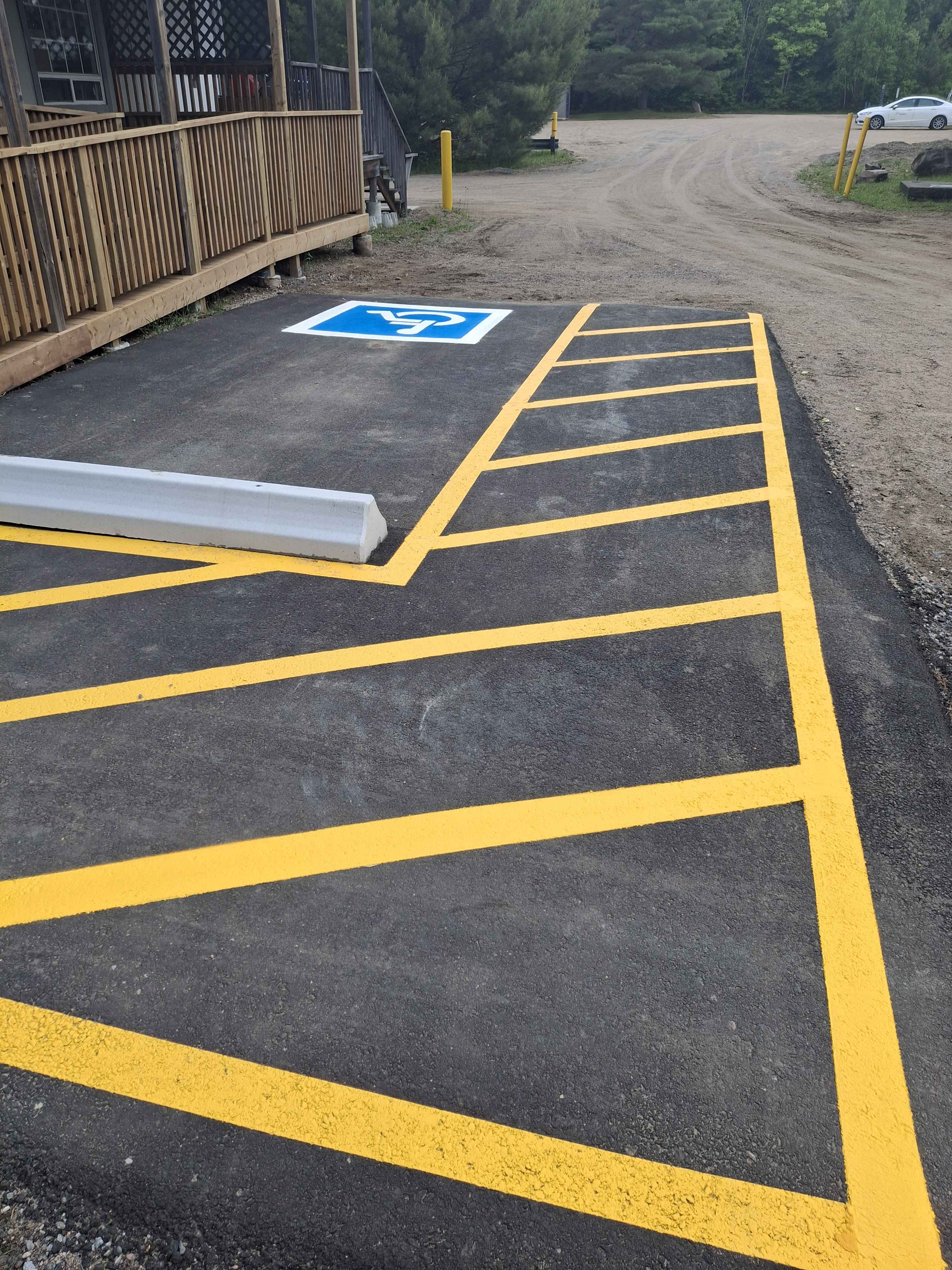
Environmental responsibility also extends to safety and efficiency. When we perform Line Marking, we aren't just making the lot look pretty; we are organizing the flow of traffic. Efficiently marked lanes reduce idling times for vehicles and prevent unnecessary maneuvering, which in turn reduces localized carbon emissions within your parking facility.
When Capital Parking Lot Line Painting combines high-quality sealcoating with professional Line Painting, we create a highly functional environment that optimizes space and minimizes the environmental footprint of every vehicle that enters your property.
Protect Your Investment Sustainably
Don't wait for the cracks to appear. Proactive maintenance is the greenest choice you can make for your commercial property. Contact the experts at Capital Parking Lot Line Painting today to schedule your assessment.
Common Mistakes That Harm the Environment
Not all sealcoating is created equal. To ensure you are actually helping the environment rather than hurting it, avoid these common pitfalls:
- Using low-quality, high-solvent sealants that release excessive VOCs (Volatile Organic Compounds).
- Applying sealant over wet or dirty surfaces, which leads to premature peeling and wasted material.
- Neglecting regular maintenance, leading to deep structural damage that requires more resources to fix.