The Environmental Impact of Sealcoating Done Right
When we think about environmental conservation, our minds often jump to forests, oceans, and wildlife. However, urban infrastructure management plays a massive, often overlooked role in our ecological footprint. Proper asphalt maintenance is a cornerstone of sustainable property management.
The Hidden Connection Between Asphalt and the Environment
Asphalt is a petroleum-based product. When pavement begins to degrade due to UV exposure, water infiltration, and temperature fluctuations, it doesn't just look bad—it becomes an environmental liability. Cracked and crumbling asphalt can lead to microplastic shedding and chemical runoff that enters our local waterways. In a bustling hub like Peterborough, maintaining the integrity of commercial parking lots is essential to preventing these pollutants from entering the local ecosystem.
This is where professional sealcoating comes in. When executed by experts like Capital Parking Lot Line Painting, sealcoating acts as a protective shield, significantly extending the life of the pavement and reducing the need for frequent, resource-intensive replacements.
How Proper Sealcoating Promotes Sustainability
Sustainability in construction is about doing more with less. By applying a high-quality sealant, property owners are engaging in a form of preventative medicine for their infrastructure. Here is how doing it "right" benefits the planet:
- Reduced Resource Consumption: Extending the life of existing asphalt means less new bitumen and aggregate need to be mined and processed.
- Mitigation of Runoff: Smooth, sealed surfaces prevent water from seeping into the sub-base, which prevents structural failure and reduces the amount of debris washed into storm drains.
- Lower Carbon Footprint: Replacing an entire parking lot requires heavy machinery and massive amounts of energy. Sealcoating is a low-impact alternative that preserves the status quo.
- Chemical Containment: A well-sealed surface prevents oils and automotive fluids from seeping deep into the ground, keeping them on the surface where they can be cleaned safely.
The Importance of Professional Application
Not all sealcoating is created equal. DIY approaches or low-quality contractors often use excessive amounts of material or incorrect mixtures, which can lead to premature peeling or chemical leaching. Capital Parking Lot Line Painting emphasizes precision. By using the correct thickness and high-grade materials, we ensure that the sealant bonds effectively with the asphalt, creating a durable barrier that withstands the harsh Ontario seasons.
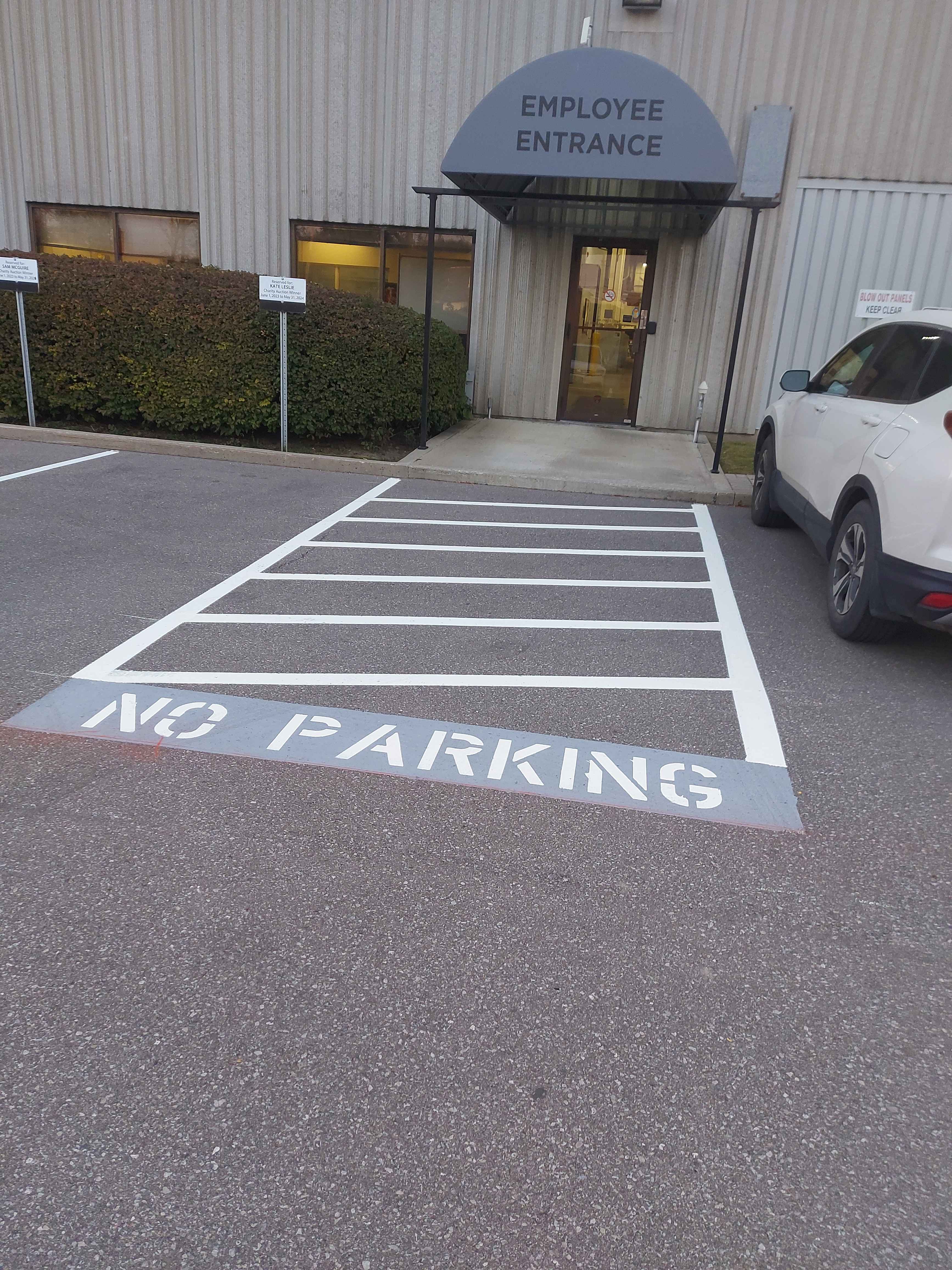
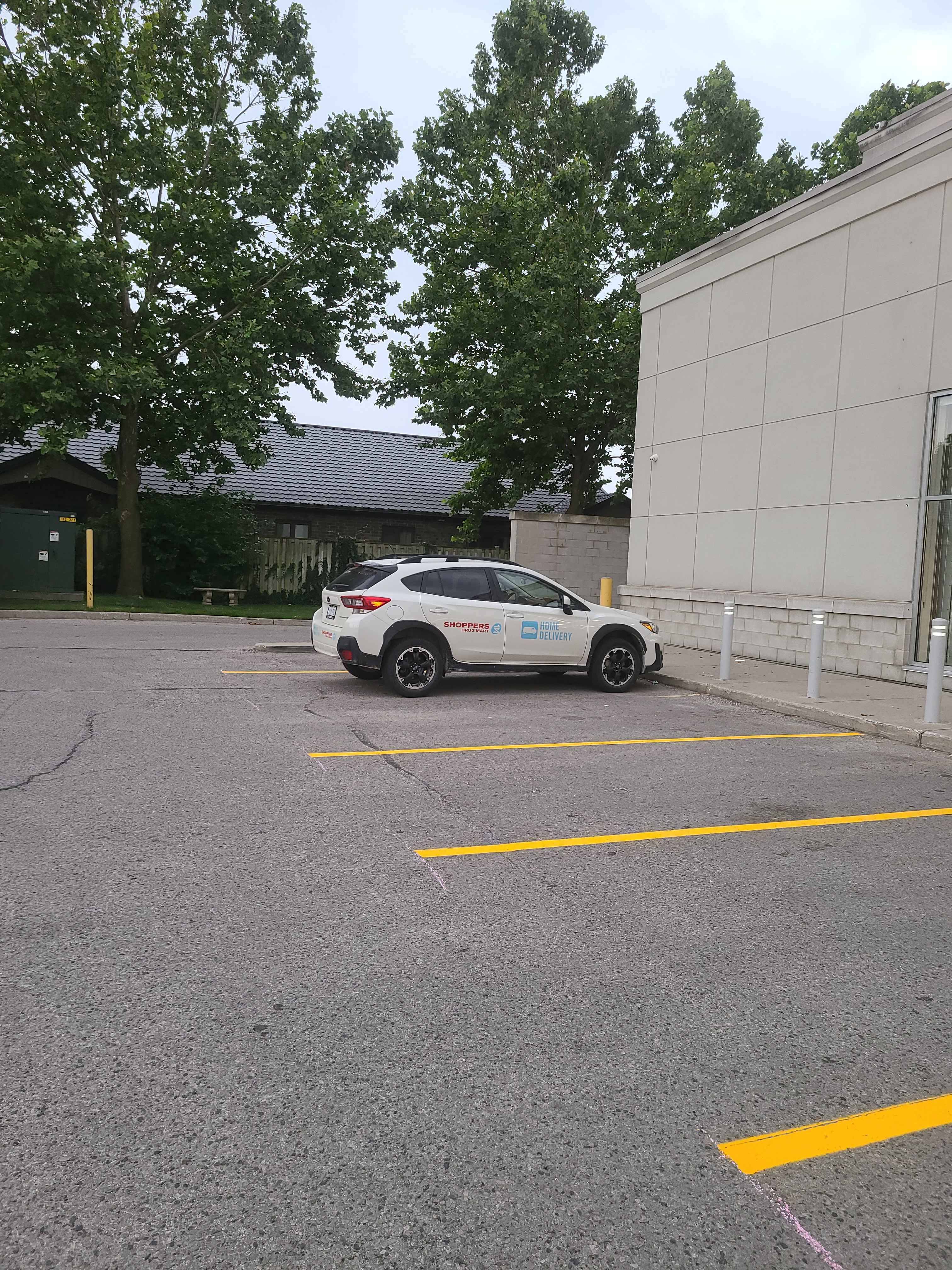
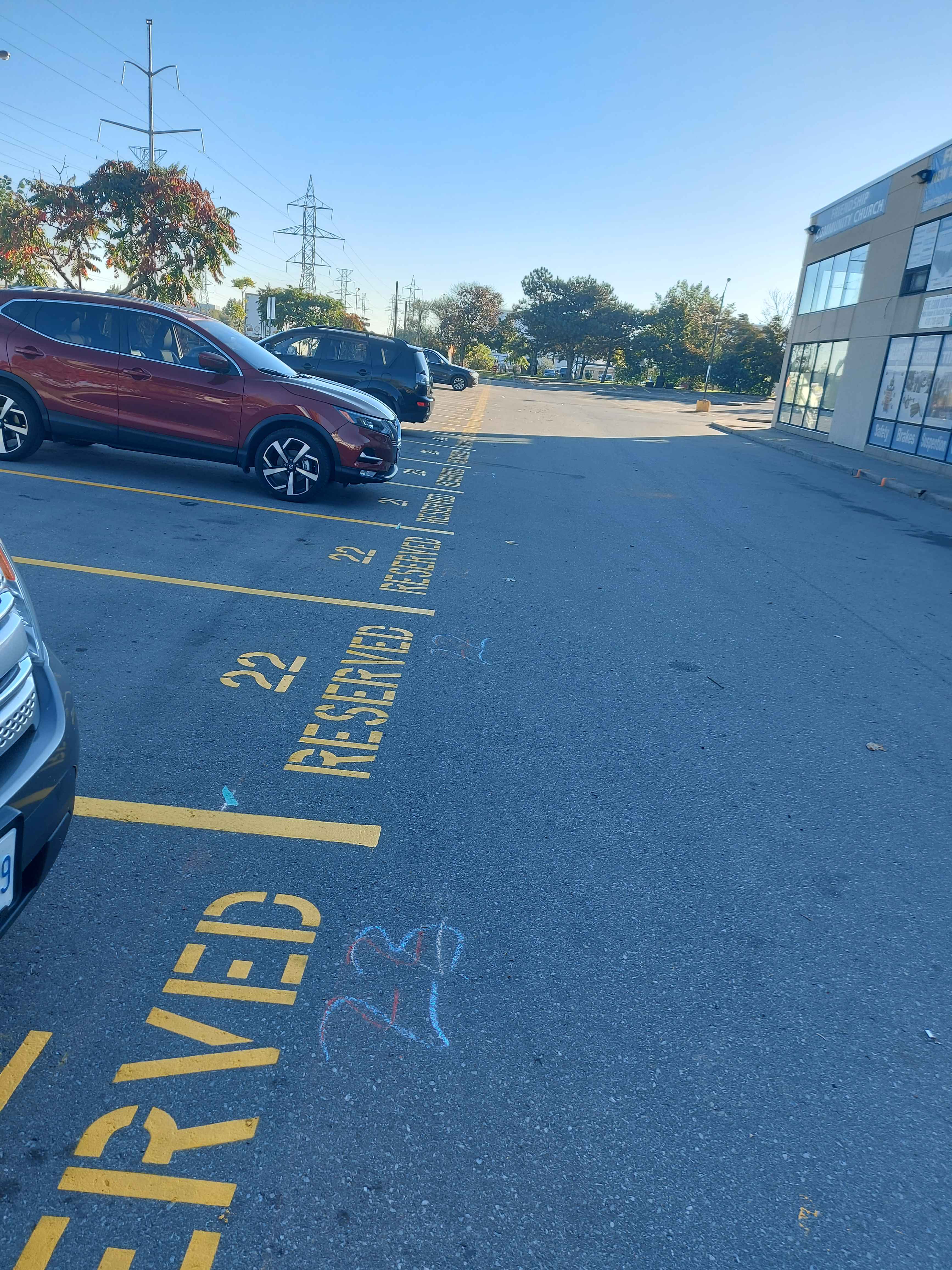
Furthermore, a complete maintenance package often includes Line Marking. While sealcoating protects the surface, clear and visible Line Marking ensures that traffic flows efficiently. Efficient traffic patterns reduce vehicle idling times in parking lots, which indirectly lowers localized carbon emissions.
Case Study: Maintaining Infrastructure in Peterborough
As one of the top 30 cities in Ontario, Peterborough faces unique environmental challenges, including significant freeze-thaw cycles. These cycles are brutal on asphalt. Without regular sealcoating, the water that enters small cracks expands as it freezes, widening the gaps and eventually requiring a full repaving. By implementing a regular maintenance schedule with Capital Parking Lot Line Painting, local businesses can protect their investments and contribute to the city's overall environmental health by reducing construction waste.
Quick Summary: Eco-Friendly Maintenance Checklist
To ensure your maintenance is environmentally sound, always look for:
- Use of high-quality, durable sealants.
- Professional Line Painting to optimize traffic flow.
- Regular inspection to catch cracks before they become failures.
- Contractors with a reputation for precision and minimal waste.
Final Thoughts
Environmental stewardship isn't just about large-scale changes; it's about the small, smart decisions we make regarding the infrastructure we use every day. Choosing to sealcoat your asphalt is a commitment to longevity, efficiency, and the protection of our local environment. When you choose to do it right, you aren't just protecting your property—you're protecting our future.