The Environmental Impact of Sealcoating Done Right
While often viewed as a purely aesthetic upgrade for commercial properties, professional sealcoating plays a critical role in environmental stewardship and sustainable infrastructure management.
The Hidden Connection Between Asphalt and Ecology
When property owners in a major hub like Windsor consider maintenance, the focus is often on curb appeal or preventing potholes. However, the decision to sealcoat an asphalt surface carries significant environmental weight. Asphalt is a petroleum-based product, and the lifecycle of any pavement involves a substantial amount of energy and raw material extraction.
By implementing a proactive maintenance schedule with experts like Capital Parking Lot Line Painting, property managers can significantly alter the environmental trajectory of their pavement. Instead of allowing asphalt to degrade into a state requiring full excavation and replacement, sealcoating acts as a protective barrier that preserves the existing structure.
Extending Lifespan: The Core of Sustainability
The most environmentally friendly action you can take with an existing parking lot is to keep it from being replaced. Every time a parking lot is ripped up and repaved, it results in:
- Increased carbon emissions from heavy machinery and transport vehicles.
- Massive amounts of waste sent to local landfills.
- High demand for new bitumen and aggregate resources.
- Disruption of local ecosystems and soil stability during construction.
Sealcoating mitigates these issues by sealing the pores of the asphalt, preventing water, oil, and UV rays from penetrating the surface. When done correctly by Capital Parking Lot Line Painting, this barrier can add years—sometimes even a decade—to the life of the pavement, effectively delaying the need for resource-heavy reconstruction.
Mitigating Runoff and Chemical Leaching
Asphalt surfaces are prone to collecting automotive fluids such as oil, gasoline, and antifreeze. Without a protective seal, these chemicals seep deep into the asphalt matrix and eventually leach into the surrounding soil and groundwater. This is a particular concern in growing urban areas like Windsor, where stormwater management is vital for protecting local waterways.
A high-quality sealcoat creates a non-porous surface that helps contain these contaminants on the surface, where they can be cleaned or managed, rather than allowing them to migrate into the earth. Furthermore, by maintaining the integrity of the surface, we prevent the formation of cracks that allow heavy rainfall to wash debris and pollutants directly into the drainage systems.
The Holistic Approach to Lot Maintenance
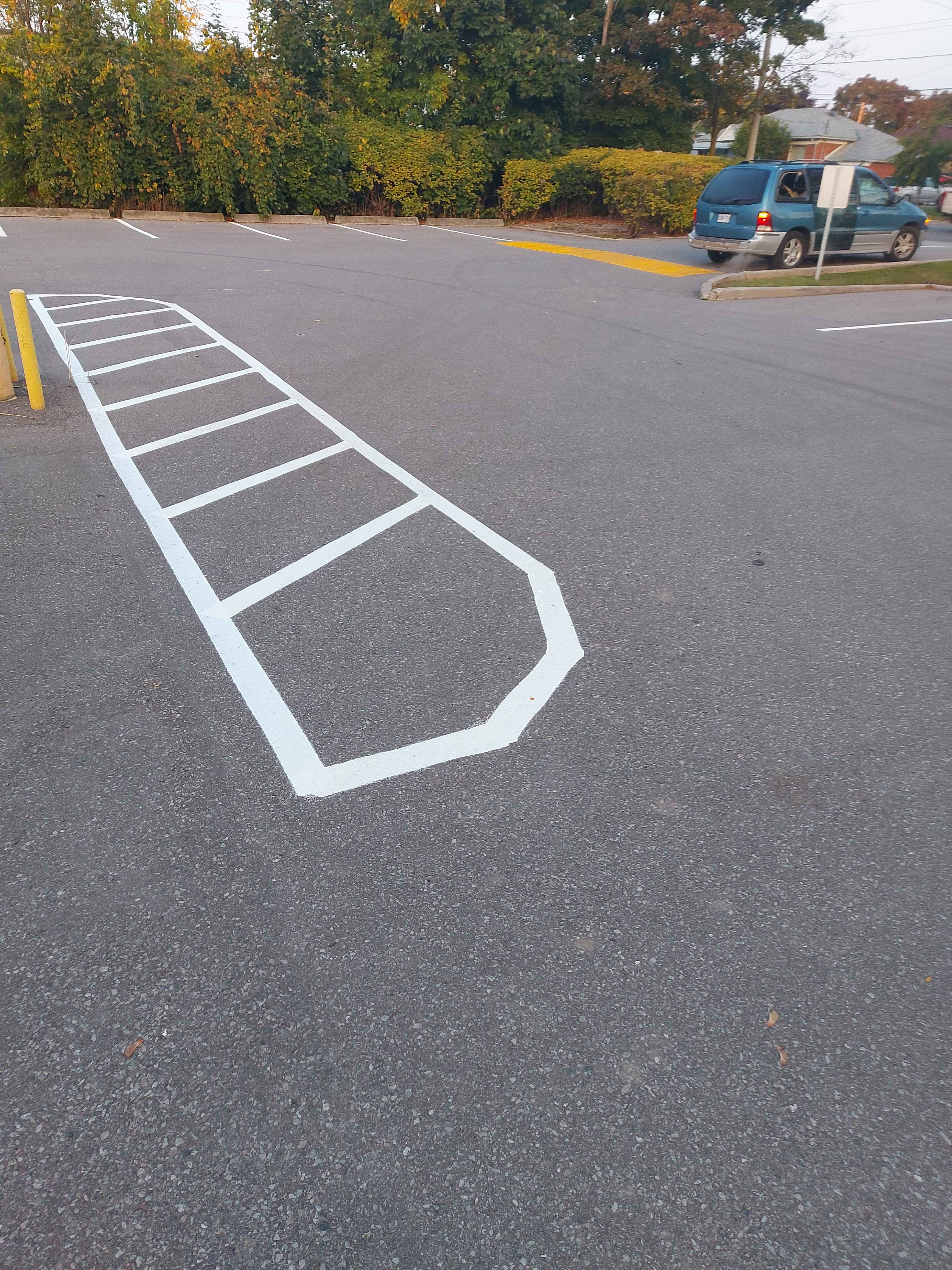
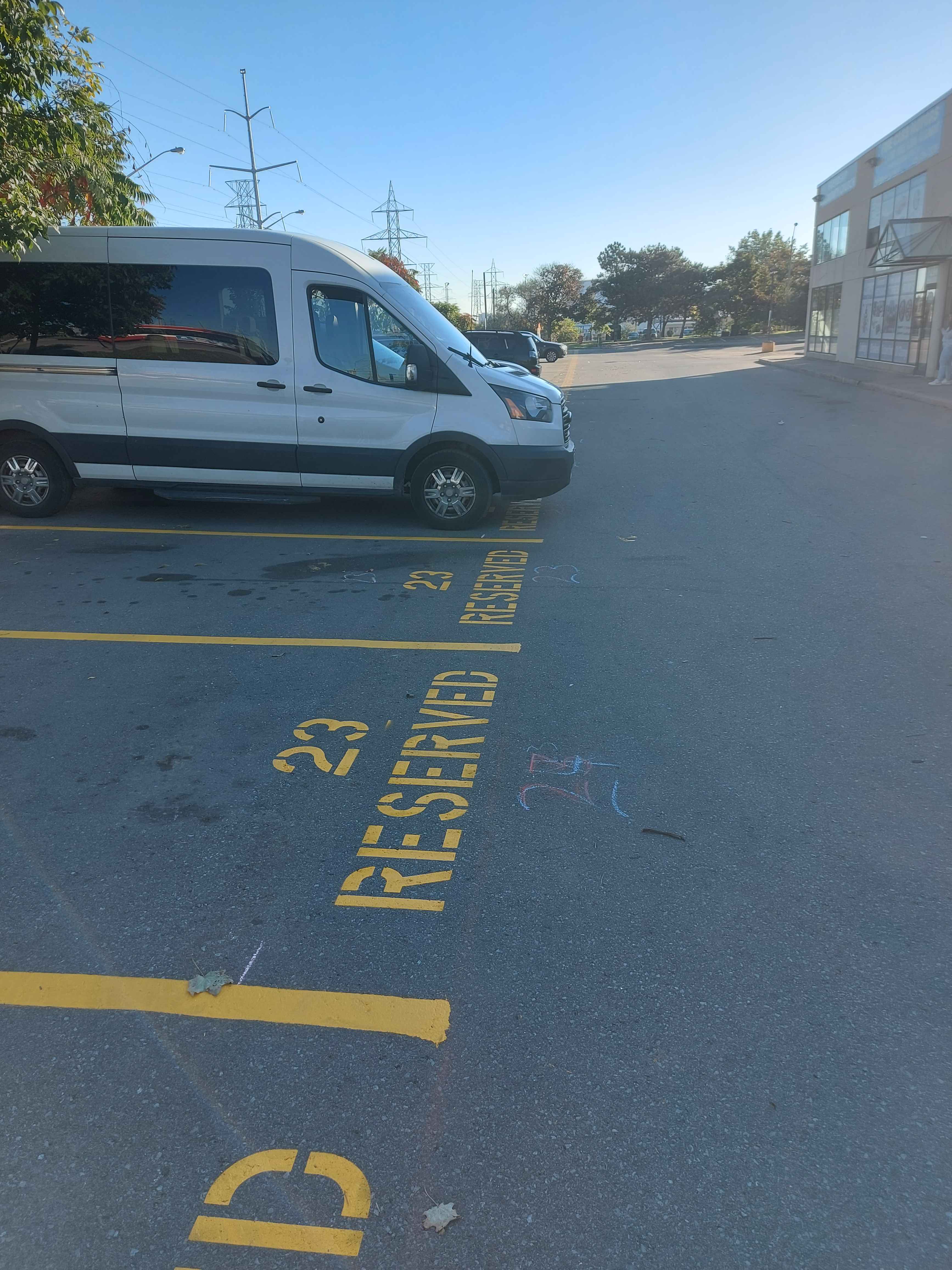
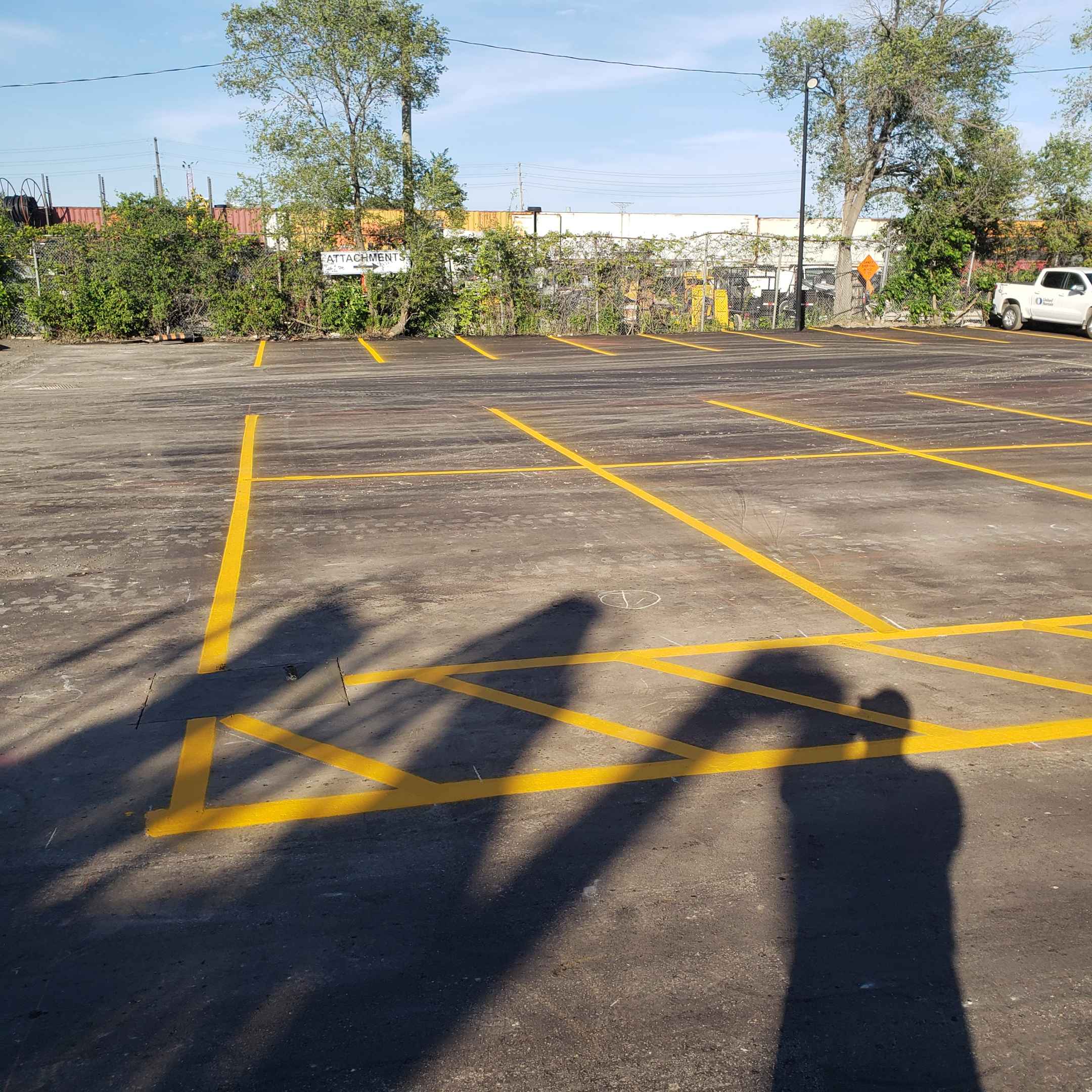
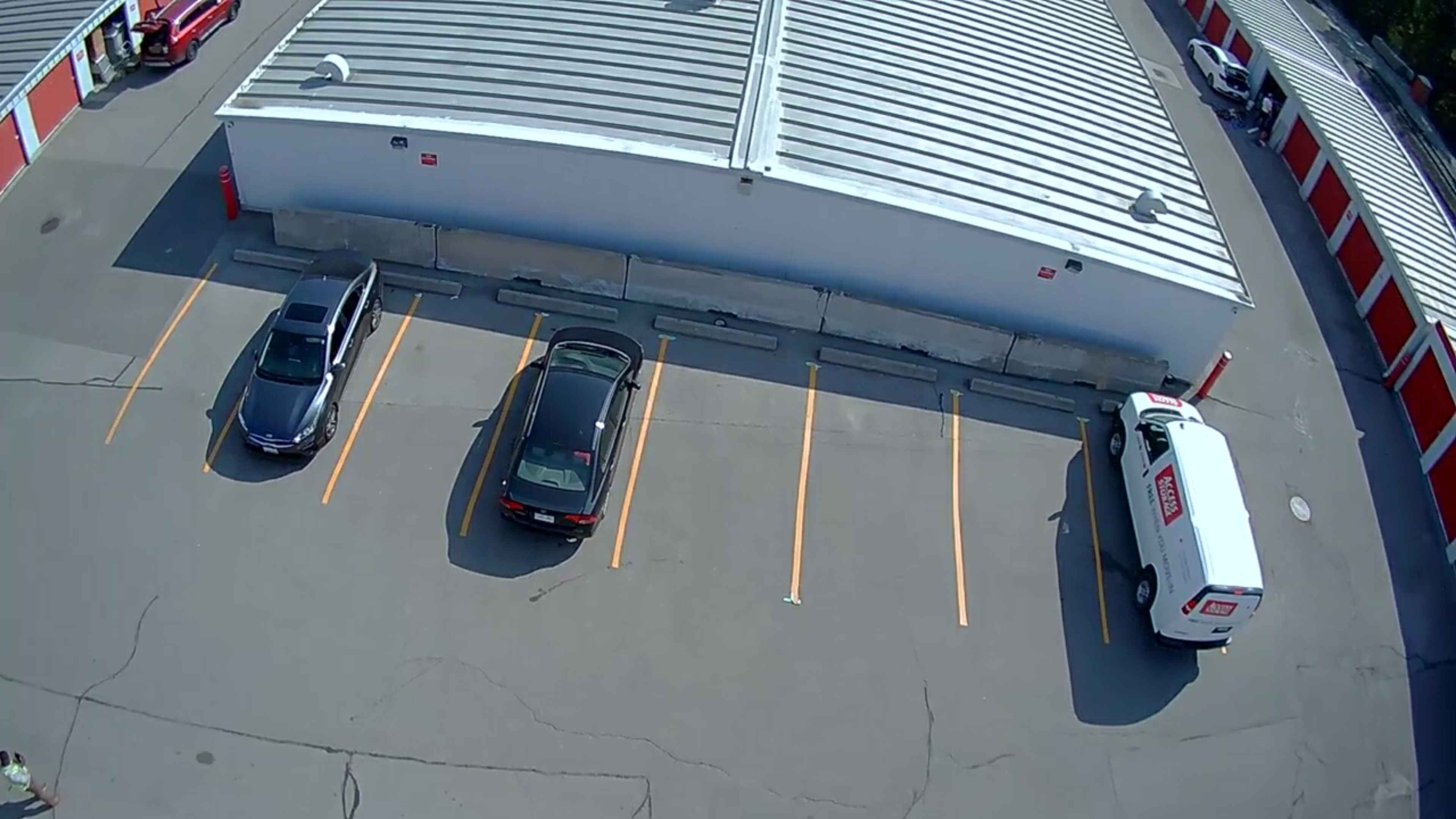
True environmental stewardship involves looking at the parking lot as a complete system. This includes not just the surface protection, but also the clarity of navigation and safety markings. Integrating Line Painting and Line Marking into your maintenance cycle ensures that traffic flows efficiently, reducing idling time and vehicle emissions within your facility.
Common Mistakes That Negate Environmental Benefits
Not all sealcoating is created equal. To ensure you are actually helping the environment rather than causing harm, avoid these common pitfalls:
Avoid Low-Quality DIY Solutions
Using substandard materials that peel or crack prematurely actually increases the frequency of maintenance required, leading to more chemical use and wasted resources over time.
Ignoring Surface Preparation
Applying sealant over dirt, oil, or loose debris prevents proper adhesion. This leads to premature failure, requiring more frequent applications and higher resource consumption.
Professional teams like Capital Parking Lot Line Painting utilize industrial-grade equipment and high-quality sealants designed for longevity, ensuring that your investment serves both your business and the planet.
Conclusion: A Greener Path Forward
Sustainability in property management is about making smart, long-term decisions. By choosing to sealcoat your asphalt, you are participating in a circular economy of preservation. You are choosing to protect existing resources, reduce waste, and prevent chemical leaching. When combined with professional Line Marking, your parking lot becomes a model of efficiency and environmental responsibility.